Copper brittlegill
Russula decolorans
A species of Russulas.
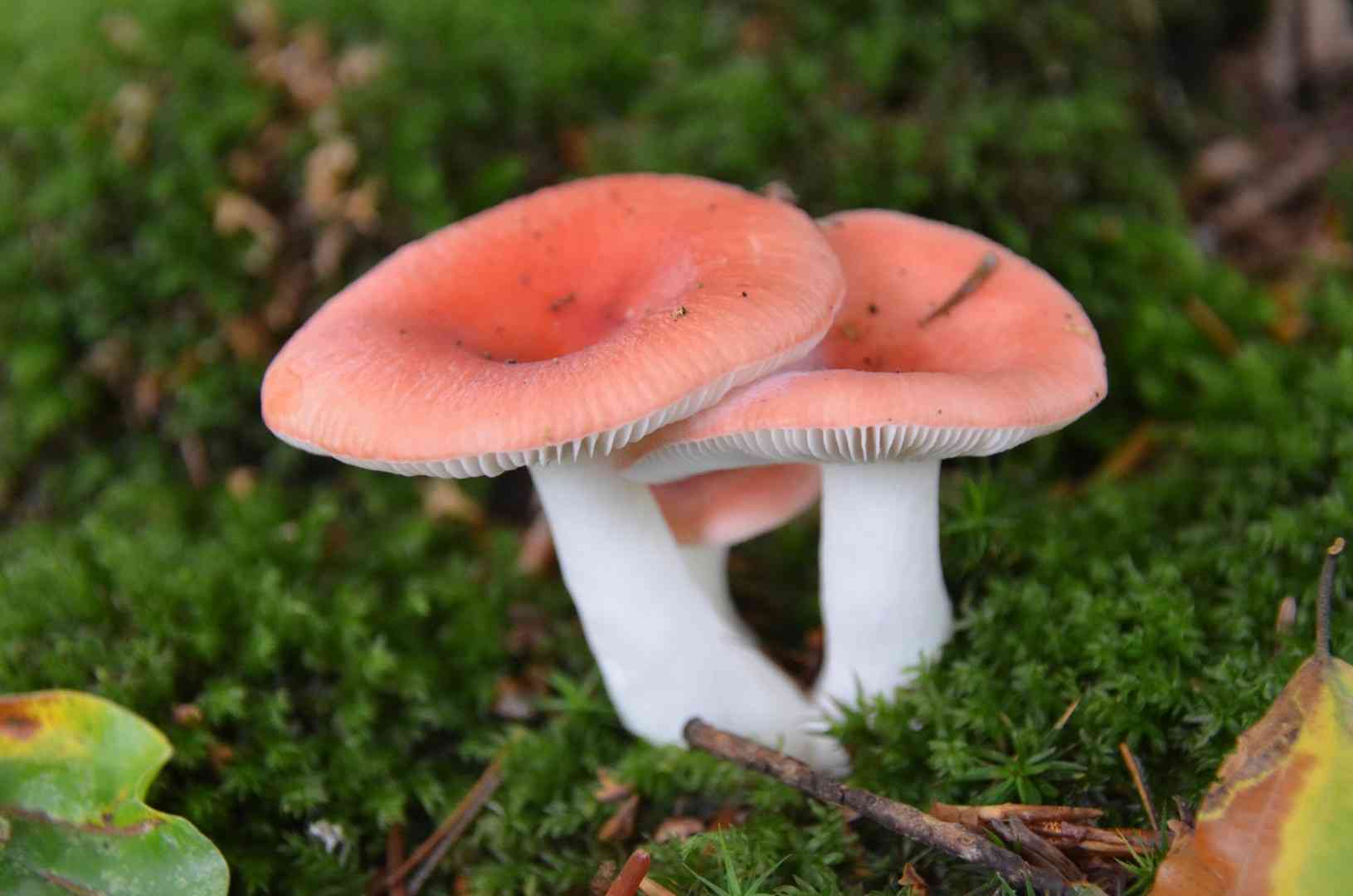
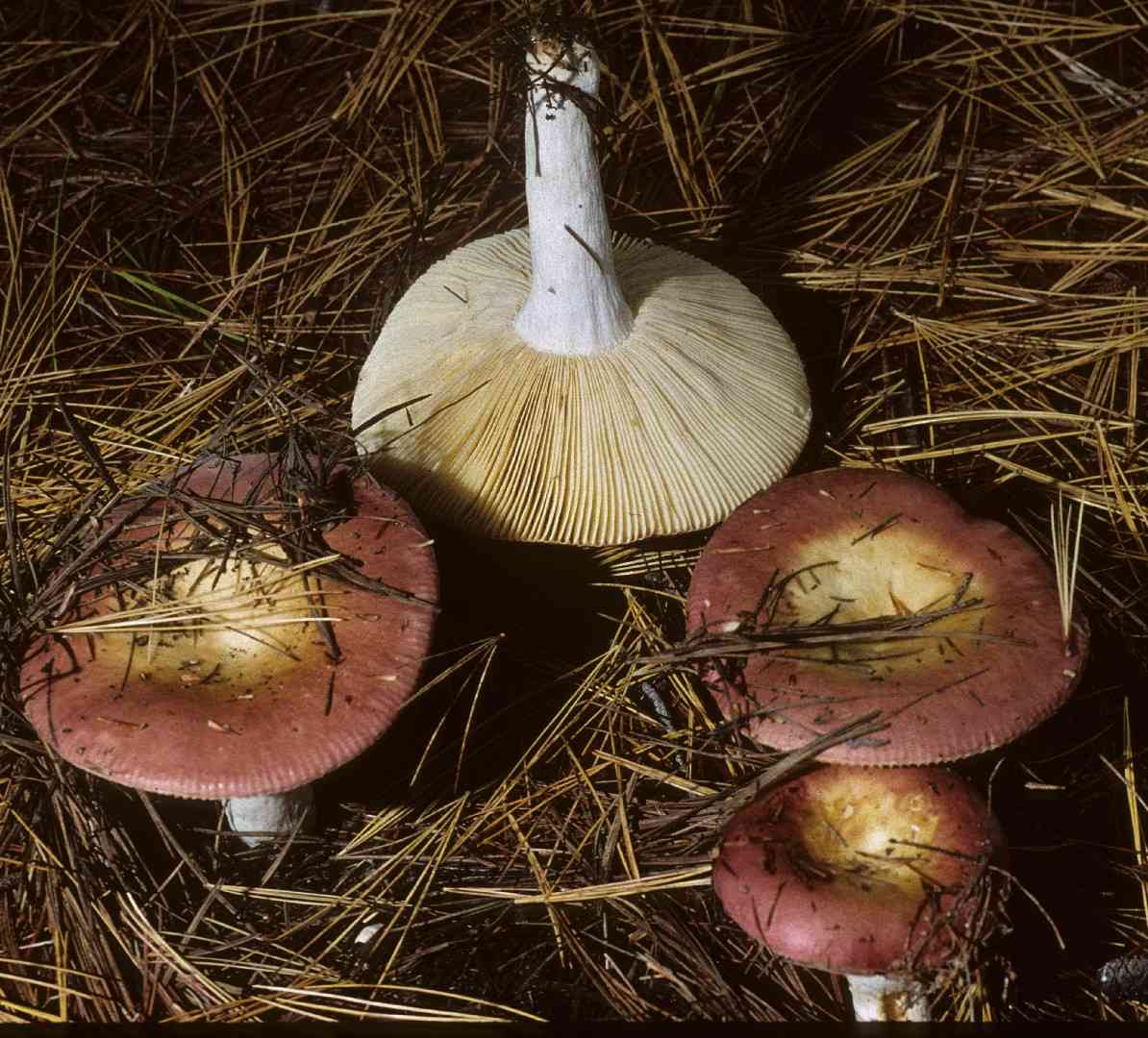
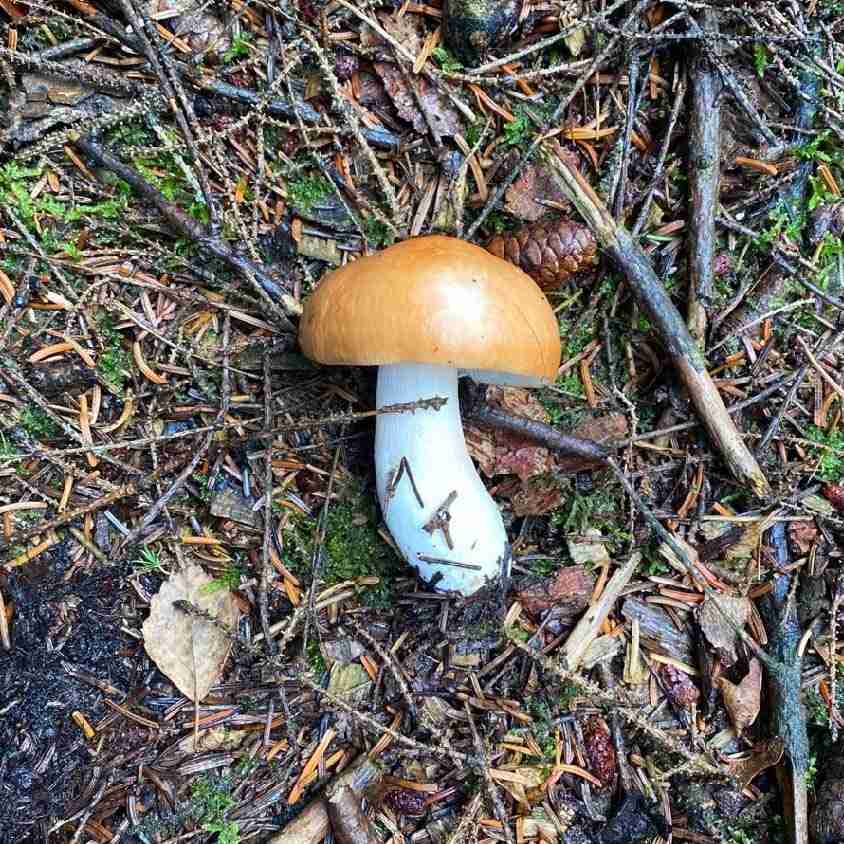
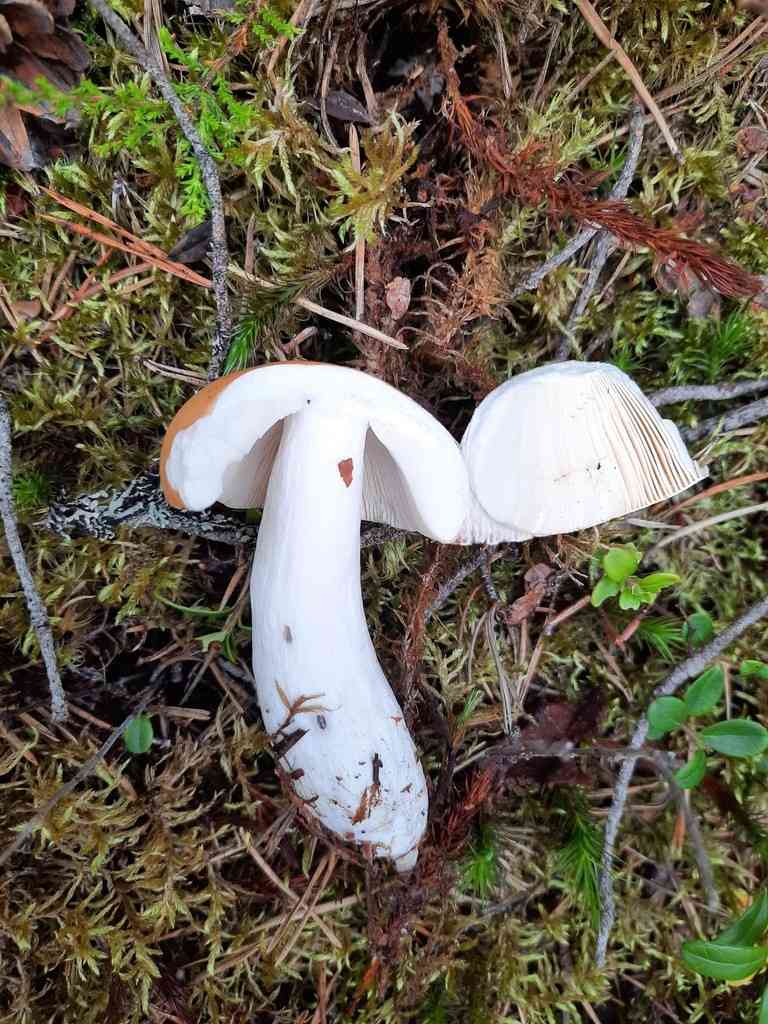
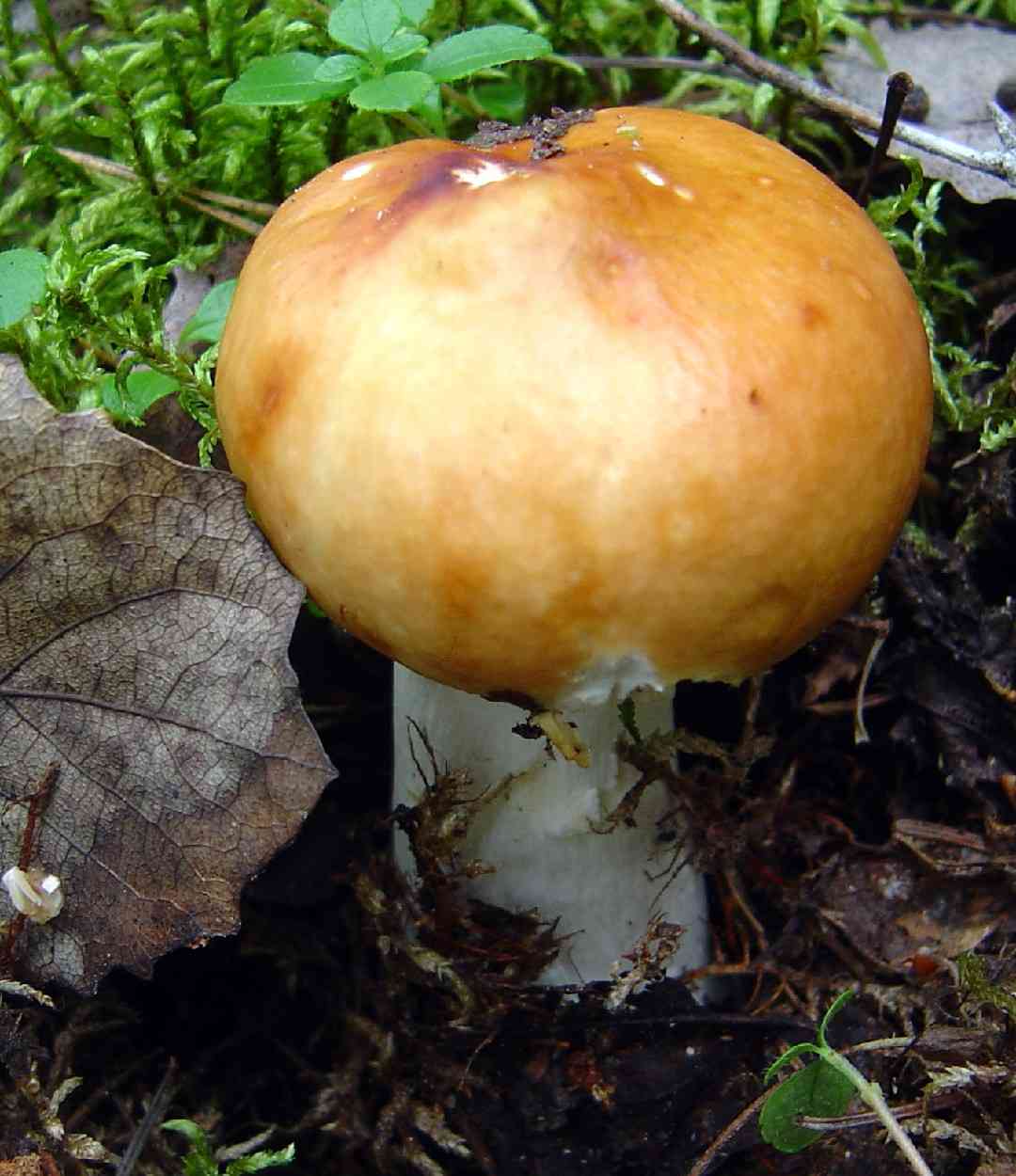
The copper brittlegill (Russula decolorans) is aptly named due to its distinctive copper-hued cap. Upon injury, its white flesh rapidly darkens to a deep grey. This species typically thrives amidst the leaf litter in coniferous woodlands. The genus name 'russula' originates from the Latin term for red.
In This Article
Attributes of Copper brittlegill
Cap Diameter
4 - 16 cm
Height
4 - 12 cm
Cap
Cap 5 - 15 cm; round to convex, flat, vase-shaped; orange; smooth; the margin lined by maturity
Cap Shape
Convex, Flat, Depressed
Cap Surfaces
Smooth, Slimy or slightly sticky, Visible lines or stripes
Gills
Adnate, shortly decurrent; close, often forked at the base; white, yellowish; turn gray when bruised
Gill Attachment
Attached
Stem
Stem 4 - 12 cm long; 1 - 3 cm thick; quite firm; white, gray; smooth
Stem Shapes
Cylindrical
Stem Surfaces
Smooth
Flesh
Hard; white; display gray to black when sliced
Ring
Ringless
Spore Print Color
Pale yellow-ocher
Odor
Mild, not particularly distinctive.
Body Color
YellowRedBronzeWhiteOrangePurple
Flesh Bruises
Discolor to gray or black
Growth Form
Solitary, Scattered, Gregarious
Nutrient Gathering
Mycorrhizal
Substrate
On soil
You can find Copper brittlegill by these plants
Oaks, Pines, Spruces, Firs
Occurence Habitats
Coniferous Woodland
Species Status
Least Concern
Endangered Species
No
Scientific Classification of Copper brittlegill
Phylum
Club fungi
Class
Mushroom-forming fungi
Order
Russulales
Family
Russulaceae
Genus
Russulas
Toxicity and Edibility of Copper brittlegill
Is Copper brittlegill Toxic?
Toxicity information is not available for this mushroom. Always consult with an expert before consuming any wild mushrooms.