Blue band brittlegill
Russula chloroides
A species of Russulas.
The Blue Band Brittlegill, a member of a fungal family renowned for its varied and vibrant species, is identifiable by the unique blue band encircling its cap, which rests on a sturdy, light-colored stem. This fungus flourishes in European forests, particularly around beech trees. It reaches maturity from late summer through autumn, playing a vital role in the woodland ecosystem by decomposing organic material.
In This Article
Attributes of Blue band brittlegill
Cap Diameter
5 - 13 cm
Height
3 - 8 cm
Cap
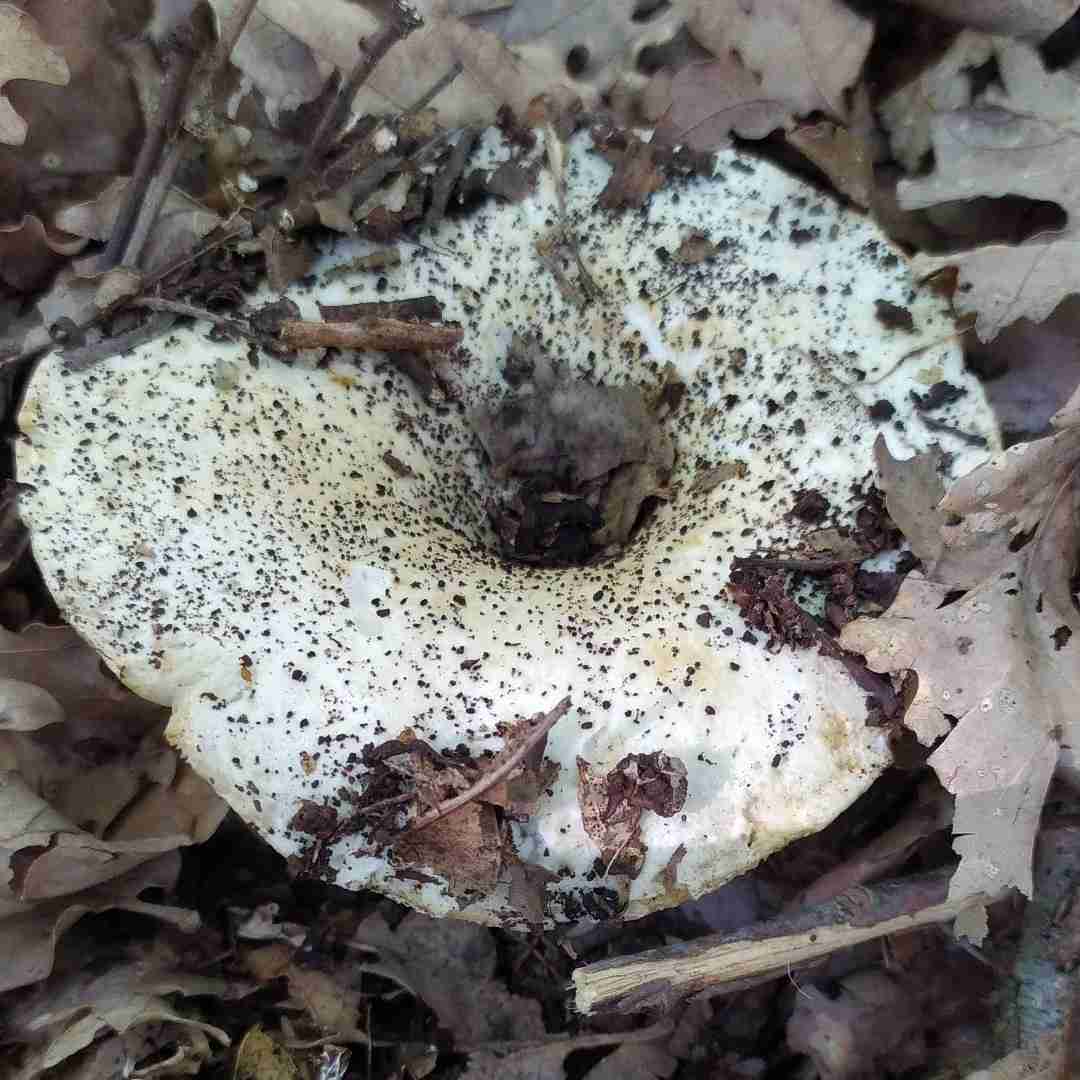
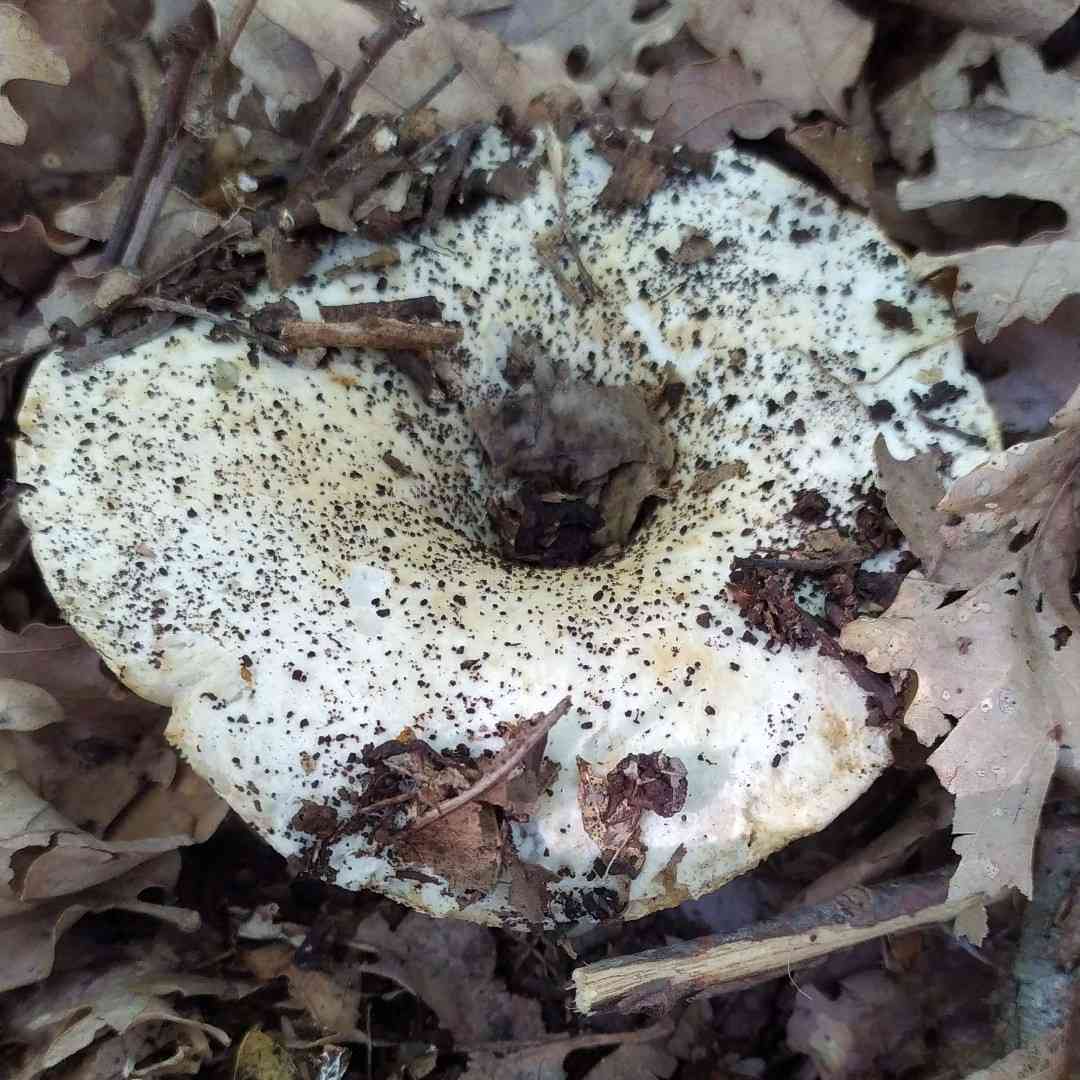
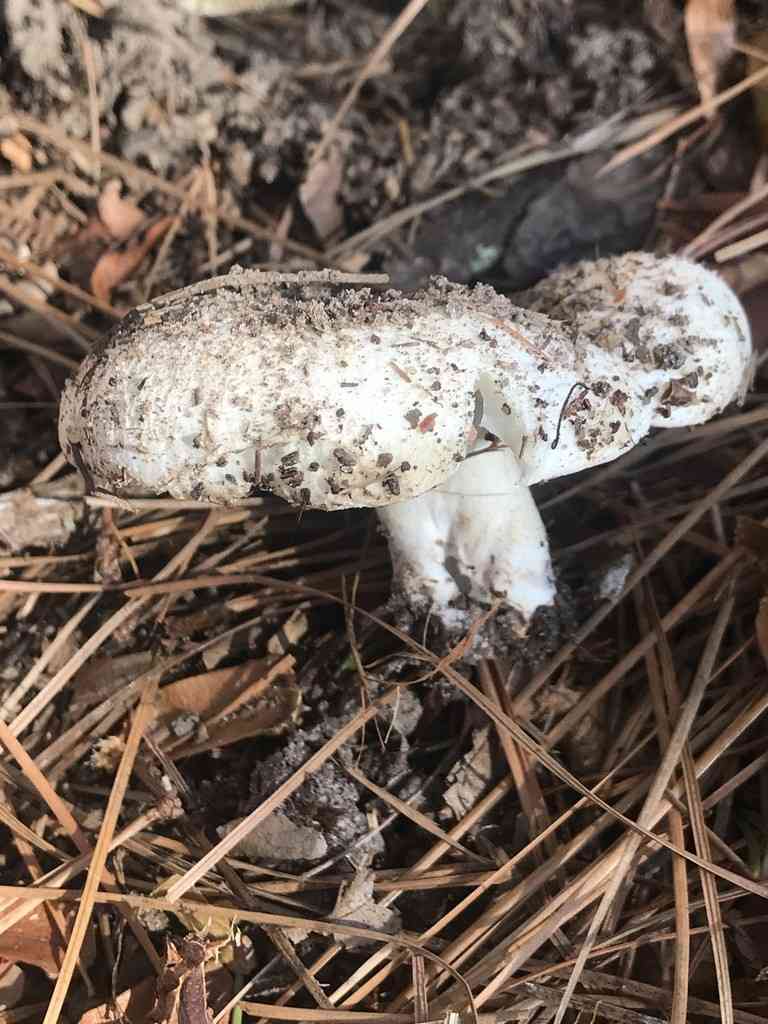
Cap 5 - 13 cm across; convex to funnel-shaped; dirty-white to pale yellowish-brown
Cap Shape
Convex, Depressed
Gills
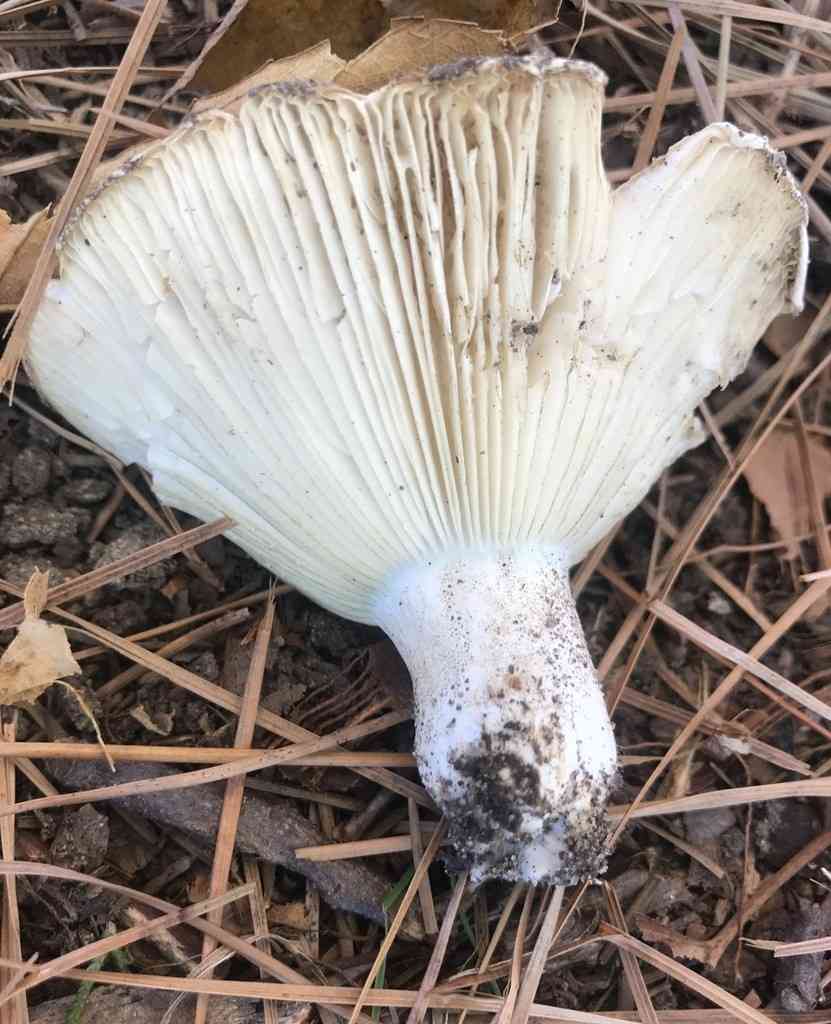
Decurrent; very crowded; white; turns orange, with blue-green shades when stained
Gill Attachment
Decurrent
Stem
Stem 2 - 8 cm long, 1 - 3 cm thick; cylindrical; white
Stem Shapes
Cylindrical
Stem Surfaces
Smooth
Flesh
Grainy; firm; white; unchanging
Ring
Ringless
Spore Print Color
White or very pale cream
Odor
Faintly fruity, occasionally unpleasant.
Body Color
BrownYellowWhite
Flesh Bruises
The flesh or milk does not discolor when bruised or cut.
Growth Form
Gregarious
Nutrient Gathering
Mycorrhizal
Substrate
On soil
You can find Blue band brittlegill by these plants
Pines, Oaks, European beech
Occurence Habitats
Mixed Woodland
Species Status
Common and widespread
Endangered Species
No
Scientific Classification of Blue band brittlegill
Phylum
Club fungi
Class
Mushroom-forming fungi
Order
Russulales
Family
Russulaceae
Genus
Russulas
Toxicity and Edibility of Blue band brittlegill
Is Blue band brittlegill Toxic?
Toxicity information is not available for this mushroom. Always consult with an expert before consuming any wild mushrooms.

