Boring white russula
Russula albidula
A species of Russulas.
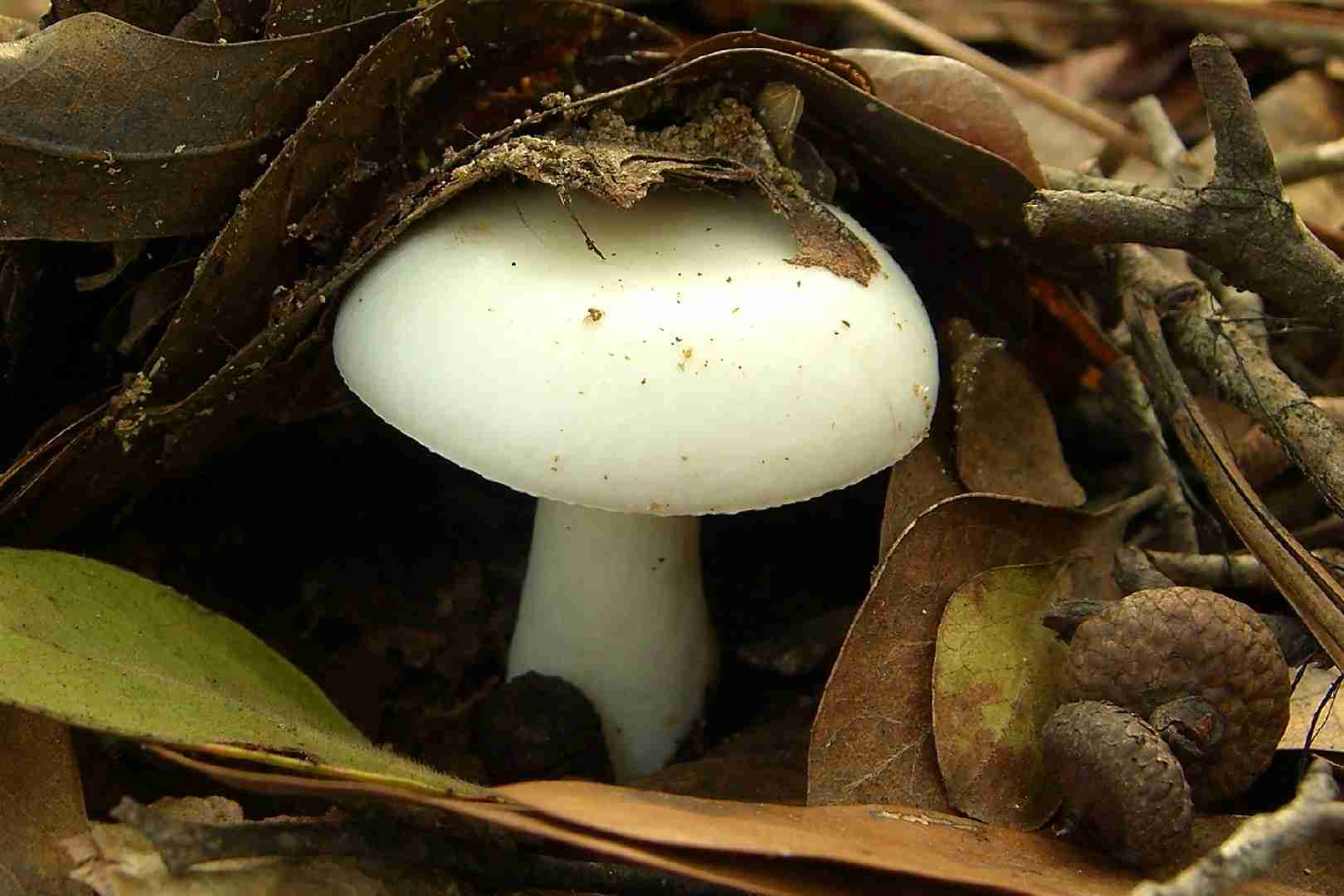
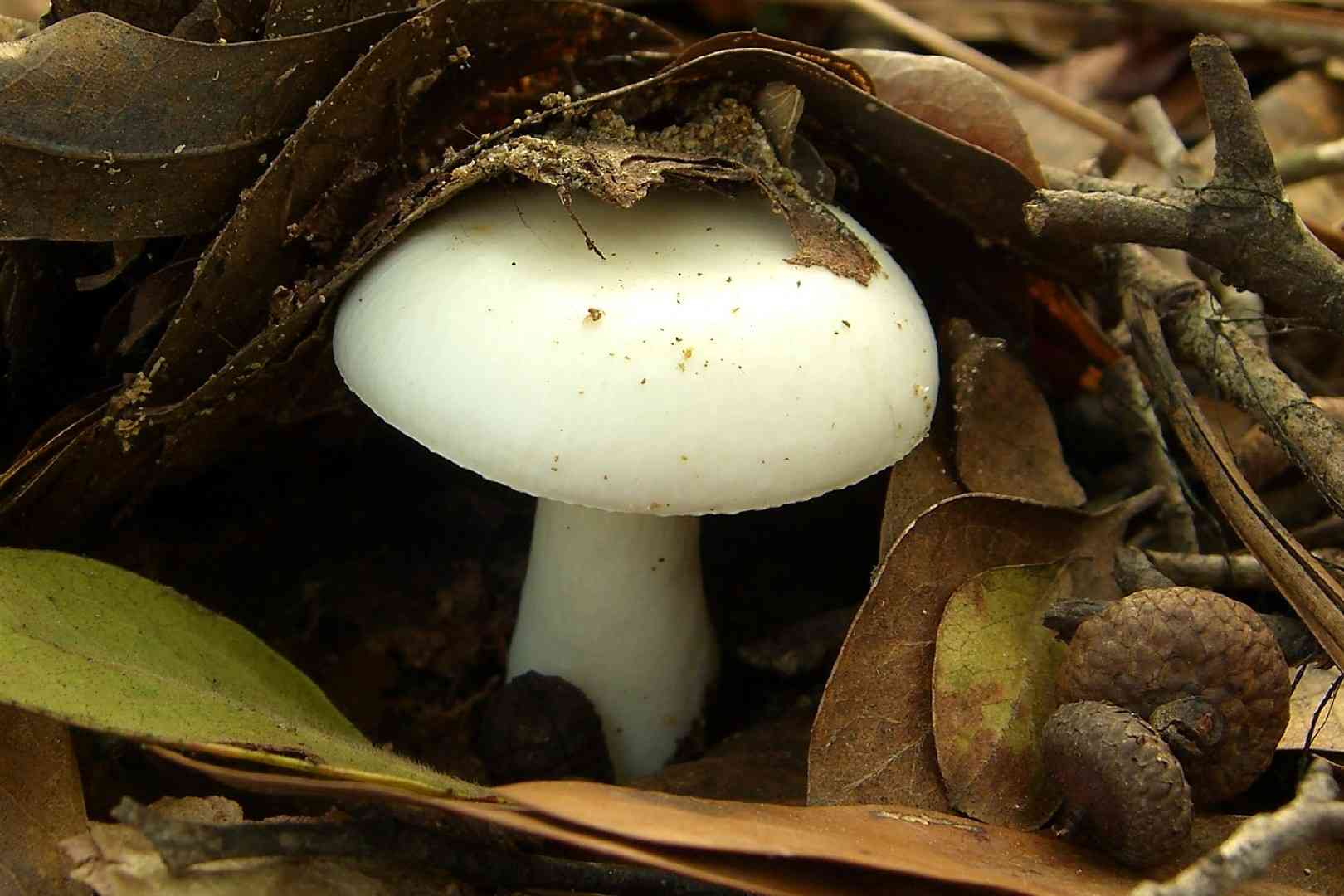
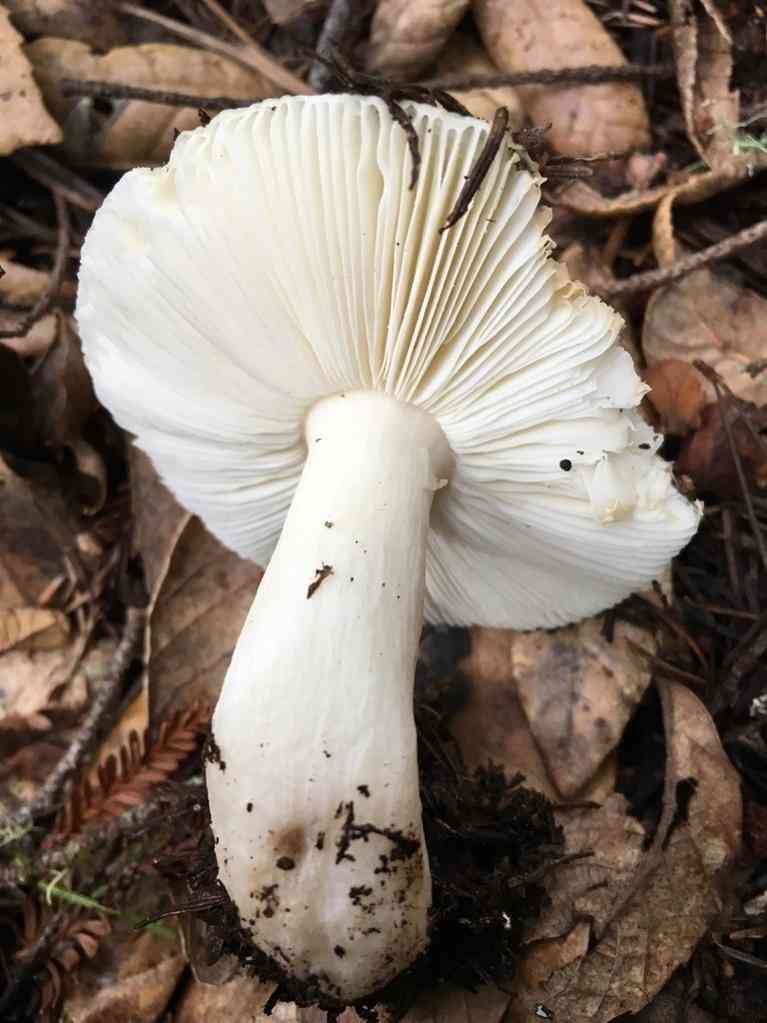
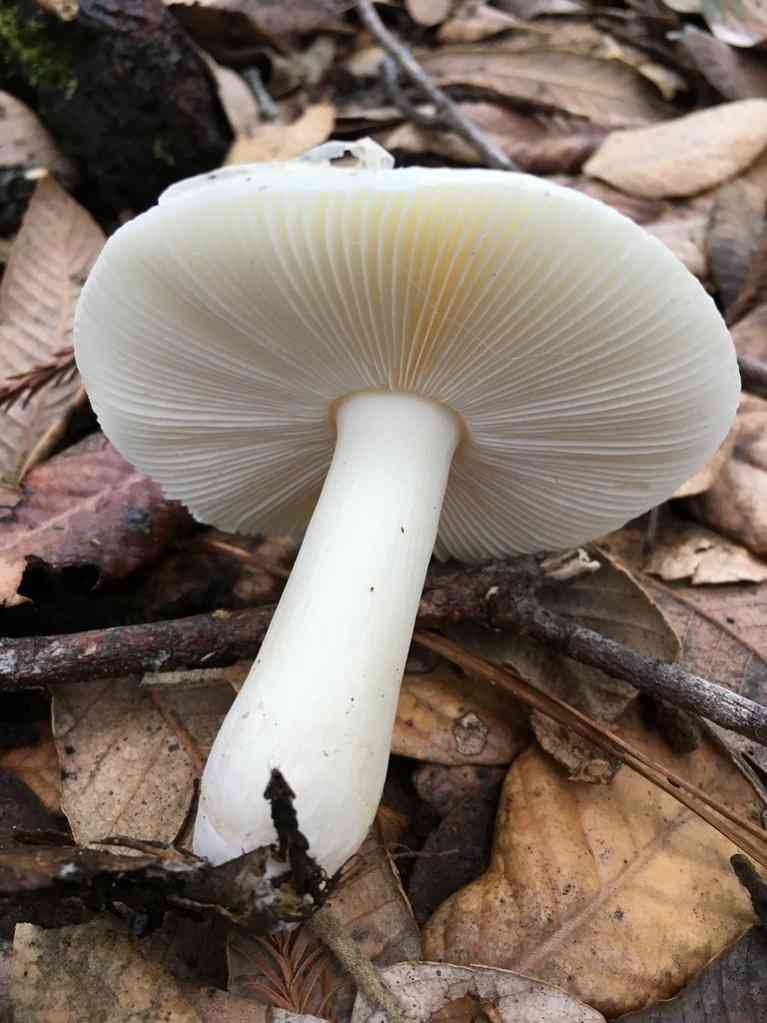
The common white russula, characterized by its whitish or light-colored cap, frequently inhabits coniferous woodlands. It establishes a mutualistic relationship with the root systems of different trees. This species is predominantly observed from summer to early autumn, preferring ground that is well-drained and acidic. Its stalk is also white and has a sturdy build.
In This Article
Attributes of Boring white russula
Cap Diameter
5 - 8 cm
Height
4 - 7 cm
Cap Shape
Convex, Depressed
Cap Surfaces
Smooth, Slimy or slightly sticky, Visible lines or stripes
Gill Attachment
Attached
Stem Shapes
Cylindrical
Stem Surfaces
Smooth to slightly fibrous
Ring
Ringless
Growth Form
Solitary, Scattered
Nutrient Gathering
Mycorrhizal
Substrate
On soil
You can find Boring white russula by these plants
Mockernut hickory, Pignut hickory, Red hickory, Northern red oak, Overcup oak, White oak, Eastern white pine, Monterey pine
Occurence Habitats
Mixed Woodland
Scientific Classification of Boring white russula
Phylum
Club fungi
Class
Mushroom-forming fungi
Order
Russulales
Family
Russulaceae
Genus
Russulas
Toxicity and Edibility of Boring white russula
Is Boring white russula Toxic?
Toxicity information is not available for this mushroom. Always consult with an expert before consuming any wild mushrooms.

