Winecork brittlegill
Russula adusta
A species of Russulas.
The Winecork brittlegill, a common mushroom species, thrives in coniferous forests, particularly on acidic soils. Its distinctive aroma, reminiscent of used wine barrels or bottle corks, is the source of its common name. The Latin epithet adusta signifies burn or toast, describing the hue of its stem.
In This Article
Attributes of Winecork brittlegill
Cap Diameter
4 - 15 cm
Height
4 - 11 cm
Cap
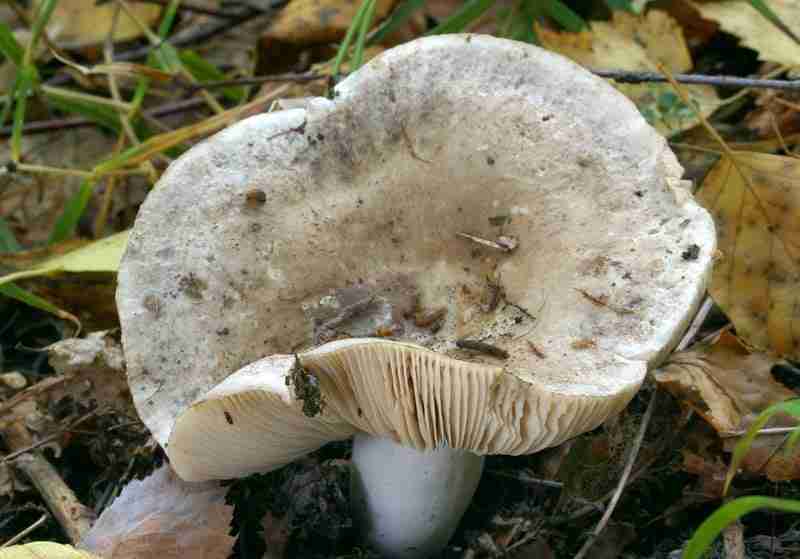
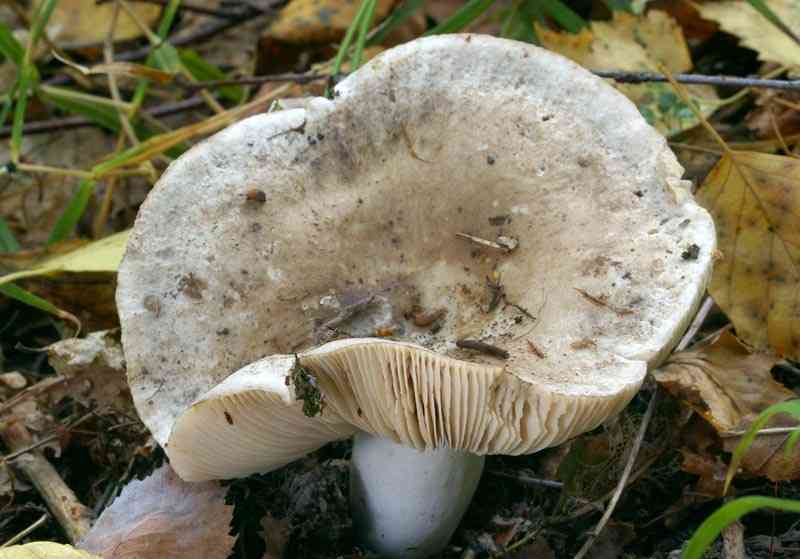
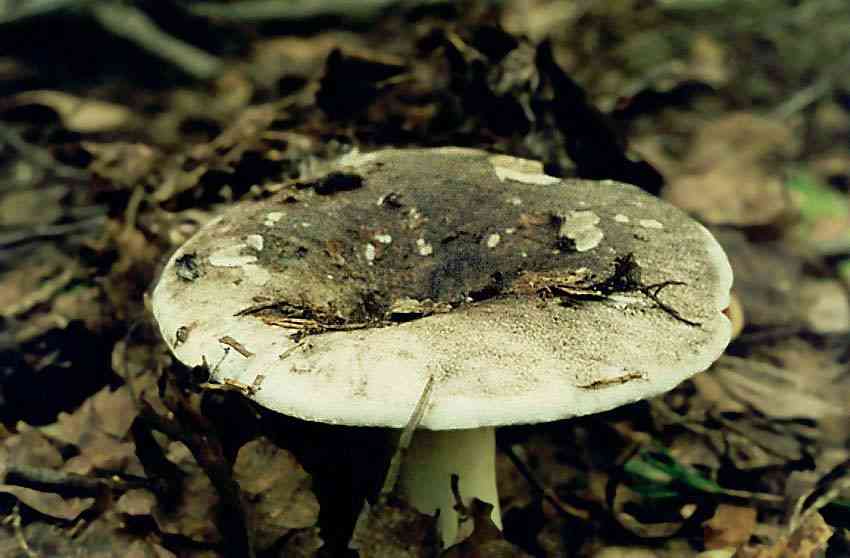
Cap 5 - 20 cm across; dark red-brown to brown black; surface smooth, viscid or sticky; margin smooth
Cap Shape
Convex, Depressed
Cap Surfaces
Smooth, Slimy or slightly sticky
Gills
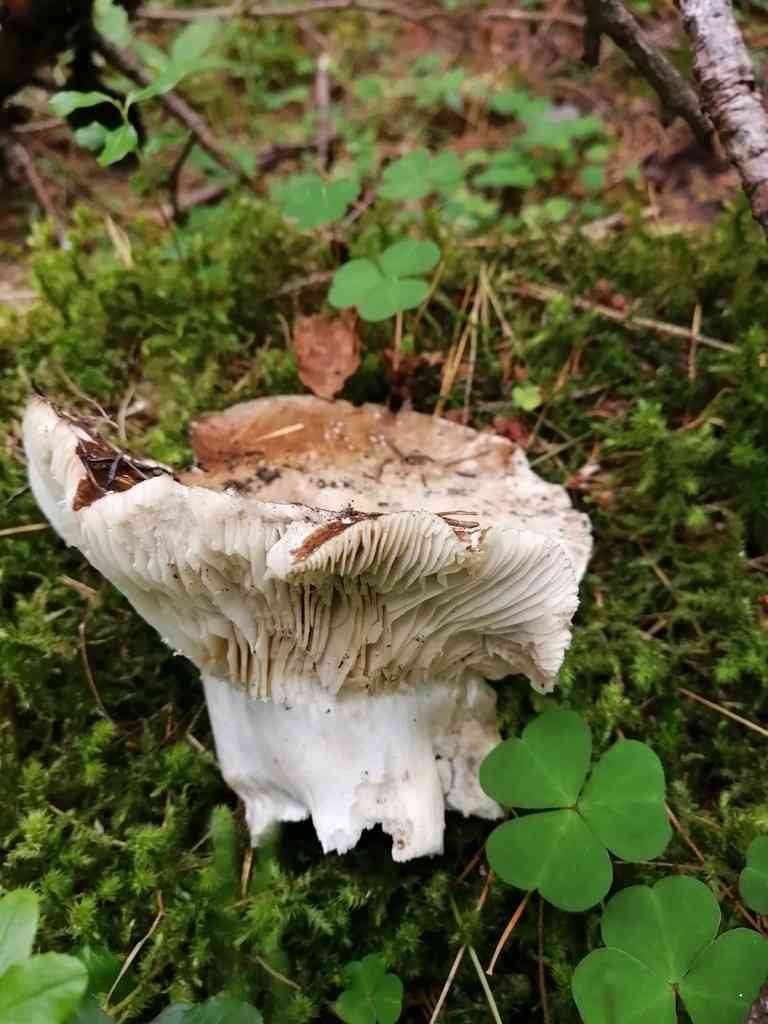
Adnate; crowded; cream
Gill Attachment
Attached
Stem
Stem 3 - 11 cm long, 1 - 5 cm thick; white, brown-grey
Stem Shapes
Cylindrical
Flesh
Grainy; turning brown
Ring
Ringless
Spore Print Color
White
Odor
Mildly earthy, faintly sour, with a hint of aged cheese.
Body Color
BrownBlackRedGrayWhite
Flesh Bruises
Discolor to reddish or gray-black
Growth Form
Solitary, Scattered
Nutrient Gathering
Mycorrhizal
Substrate
On soil
You can find Winecork brittlegill by these plants
Oaks, Spruces, Pines, Scots pine
Species Status
Rare, occasional
Endangered Species
No
Scientific Classification of Winecork brittlegill
Phylum
Club fungi
Class
Mushroom-forming fungi
Order
Russulales
Family
Russulaceae
Genus
Russulas
Toxicity and Edibility of Winecork brittlegill
Is Winecork brittlegill Toxic?
Toxicity information is not available for this mushroom. Always consult with an expert before consuming any wild mushrooms.

