Hotlips brittlegill
Russula acrifolia
A species of Russulas.
Hotlips brittlegill is renowned for its intense, pungent flavor, a defining characteristic. It's part of a fungal lineage typically recognized by its fragile gills and a chalky texture when fractured. Hotlips brittlegill possesses a striking look, featuring vivid cap shades from red to orange, making it easily identifiable amidst the leaf litter and moss in its natural woodland environments.
In This Article
Attributes of Hotlips brittlegill
Cap Diameter
5 - 20 cm
Height
3 - 8 cm
Cap
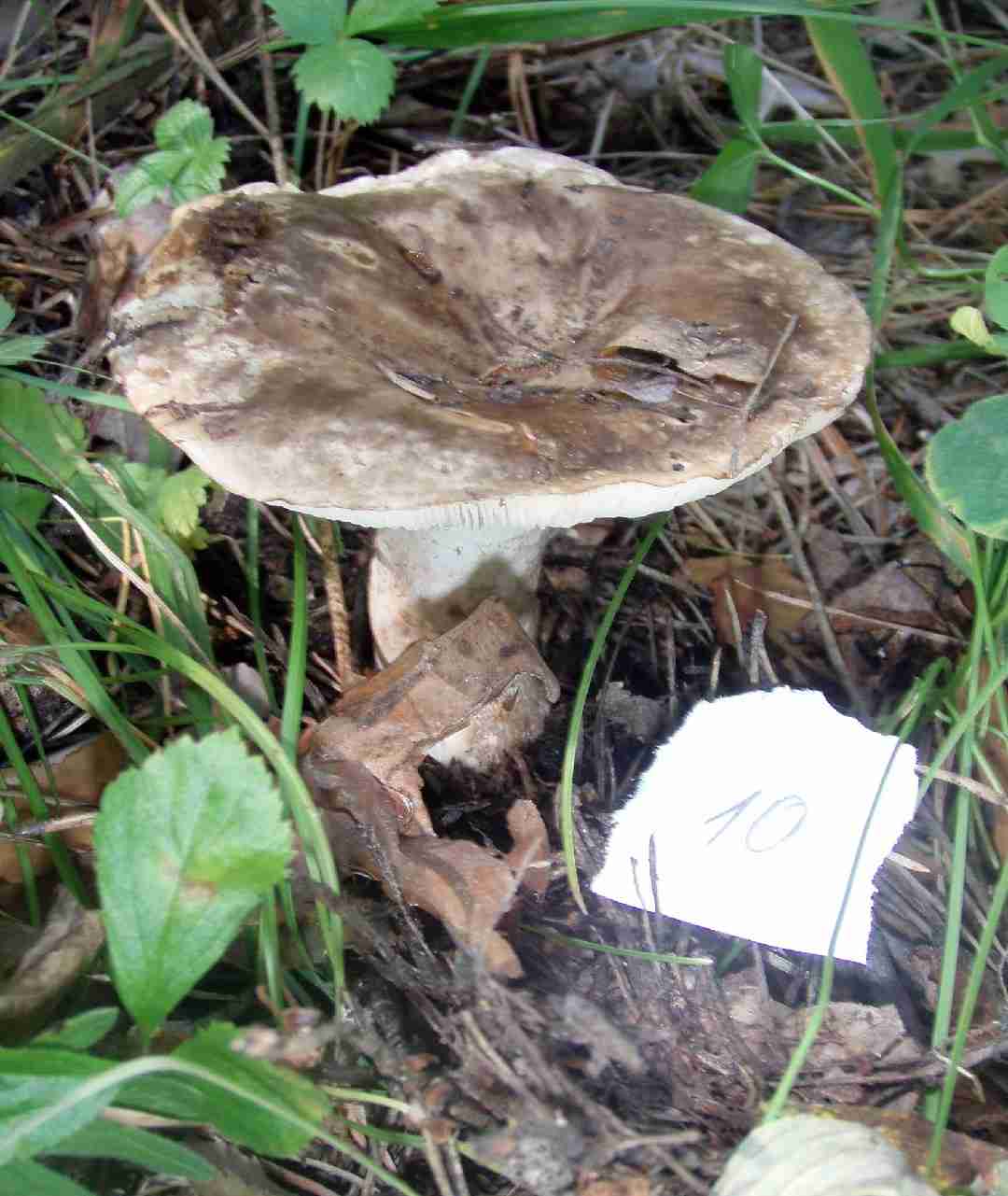
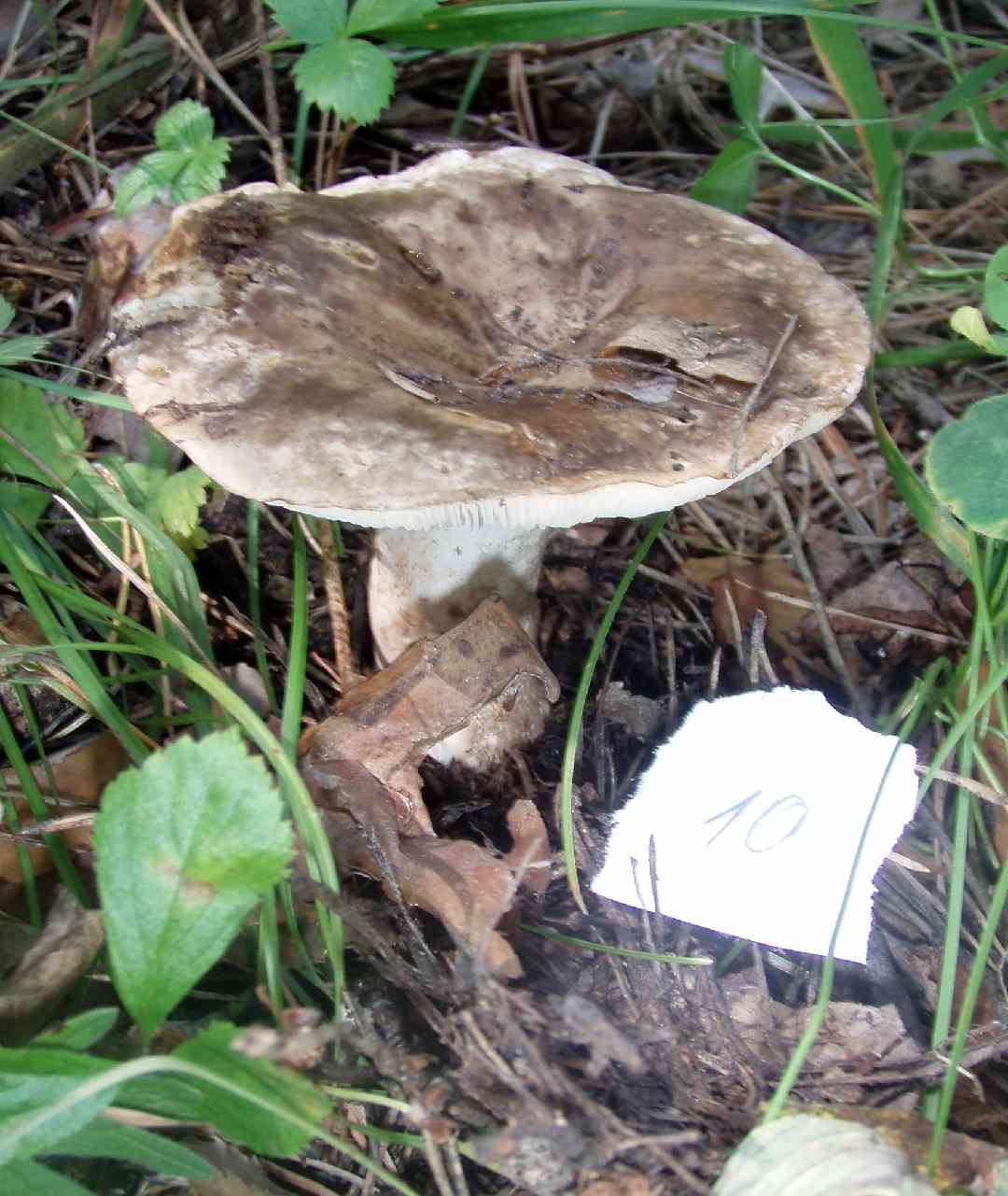
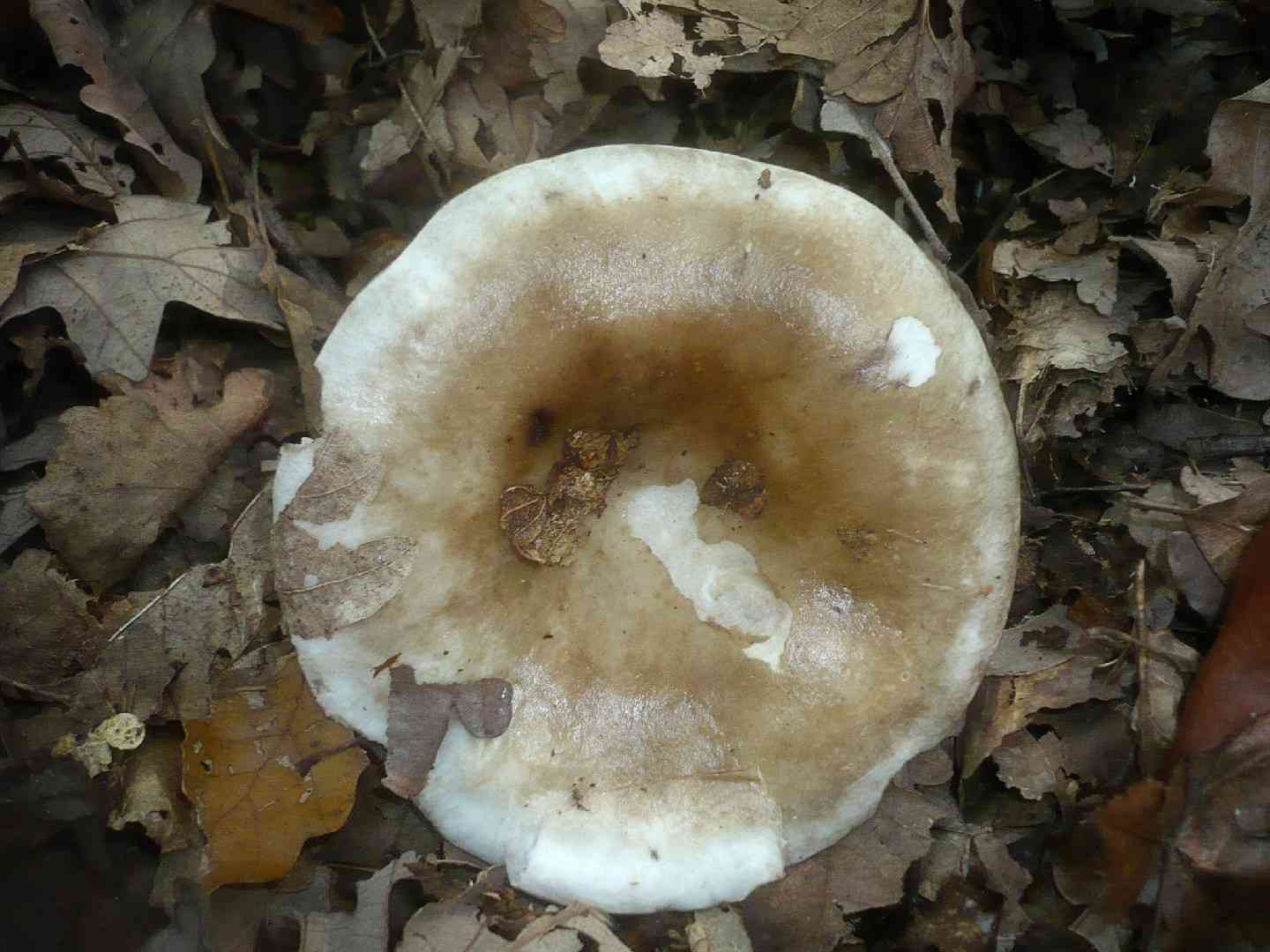
Cap 5 - 20 cm across; grey to blackish-grey; turns red and blackish-gray when injured
Cap Shape
Convex, Flat, Depressed
Cap Surfaces
Smooth, Slimy or slightly sticky
Gills
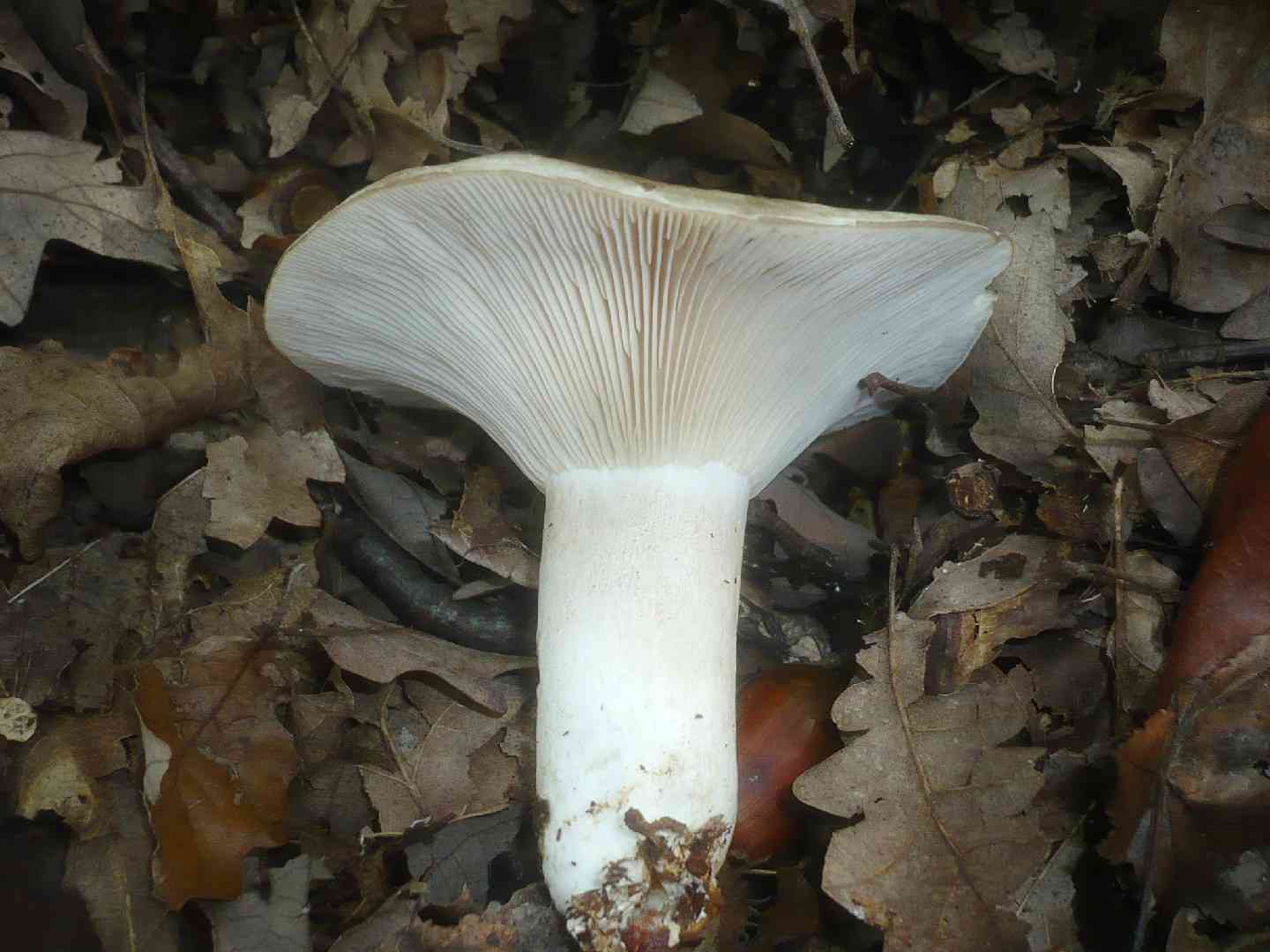
Shortly decurrent; crowded; buff to black
Stem
Stem 2 - 8 cm long, 1 - 4 cm thick; cylindrical; grey to blackish-grey; surface smooth
Stem Shapes
Cylindrical
Flesh
Crumbly but firm; off-white; turns red and black when cut
Ring
Ringless
Spore Print Color
White
Odor
Mildly mushroomy but not distinctive.
Body Color
BlackGray
Flesh Bruises
Discolor to gray or black
Growth Form
Solitary, Scattered
Nutrient Gathering
Mycorrhizal
Substrate
On soil
You can find Hotlips brittlegill by these plants
Pines, Oaks, Spruces, European beech
Species Status
Infrequent
Scientific Classification of Hotlips brittlegill
Phylum
Club fungi
Class
Mushroom-forming fungi
Order
Russulales
Family
Russulaceae
Genus
Russulas
Toxicity and Edibility of Hotlips brittlegill
Is Hotlips brittlegill Toxic?
Toxicity information is not available for this mushroom. Always consult with an expert before consuming any wild mushrooms.

