Cinnabar-red polypore
Pycnoporus cinnabarinus
A species of Cinnabar polypores. Also known as Cinnabar bracket.
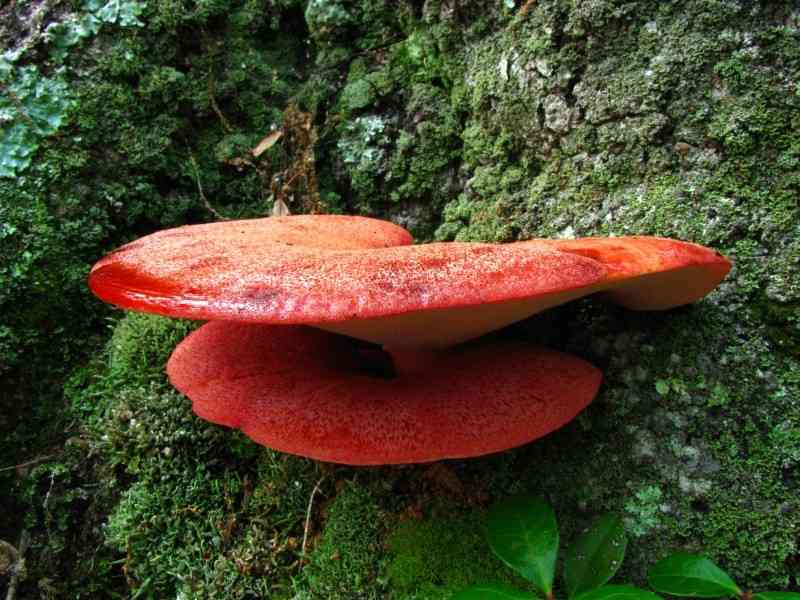
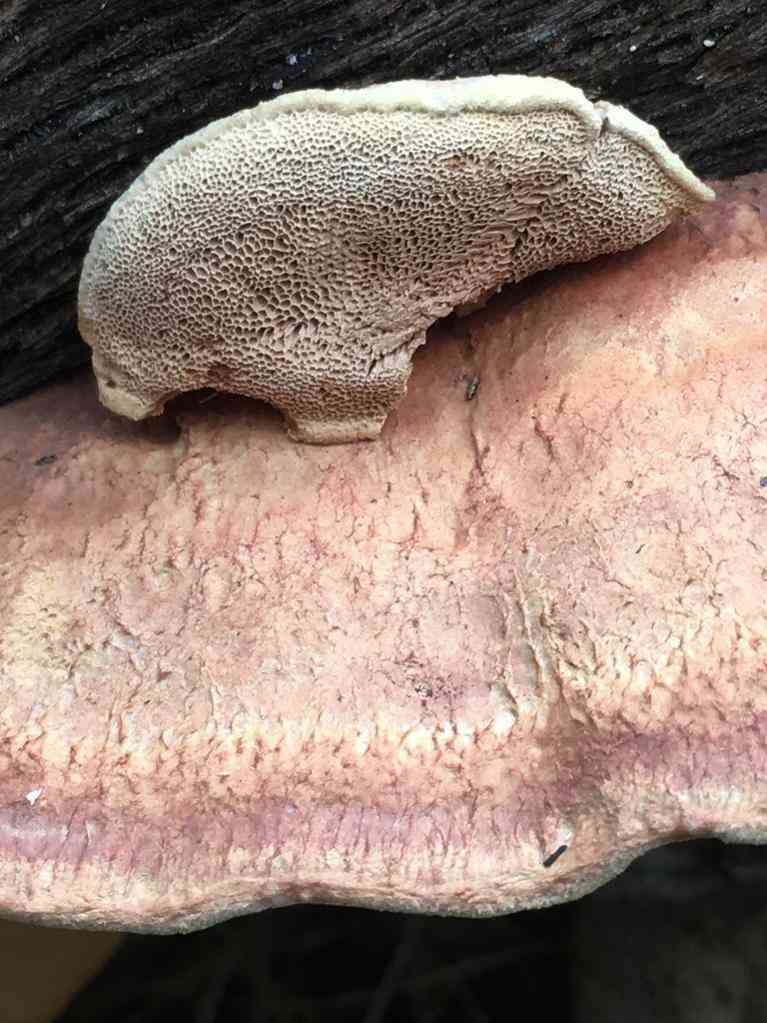
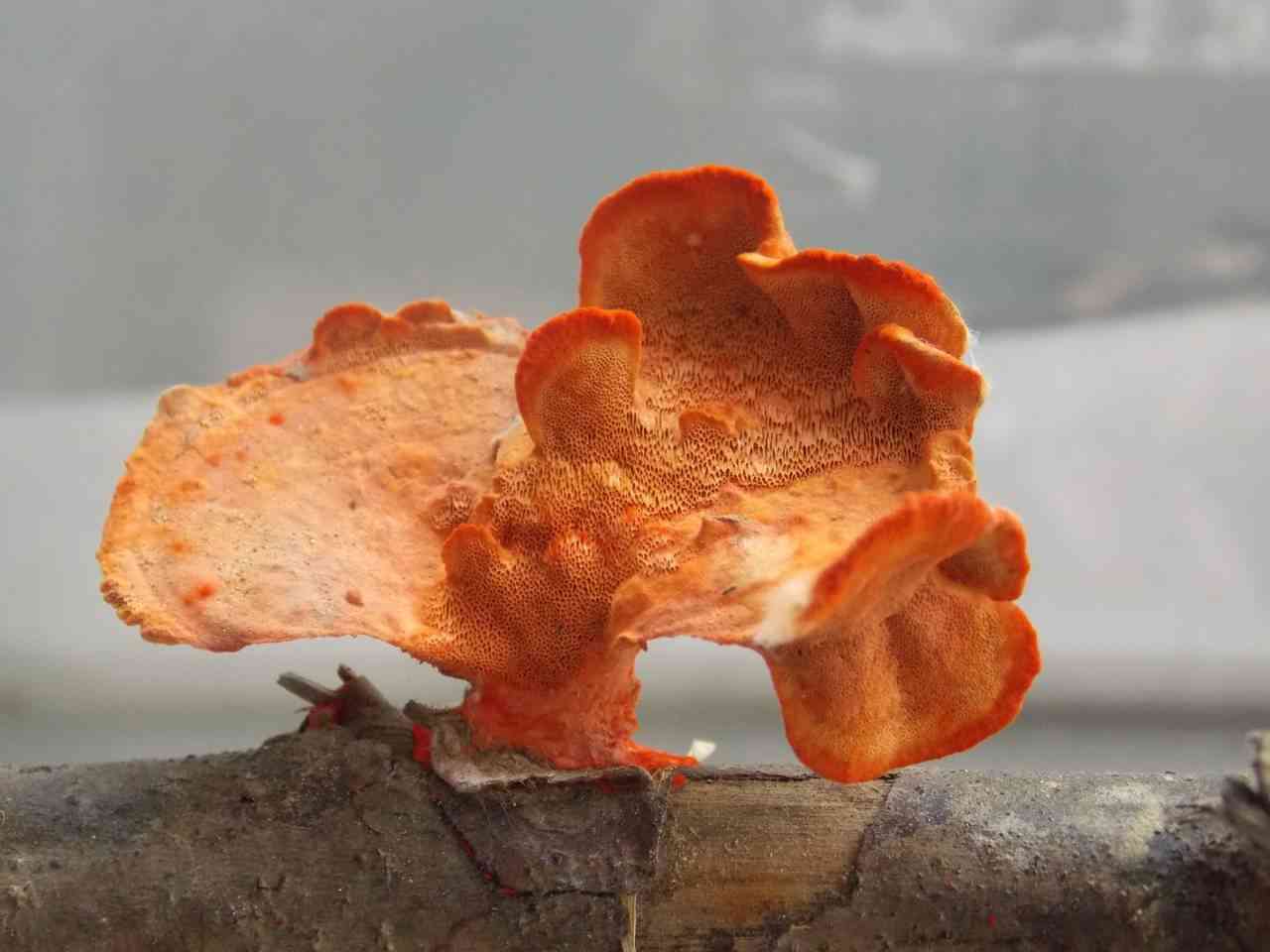
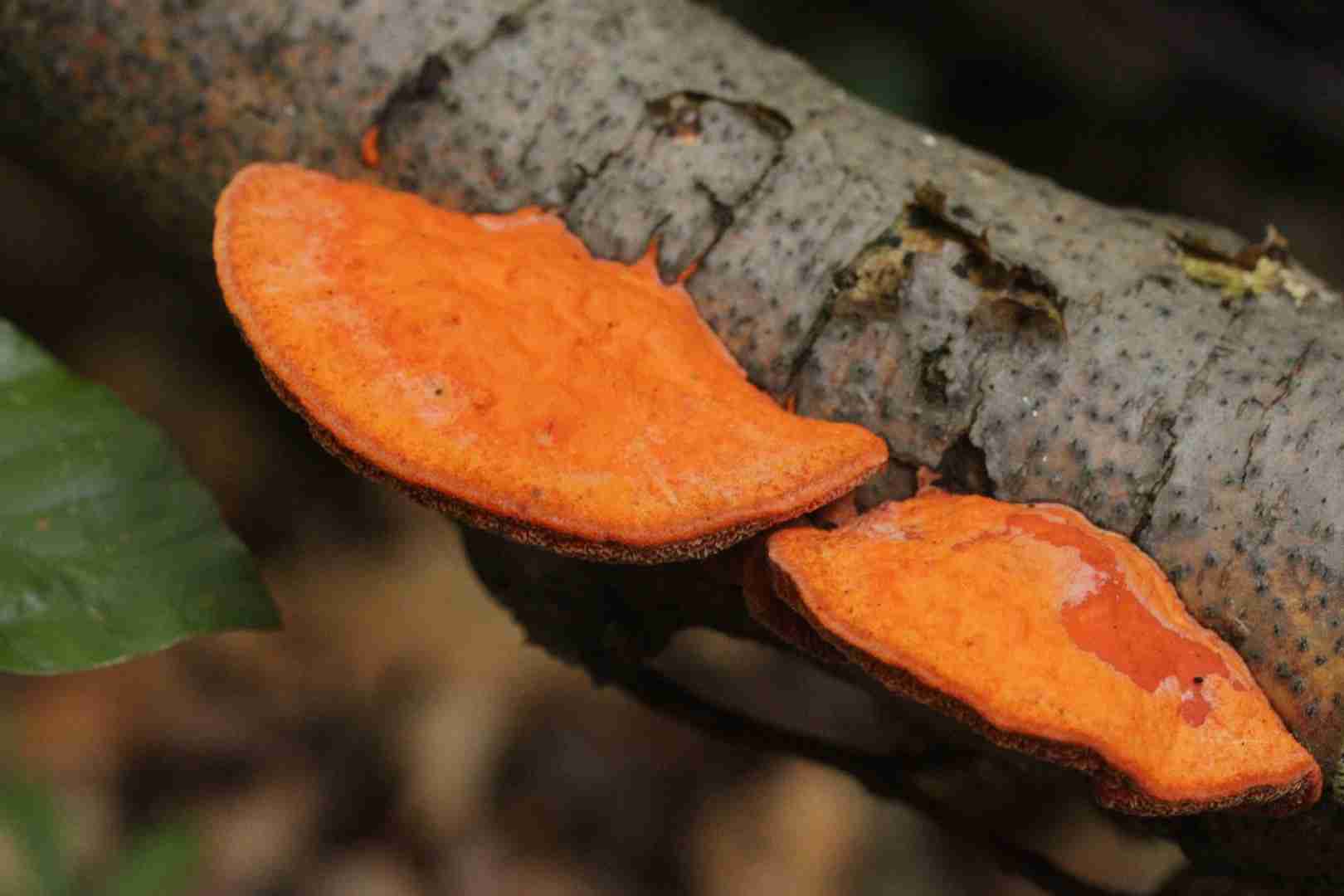
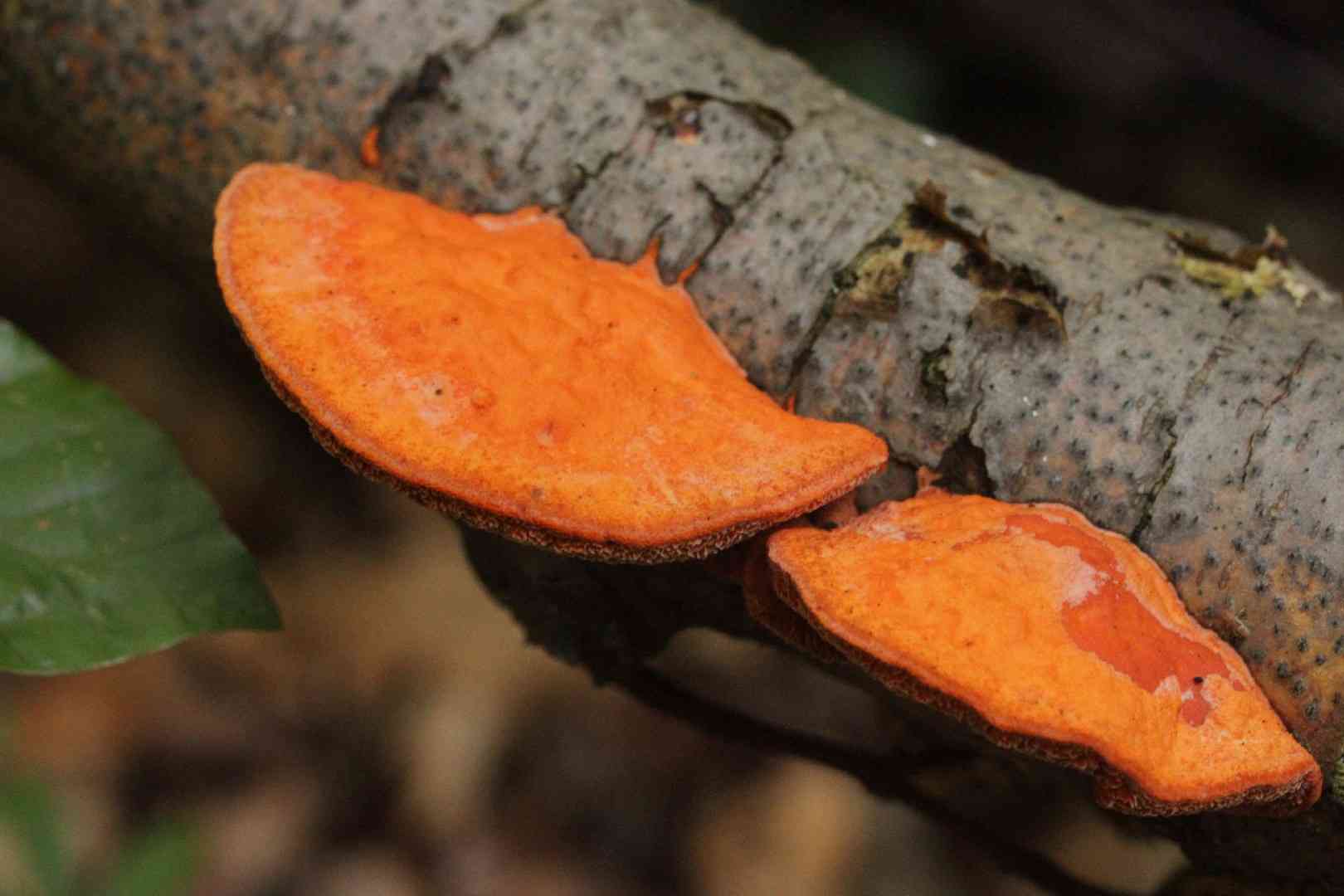
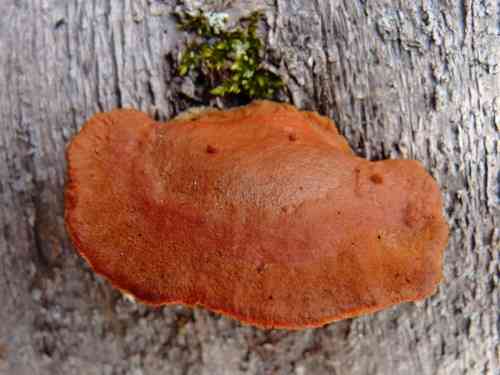
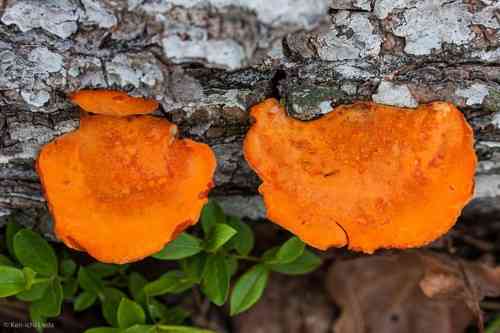
The Pycnoporus cinnabarinus, commonly known as the cinnabar-red polypore, is readily identifiable on thesed deciduous trees it favors due to its distinct red-orange hue, which also lends it its name. Yet, its vibrant coloration diminishes over time; more mature samples often display a lighter orange or even a peach tone. Irrespective of its age, this particular species is deemed unsuitable for consumption.
In This Article
Attributes of Cinnabar-red polypore
Cap Diameter
1.5 - 3 cm
Height
2 - 12 cm
Cap
Cap 1.5 - 3 cm across; semicircular to kidney-shaped; orange; nearly smooth
Stem
Absent
Flesh
Tough; reddish to pale orange
Spore Print Color
White
Odor
Mildly fragrant or often not distinctive.
Body Color
RedOrange
Flesh Bruises
The flesh or milk does not discolor when bruised or cut.
Growth Form
Scattered, Gregarious
Nutrient Gathering
Saprophytic
Substrate
Dead Woods
You can find Cinnabar-red polypore by these plants
Gambel Oak, Sorbus
Occurence Habitats
Deciduous Woodland
Species Status
Widely distributed
Endangered Species
No
Scientific Classification of Cinnabar-red polypore
Phylum
Club fungi
Class
Mushroom-forming fungi
Order
Shelf fungi
Family
Polyporaceae
Genus
Cinnabar polypores
Toxicity and Edibility of Cinnabar-red polypore
Is Cinnabar-red polypore Toxic?
Toxicity information is not available for this mushroom. Always consult with an expert before consuming any wild mushrooms.