Pulveroboletus curtisii
Pulveroboletus curtisii
A species of Pulveroboletus.
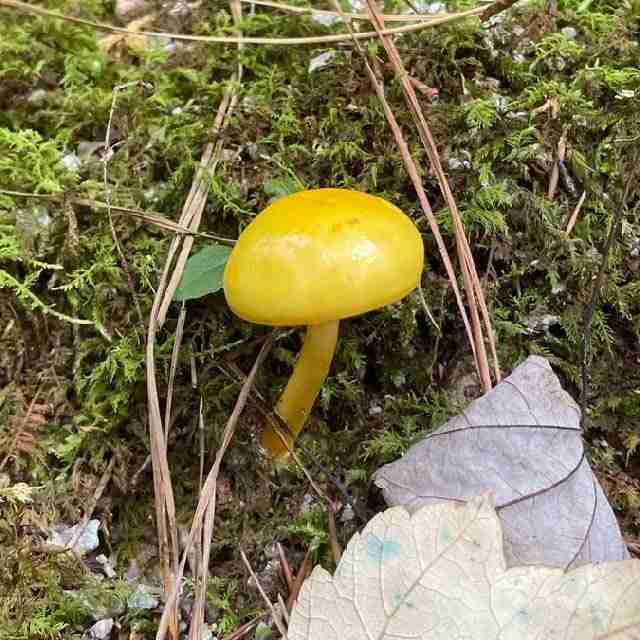
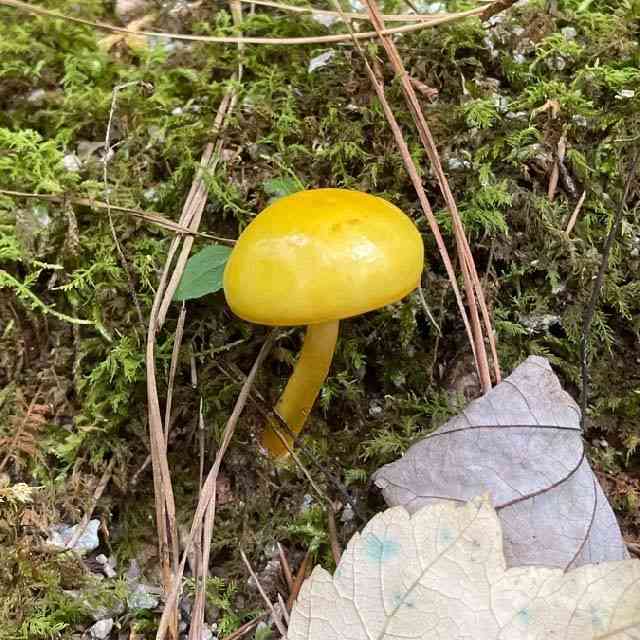
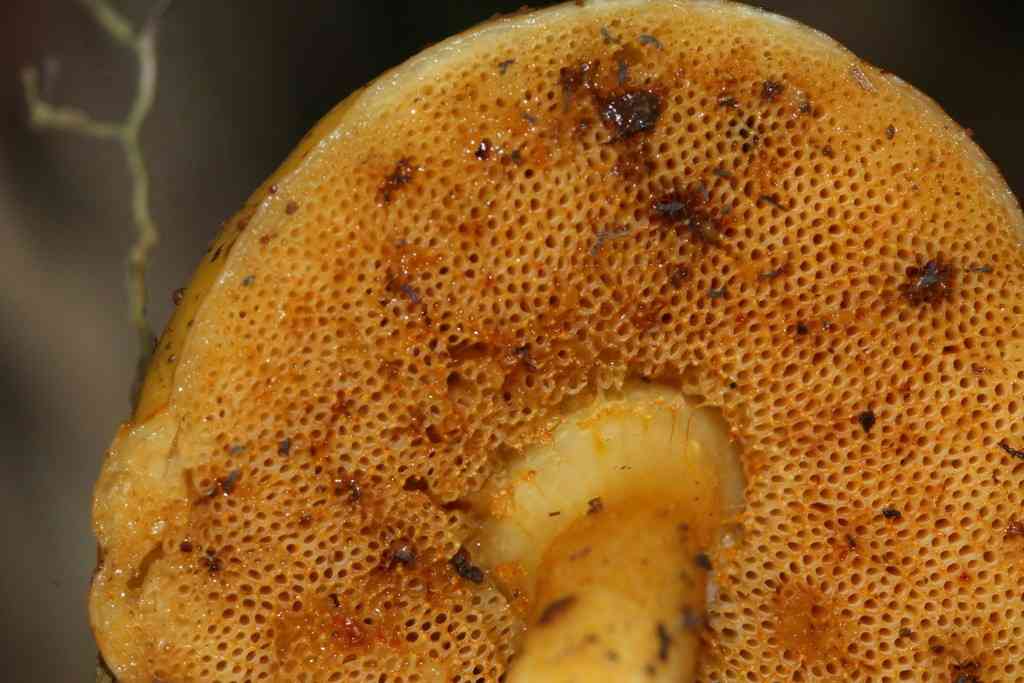
While Pulveroboletus curtisii might initially be mistaken for a Suillus mushroom, it is, in fact, a type of bolete. Its notably slimy cap is the sole feature it shares with Suillus species. This mushroom forms a mycorrhizal association, indicating it engages in a symbiotic partnership with trees.
In This Article
Attributes of Pulveroboletus curtisii
Cap Diameter
3 - 9 cm
Height
6 - 12 cm
Cap
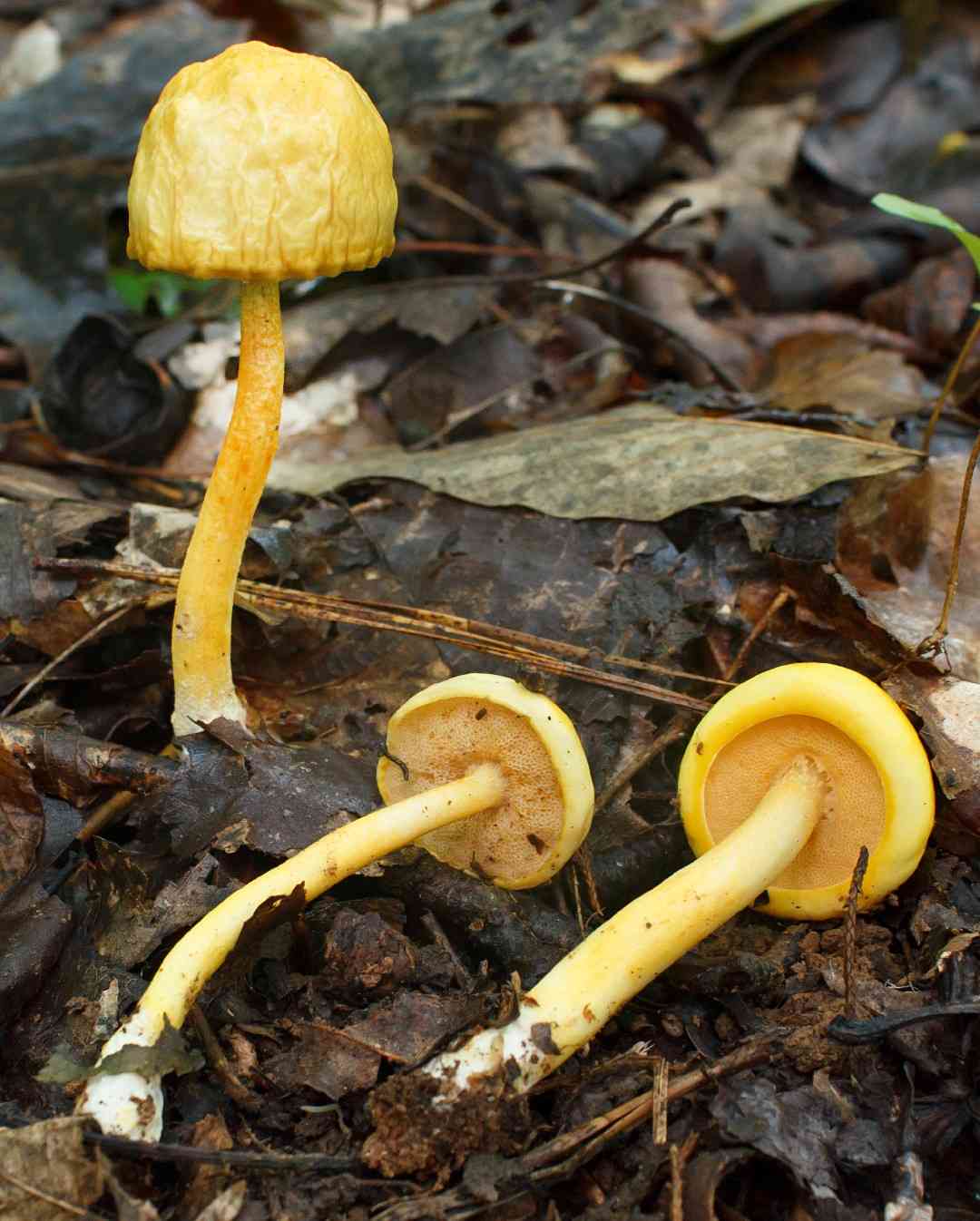
Cap 3 - 9 cm across; convex, nearly flat; yellow; margin with a pale, overhanging portion
Stem
Stem 6 - 12 cm long, 5 - 15 mm thick; yellow; with tiny fibers near the apex
Flesh
Whitish; not staining on exposure
Spore Print Color
Olive brown
Odor
Mildly mushroomy but not distinctive.
Body Color
YellowWhiteOrange
Flesh Bruises
The flesh or milk does not discolor when bruised or cut.
Growth Form
Solitary, Scattered, Gregarious
Nutrient Gathering
Mycorrhizal
Substrate
On soil
You can find Pulveroboletus curtisii by these plants
Overcup oak
Species Status
Limited to eastern and southern North America.
Scientific Classification of Pulveroboletus curtisii
Phylum
Club fungi
Class
Mushroom-forming fungi
Order
Boletes and allies
Family
Boletes
Genus
Pulveroboletus
Toxicity and Edibility of Pulveroboletus curtisii
Is Pulveroboletus curtisii Toxic?
Toxicity information is not available for this mushroom. Always consult with an expert before consuming any wild mushrooms.

