Mexican hallucinogenic mushroom
Psilocybe mexicana
A species of Psilocybe.
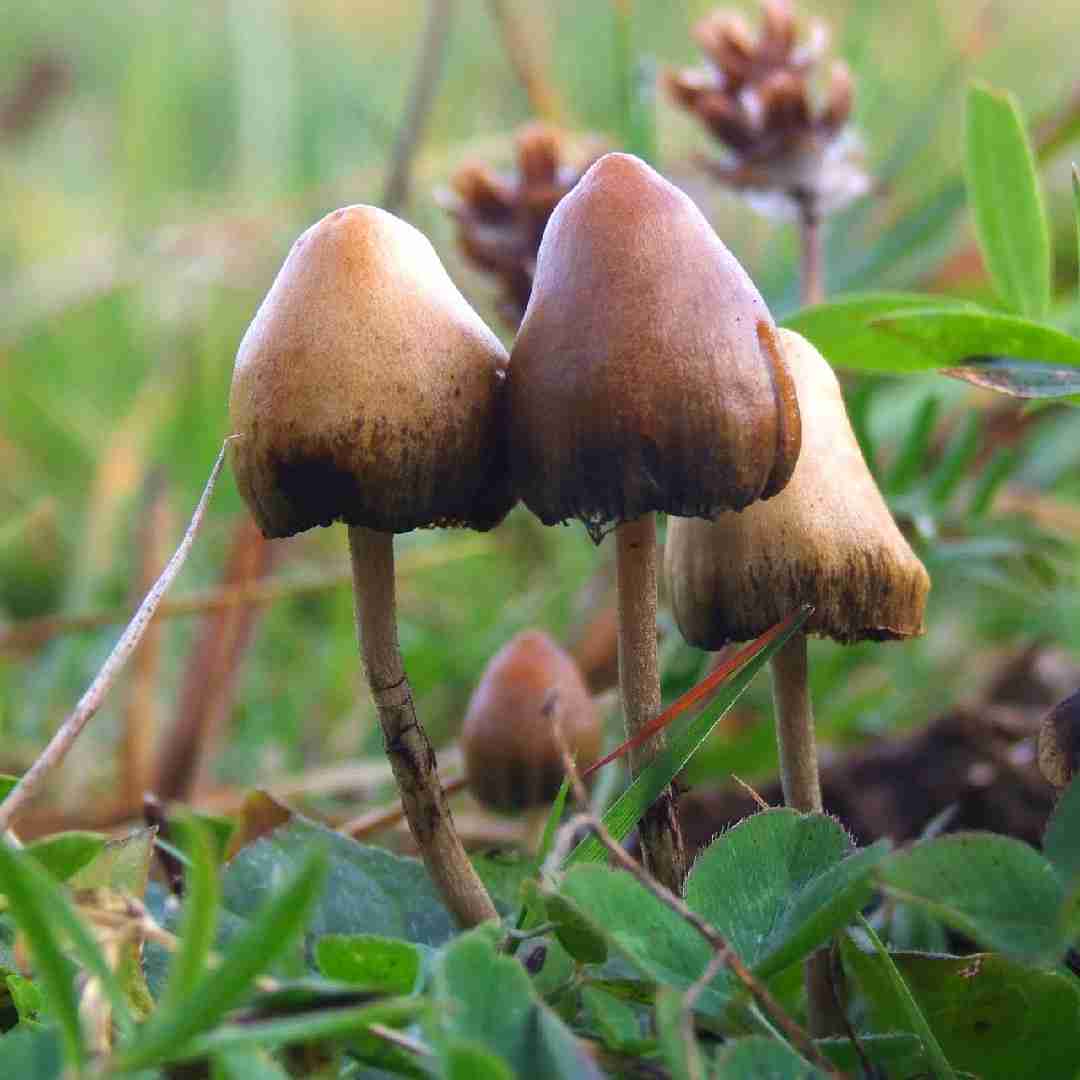
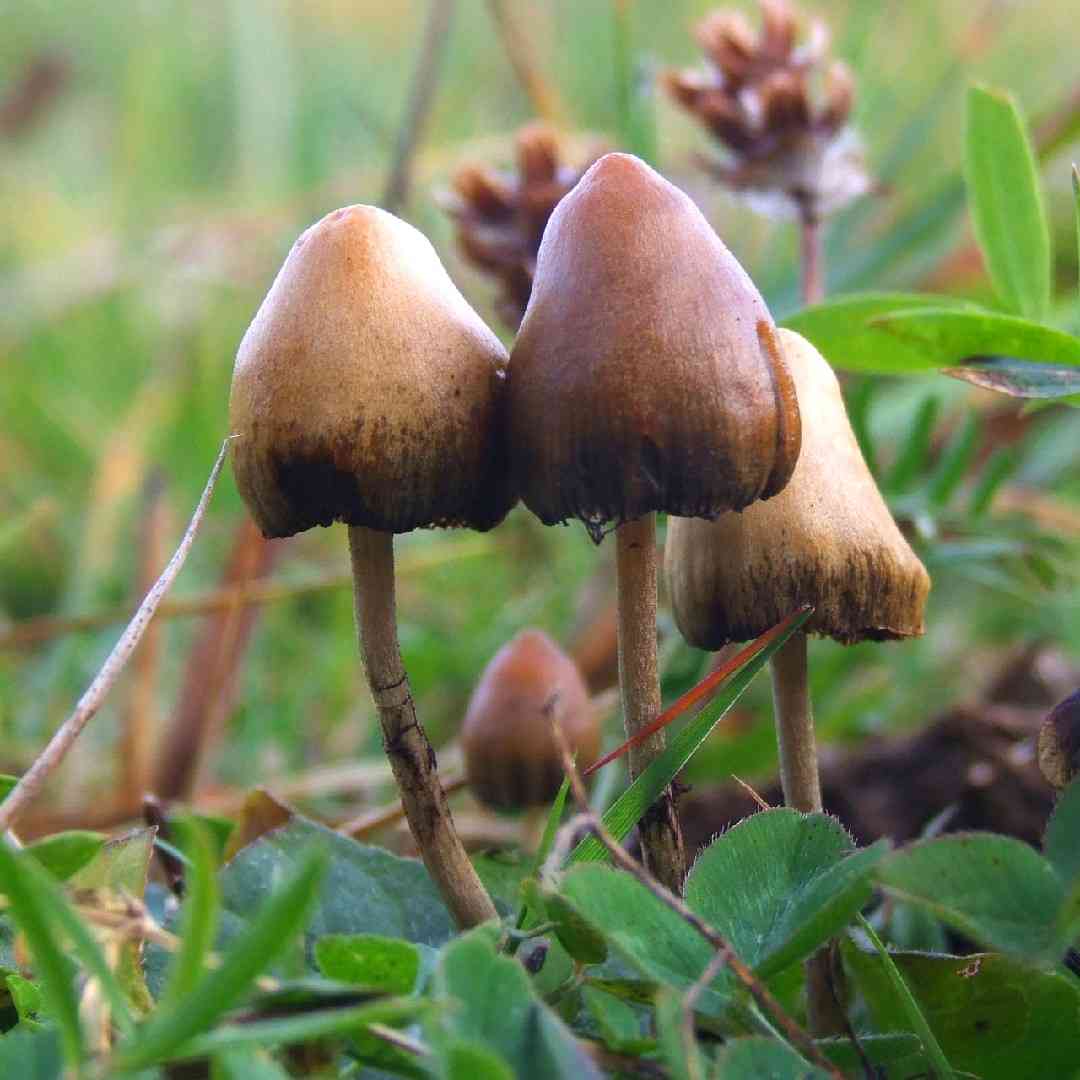
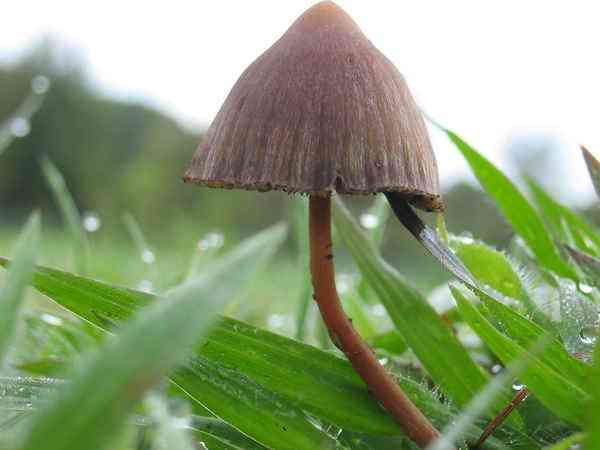
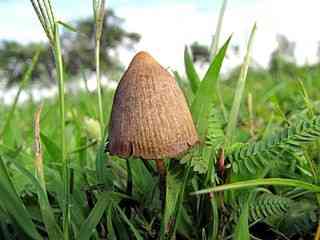
For more than two millennia, the Psilocybe mexicana, a hallucinogenic mushroom native to Mexico, has been recognized by humans. The Aztecs referred to it as teonanácatl, which translates to god-mushroom. This species is characterized by its beige caps, which acquire blue discoloration when bruised, and it typically thrives in elevated environments.
In This Article
Attributes of Mexican hallucinogenic mushroom
Cap Diameter
1 - 3 cm
Height
2 - 5 cm
Cap
Cap 5 - 30 mm in diameter; conic, campanulate, subumbonate; ocherous, brown, beige; easily turning blue when injured
Cap Shape
Central Bump
Cap Surfaces
Fibrillose-scaly, Visible lines or stripes
Gills
Adnate or adnexed; gray to purple-brown with whitish edges
Gill Attachment
Notched
Stem
4 - 13 cm tall x 1 - 3 mm thick; equal, hollow; brownish, reddish-brown; dark when injured
Stem Shapes
Club Shaped
Ring
Ringless
Spore Print Color
Dark purple-brown
Odor
Mildly mushroomy but not distinctive.
Body Color
BrownGreenYellowGrayBlue
Flesh Bruises
The flesh or milk does not discolor when bruised or cut.
Growth Form
Solitary, Scattered, Gregarious
Nutrient Gathering
Saprophytic
Scientific Classification of Mexican hallucinogenic mushroom
Phylum
Club fungi
Class
Mushroom-forming fungi
Order
Gilled fungi
Family
Hymenogastraceae
Genus
Psilocybe
Toxicity and Edibility of Mexican hallucinogenic mushroom
Is Mexican hallucinogenic mushroom Toxic?
Toxicity information is not available for this mushroom. Always consult with an expert before consuming any wild mushrooms.

