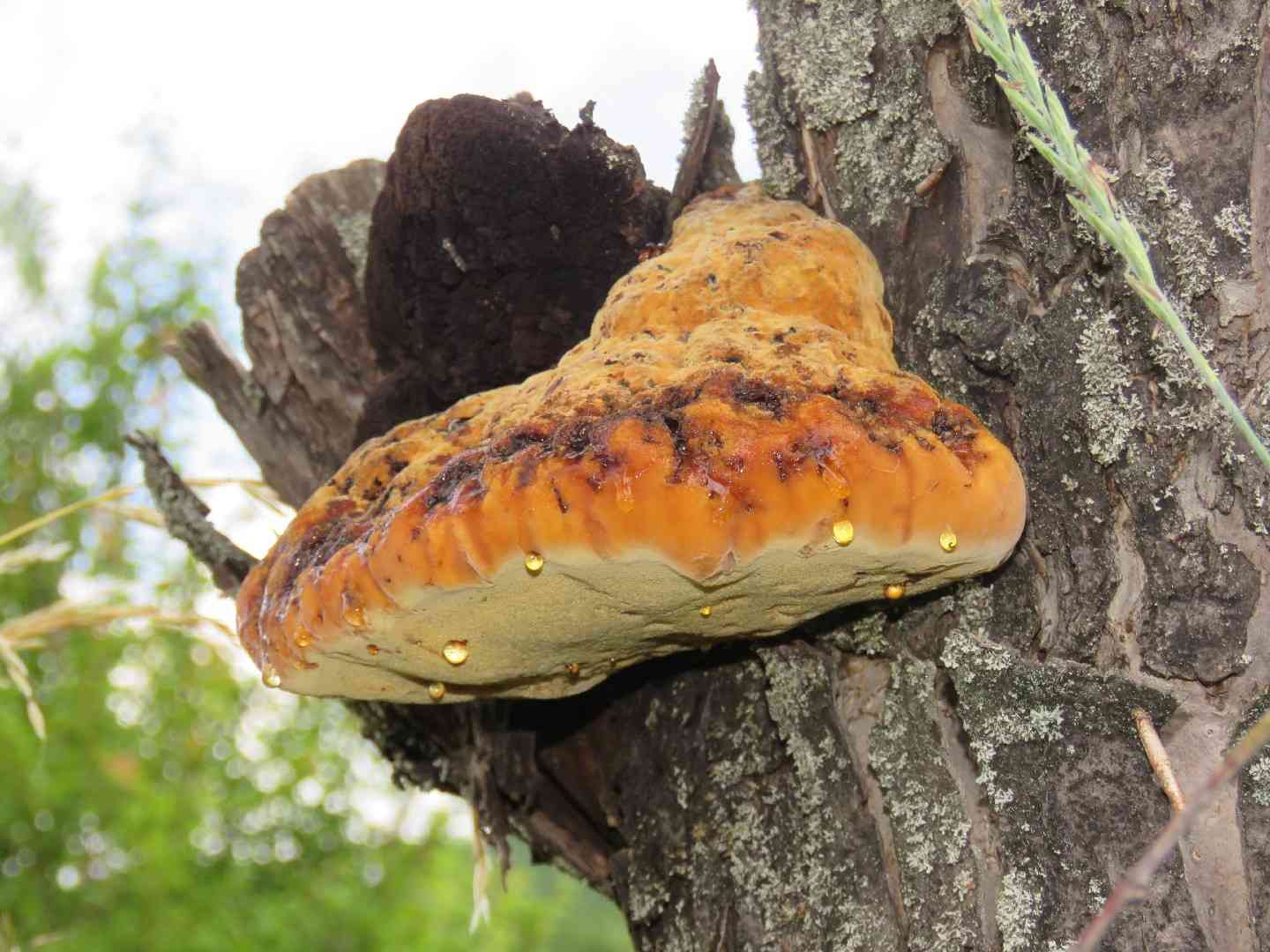
Oak bracket
Pseudoinonotus dryadeus
A species of Pseudoinonotus. Also known as Weeping polypore.
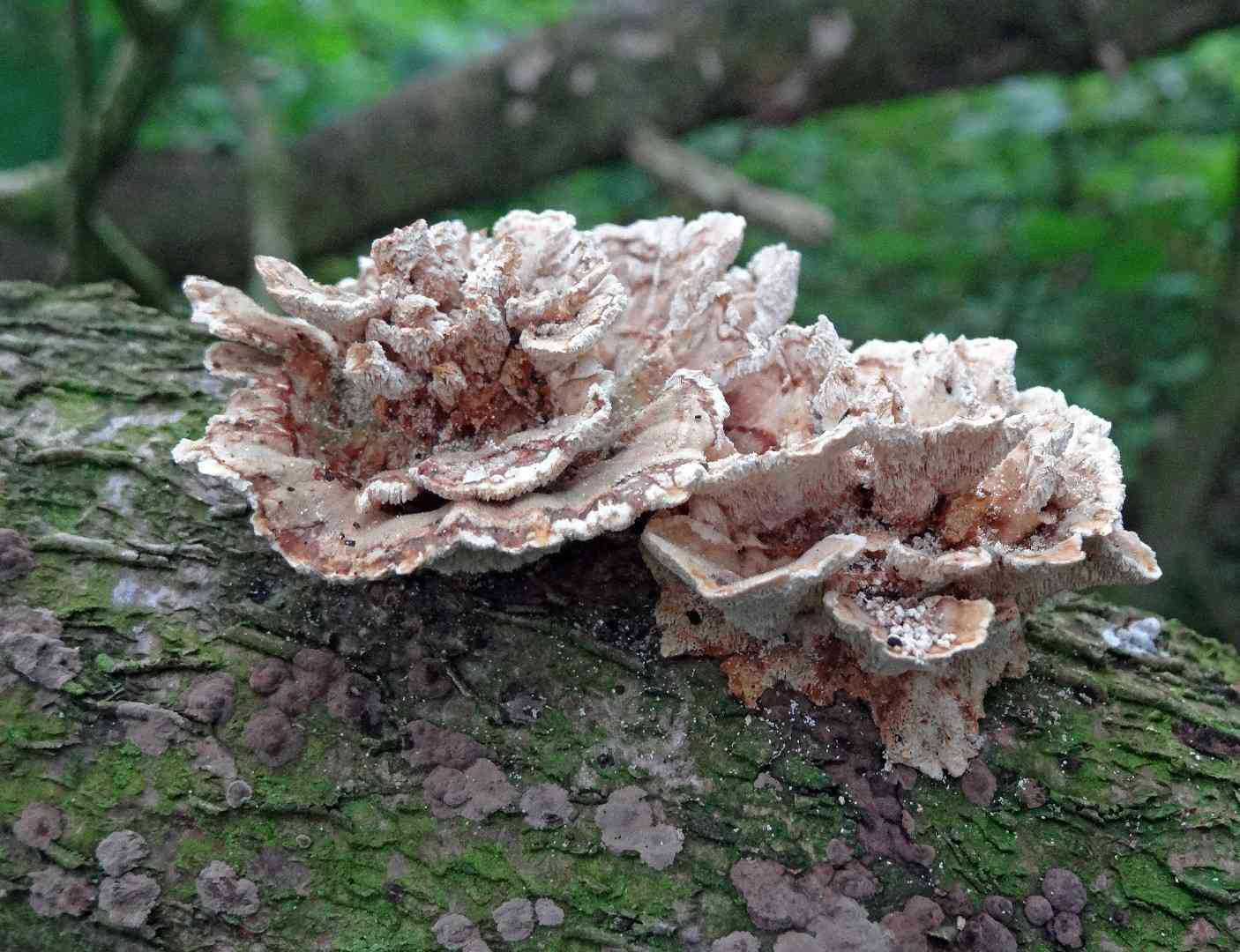
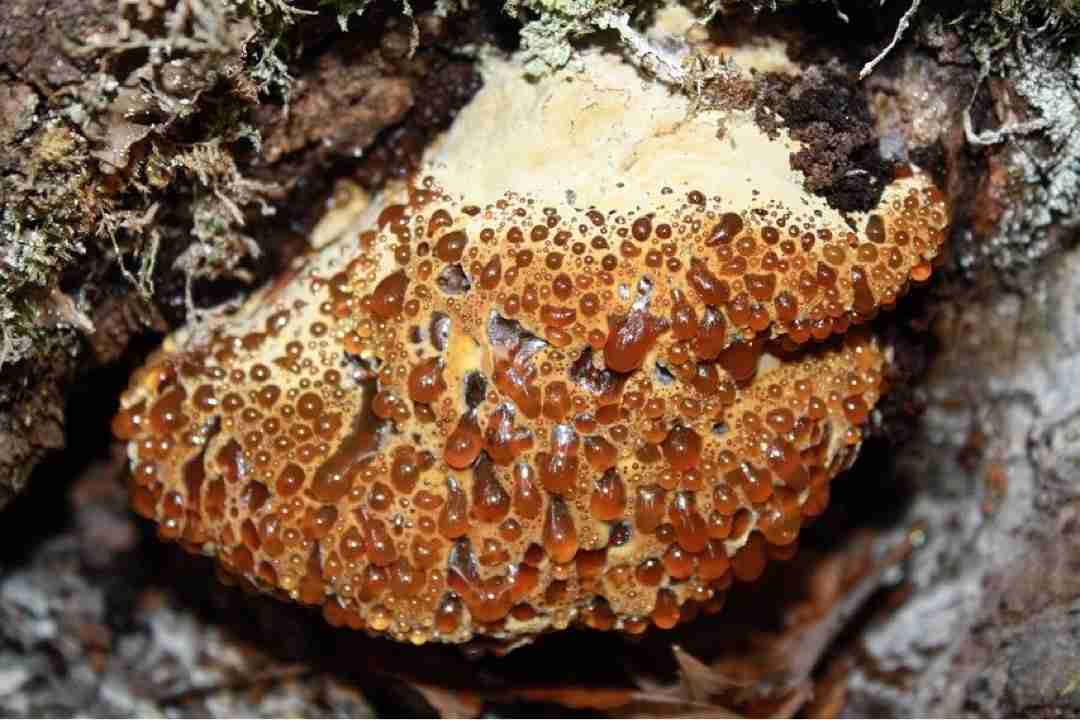
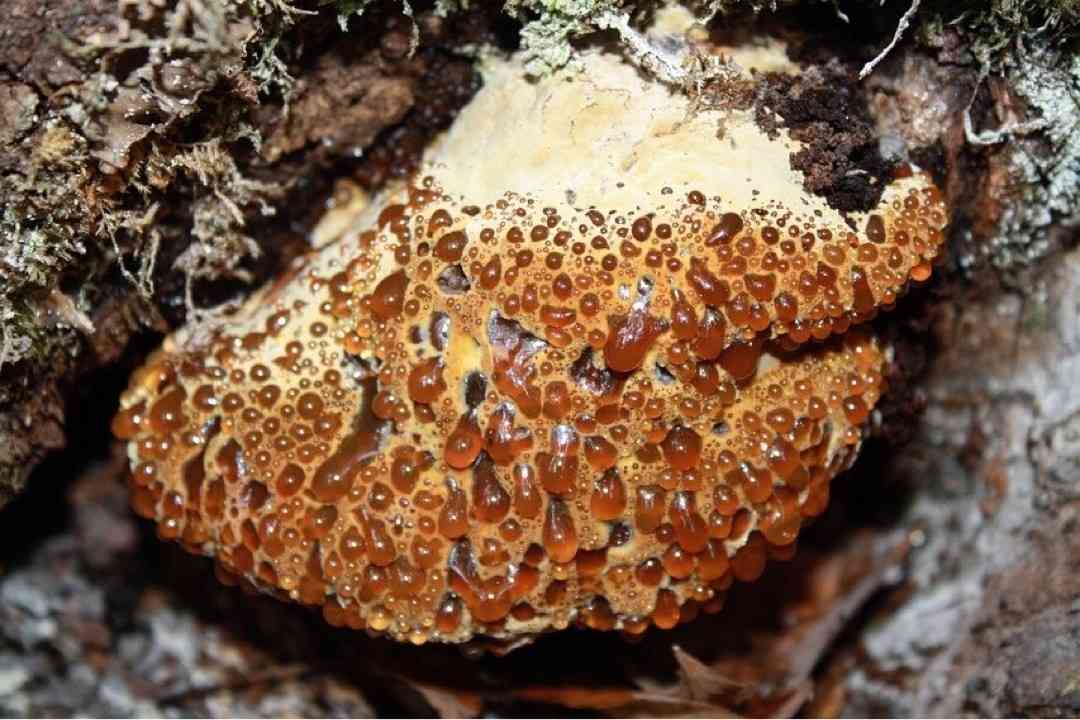
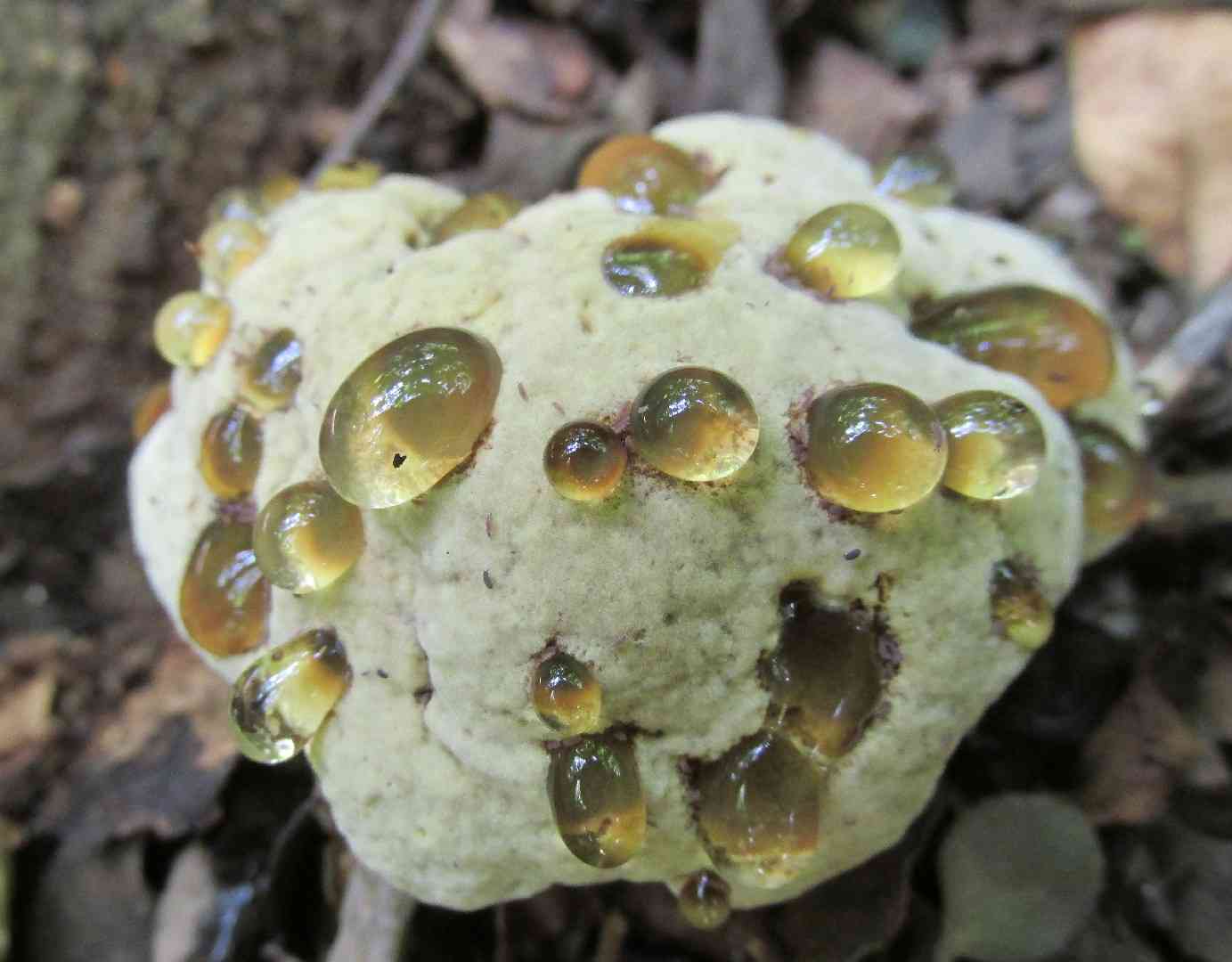
The oak bracket, scientifically known as Pseudoinonotus dryadeus, is a sizable fungal growth that infests both live and recently dead oak trees. A notable feature of this species is the amber liquid it secretes, which can look quite like honey. When it reaches full maturity, this fungus has the capacity to encircle an entire oak tree. It is generally considered unsuitable for consumption.
In This Article
Attributes of Oak bracket
Cap Diameter
7 - 32 cm
Height
5 - 30 cm
Cap
Cap 40 cm across; irregularly shaped; buff to darker brown; whitish or paler margin
Cap Surfaces
Smooth, Velvety
Flesh
Soft, fibrous; yellow-brown
Spore Print Color
White
Odor
Slightly acidic, mature specimens have strong odor.
Body Color
BrownCream
Flesh Bruises
The flesh or milk does not discolor when bruised or cut.
Growth Form
Solitary, Clustered
Nutrient Gathering
Parasitic
Substrate
On wood
You can find Oak bracket by these plants
Northern red oak, White oak, Oaks, English oak
Species Status
Rare in northern Britain, fairly common in Wales and southern England.
Endangered Species
No
Scientific Classification of Oak bracket
Phylum
Club fungi
Class
Mushroom-forming fungi
Order
Hymenochaetales
Family
Hymenochaetaceae
Genus
Pseudoinonotus
Toxicity and Edibility of Oak bracket
Is Oak bracket Toxic?
Toxicity information is not available for this mushroom. Always consult with an expert before consuming any wild mushrooms.