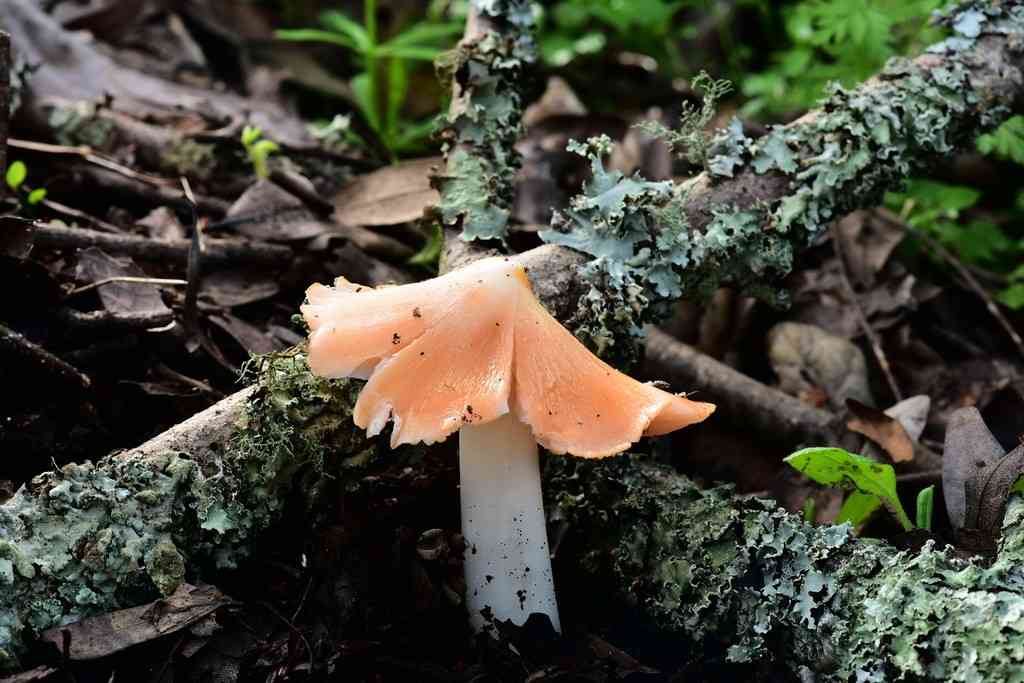
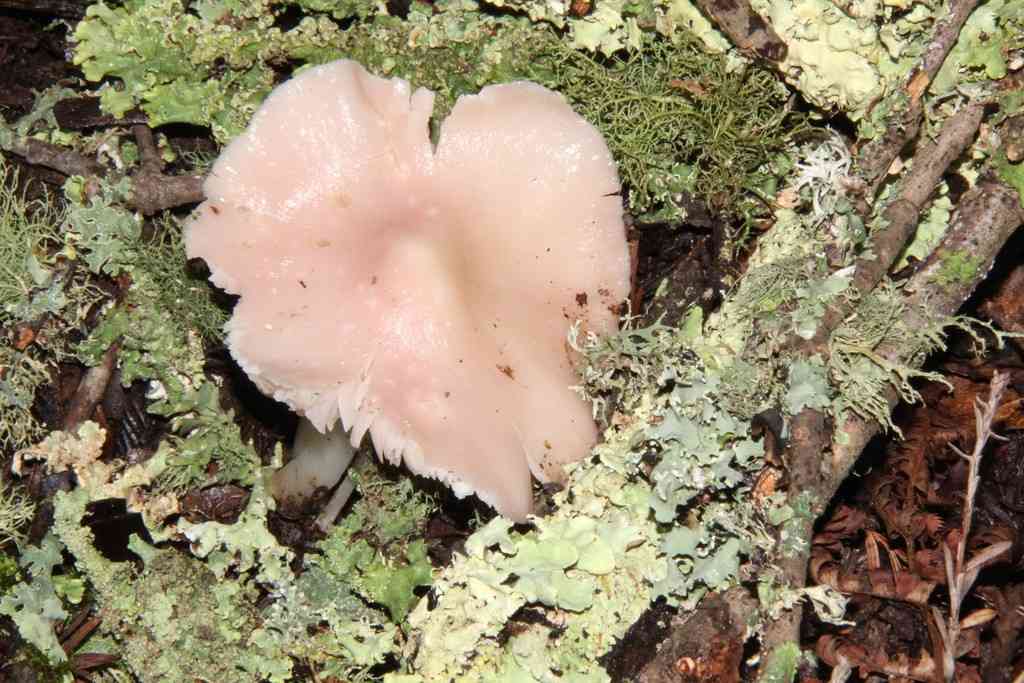
Pink waxcap
Porpolomopsis calyptriformis
A species of Porpolomopsis.
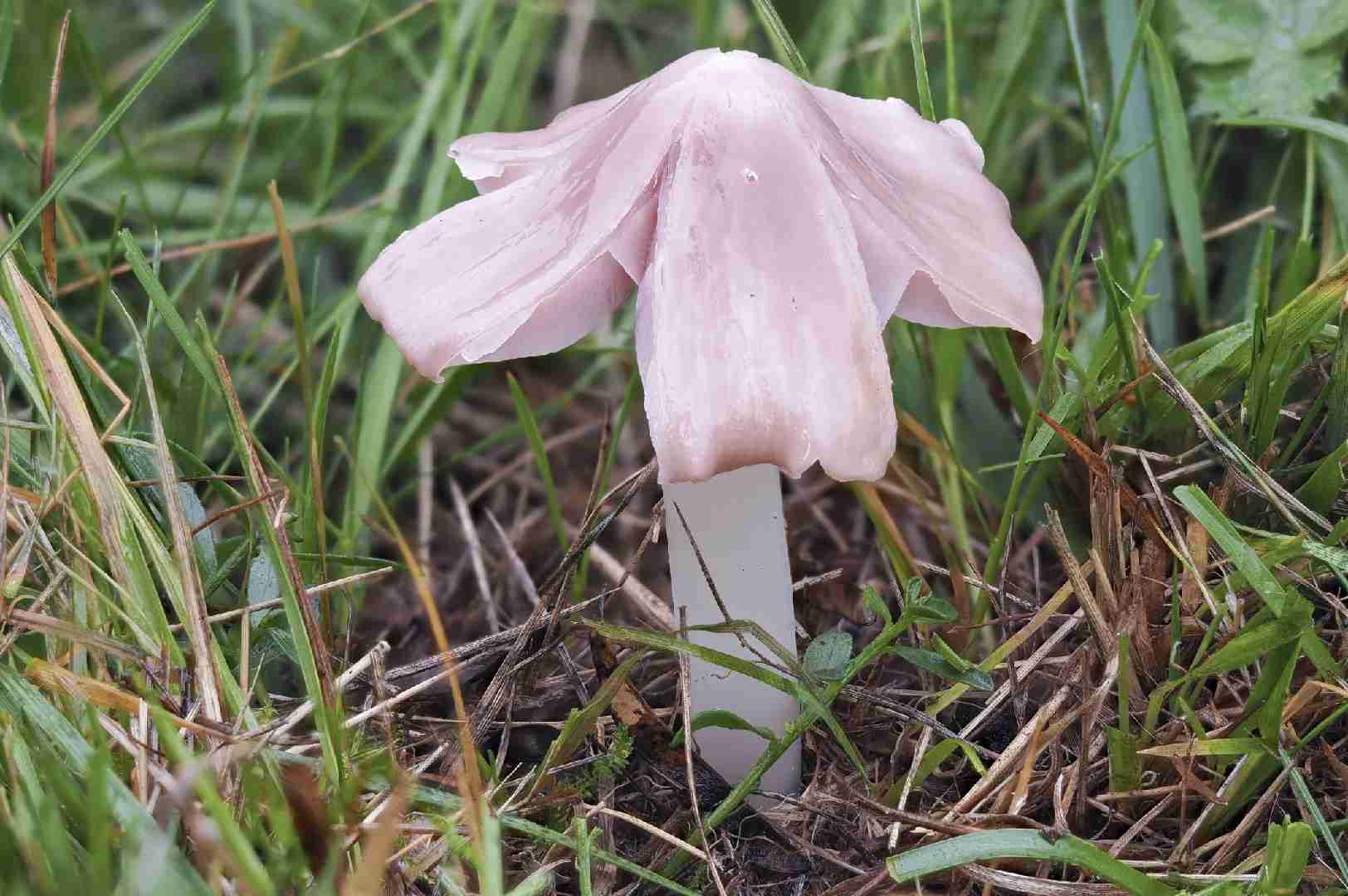
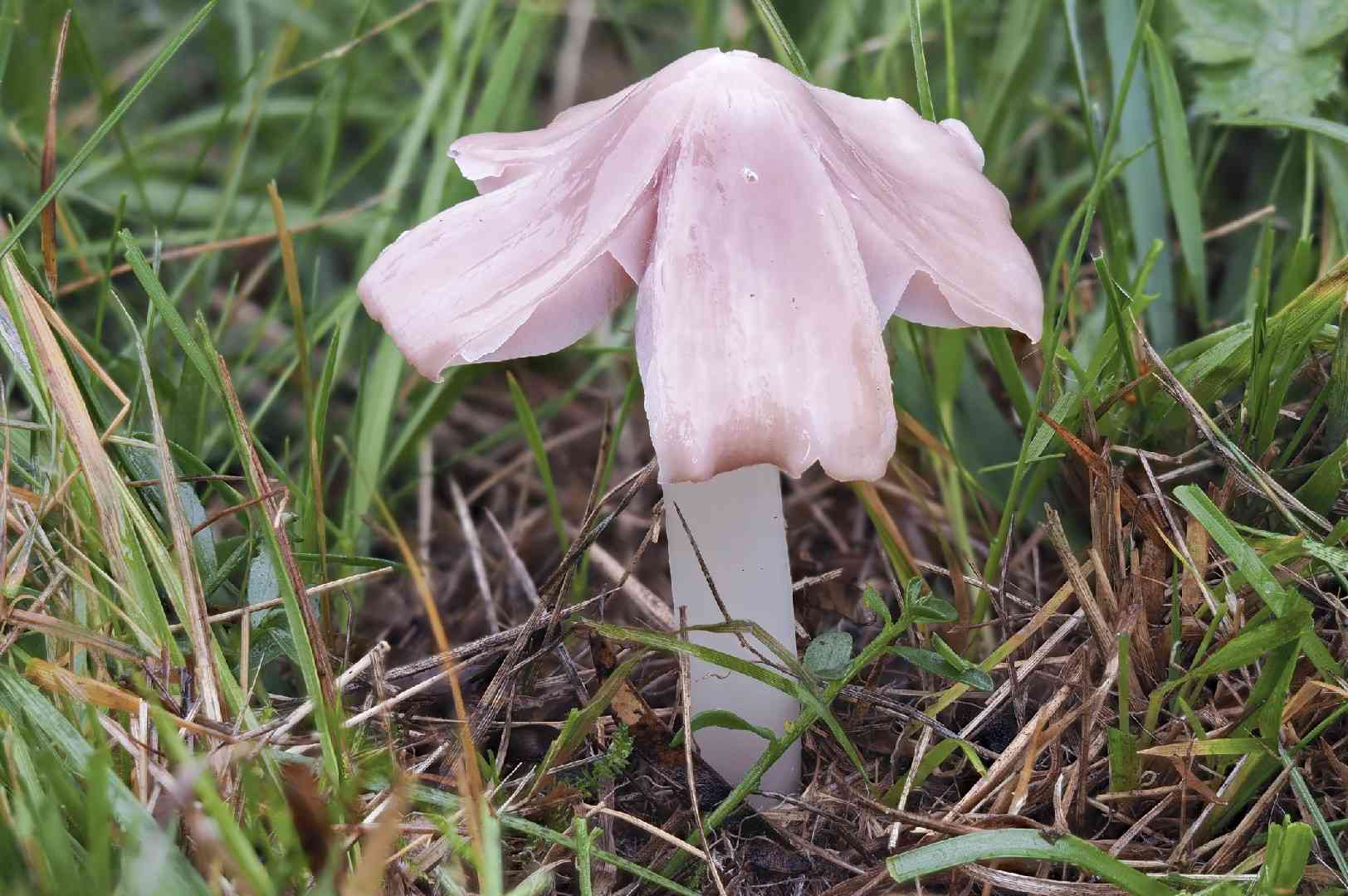
The beautiful, delicate pink waxcap mushroom, noted for its lovely rosy pink shade in its youth, is a common sight in European cities and parts of North America. However, its numbers are dwindling, and it is now listed as vulnerable on the Red List.
In This Article
Attributes of Pink waxcap
Cap Diameter
2 - 6 cm
Height
1 - 13 cm
Cap
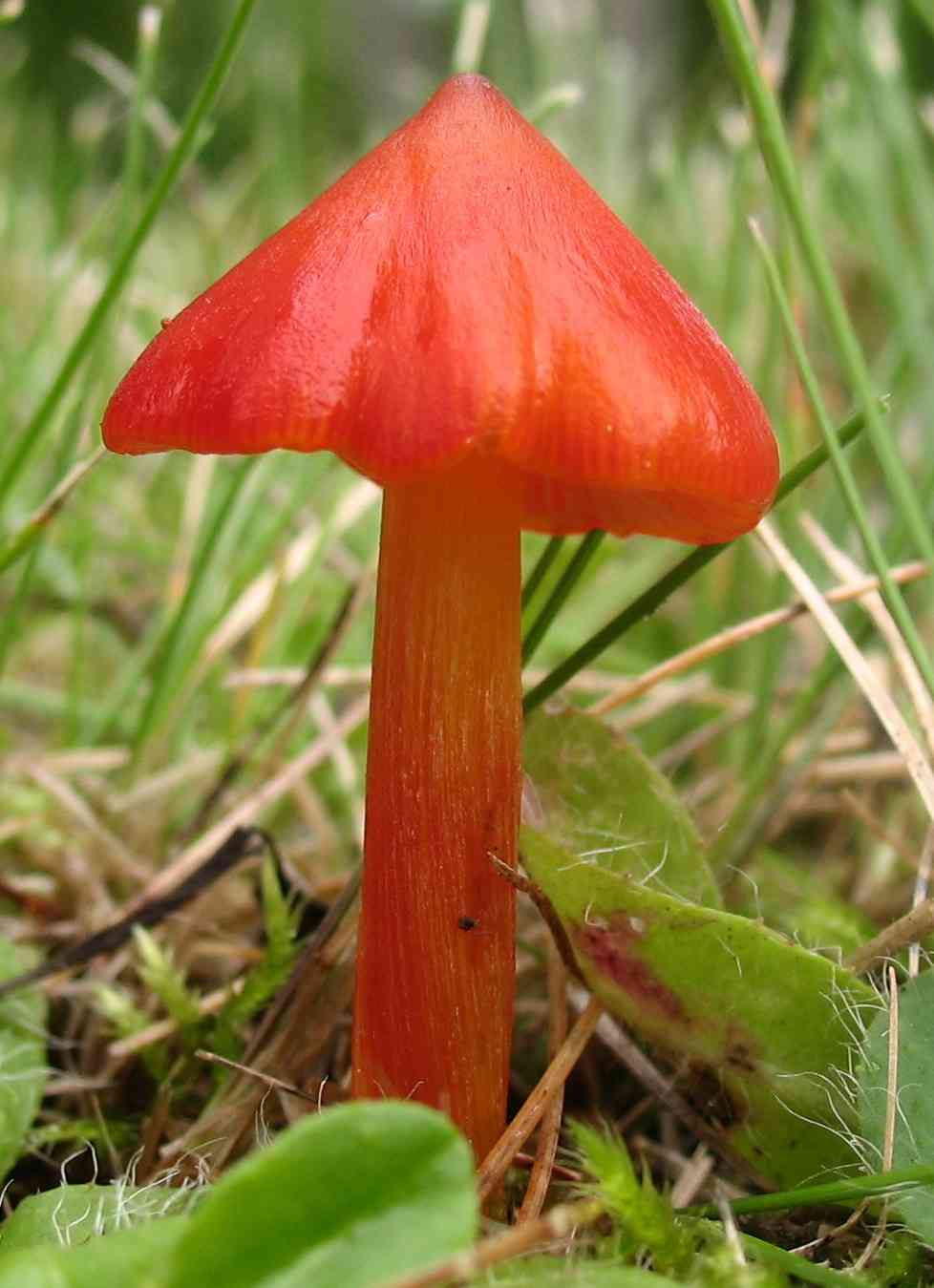
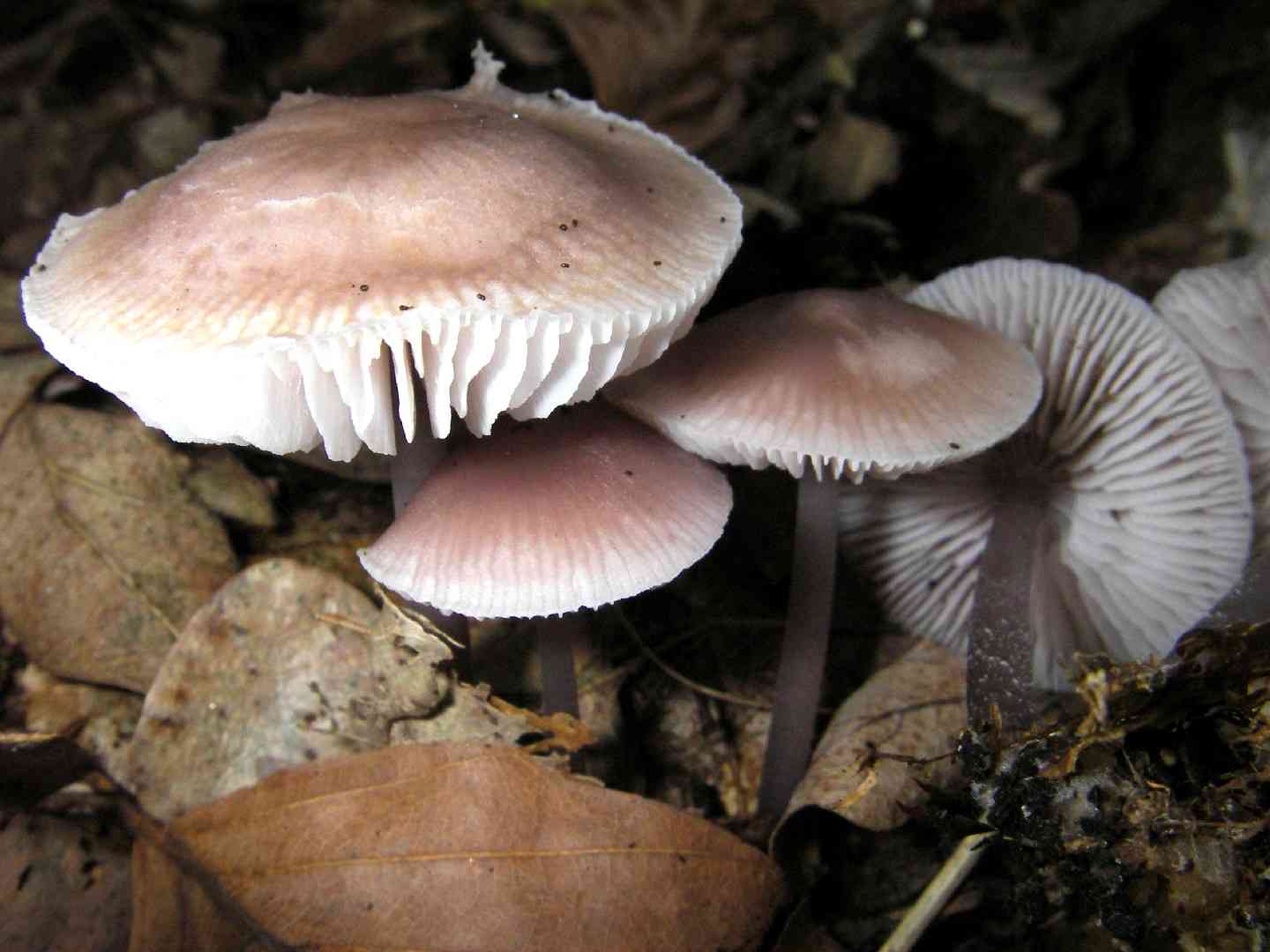
Cap up to 8 cm across; narrowly conical; rose-pink to lilac-pink; smooth to fibrillose, slightly shiny or greasy; margins turning upwards
Cap Shape
Bell-shaped, Convex
Cap Surfaces
Fibrillose-scaly, Slimy or slightly sticky
Gills
Widely spaced; cap-coloured or whiter
Gill Attachment
Attached
Stem
Fragile; white to pale cap-coloured; smooth
Stem Shapes
Cylindrical
Stem Surfaces
Smooth
Flesh
White, but tinged pink just below the cuticle
Ring
Ringless
Spore Print Color
White
Odor
Mildly mushroomy but not distinctive.
Body Color
RedWhitePurplePink
Flesh Bruises
The flesh or milk does not discolor when bruised or cut.
Growth Form
Scattered, Gregarious
Nutrient Gathering
Saprophytic, Symbiotic
Substrate
On soil, Mosses
Occurence Habitats
Meadows
Species Status
Vulnerable
Endangered Species
No
Scientific Classification of Pink waxcap
Phylum
Club fungi
Class
Mushroom-forming fungi
Order
Gilled fungi
Family
Waxgills
Genus
Porpolomopsis
Toxicity and Edibility of Pink waxcap
Is Pink waxcap Toxic?
The pink waxcap frequently inhabits grassy areas and usually appears towards the end of the fungal season. This particular species contains a toxin that affects the digestive system, commonly leading to mild stomach upset. Although it possesses a unique pink, conical cap, there's a possibility of mistaking it for edible mushrooms. Nevertheless, consuming it is advised against due to the potential health risks involved.
Type of poisoning
Gastrointestinal
Toxic Severity
Low toxicity
Incubation Period
0.5-4 hours
Poisoning Symptoms
Experience of minor digestive upset in the stomach and intestines.