Red ring rot
Porodaedalea pini
A species of Porodaedalea. Also known as Pine bracket.
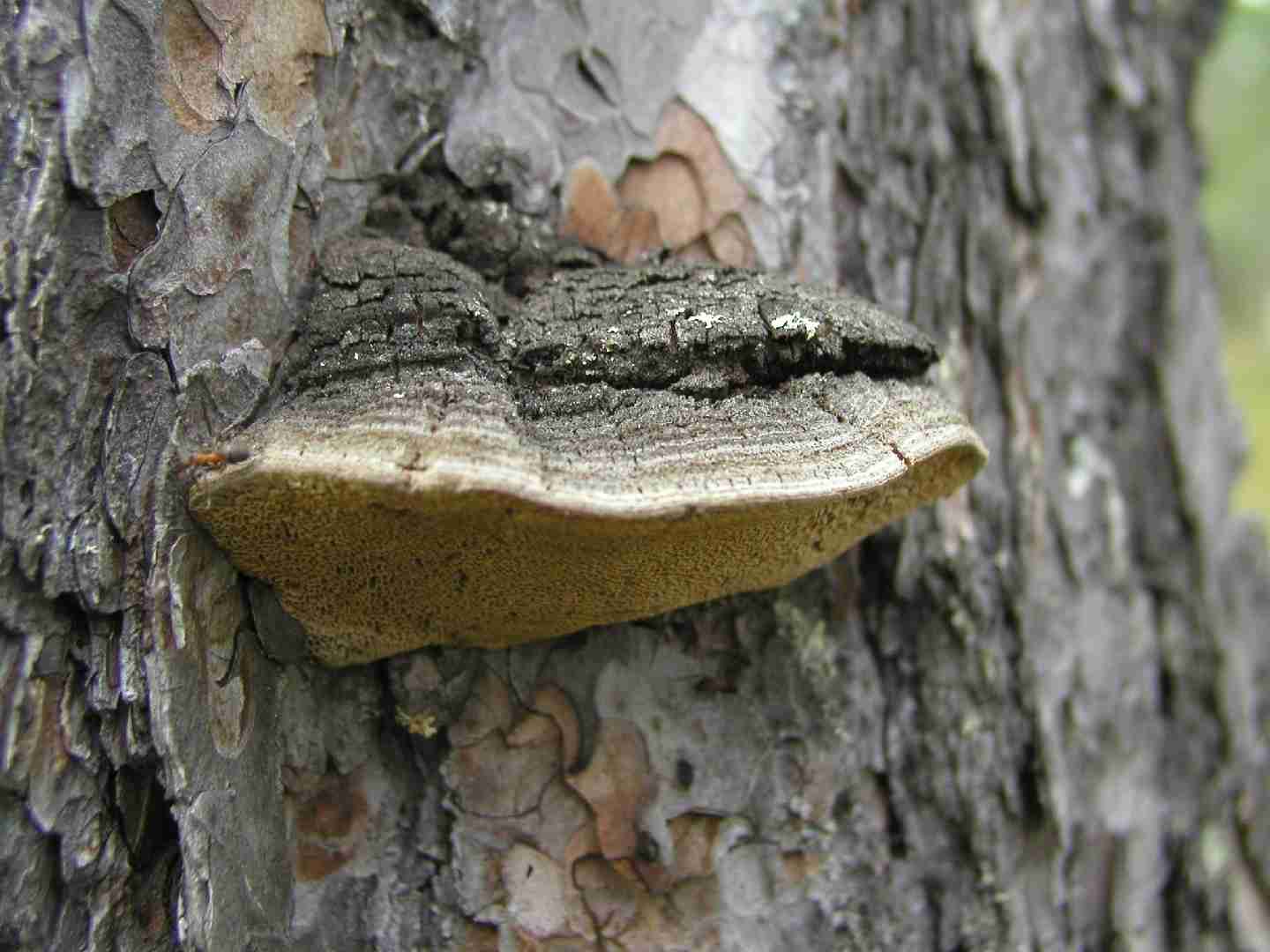
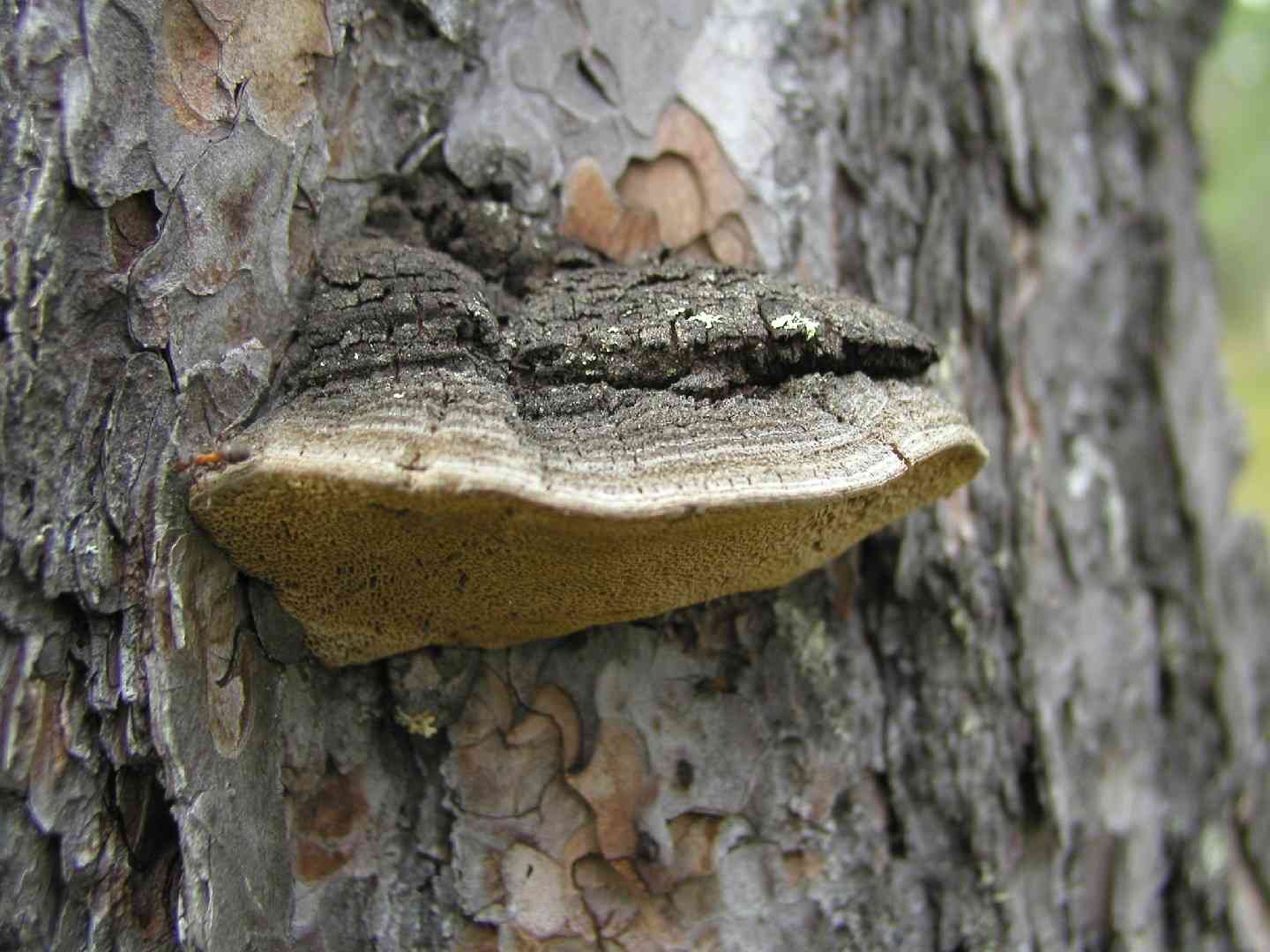
Although it may appear harmless, red ring rot is infamous among commercial logging operations because it is the primary cause of decay in certain conifer species. It thrives on both live and dead conifer wood, frequently manifesting as a reddish-brown conk. Conversely, it creates hollowed-out trees that serve as superb nesting habitats.
In This Article
Attributes of Red ring rot
Cap Diameter
20 - 30 cm
Cap
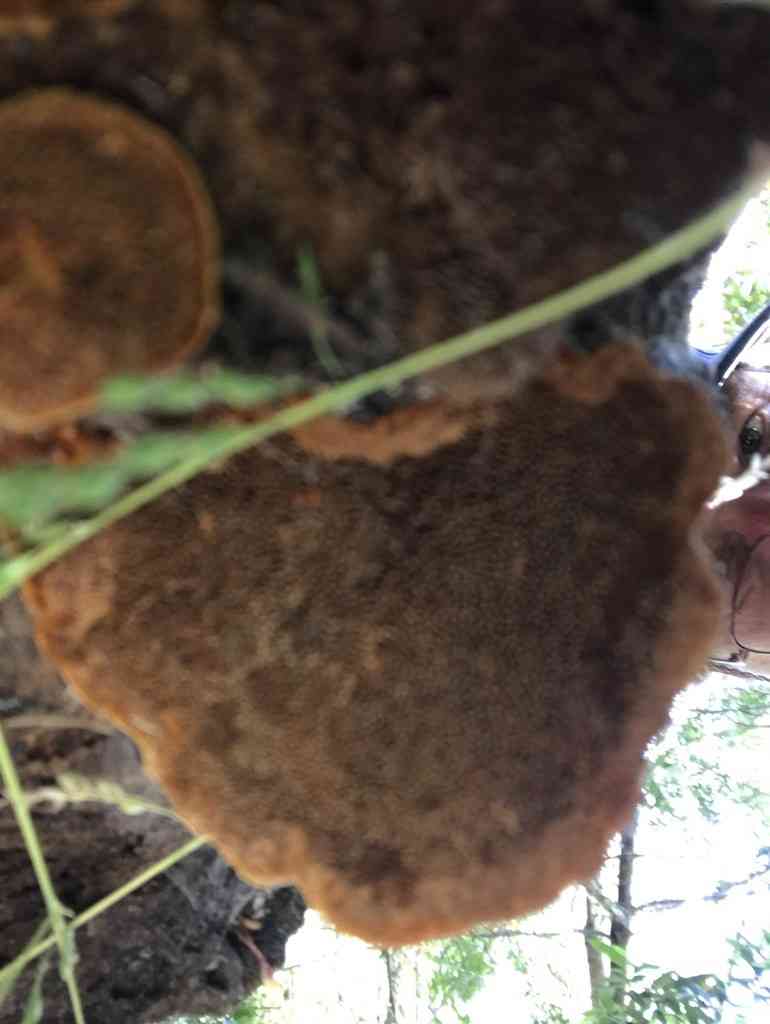
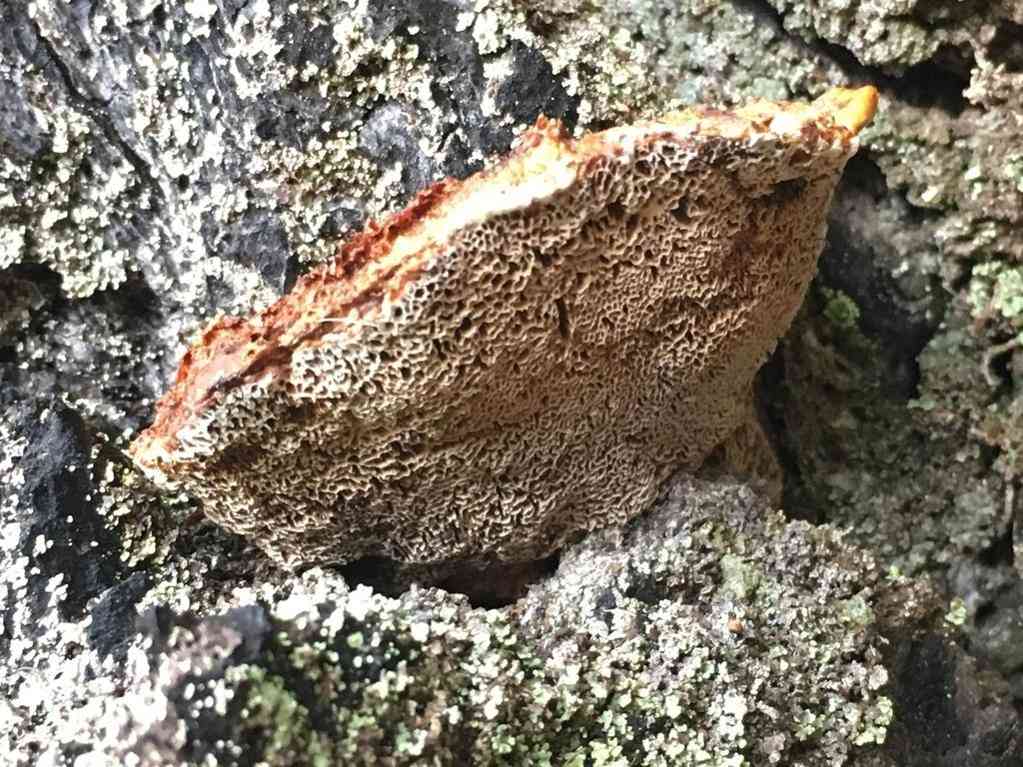
Cap 25 cm across; kidney-shaped, semicircular, irregular, convex, hoof-shaped; reddish brown, dark brown, black; rough
Cap Shape
Convex
Cap Surfaces
Fibrillose-scaly
Stem
Absent
Flesh
Reddish brown to yellow-brown
Spore Print Color
White, cream
Odor
Mild, faintly pleasant fungal scent
Body Color
BrownBlackRedGray
Flesh Bruises
The flesh or milk does not discolor when bruised or cut.
Growth Form
Solitary, Gregarious, Clustered
Nutrient Gathering
Saprophytic, Parasitic
Substrate
Wood of Living Trees, Dead Woods
You can find Red ring rot by these plants
Subalpine fir, Ponderosa pine, Pines, Scots pine
Occurence Habitats
Coniferous Woodland
Species Status
Widely distributed
Endangered Species
No
Scientific Classification of Red ring rot
Phylum
Club fungi
Class
Mushroom-forming fungi
Order
Hymenochaetales
Family
Hymenochaetaceae
Genus
Porodaedalea
Toxicity and Edibility of Red ring rot
Is Red ring rot Toxic?
Toxicity information is not available for this mushroom. Always consult with an expert before consuming any wild mushrooms.

