Tuberous polypore
Polyporus tuberaster
A species of Polyporus. Also known as Canadian tuckahoe.
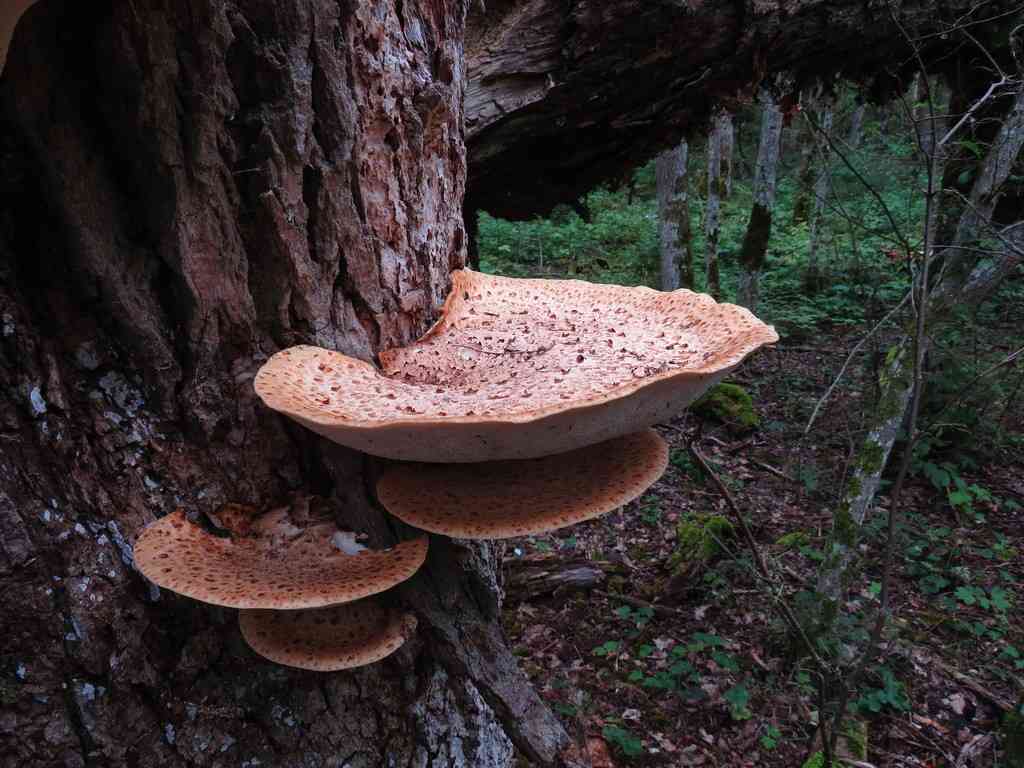
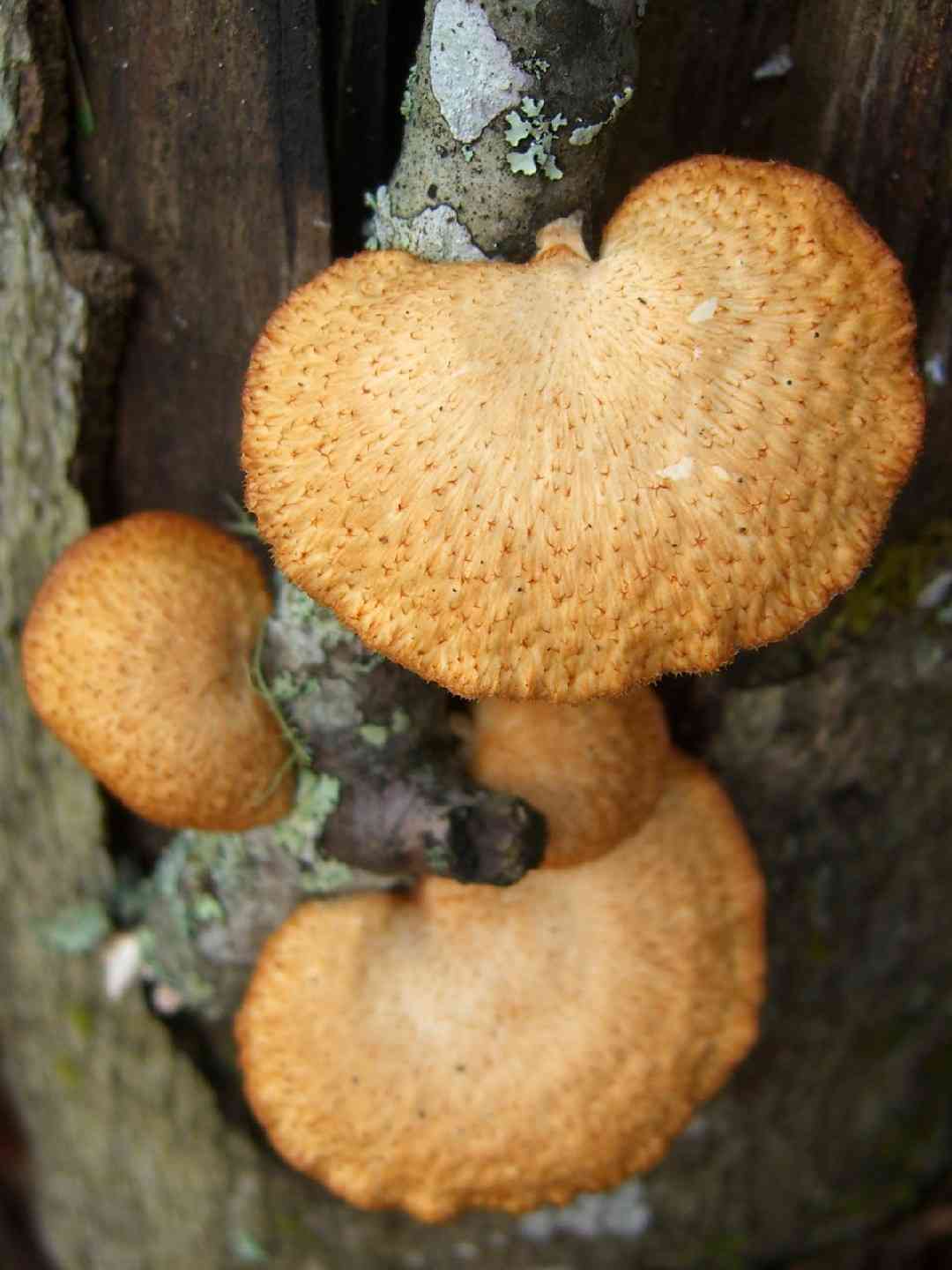
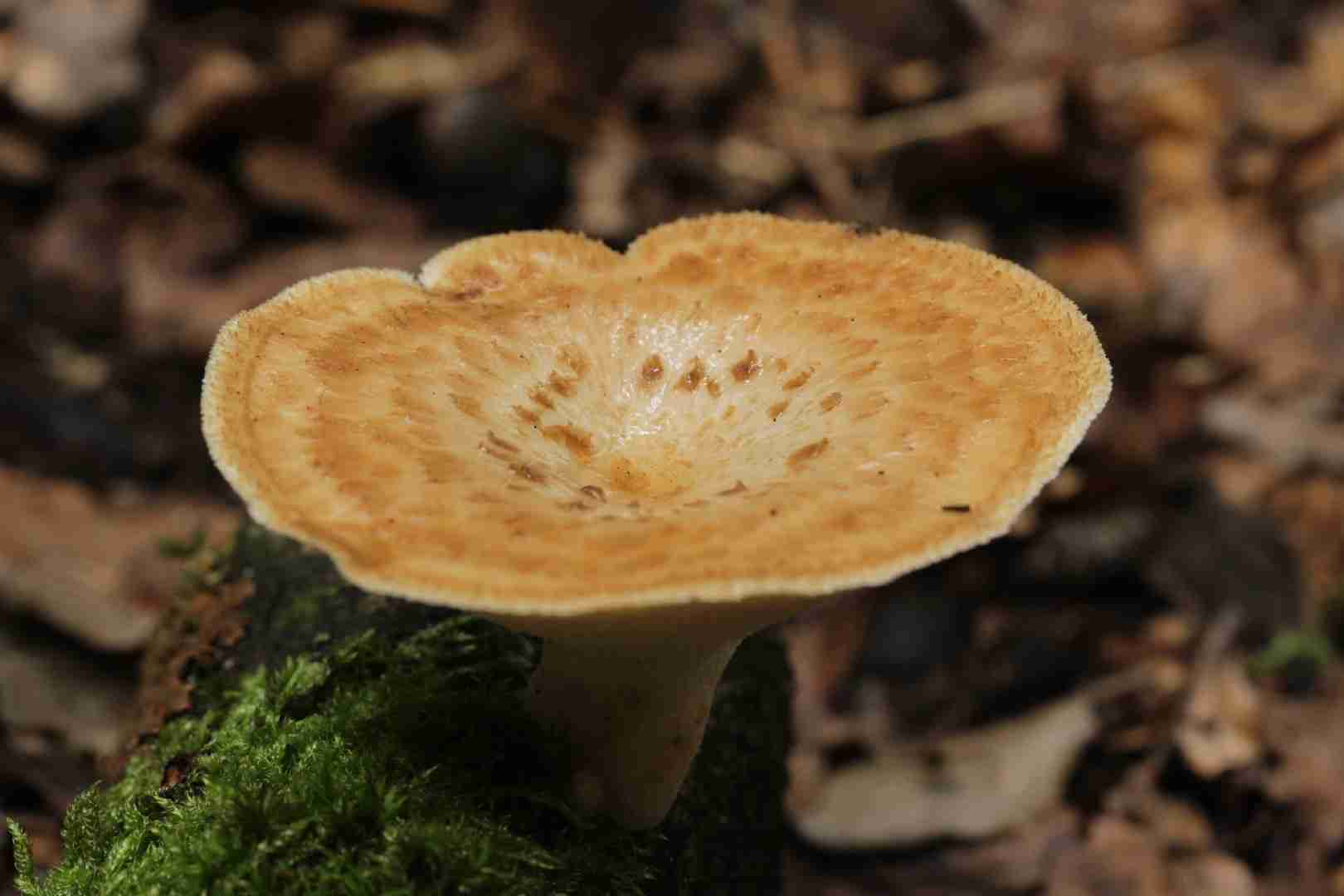
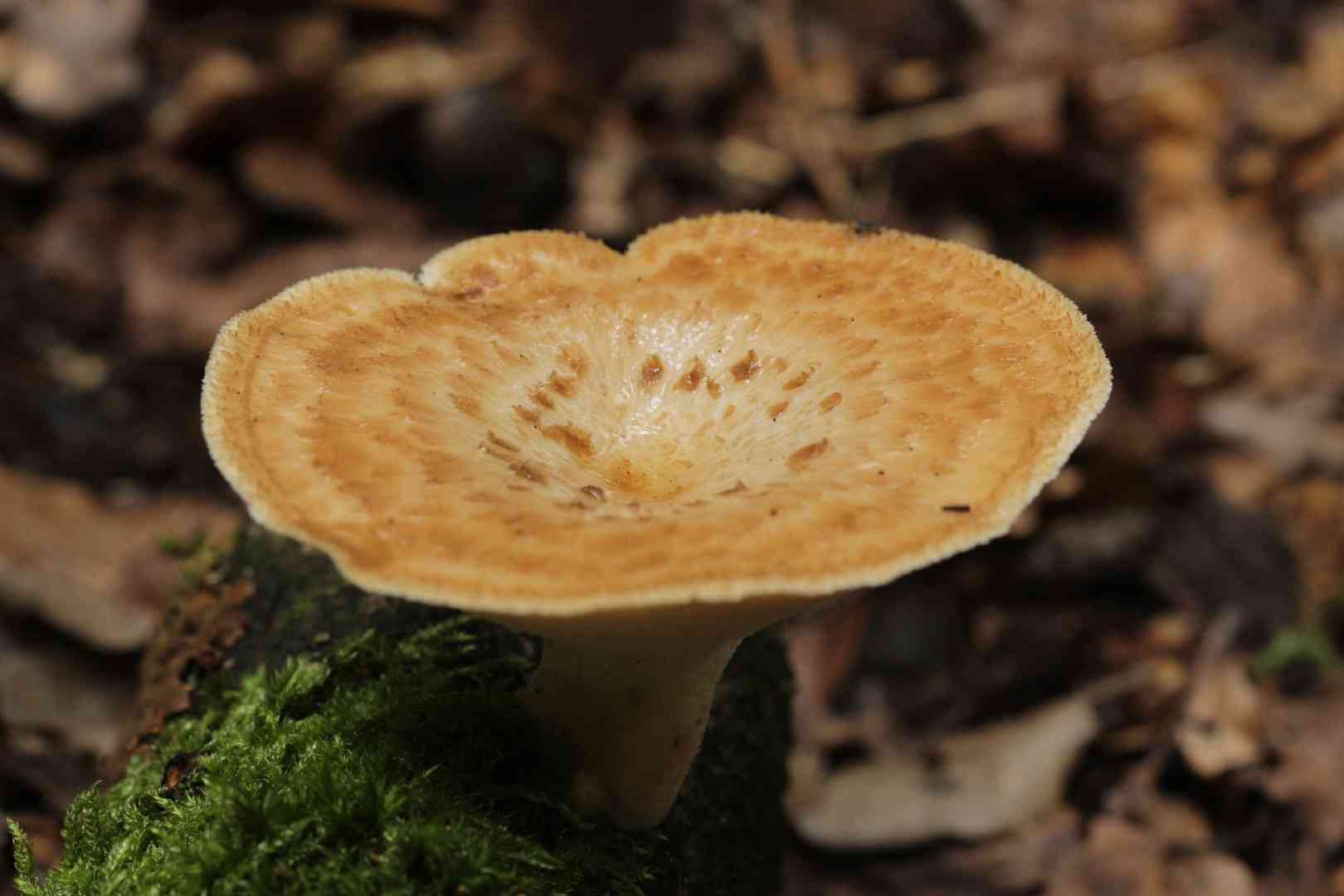
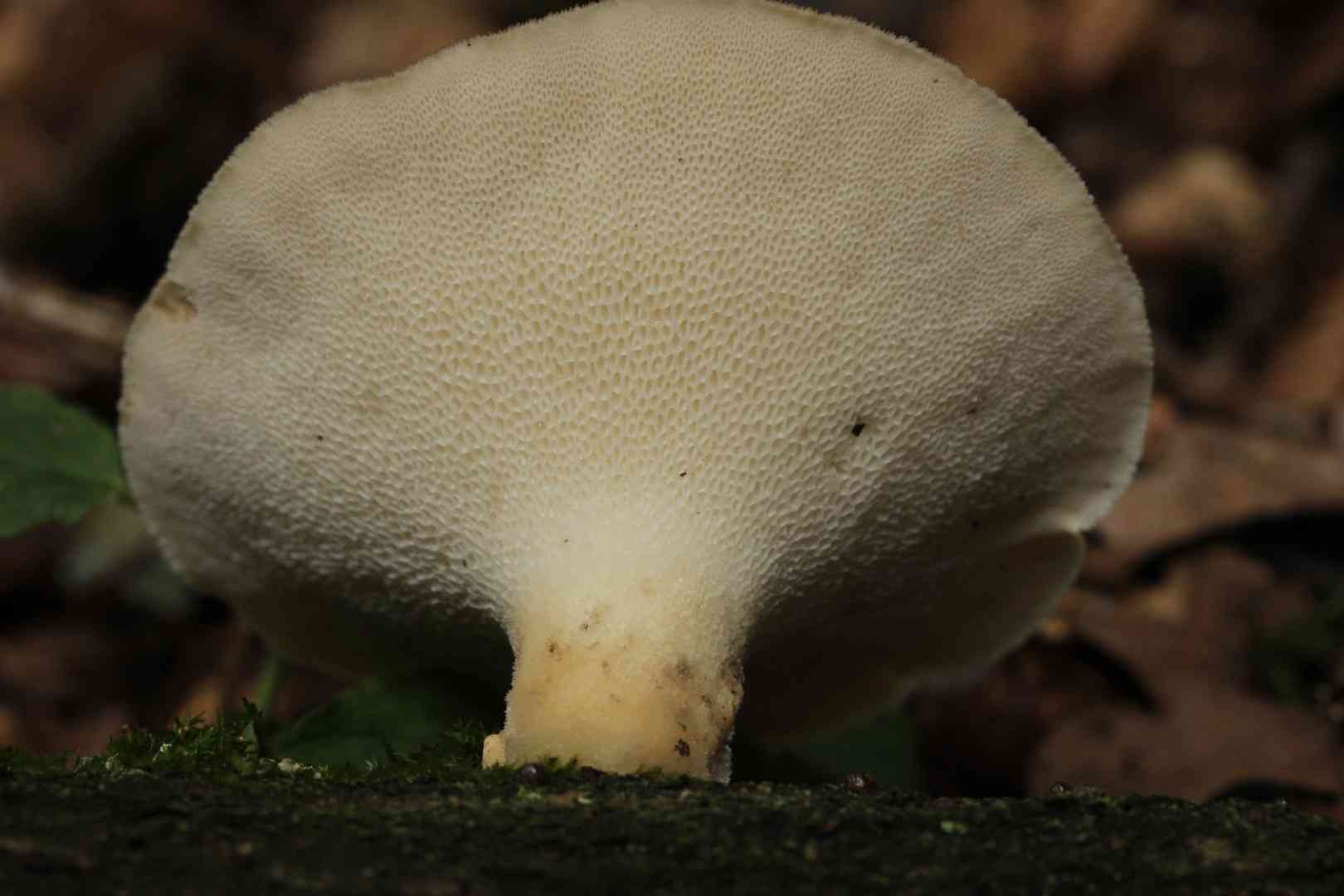
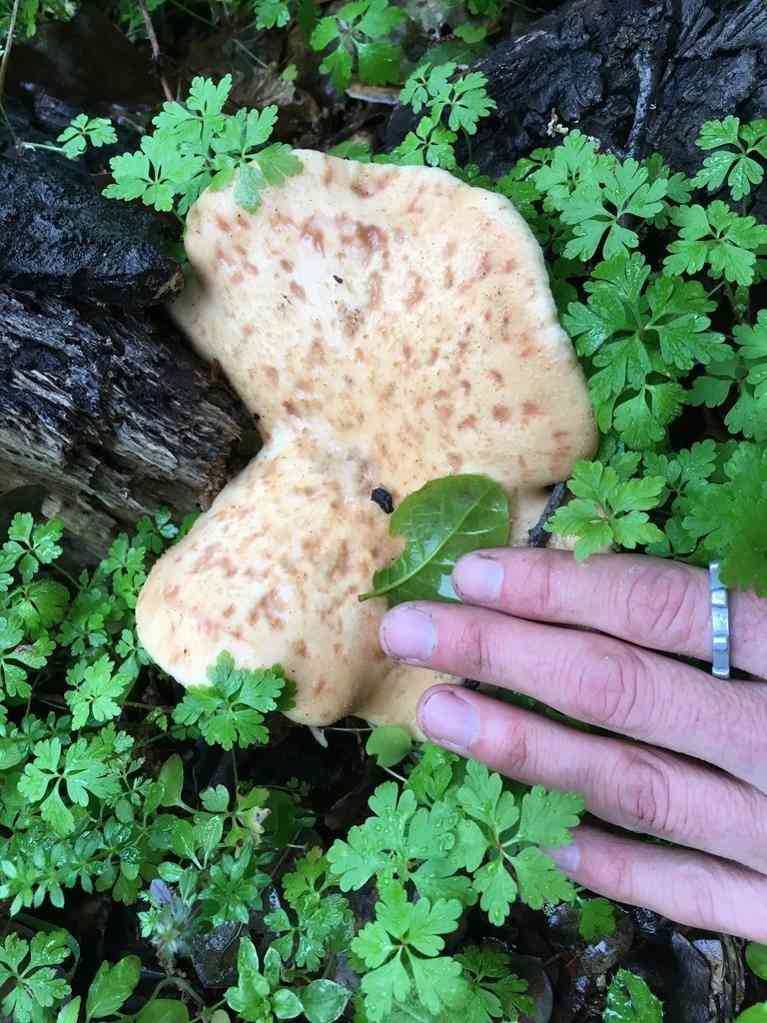
Found throughout temperate North America, the soft-bodied tuberous polypore, or Polyporus tuberaster, typically grows on dead hardwood trunks or branches. It is characterized by a brown or cinnamon cap and a light-colored stalk, making these inconspicuous mushrooms often mistaken for other similar species.
In This Article
Attributes of Tuberous polypore
Cap Diameter
5 - 12 cm
Height
1 - 7 cm
Cap
Cap 4 - 15 cm across; convex to flat, funnel-shaped; yellow-brown
Cap Shape
Convex, Flat, Depressed
Cap Surfaces
Fibrillose-scaly, Slimy or slightly sticky
Gill Attachment
Decurrent
Stem
Stem 10 cm long, 2 - 4 cm thick; whitish
Stem Shapes
Cylindrical
Stem Surfaces
Smooth to slightly fibrous
Flesh
Soft, elastic, leathery, a bit tough; whitish
Ring
Ringless
Spore Print Color
White
Odor
Slight, pleasant, vaguely mushroomy scent.
Body Color
BrownYellowWhite
Flesh Bruises
The flesh or milk does not discolor when bruised or cut.
Growth Form
Solitary
Nutrient Gathering
Saprophytic
Substrate
On soil, Dead Woods
You can find Tuberous polypore by these plants
European beech, Oaks
Occurence Habitats
Deciduous Woodland, Coniferous Woodland, Mixed Woodland
Species Status
Uncommon
Endangered Species
No
Scientific Classification of Tuberous polypore
Phylum
Club fungi
Class
Mushroom-forming fungi
Order
Shelf fungi
Family
Polyporaceae
Genus
Polyporus
Toxicity and Edibility of Tuberous polypore
Is Tuberous polypore Toxic?
Toxicity information is not available for this mushroom. Always consult with an expert before consuming any wild mushrooms.