Willow shield
Pluteus salicinus
A species of Pluteus.
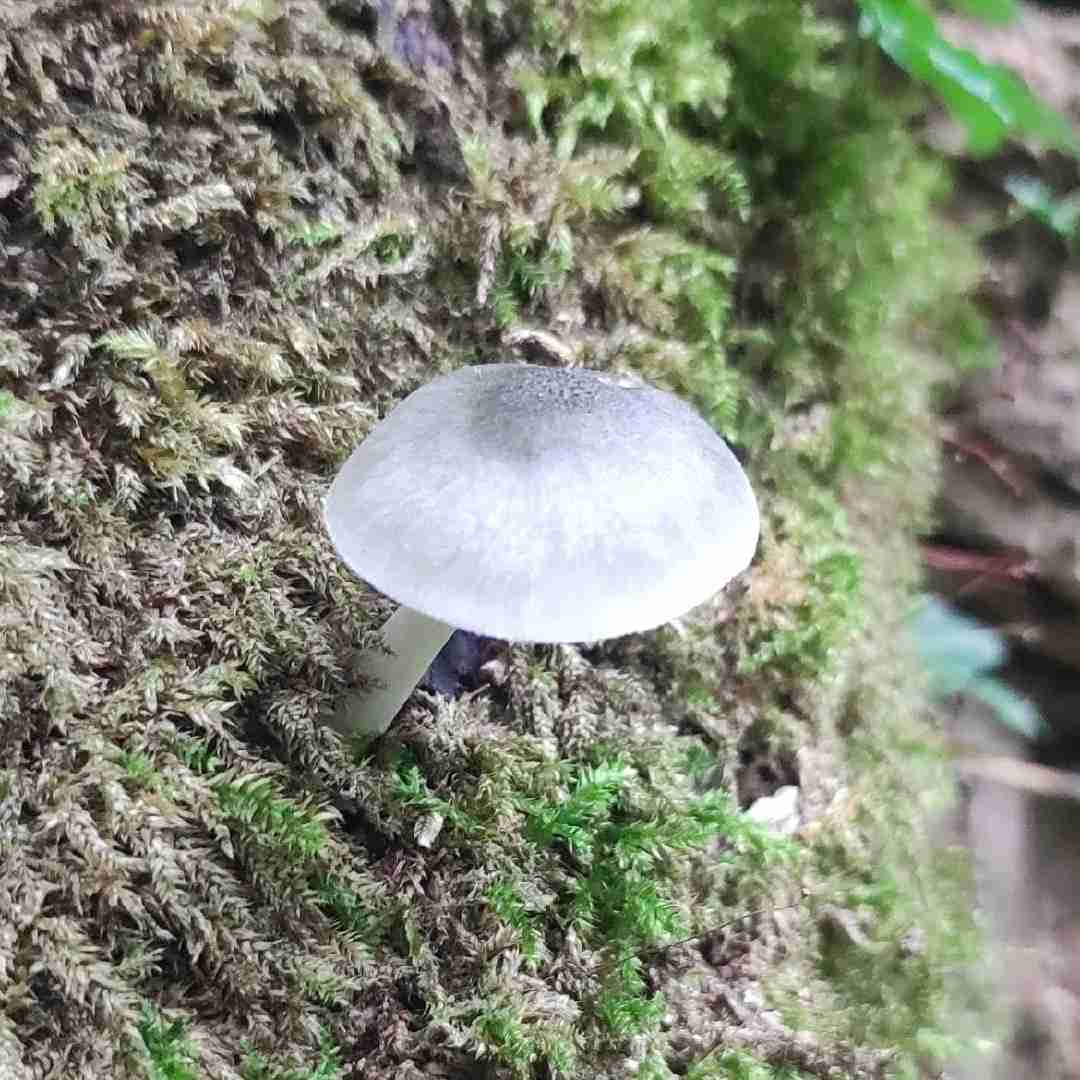
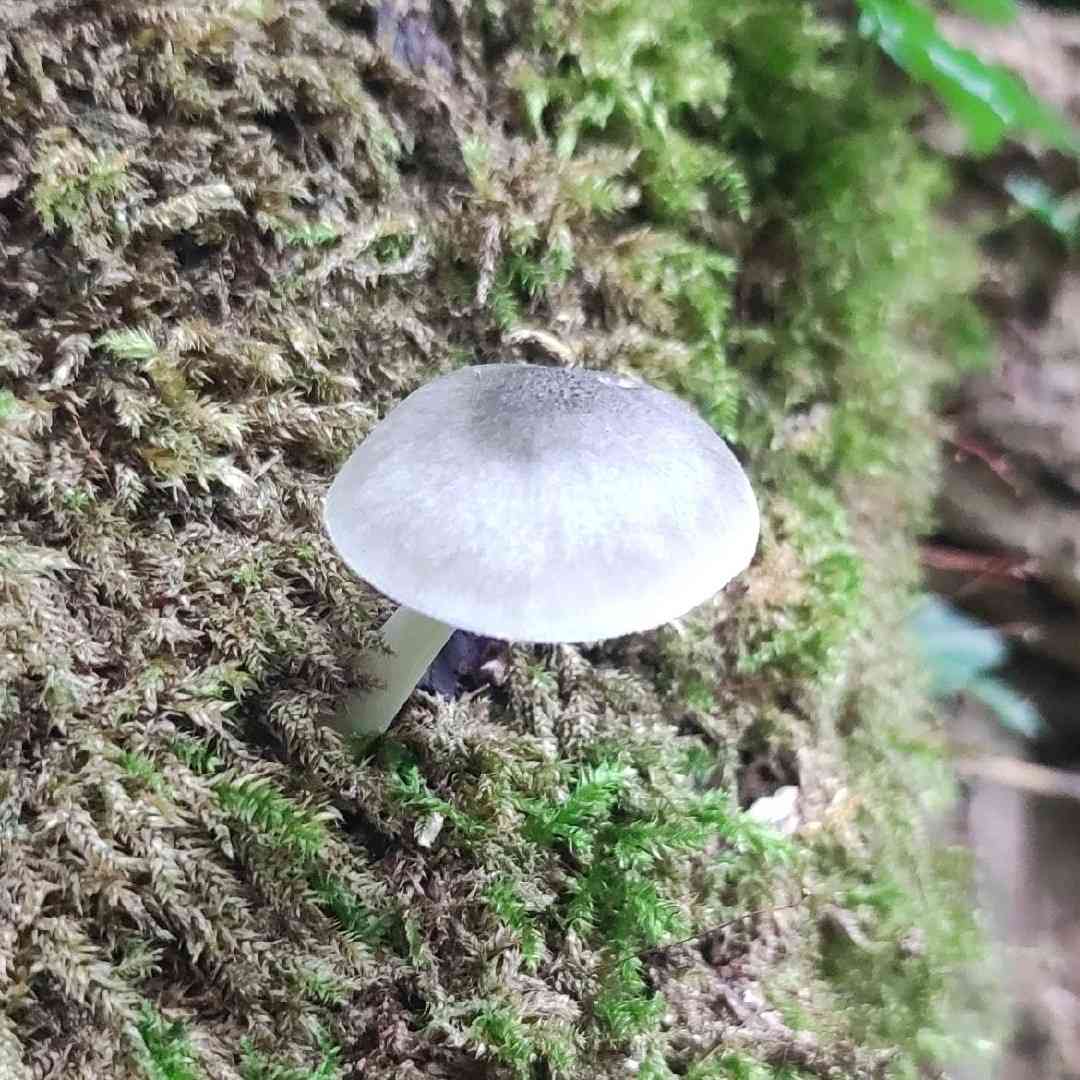
Pluteus salicinus, commonly known as Willow shield mushrooms, are often found emerging directly from the surfaces of decaying hardwood trees, their stumps, and fallen branches. These fungi emit a subtle aroma, reminiscent of radishes. The designation Willow shield accurately mirrors its scientific nomenclature; Pluteus translates to protective fence or shield, and salicinus is derived from Salix, the genus for willow trees.
In This Article
Attributes of Willow shield
Cap Diameter
3 - 5 cm
Height
4 - 8 cm
Cap
Cap 2 - 8 cm across; convex to broadly convex to plane; silver-gray to brownish-gray; surface smooth, with tiny scales
Cap Shape
Convex, Central Bump
Cap Surfaces
Smooth
Gills
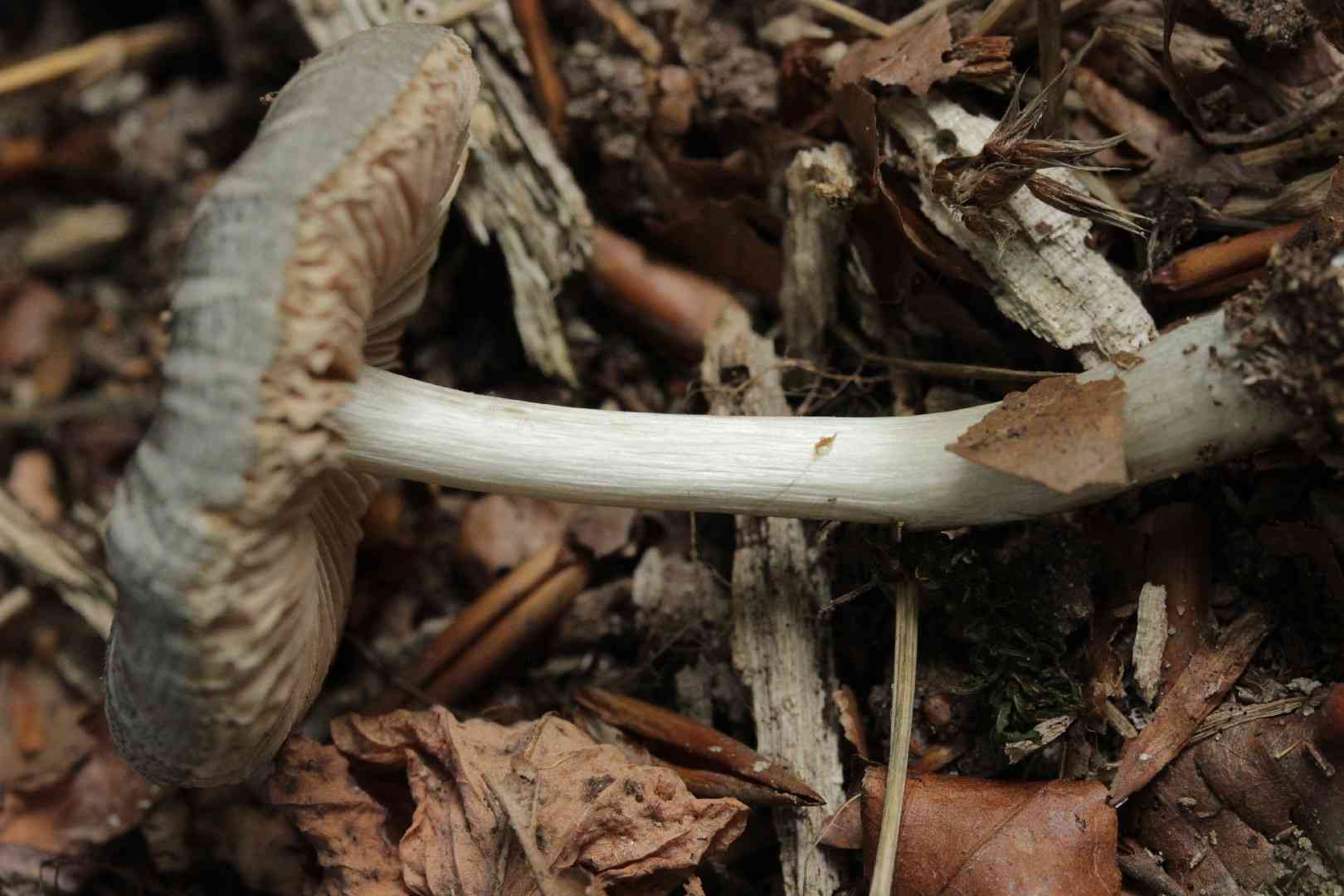
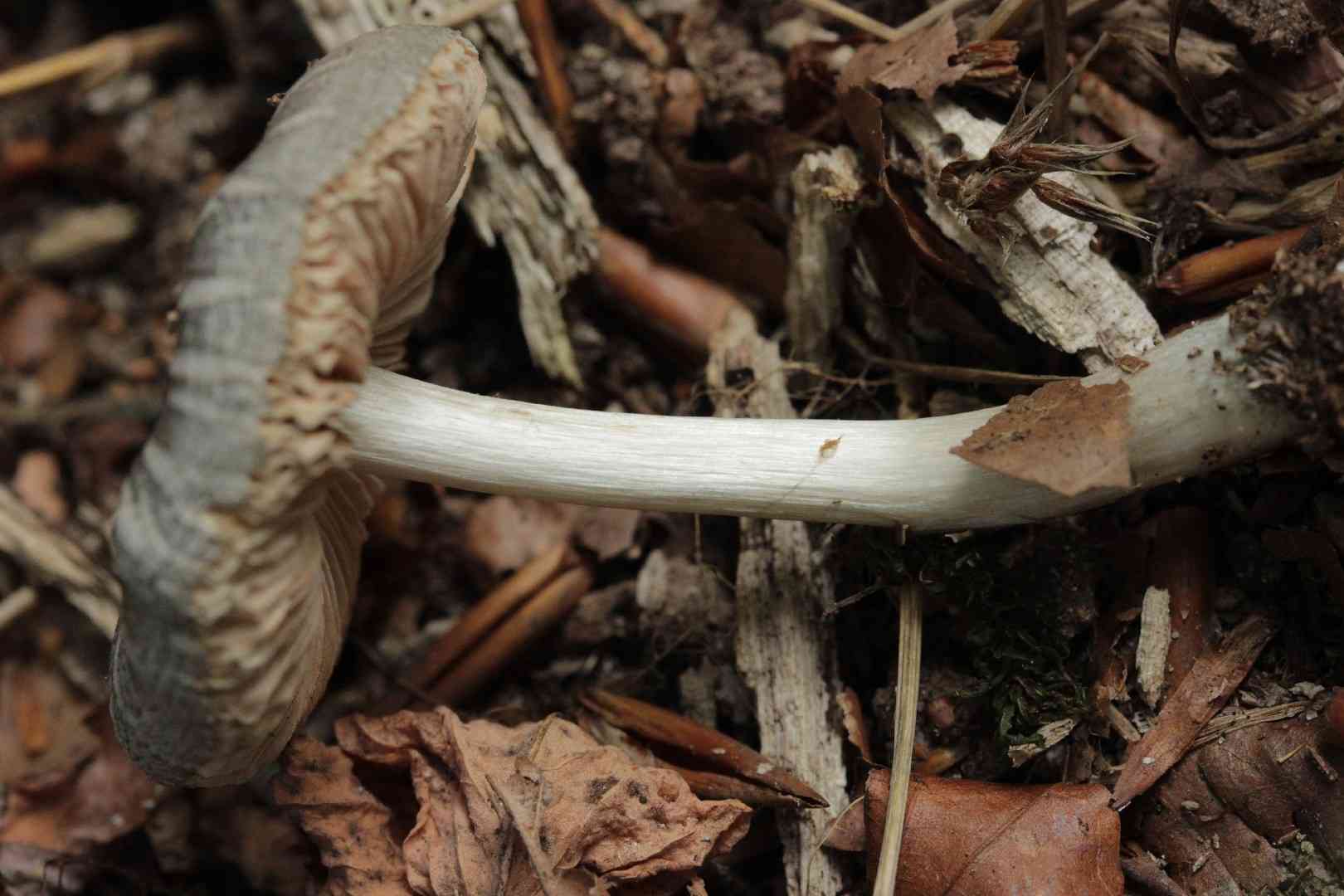
Free; crowded; white to pink-flesh; turns grayish when bruised
Gill Attachment
Free
Stem
Stem 3 - 10 cm long, 2 - 6 mm thick; white, grayish-green to bluish-green; firm
Stem Shapes
Club Shaped
Stem Surfaces
Smooth
Flesh
Thin to moderate; white, grayish
Ring
Ringless
Spore Print Color
Pink-flesh to brown-pink, pale pink
Odor
Mildly mushroomy but not distinctive.
Body Color
BrownGreenSilverGrayBlue
Flesh Bruises
Discolor to blue
Growth Form
Solitary, Gregarious
Nutrient Gathering
Saprophytic
Substrate
Dead Woods
You can find Willow shield by these plants
European beech, Black alder
Occurence Habitats
Deciduous Woodland
Species Status
Widely distributed
Endangered Species
No
Scientific Classification of Willow shield
Phylum
Club fungi
Class
Mushroom-forming fungi
Order
Gilled fungi
Family
Pluteaceae mushrooms
Genus
Pluteus
Toxicity and Edibility of Willow shield
Is Willow shield Toxic?
Toxicity information is not available for this mushroom. Always consult with an expert before consuming any wild mushrooms.

