Goldleaf shield
Pluteus romellii
A species of Pluteus. Also known as Yellow-stalk pluteus.
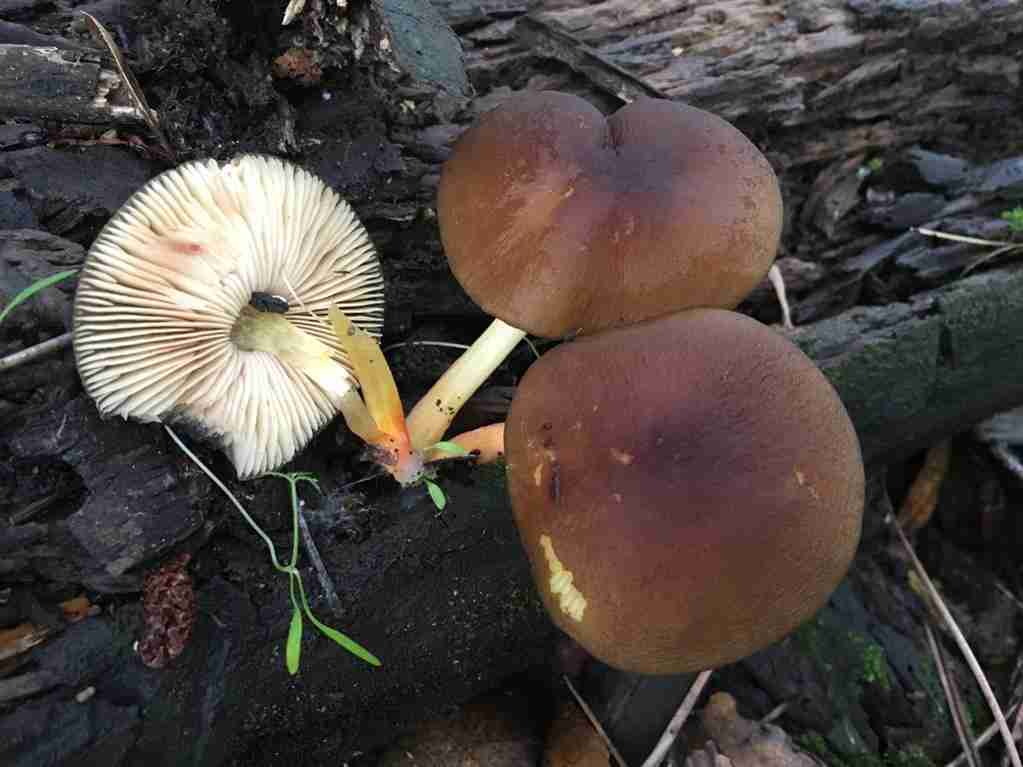
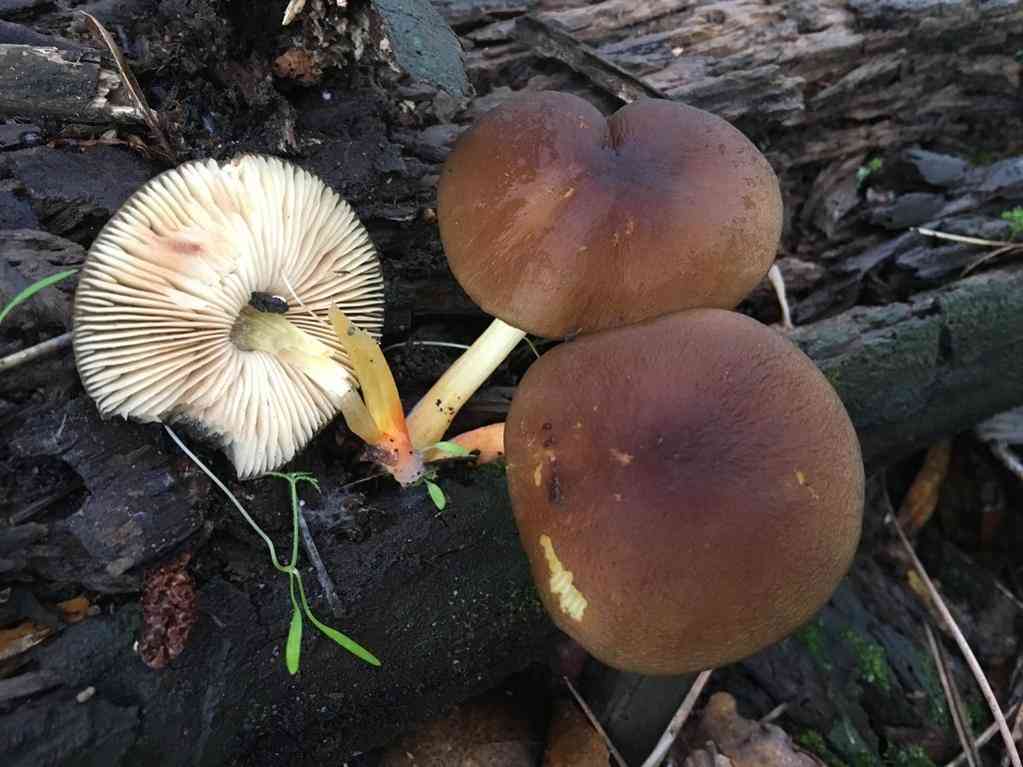
While strolling through a temperate forest, if you come across a stack of decomposing hardwood, consider taking a moment to look for a goldleaf shield (Pluteus romellii). This mushroom belongs to a group of fungi frequently mistaken for others, making it unsuitable for consumption. Instead, capture their beauty with your camera's macro setting!
In This Article
Attributes of Goldleaf shield
Cap Diameter
1 - 7 cm
Height
2 - 7 cm
Cap
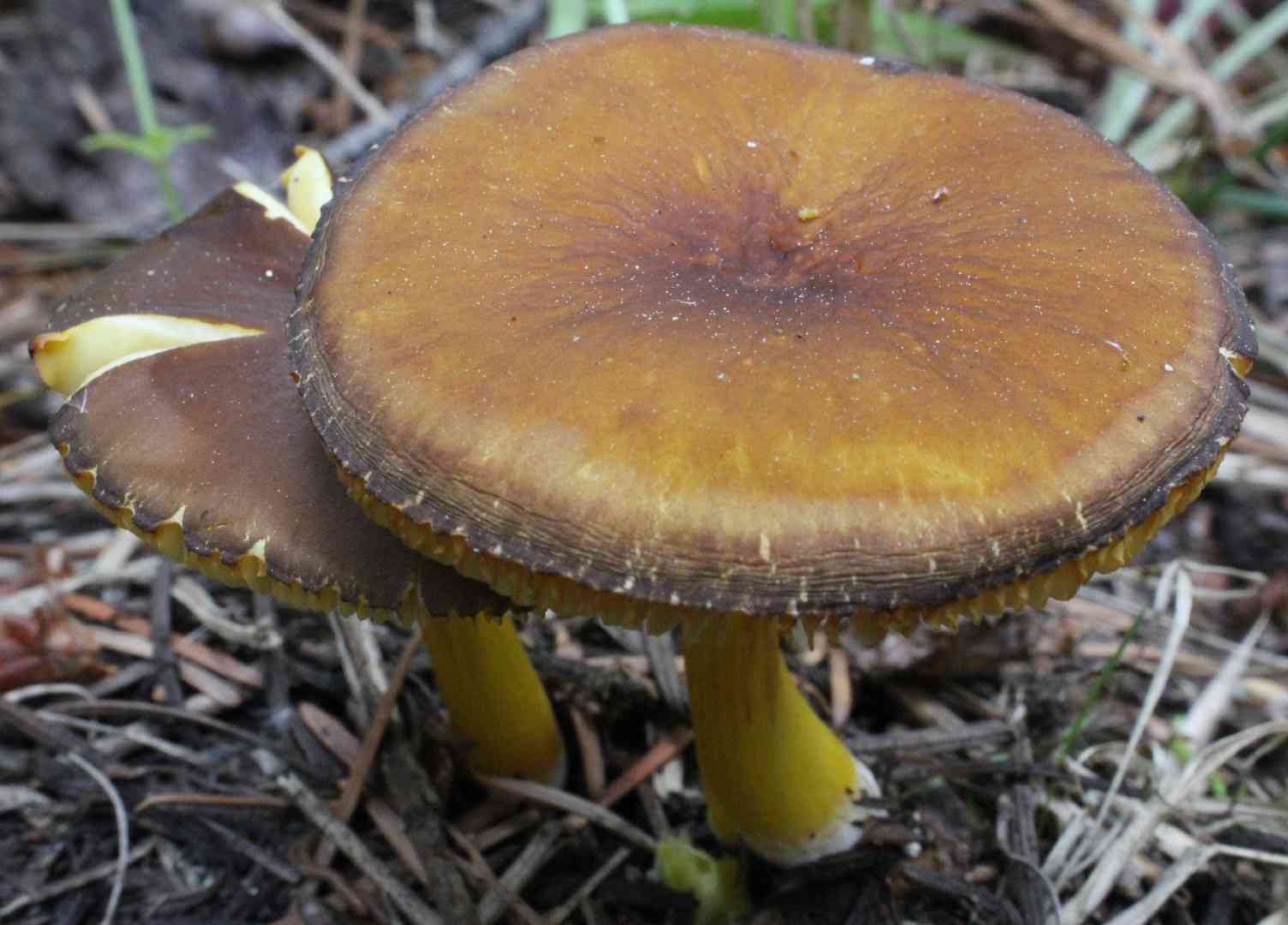
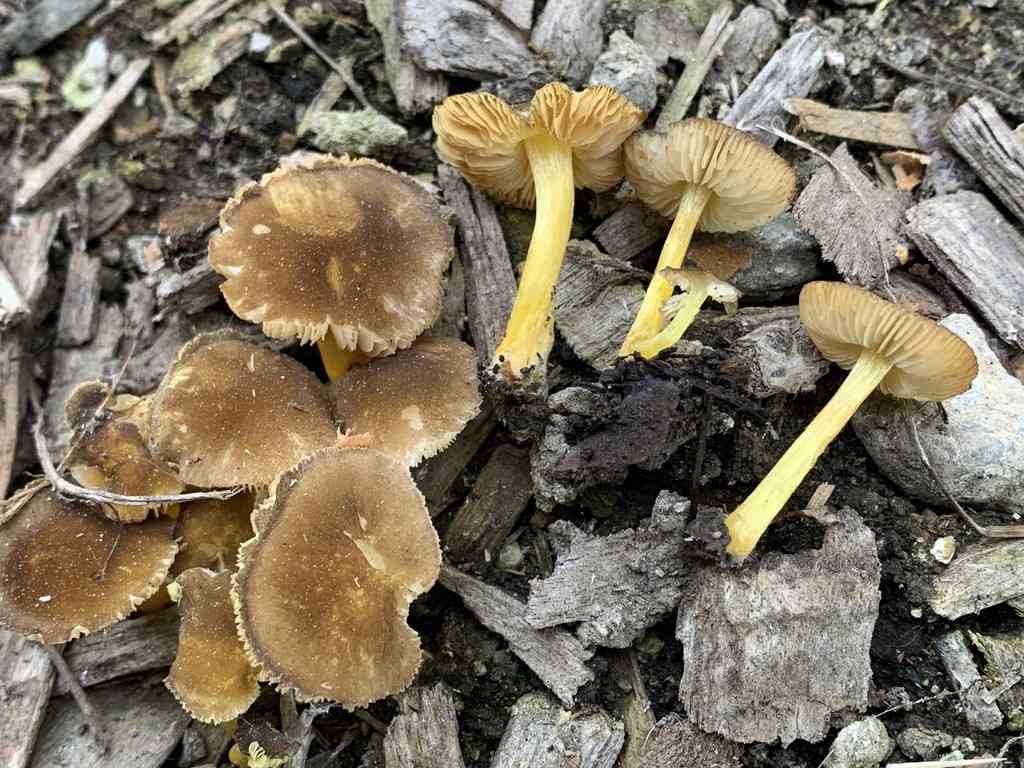
Cap 1 - 4 cm across; convex to broadly convex or flat; dull brown to olive brown; surface wrinkled; margin finely lined
Cap Shape
Convex, Flat, Central Bump
Cap Surfaces
Smooth, Visible lines or stripes
Gills
Free; close, distant; whitish, pink
Gill Attachment
Free
Stem
Stem 1.5 - 6 cm long, 1 - 3 mm thick; bright yellow to greenish yellow; fragile; with tiny fibers
Stem Shapes
Cylindrical
Stem Surfaces
Ribbed
Flesh
Thin; firm; white, yellow
Ring
Ringless
Spore Print Color
Pink
Odor
Subtle, non-distinctive earthy aroma.
Body Color
BrownGreenYellow
Flesh Bruises
The flesh or milk does not discolor when bruised or cut.
Growth Form
Solitary, Gregarious
Nutrient Gathering
Saprophytic
Substrate
Dead Woods, Wood Chips or Mulch
You can find Goldleaf shield by these plants
American beech, European beech, Hawthorns
Occurence Habitats
Deciduous Woodland, Disturbed Lands
Species Status
Widely distributed
Endangered Species
No
Scientific Classification of Goldleaf shield
Phylum
Club fungi
Class
Mushroom-forming fungi
Order
Gilled fungi
Family
Pluteaceae mushrooms
Genus
Pluteus
Toxicity and Edibility of Goldleaf shield
Is Goldleaf shield Toxic?
Toxicity information is not available for this mushroom. Always consult with an expert before consuming any wild mushrooms.

