Pleated pluteus
Pluteus longistriatus
A species of Pluteus.
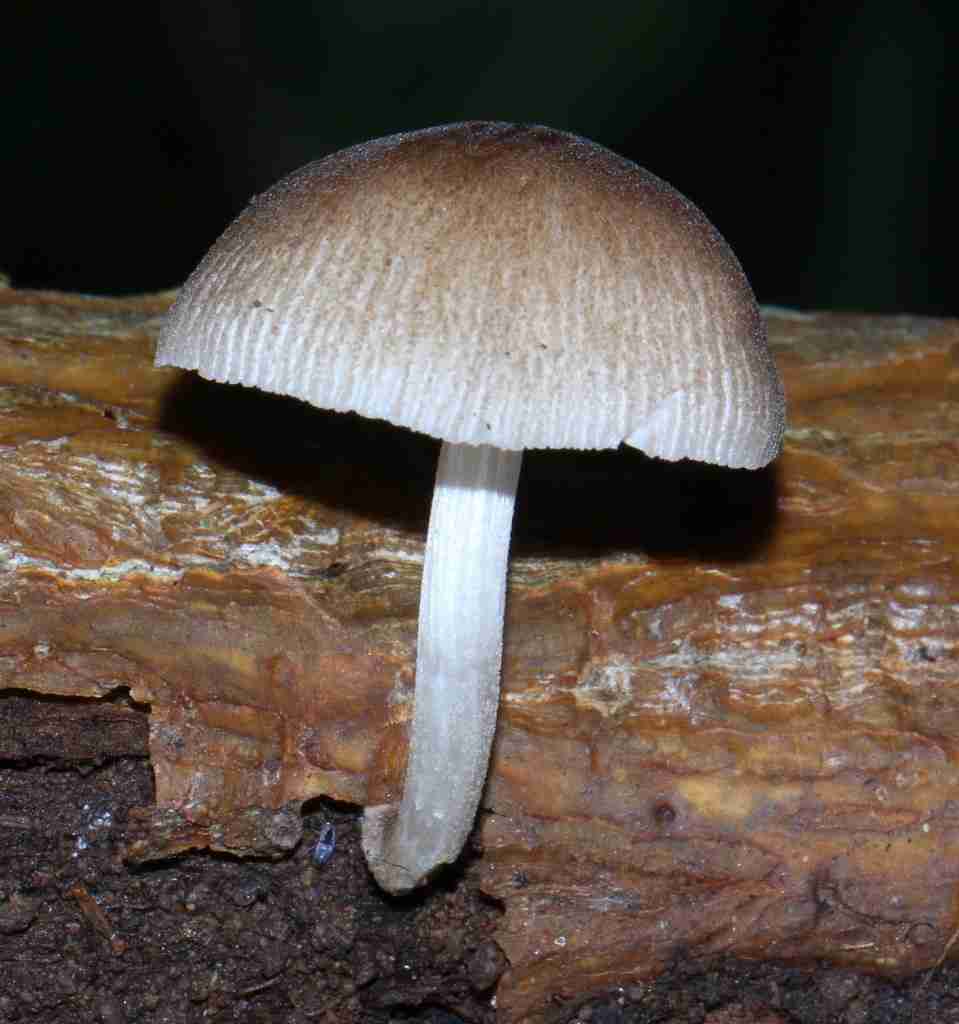
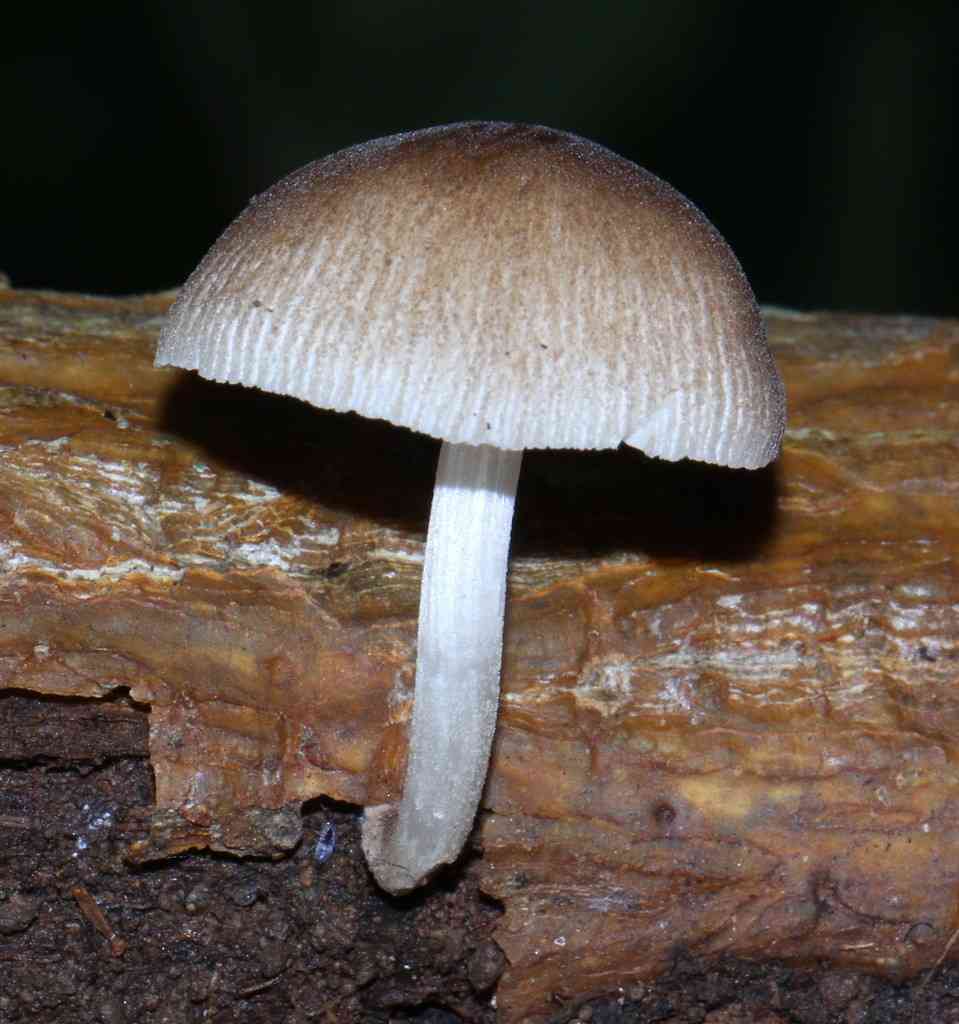
The pleated pluteus, a fungus that thrives on decomposing organic matter, is known to grow even on damp wood, such as in a bathroom. This delicate mushroom undergoes a remarkable transformation in very hot and humid conditions, as its gills begin to liquefy. This dissolution significantly alters its physical appearance, often leading to its incorrect identification.
In This Article
Attributes of Pleated pluteus
Cap Diameter
1 - 2 cm
Height
4 - 7 cm
Cap
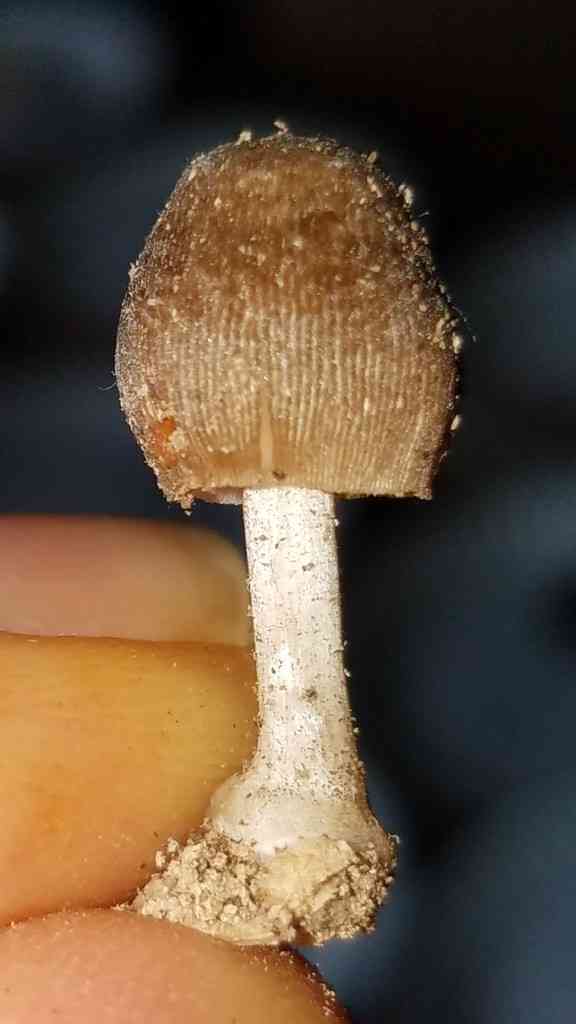
Cap 1 - 2 cm; convex, bell-shaped to flat; gray, brown; fragile, dry, finely
Cap Shape
Convex, Bell-shaped, Flat
Cap Surfaces
Fibrillose-scaly
Gills
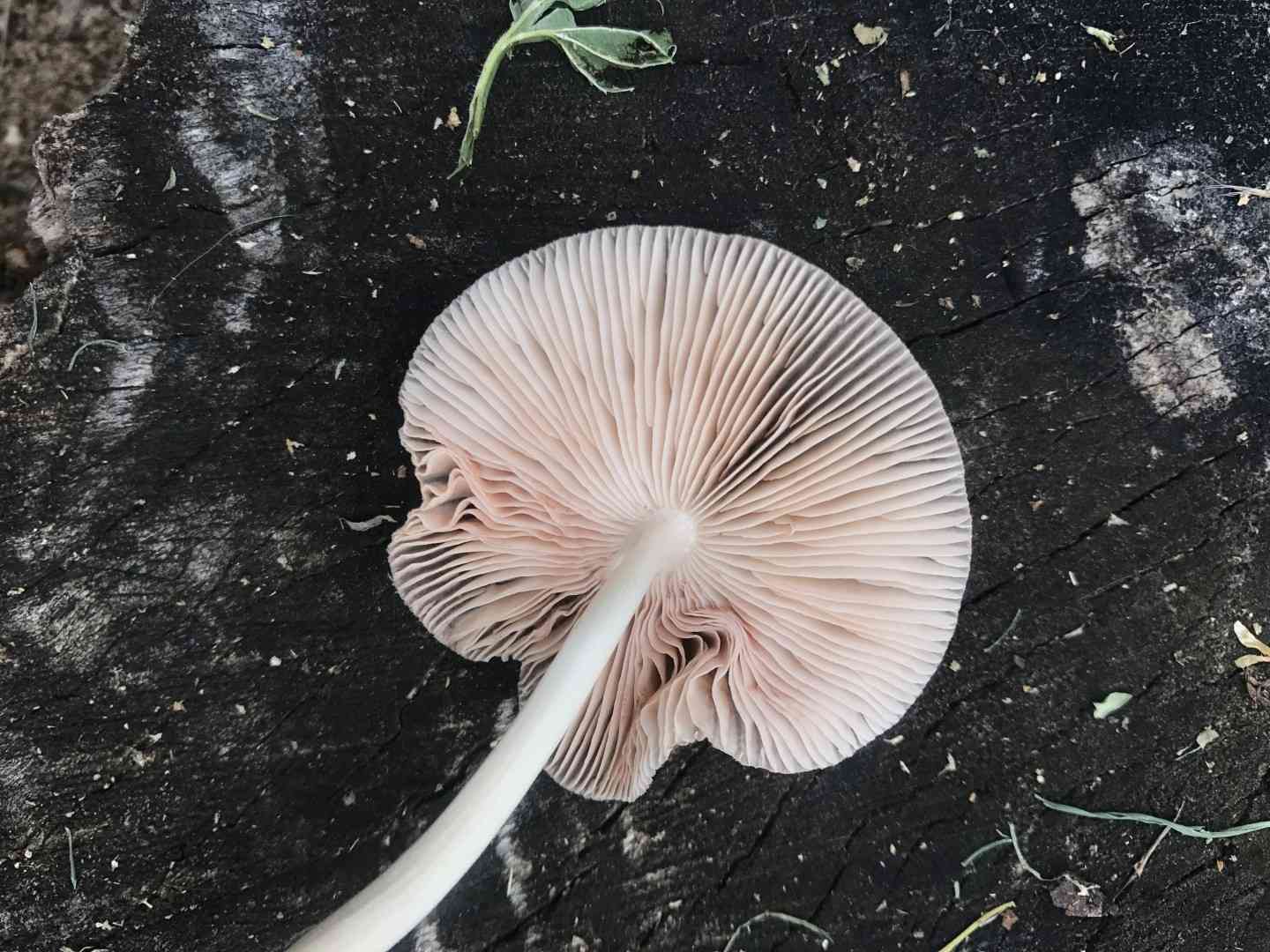
Free; close; whitish, pinkish; soft
Gill Attachment
Free
Stem
Stem 3 - 5 cm long, 1 - 2 mm thick; equal; whitish; bald or with a few fibrils
Stem Shapes
Cylindrical
Stem Surfaces
Smooth to slightly fibrous
Flesh
Insubstantial; pale
Ring
Ringless
Spore Print Color
Pink
Odor
Mild, not particularly distinctive.
Body Color
BrownBronzeGrayWhite
Flesh Bruises
The flesh or milk does not discolor when bruised or cut.
Growth Form
Solitary, Gregarious
Nutrient Gathering
Saprophytic
Substrate
Dead Woods
You can find Pleated pluteus by these plants
European beech, Black alder
Occurence Habitats
Deciduous Woodland
Species Status
Common from the Great Plains eastward
Endangered Species
No
Scientific Classification of Pleated pluteus
Phylum
Club fungi
Class
Mushroom-forming fungi
Order
Gilled fungi
Family
Pluteaceae mushrooms
Genus
Pluteus
Toxicity and Edibility of Pleated pluteus
Is Pleated pluteus Toxic?
Toxicity information is not available for this mushroom. Always consult with an expert before consuming any wild mushrooms.

