Sooty shield
Pluteus ephebeus
A species of Pluteus.
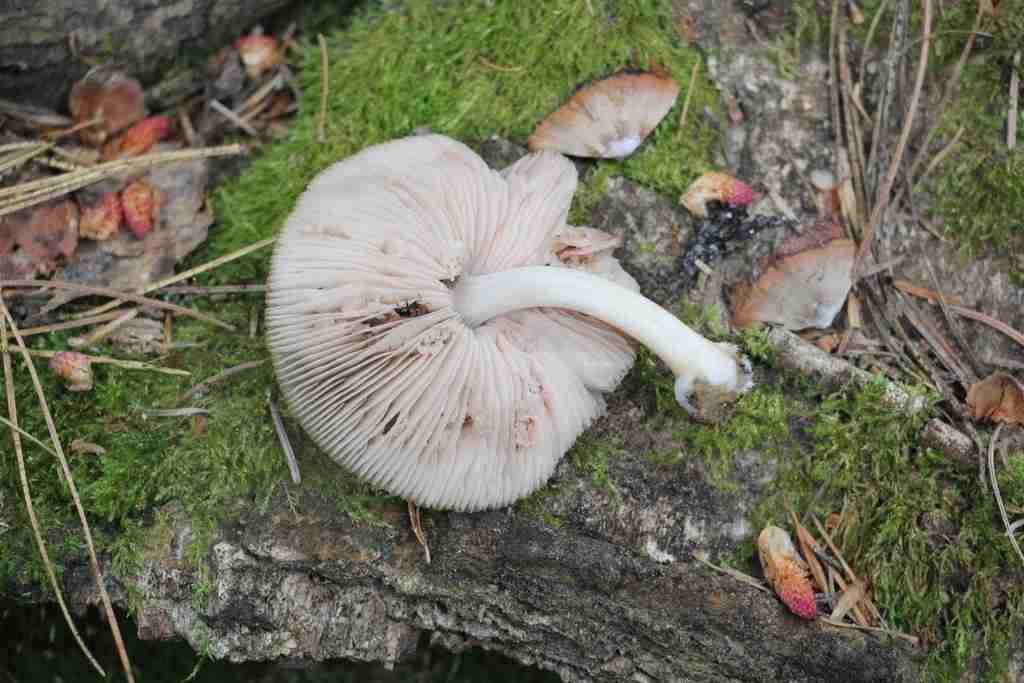
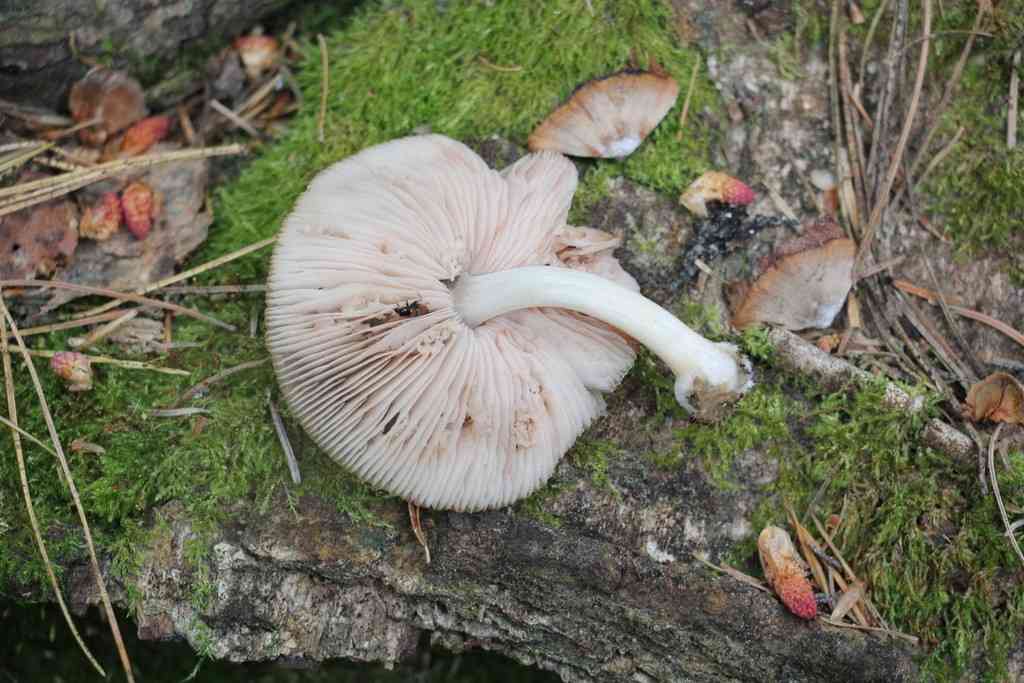
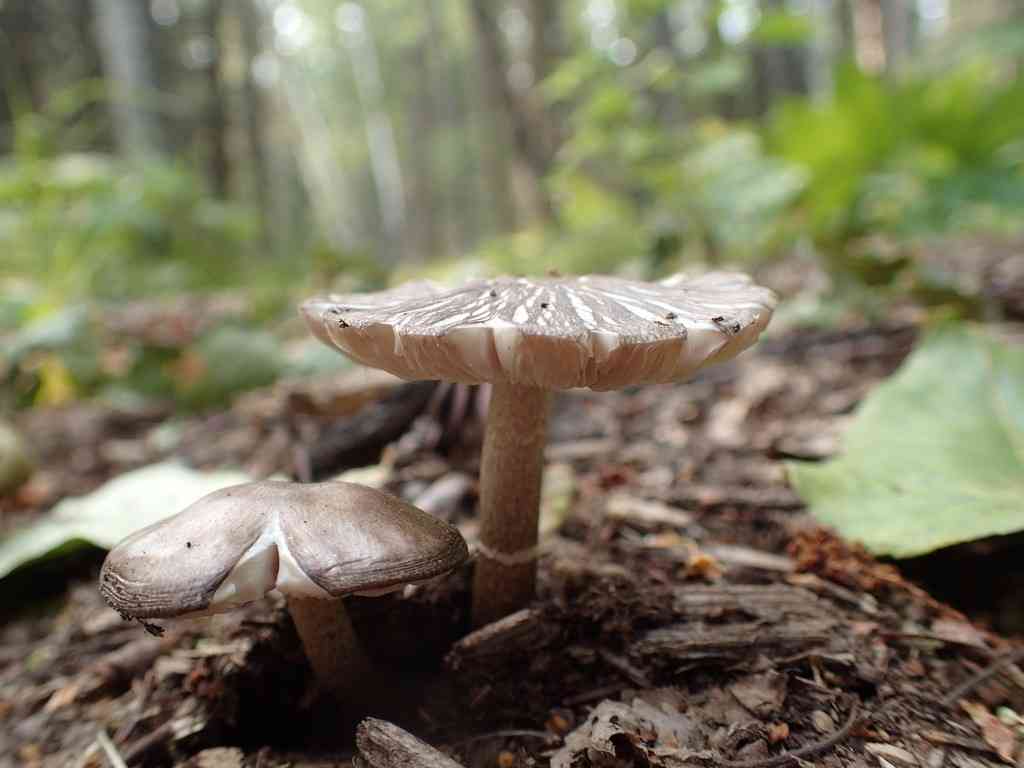
Sooty shield mushrooms commonly appear alone or in small clusters on decaying wood. They feature a grey-brown cap with a velvety texture that becomes darker when wet. The gills beneath the cap are not attached to the stem and transition from pink to a brownish hue as the mushroom ages. It possesses a thin, fibrous stem and can be observed in woodland environments from late summer through autumn.
In This Article
Attributes of Sooty shield
Cap Diameter
4 - 10 cm
Height
4 - 10 cm
Cap
Cap 4 - 10 cm across; campanulate then broadly convex or flattening; grey-brown to dark brown; finely hairy or downy and radially fibrillose
Cap Shape
Bell-shaped, Convex, Flat, Central Bump
Cap Surfaces
Fibrillose-scaly
Gills
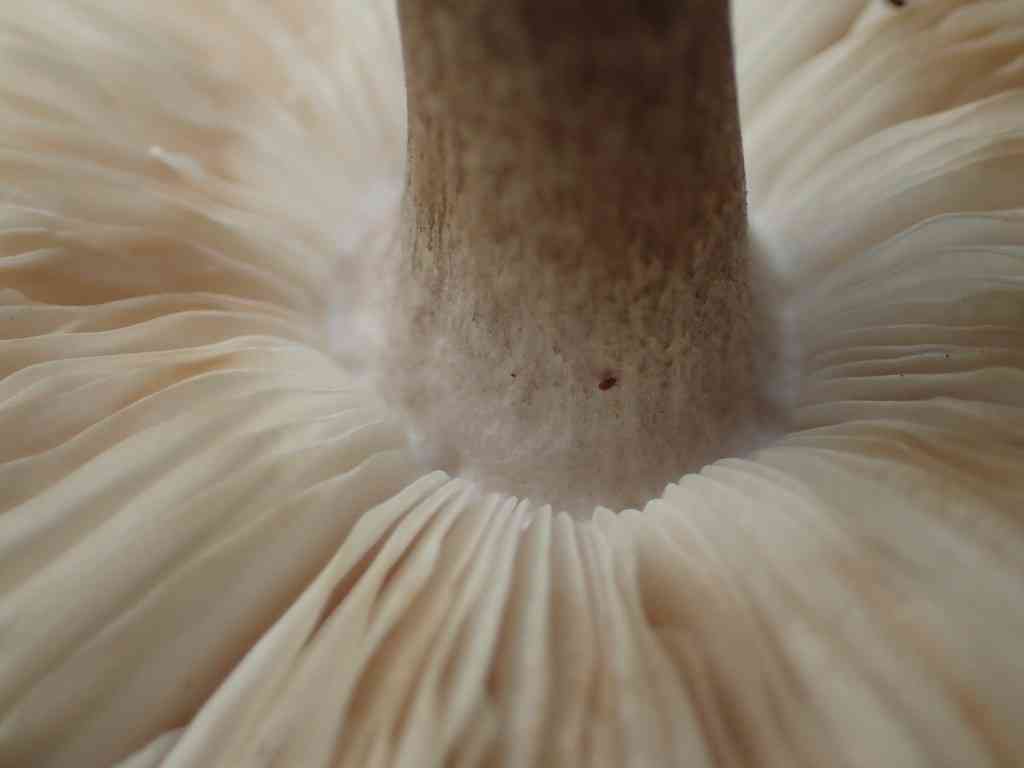
Free; moderately crowded; white or pale grey, becoming pale pink or brownish pink but with paler edges
Gill Attachment
Free
Stem
Stem 4 - 10 cm long, of 3 - 8 mm diameter; even or tapering slightly towards the apex, base abruptly bulbous; white
Stem Shapes
Cylindrical
Stem Surfaces
Smooth to slightly fibrous
Flesh
Firm; white becoming pale grey towards the base
Ring
Ringless
Spore Print Color
Pink
Odor
Mild, not distinctive or characteristic.
Body Color
BrownGrayWhite
Flesh Bruises
The flesh or milk does not discolor when bruised or cut.
Growth Form
Solitary, Gregarious
Nutrient Gathering
Saprophytic
Substrate
On soil, Wood Chips or Mulch
You can find Sooty shield by these plants
Ashes, European beech
Occurence Habitats
Deciduous Woodland, Disturbed Lands
Species Status
Widespread
Endangered Species
No
Scientific Classification of Sooty shield
Phylum
Club fungi
Class
Mushroom-forming fungi
Order
Gilled fungi
Family
Pluteaceae mushrooms
Genus
Pluteus
Toxicity and Edibility of Sooty shield
Is Sooty shield Toxic?
Toxicity information is not available for this mushroom. Always consult with an expert before consuming any wild mushrooms.

