Pluteus americanus
Pluteus americanus
A species of Pluteus.
When the stem and gills of Pluteus americanus are damaged, they exhibit a blue discoloration, a trait shared by only a few species within the Pluteus genus. While its presence extends to certain regions of eastern Russia, Pluteus americanus predominantly flourishes in territories located to the east of the North American Rocky Mountains.
In This Article
Attributes of Pluteus americanus
Cap Diameter
4 - 7 cm
Height
4 - 8 cm
Cap
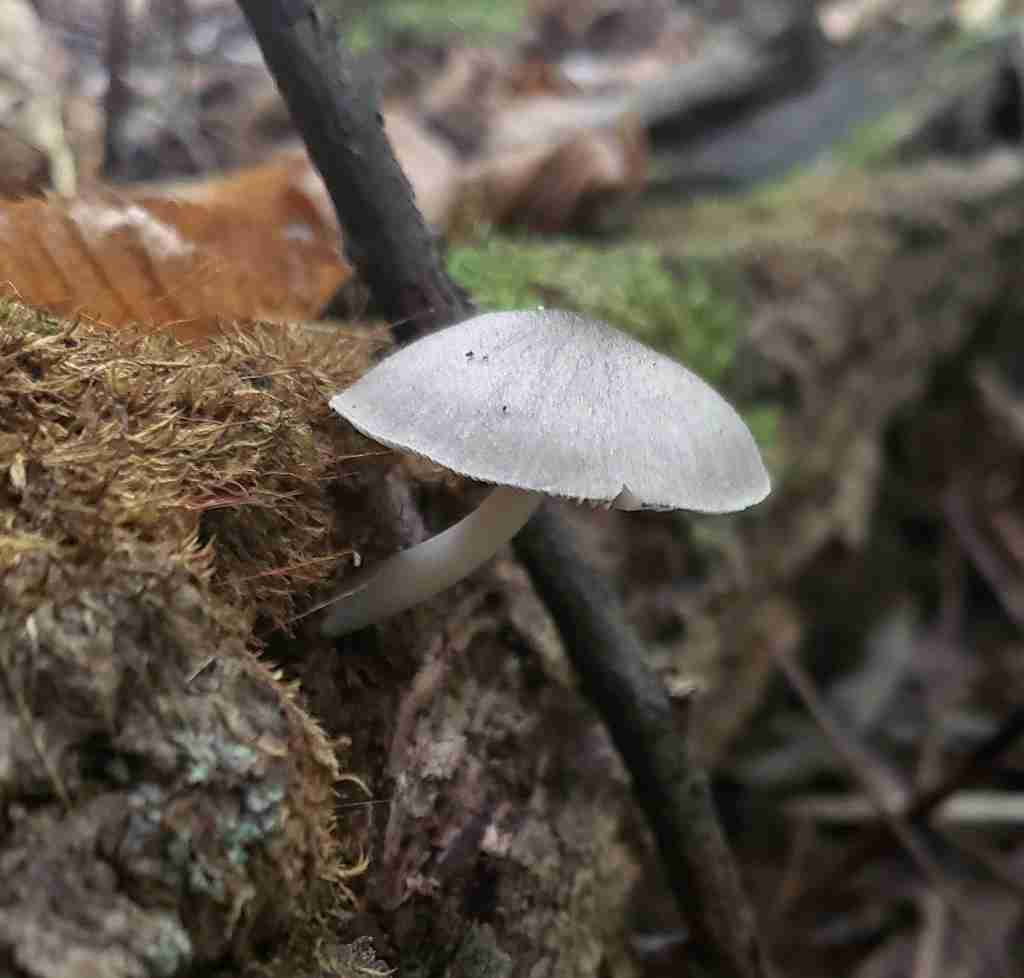
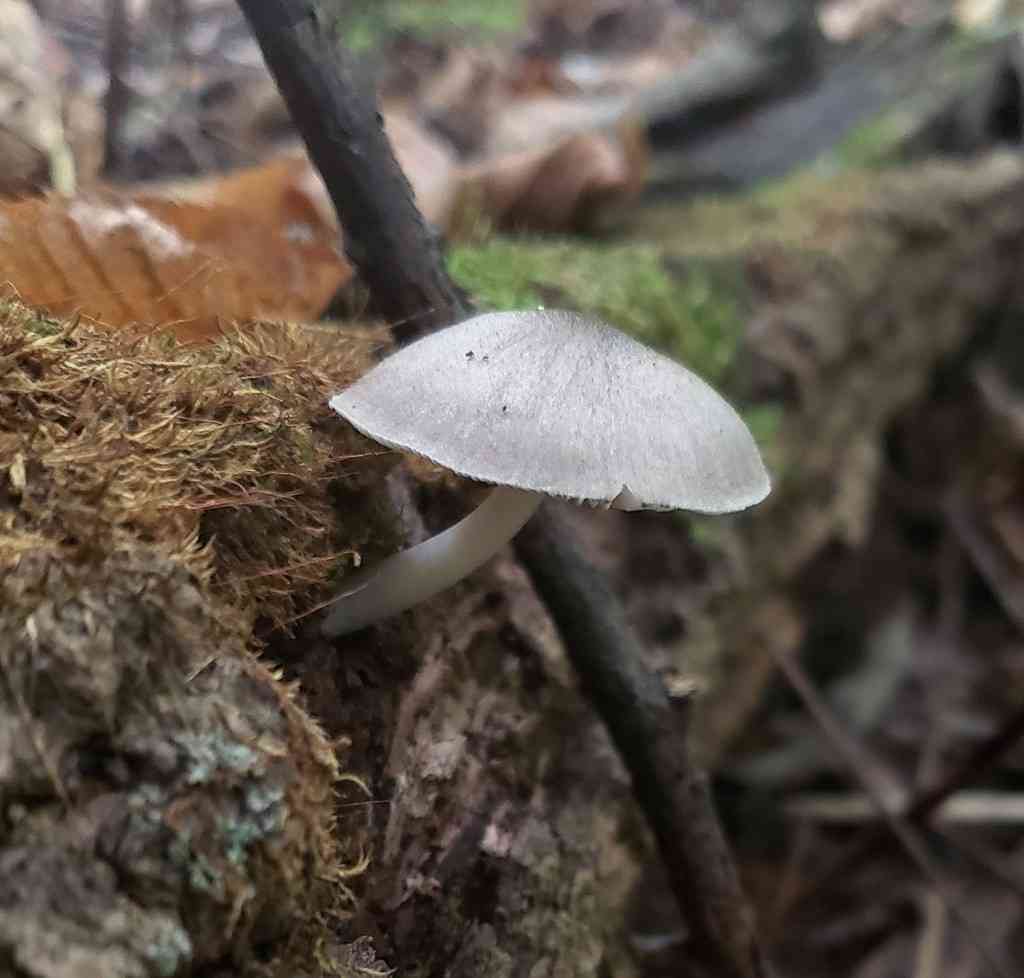
Cap 4 - 7 cm across; broadly convex to flat; brown, gray; with very finely scaly; margin finely lined
Cap Shape
Convex, Flat
Cap Surfaces
Fibrillose-scaly, Visible lines or stripes
Gills
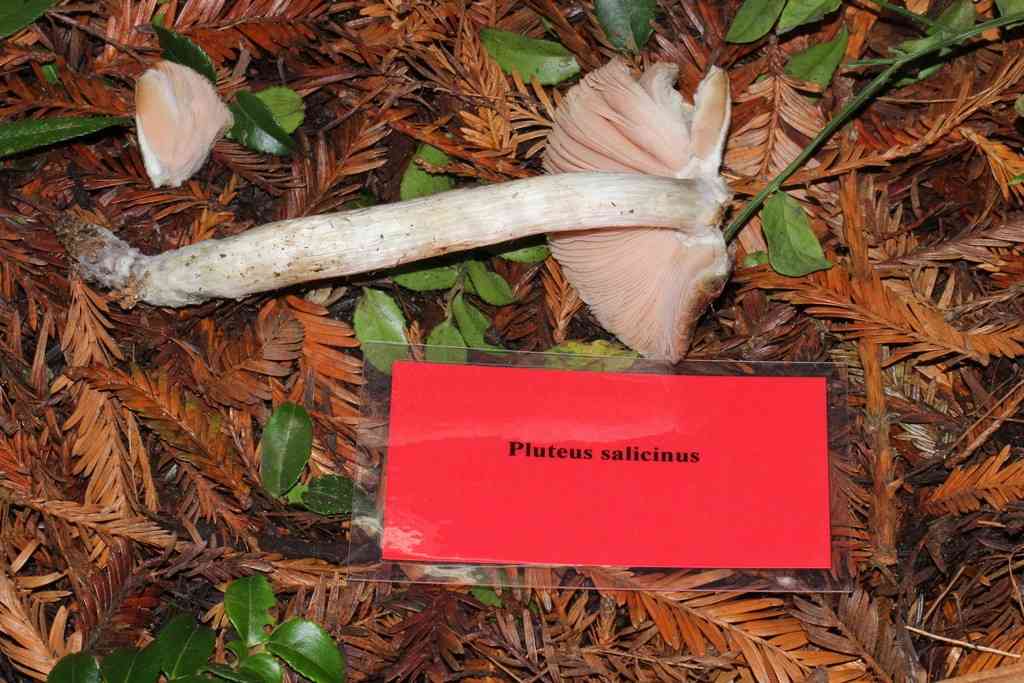
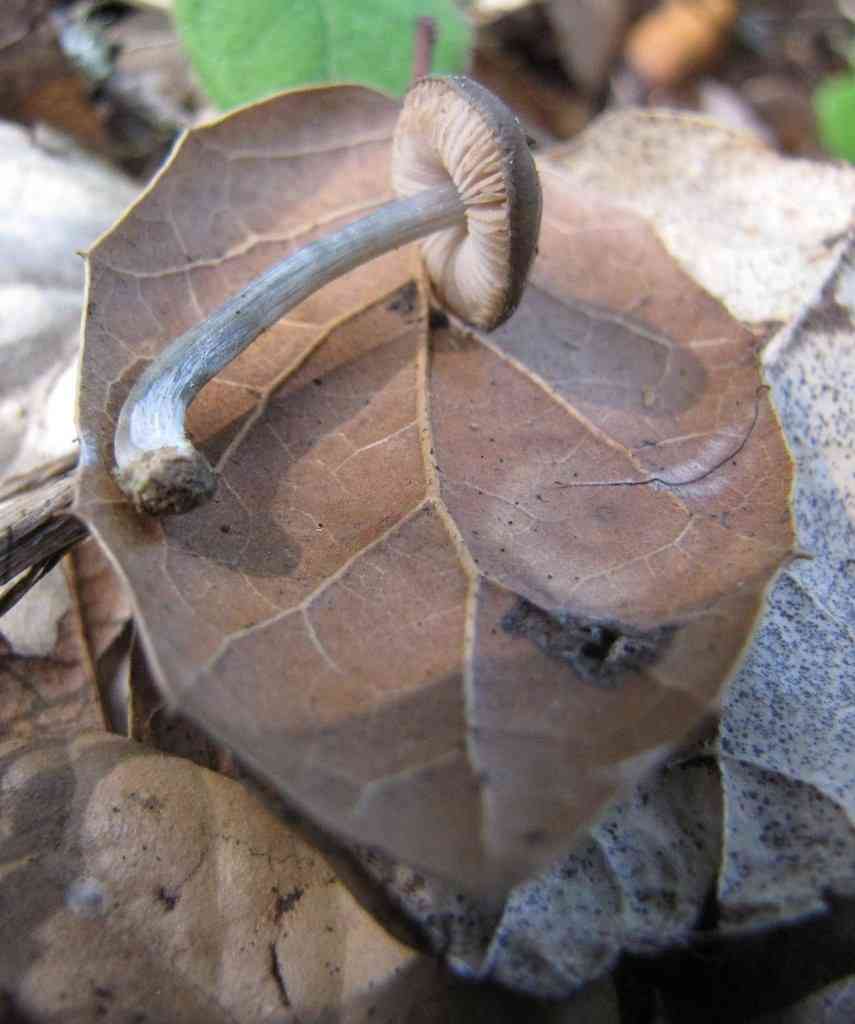
Free; close; white, pink, brownish pink; bruising grayish blue
Gill Attachment
Free
Stem
Stem 4 - 6 cm long, 3 - 5 mm thick; whitish, brownish; surface bald or finely hairy; display gray-blue when bruised
Stem Shapes
Cylindrical
Stem Surfaces
Smooth
Flesh
Very thin; white; unchanging when sliced
Ring
Ringless
Spore Print Color
Brownish pink
Odor
Mild, typically nondescript mushroom scent.
Body Color
BrownGrayWhite
Growth Form
Gregarious
Nutrient Gathering
Saprophytic
Substrate
Dead Woods
You can find Pluteus americanus by these plants
Coast live oak
Occurence Habitats
Deciduous Woodland
Species Status
Widely distributed
Endangered Species
No
Scientific Classification of Pluteus americanus
Phylum
Club fungi
Class
Mushroom-forming fungi
Order
Gilled fungi
Family
Pluteaceae mushrooms
Genus
Pluteus
Toxicity and Edibility of Pluteus americanus
Is Pluteus americanus Toxic?
Toxicity information is not available for this mushroom. Always consult with an expert before consuming any wild mushrooms.

