Pleurotus calyptratus
Pleurotus calyptratus
A species of Oysters.
Pleurotus calyptratus stands out as a unique fungal species, recognized by its particular cap morphology and inclination to colonize decomposing timber. This organism prospers in moist habitats and belongs to an expansive lineage celebrated for its varied shapes and proficiency in breaking down organic material. Within its ecosystem, Pleurotus calyptratus is instrumental in facilitating nutrient flow and promoting the well-being of the soil.
In This Article
Attributes of Pleurotus calyptratus
Cap Diameter
2 - 12 cm
Cap
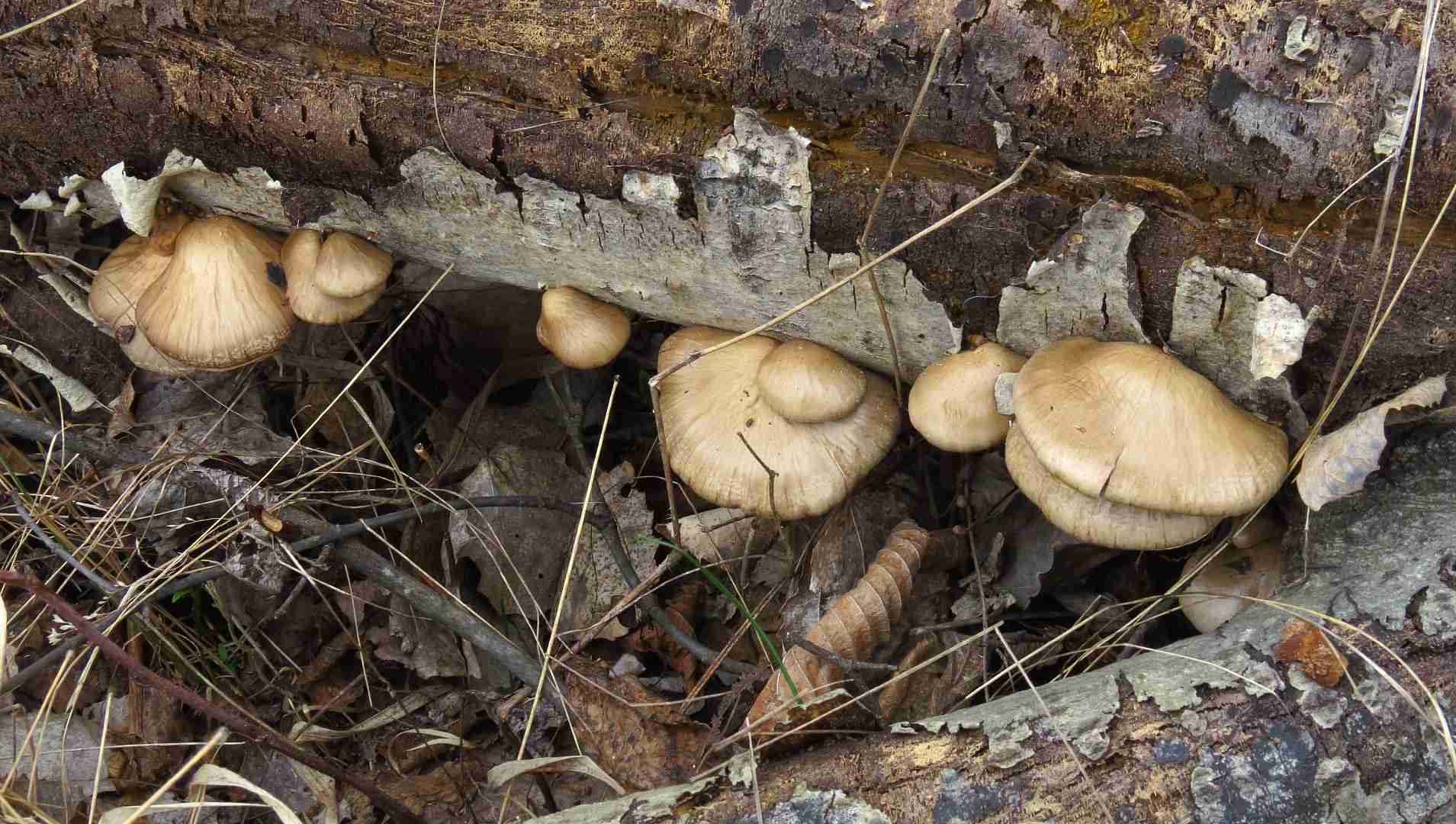
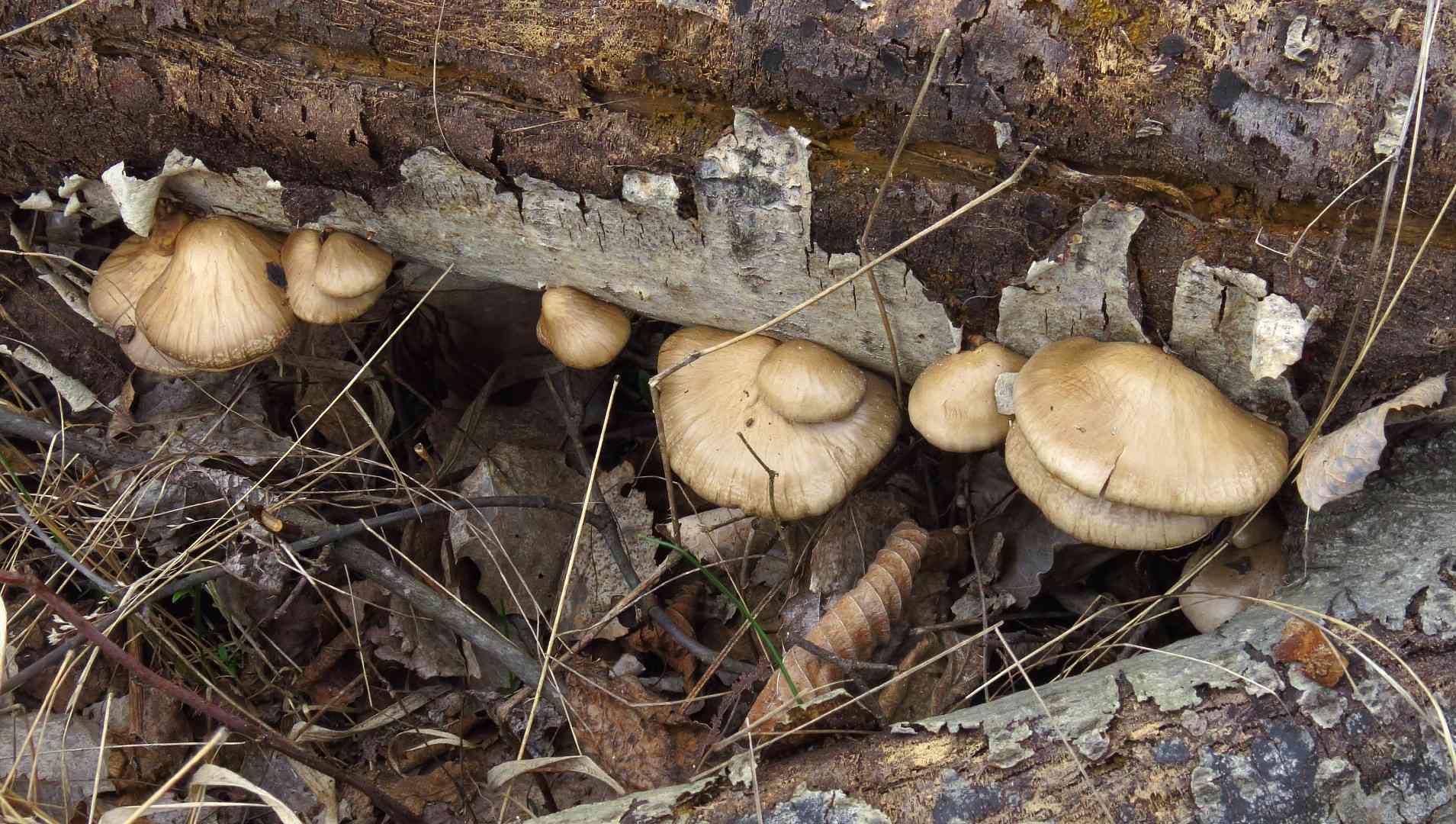
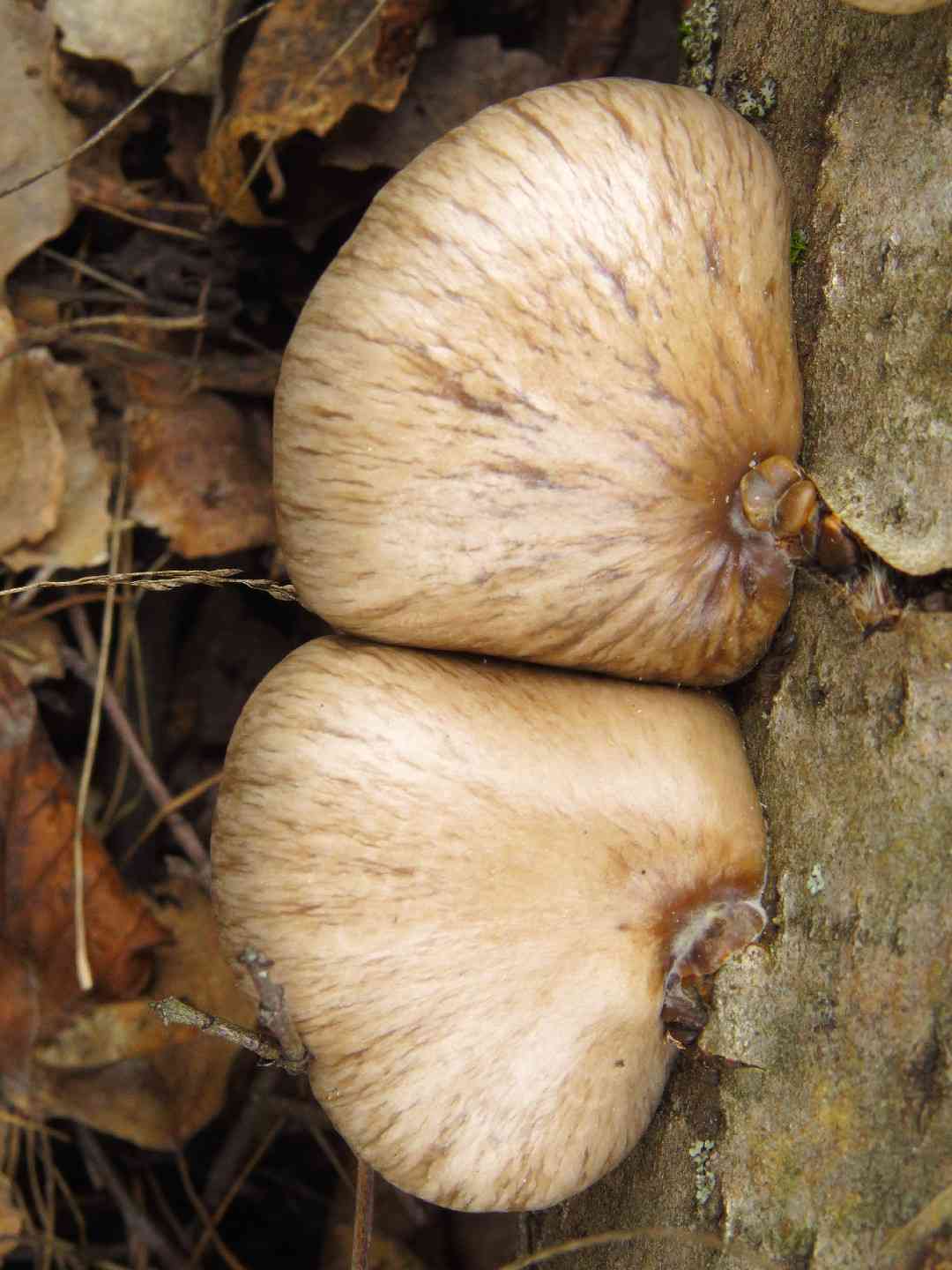
Cap 2.5 - 10 cm; convex; gray-brown color with a white shade; with partial velum connected to the stipe; edge incurved
Cap Surfaces
Slimy or slightly sticky
Gills
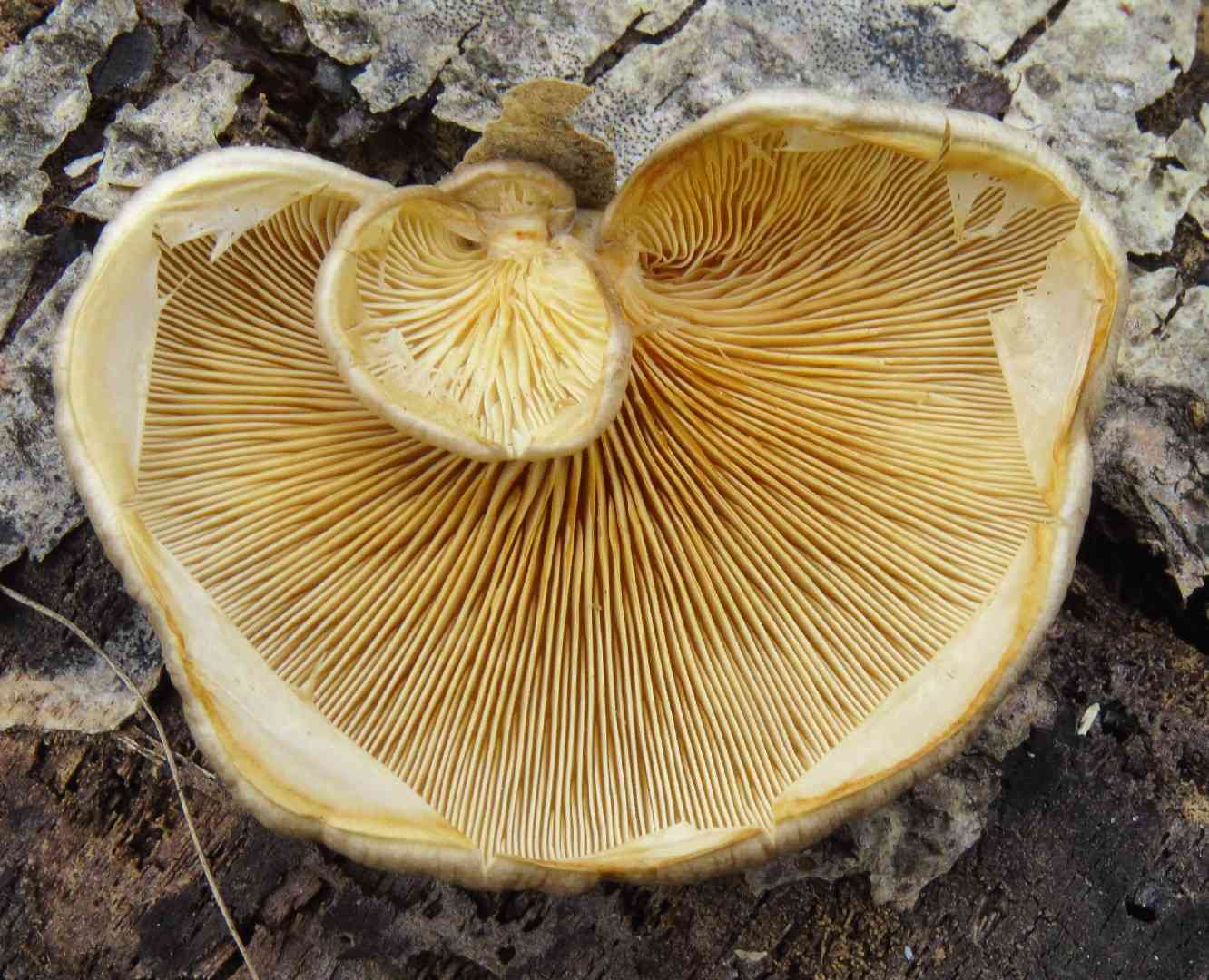
Adnate; spaced; white
Stem
Not exist
Flesh
White
Ring
Ringless
Spore Print Color
White
Odor
Honey sweet with a fruity, flour-like undertone.
Body Color
BrownGrayWhite
Flesh Bruises
The flesh or milk does not discolor when bruised or cut.
Growth Form
Solitary, Scattered, Gregarious
Nutrient Gathering
Saprophytic
Substrate
On wood
Species Status
Common in Ukraine, rare in other European countries
Endangered Species
Yes
Scientific Classification of Pleurotus calyptratus
Phylum
Club fungi
Class
Mushroom-forming fungi
Order
Gilled fungi
Family
The tree mushroom family
Genus
Oysters
Toxicity and Edibility of Pleurotus calyptratus
Is Pleurotus calyptratus Toxic?
Toxicity information is not available for this mushroom. Always consult with an expert before consuming any wild mushrooms.

