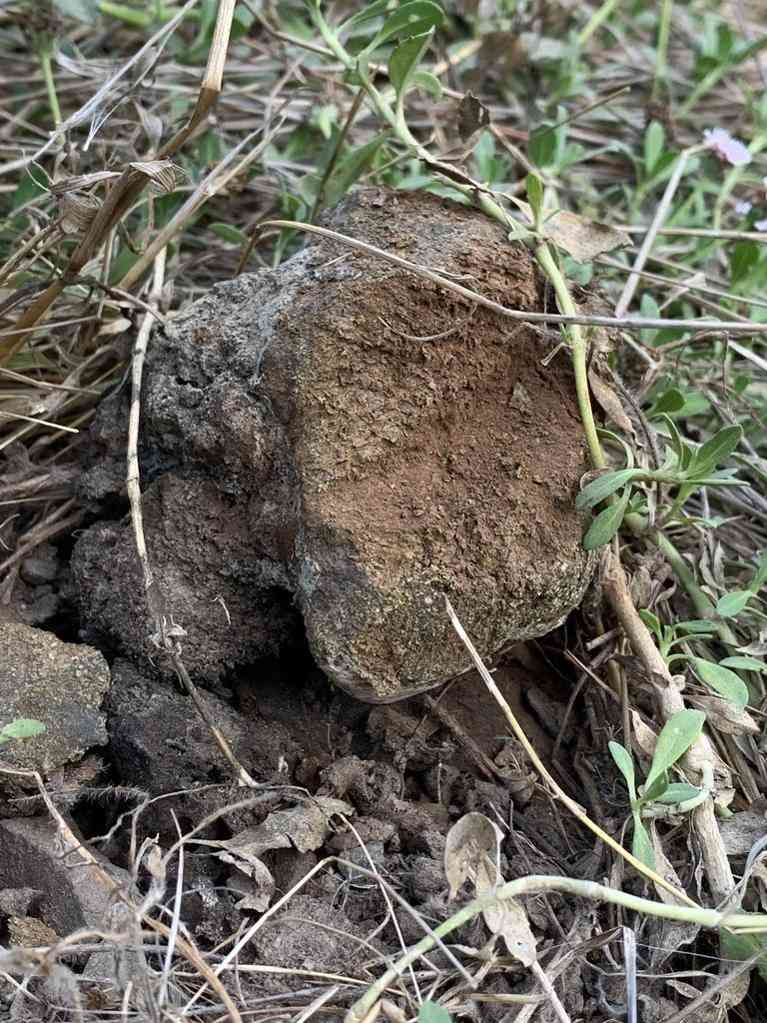
Dead man's foot
Pisolithus arhizus
A species of Pisolithus. Also known as Peaball, Dye-maker's false puffball, Church cemetery fungus.
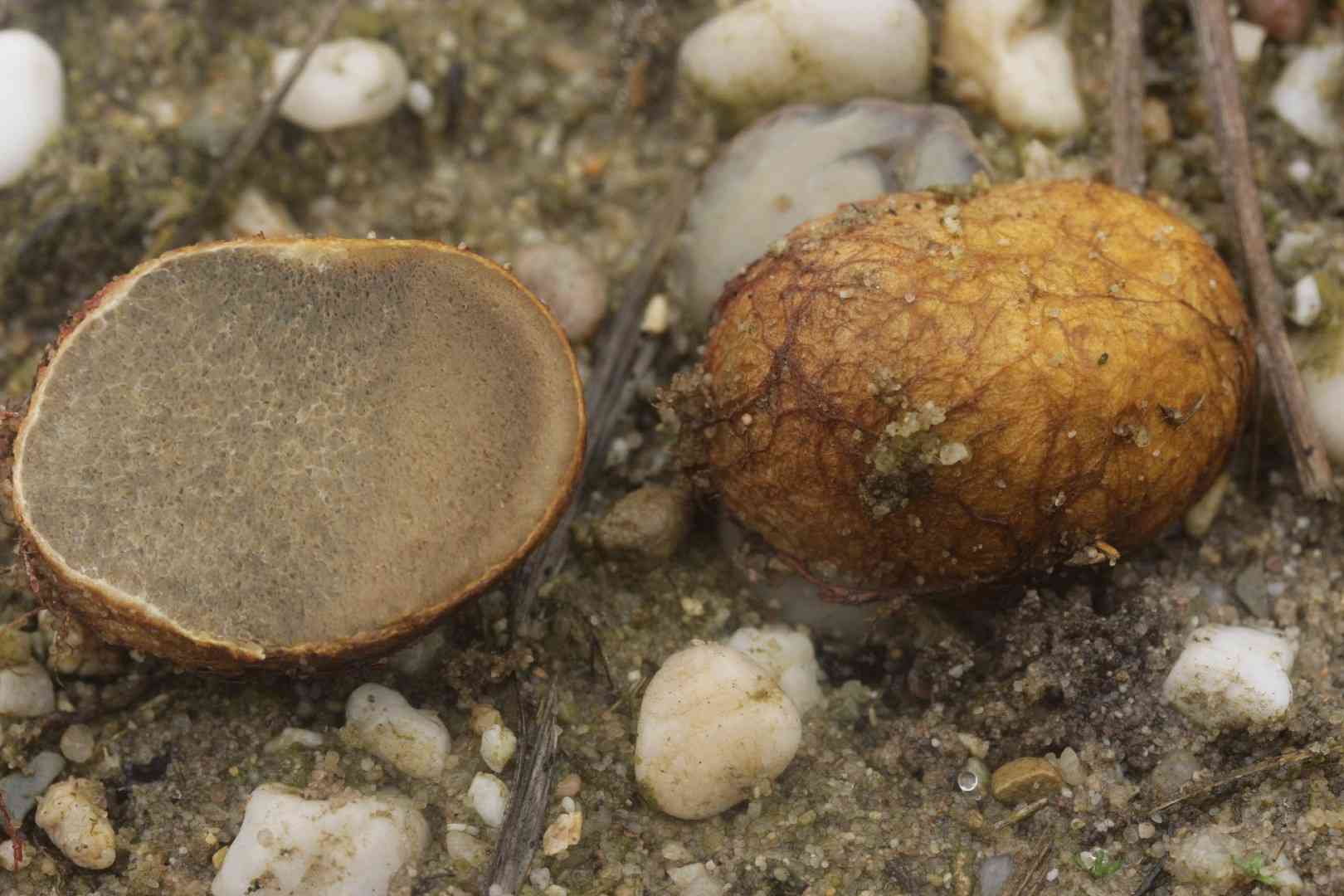
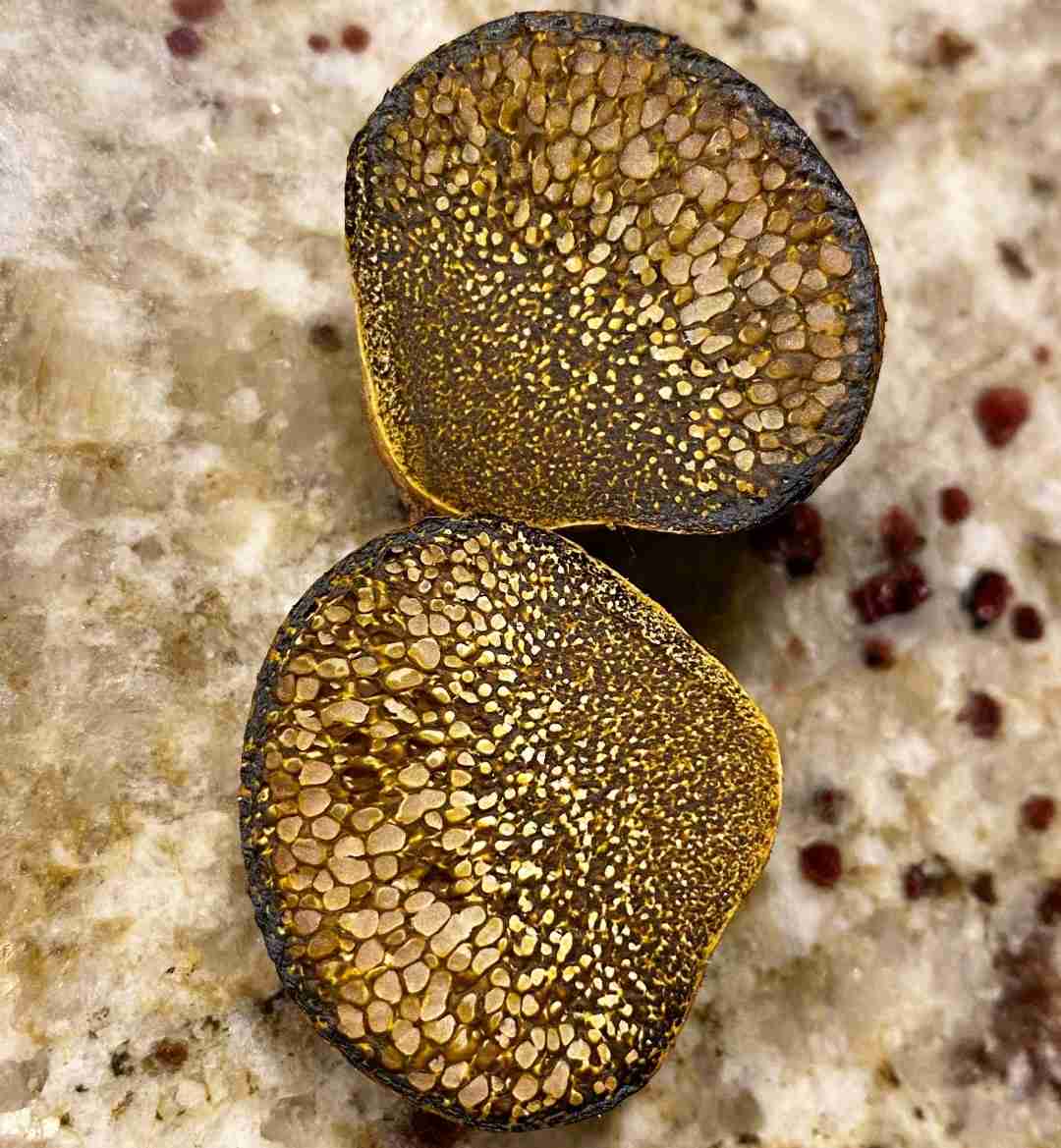
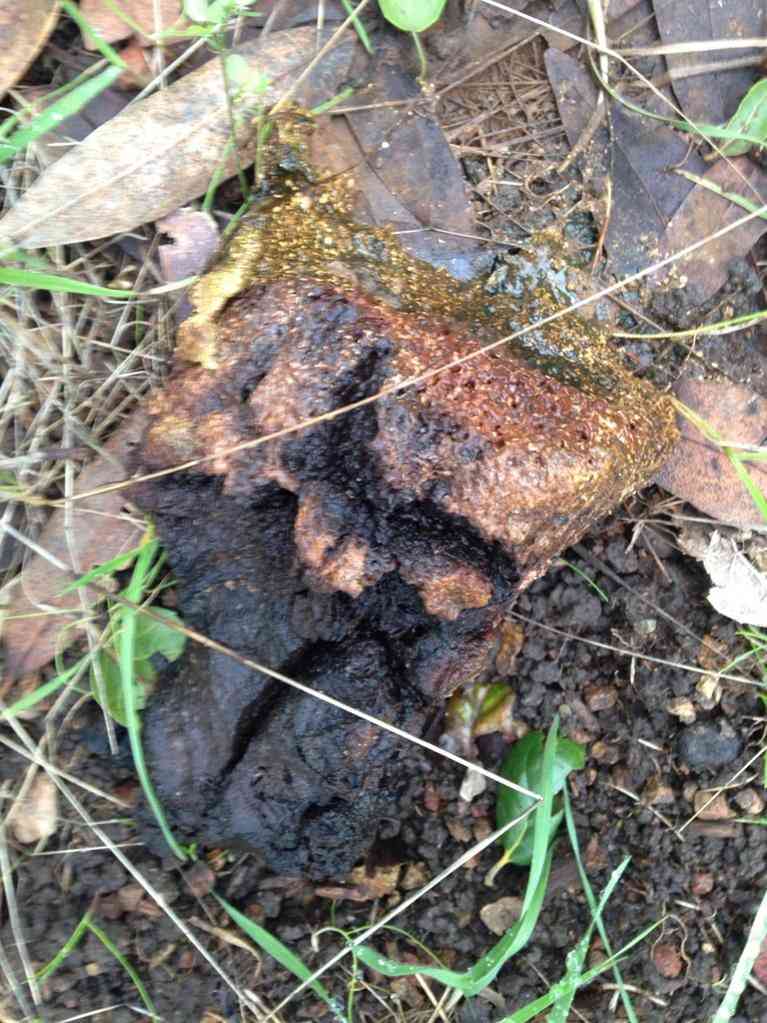
Pisolithus arhizus, commonly known as 'Dead man's foot,' is recognized by various vivid names that describe its unique look, for instance, 'horse dung fungus' in Australia. This fungus can be processed into a thick, dark gel, which serves as an organic dye for textiles. It is generally not considered suitable for consumption.
In This Article
Attributes of Dead man's foot
Height
5 - 30 cm
Cap
Pale ocher-brown, blackish brown; surface smooth
Flesh
Yellowish to brownish
Spore Print Color
Brown to cinnamon brown
Odor
Mild earthy smell, not particularly distinctive.
Body Color
BrownYellow
Flesh Bruises
The flesh or milk does not discolor when bruised or cut.
Growth Form
Solitary, Scattered, Gregarious
Nutrient Gathering
Mycorrhizal
Substrate
On soil
You can find Dead man's foot by these plants
Italian stone pine
Occurence Habitats
Coniferous Woodland, Mixed Woodland, Disturbed Lands
Species Status
Widespread
Endangered Species
No
Scientific Classification of Dead man's foot
Phylum
Club fungi
Class
Mushroom-forming fungi
Order
Boletes and allies
Family
Hard-skinned puffballs
Genus
Pisolithus
Toxicity and Edibility of Dead man's foot
Is Dead man's foot Toxic?
Toxicity information is not available for this mushroom. Always consult with an expert before consuming any wild mushrooms.