Ground Pholiota
Pholiota terrestris
A species of Scalycaps.
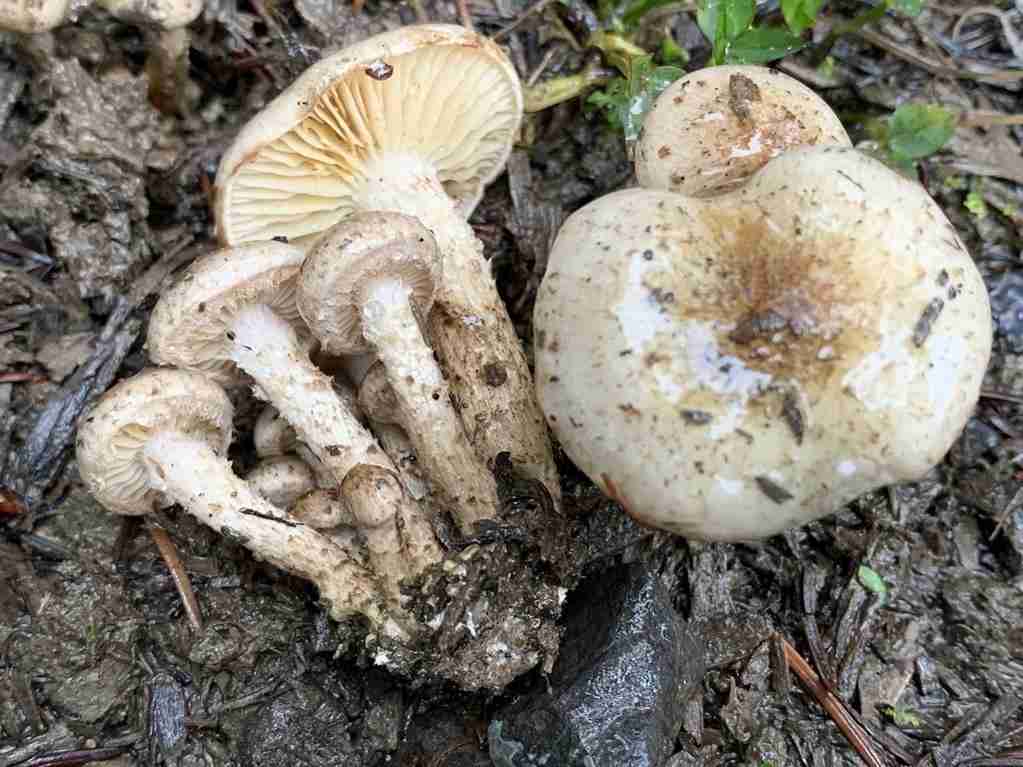
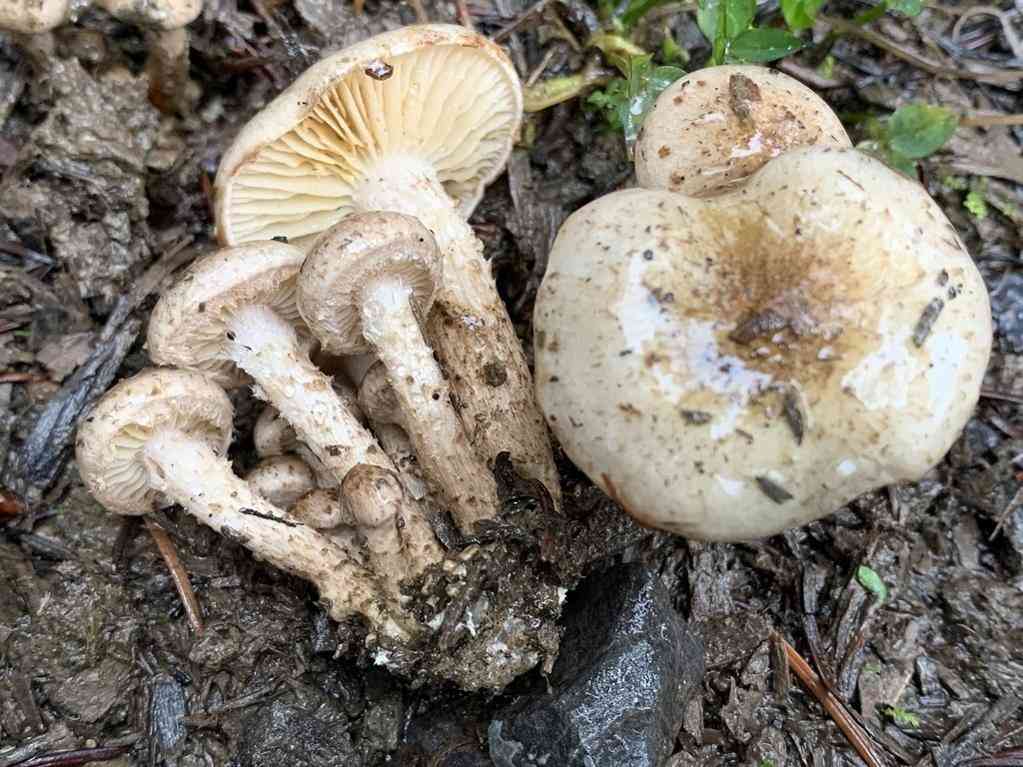
The Earthy Pholiota (Pholiota terrestris) is characterized by a stipe that extends taller than its pileus is broad. Distinct from many fungi, this species thrives in disrupted environments where others might falter, such as the compressed soil of footpaths and severe conditions found at roadsides.
In This Article
Attributes of Ground Pholiota
Cap Diameter
2 - 8 cm
Height
4 - 10 cm
Cap
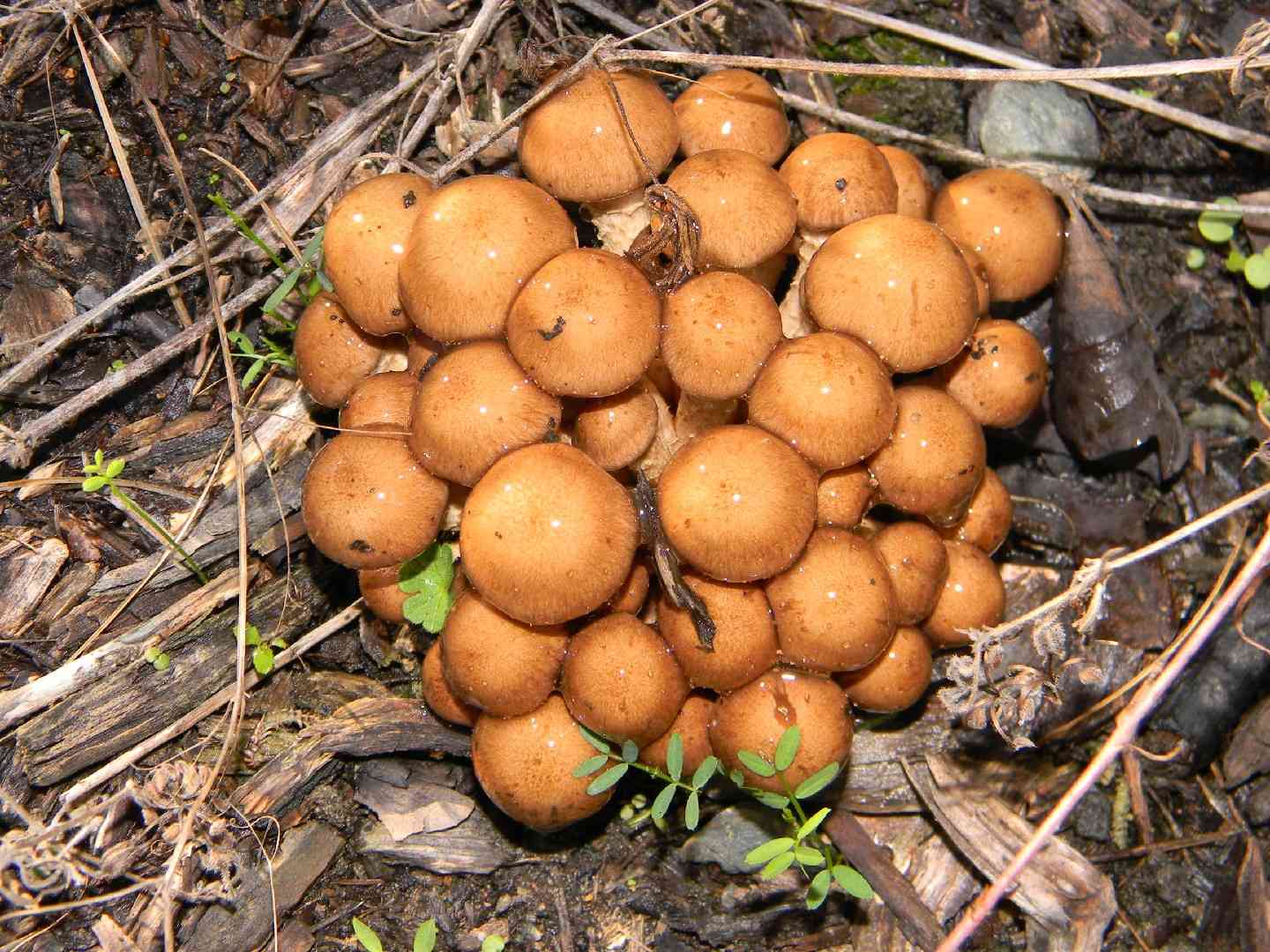
Cap 2 - 8 cm; convex, bell-shaped, flat; brown; margin usually finely hairy or scaly
Cap Shape
Convex, Bell-shaped, Flat, Central Bump
Cap Surfaces
Fibrillose-scaly, Slimy or slightly sticky
Gills
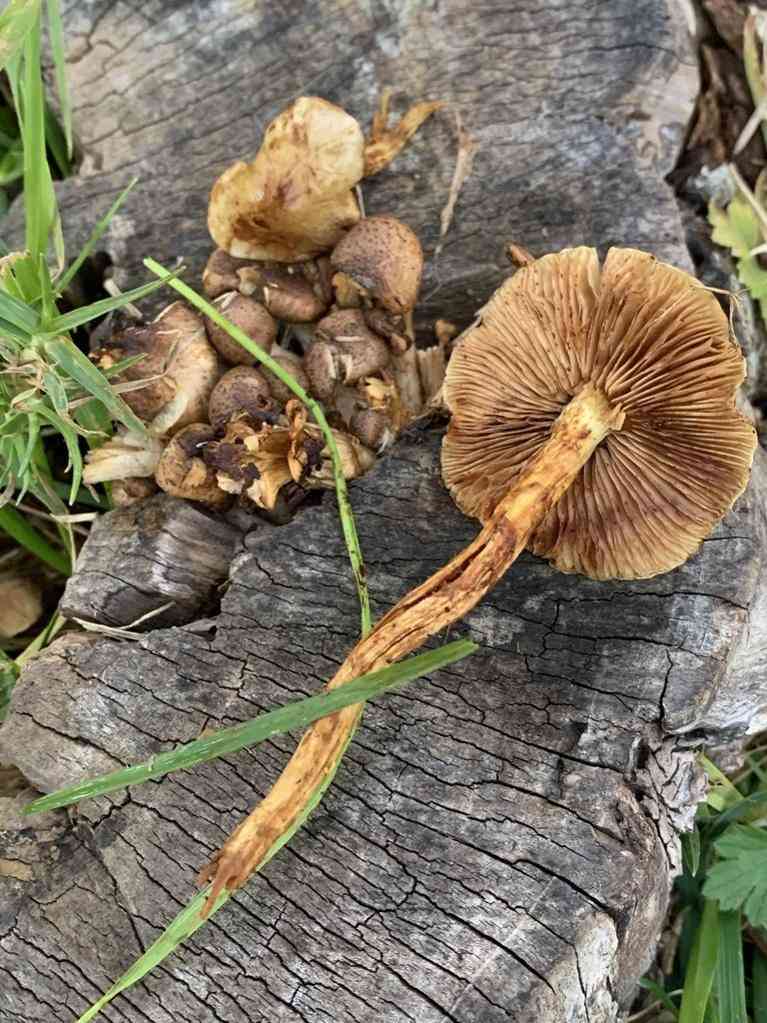
Adnexed; crowded; pale, yellowi, brown
Gill Attachment
Attached
Stem
Stem 3 - 8 cm long, up to 1 cm thick; whitish or pale tan, finely hairy and whitish or yellowish near the apex
Stem Shapes
Cylindrical
Stem Surfaces
Scaly
Flesh
Whitish, pale yellowish, or brownish
Ring
With Ring Zone
Spore Print Color
Brown
Odor
Mildly earthy, generally not distinctive.
Body Color
BrownYellowRedBronzeGrayWhite
Flesh Bruises
The flesh or milk does not discolor when bruised or cut.
Growth Form
Clustered, Gregarious
Nutrient Gathering
Saprophytic
Substrate
On soil, Dead Woods
Occurence Habitats
Disturbed Lands
Species Status
Widely distributed and common
Endangered Species
No
Scientific Classification of Ground Pholiota
Phylum
Club fungi
Class
Mushroom-forming fungi
Order
Gilled fungi
Family
Strophariaceae
Genus
Scalycaps
Toxicity and Edibility of Ground Pholiota
Is Ground Pholiota Toxic?
Toxicity information is not available for this mushroom. Always consult with an expert before consuming any wild mushrooms.

