Golden pholiota
Pholiota aurivella
A species of Scalycaps. Also known as Golden scalycap.
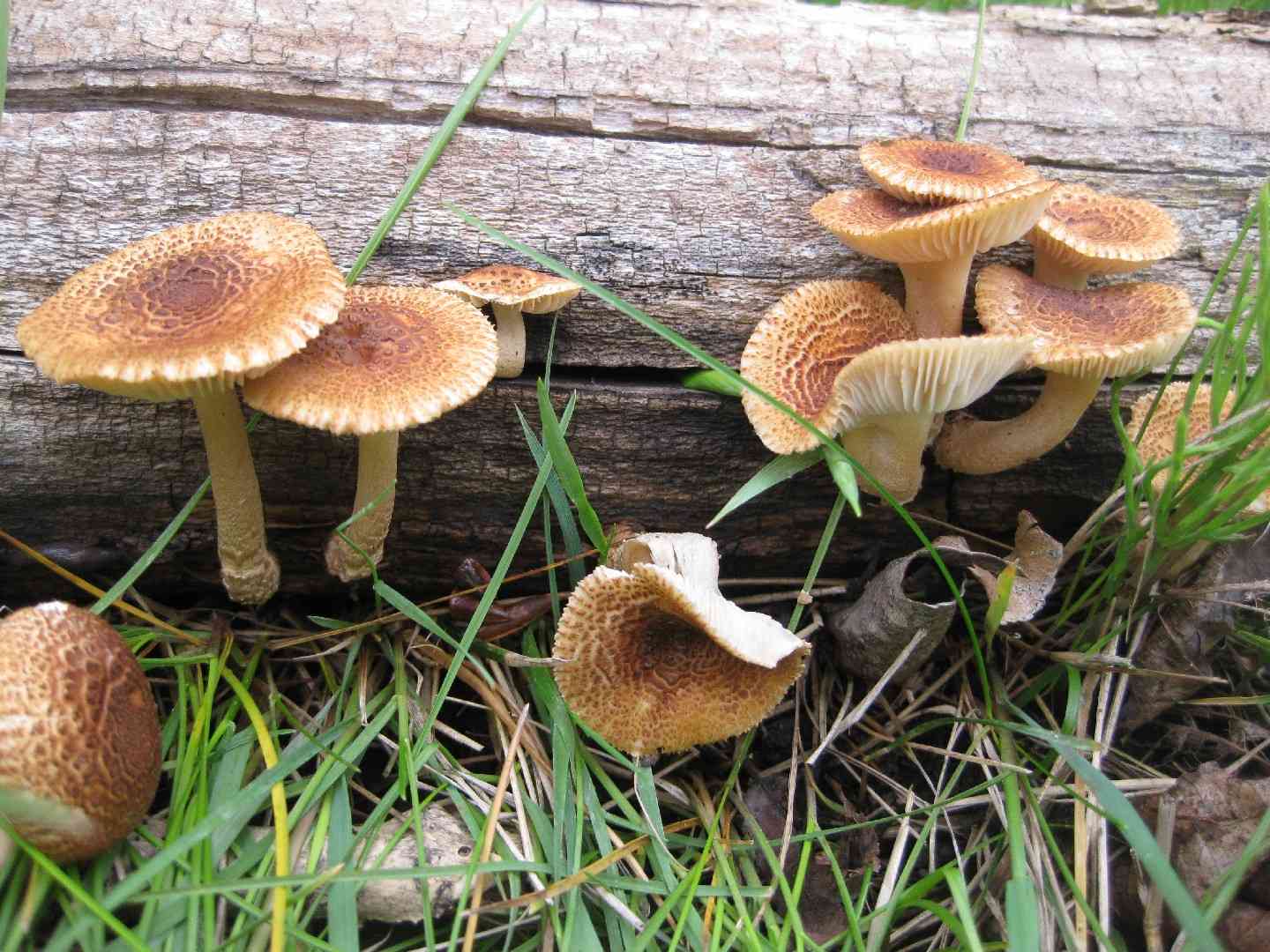
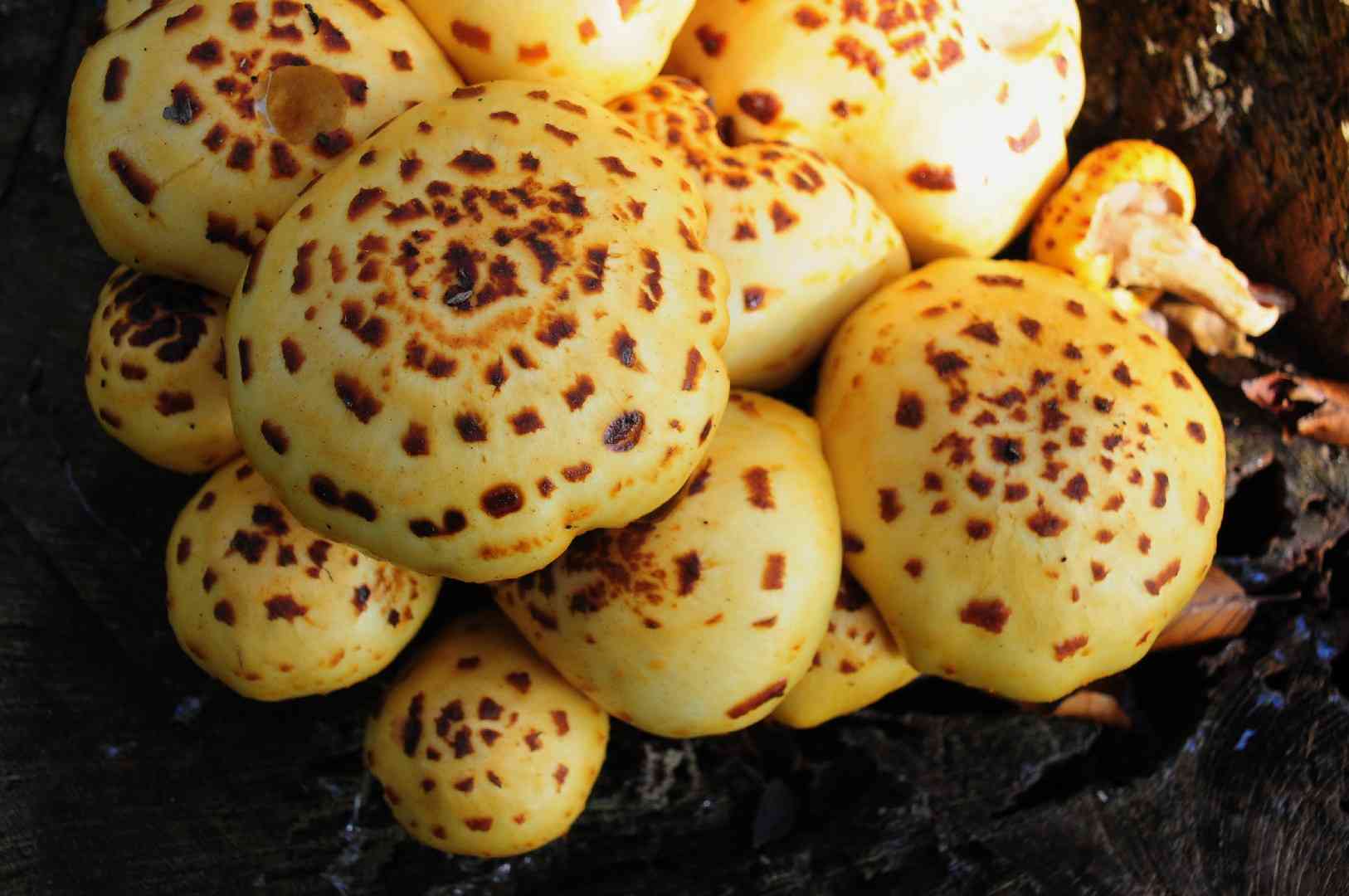
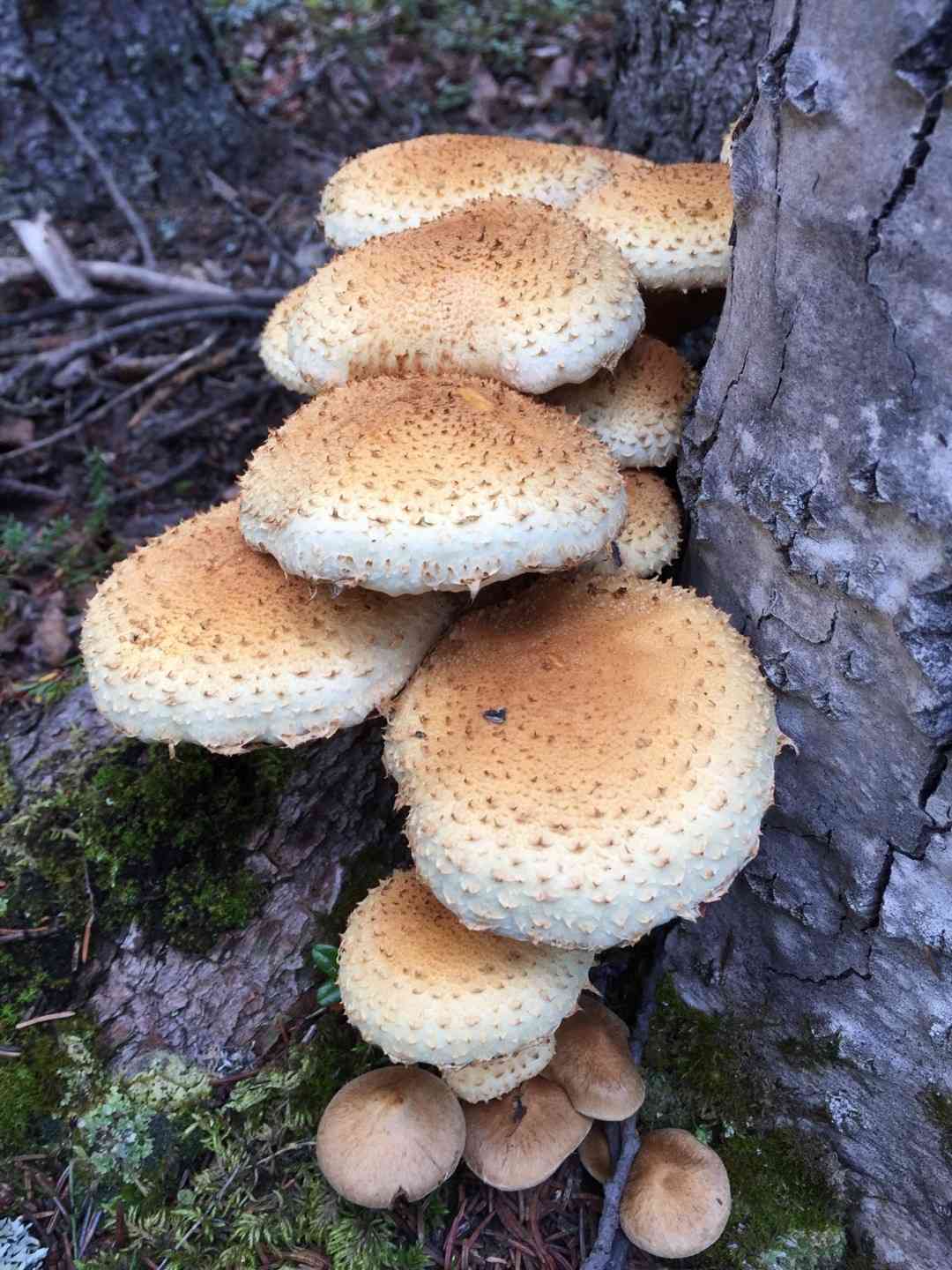
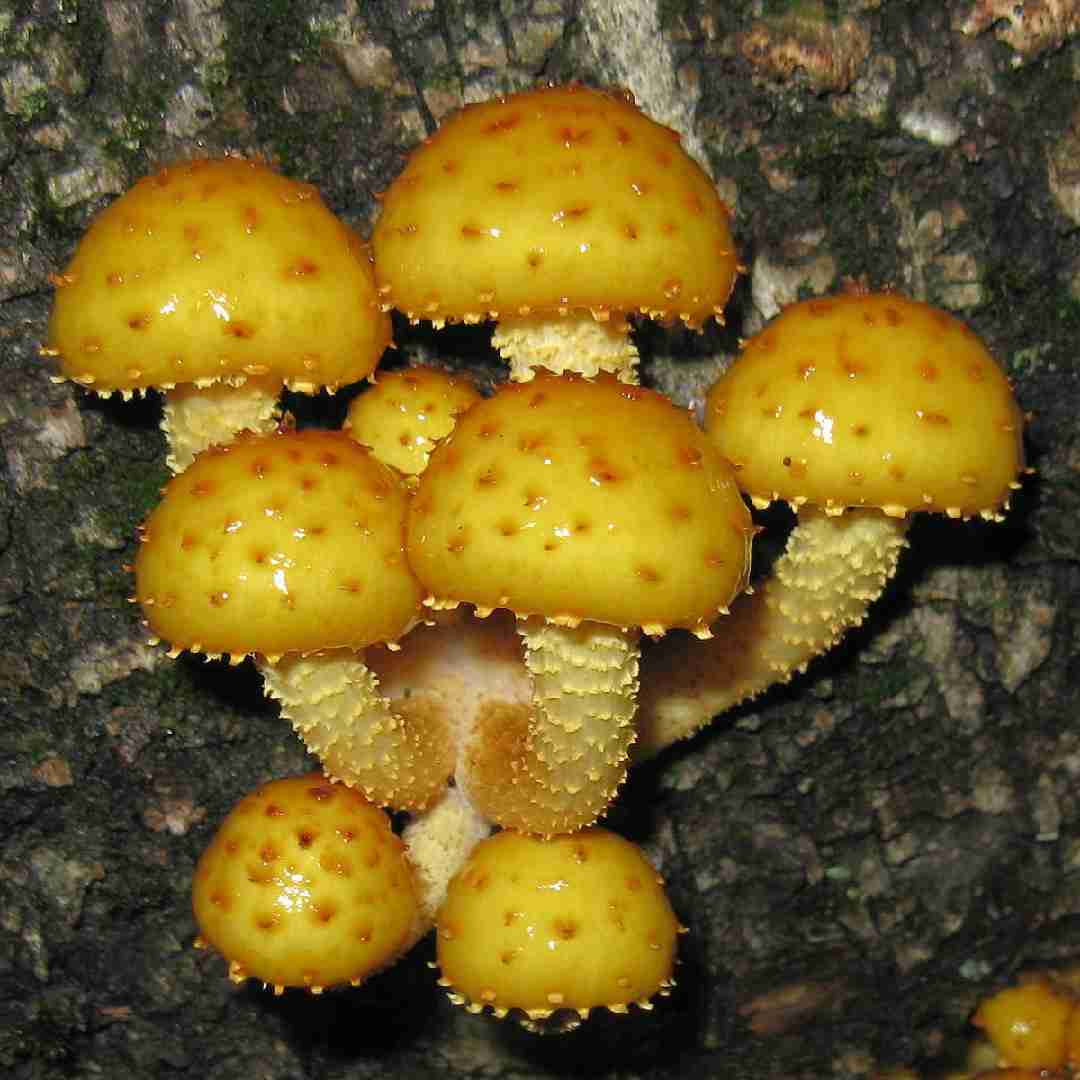
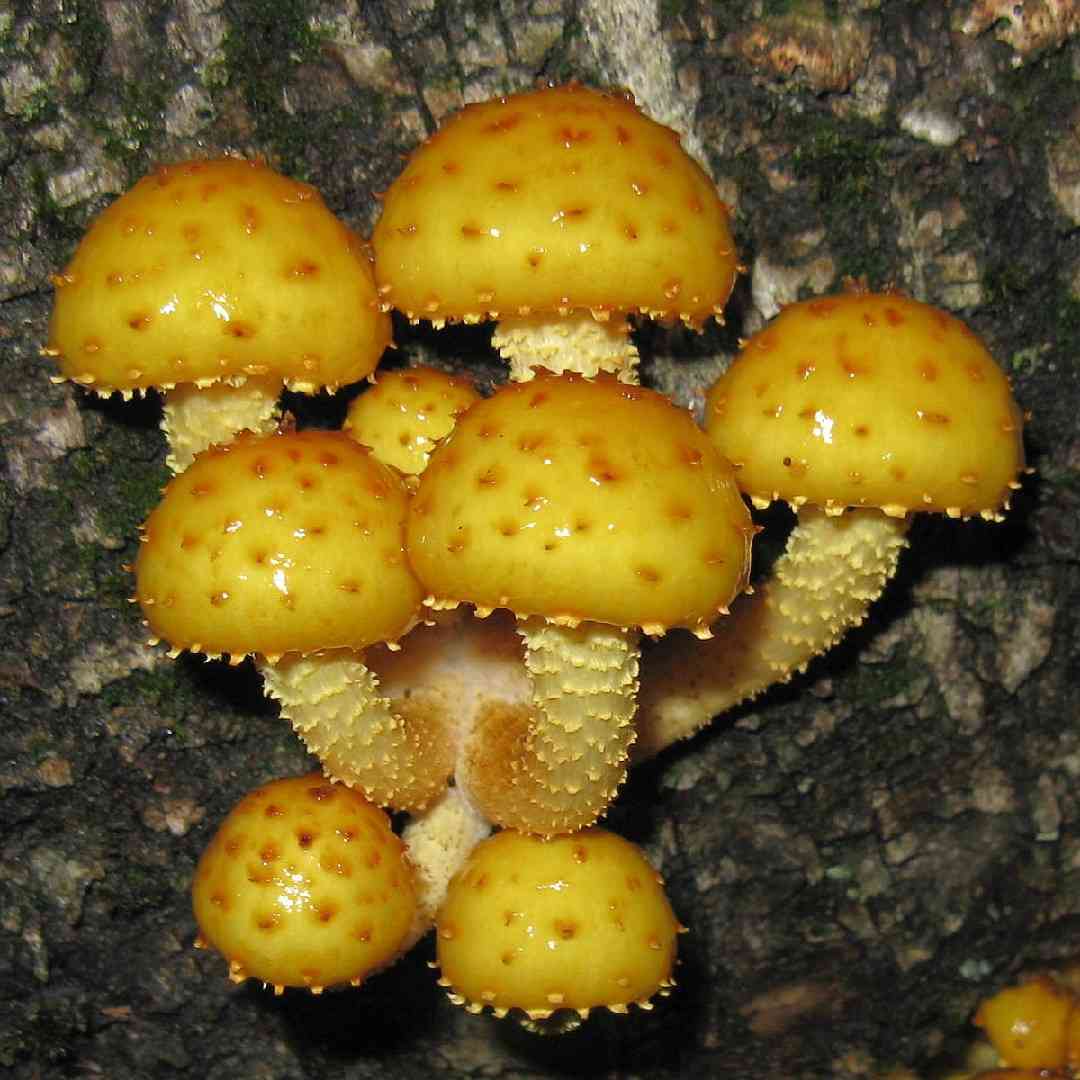
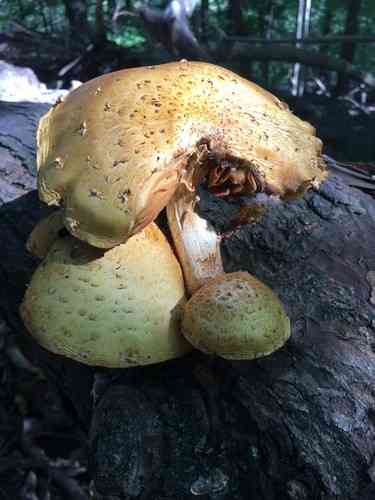
The golden pholiota, the largest species of Scalycap, grows across the northern hemisphere, typically on dead deciduous hardwoods like beeches. Its defining features include a greasy cap that develops dark scales. The genus name, Pholiota, translates to golden fleece, reflecting its color and texture. This mushroom is recognized for causing digestive upset and is deemed inedible.
In This Article
Attributes of Golden pholiota
Cap Diameter
4 - 16 cm
Height
4 - 10 cm
Cap
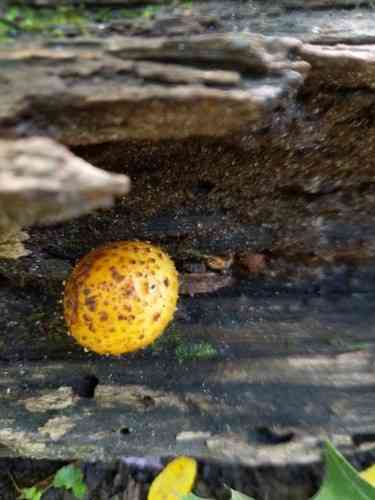
5 - 15 cm in diameter; hemispherical, convex to umbonate; yellow to ocher; slimy, with loose, reddish brown scales
Cap Shape
Convex
Cap Surfaces
Fibrillose-scaly, Slimy or slightly sticky
Gills
Adnate; crowded; cream to ocher to brown
Gill Attachment
Notched
Stem
Stem 6 - 12 mm in diameter and 3 - 9 cm tall; yellowish, covered in reddish brown scales; dry, with a cobwebby veil when young
Stem Shapes
Cylindrical
Stem Surfaces
Scaly
Flesh
Fibrous; yellowish
Ring
With Ring Zone
Spore Print Color
Brown
Odor
Mildly mushroomy, faintly sweet, no distinctiveness.
Body Color
YellowGoldWhite
Flesh Bruises
The flesh or milk does not discolor when bruised or cut.
Growth Form
Gregarious, Clustered
Nutrient Gathering
Saprophytic
Substrate
Dead Woods, Wood of Living Trees
Occurence Habitats
Deciduous Woodland, Coniferous Woodland
Species Status
Frequently
Endangered Species
No
Scientific Classification of Golden pholiota
Phylum
Club fungi
Class
Mushroom-forming fungi
Order
Gilled fungi
Family
Strophariaceae
Genus
Scalycaps
Toxicity and Edibility of Golden pholiota
Is Golden pholiota Toxic?
Toxicity information is not available for this mushroom. Always consult with an expert before consuming any wild mushrooms.