Wooly tooth
Phellodon tomentosus
A species of Stipitate hydnoid fungi.
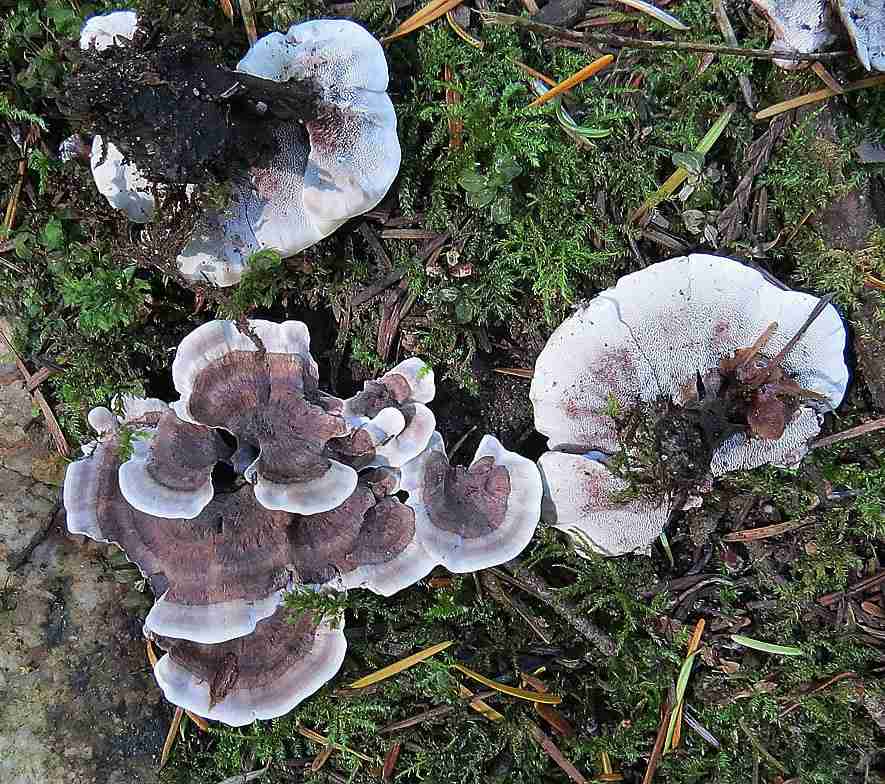
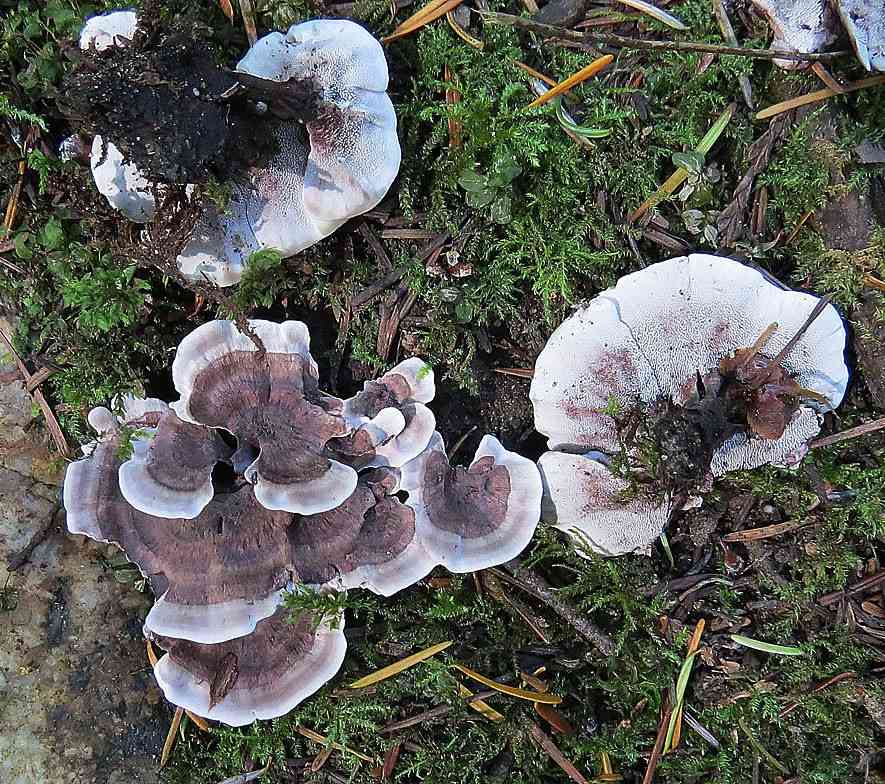
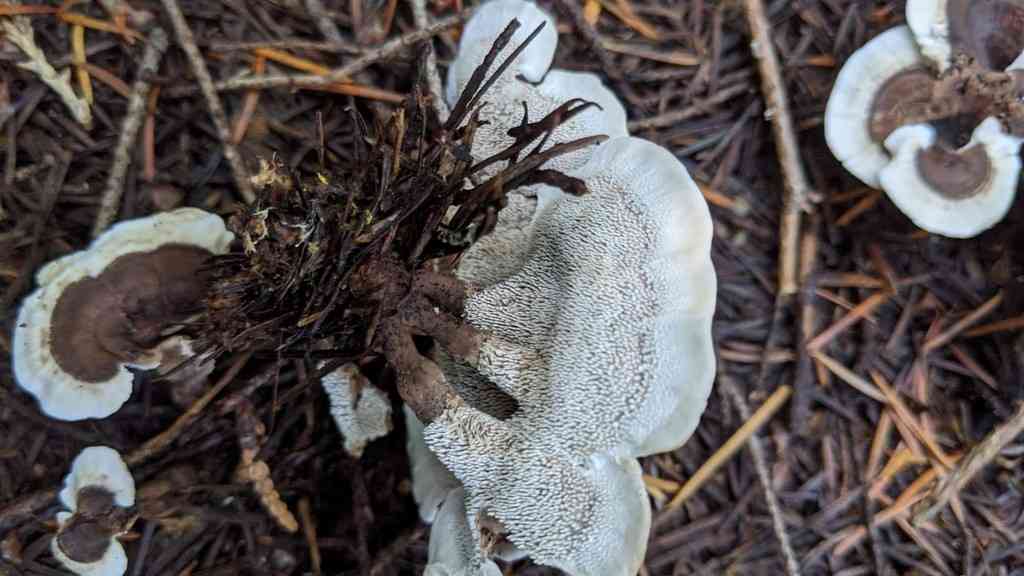
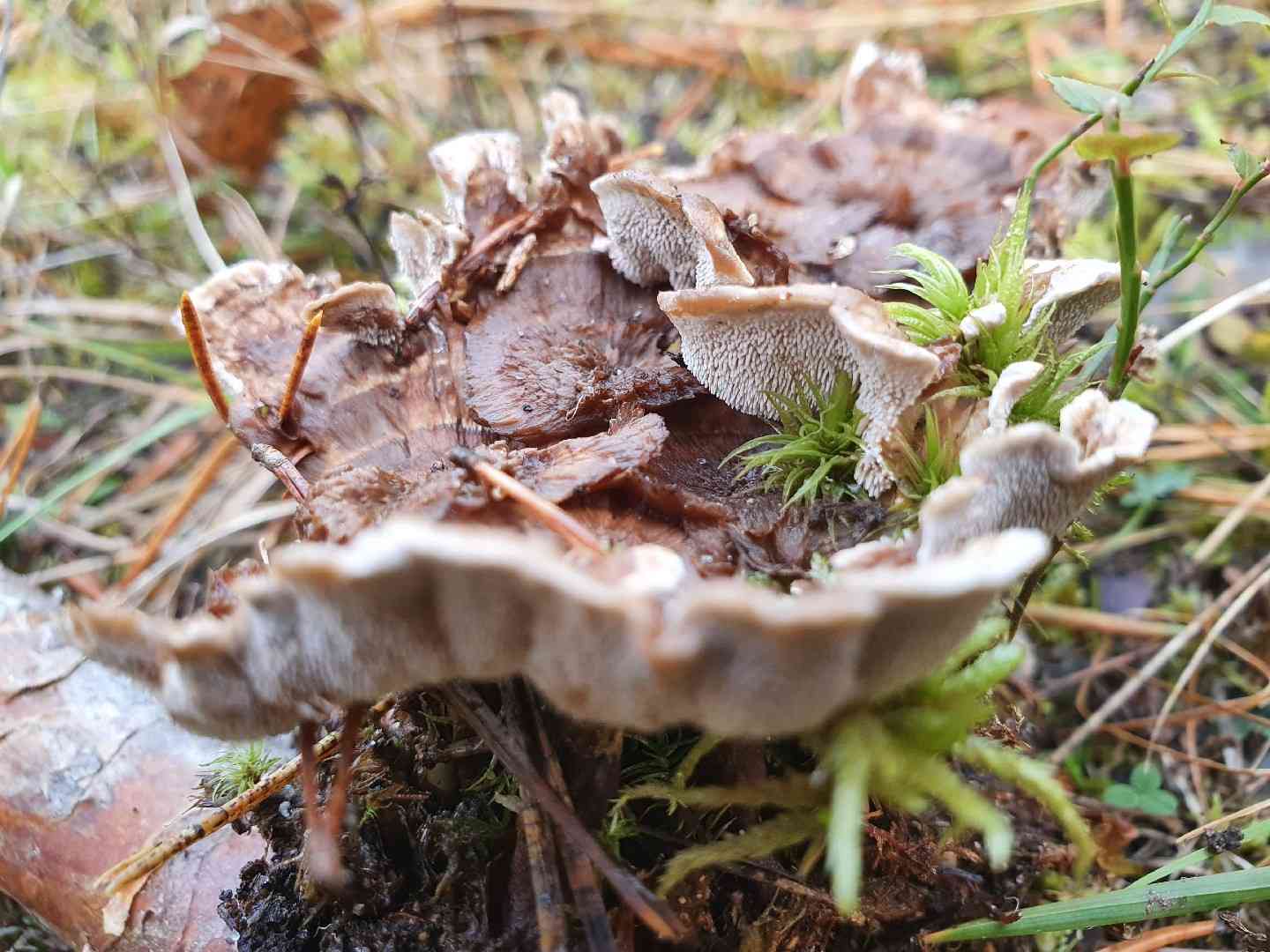
Hydnellum peckii, commonly known as the wooly tooth, typically thrives in coniferous woodlands, often spotted nestled amidst pine needles on the forest floor. This fungus is quite recognizable due to its robust, dark brown to black cap, and rather than conventional gills, it displays unique, tooth-like projections on its underside. It's an integral component of the forest's ecological framework, contributing significantly to the breakdown of organic debris.
In This Article
Attributes of Wooly tooth
Cap Diameter
1 - 6 cm
Height
1 - 5 cm
Cap
Cap 1.5 - 5 cm wide; broad, flat, or funnel-shaped; brown with a white margin; dry
Cap Shape
Flat, Depressed
Cap Surfaces
Fibrillose-scaly, Velvety
Stem
Stem 1 - 5 cm tall, 2 - 5 mm wide; felty, irregular; brownish
Flesh
Brown
Ring
Ringless
Spore Print Color
White
Odor
Reminiscent of lovage or cinnamon.
Body Color
BrownWhite
Flesh Bruises
The flesh or milk does not discolor when bruised or cut.
Growth Form
Solitary, Scattered, Gregarious
Nutrient Gathering
Mycorrhizal
Substrate
On soil
You can find Wooly tooth by these plants
Spruces, Firs, Pines, Mugo pine
Occurence Habitats
Coniferous Woodland
Species Status
Common
Endangered Species
No
Scientific Classification of Wooly tooth
Phylum
Club fungi
Class
Mushroom-forming fungi
Order
Thelephorales
Family
Bankeraceae
Genus
Stipitate hydnoid fungi
Toxicity and Edibility of Wooly tooth
Is Wooly tooth Toxic?
Toxicity information is not available for this mushroom. Always consult with an expert before consuming any wild mushrooms.

