Cracked cap polypore
Phellinus robiniae
A species of Phellinus.
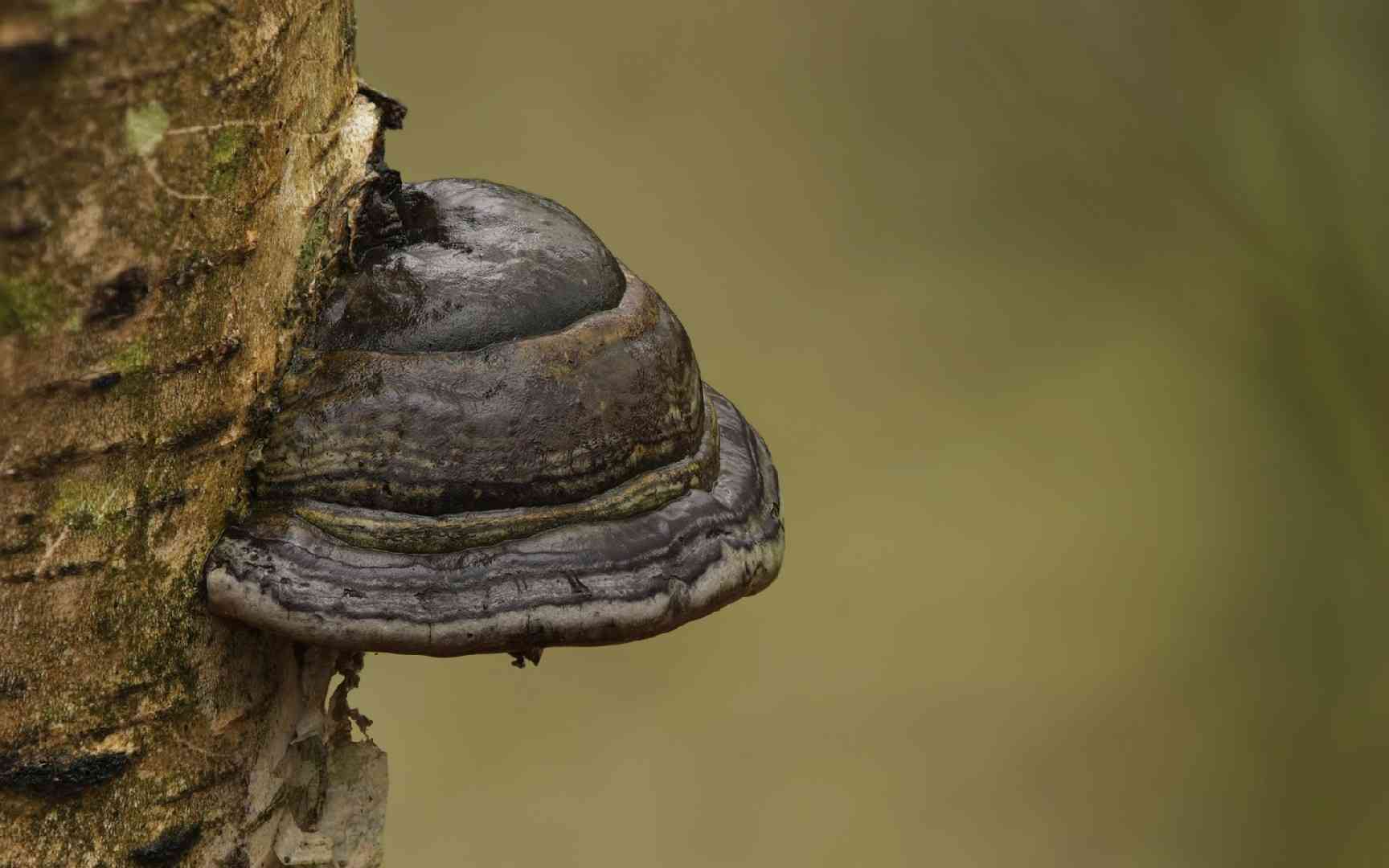
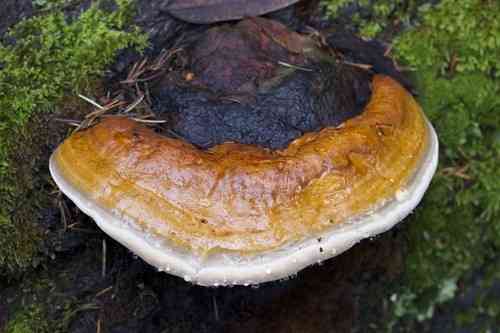
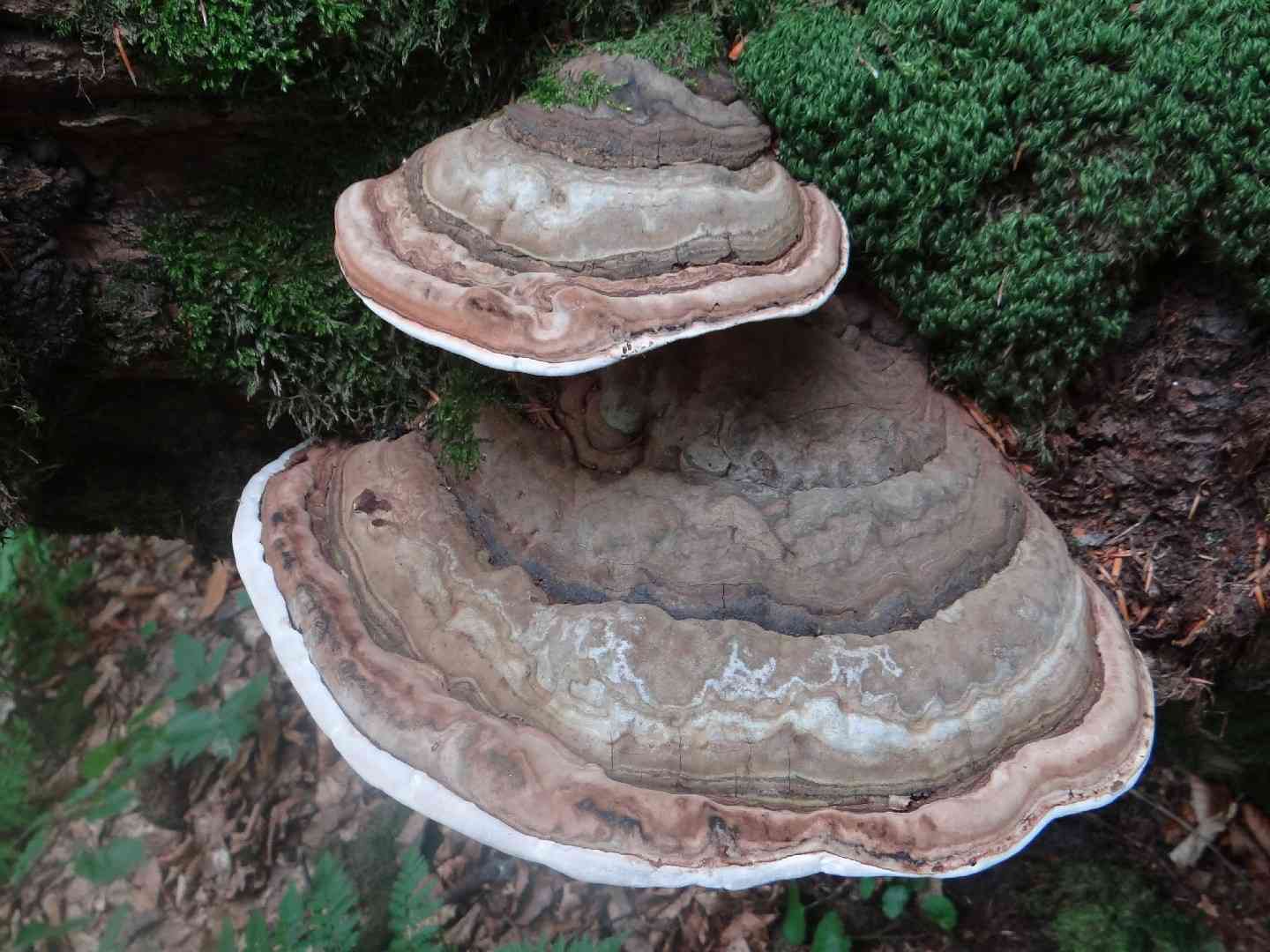
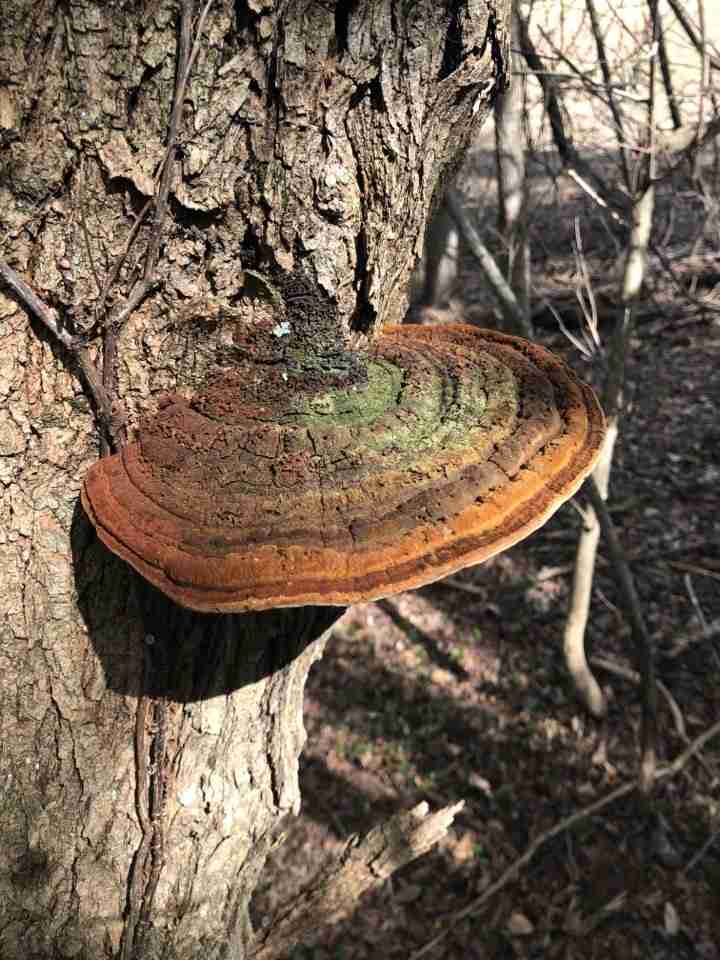
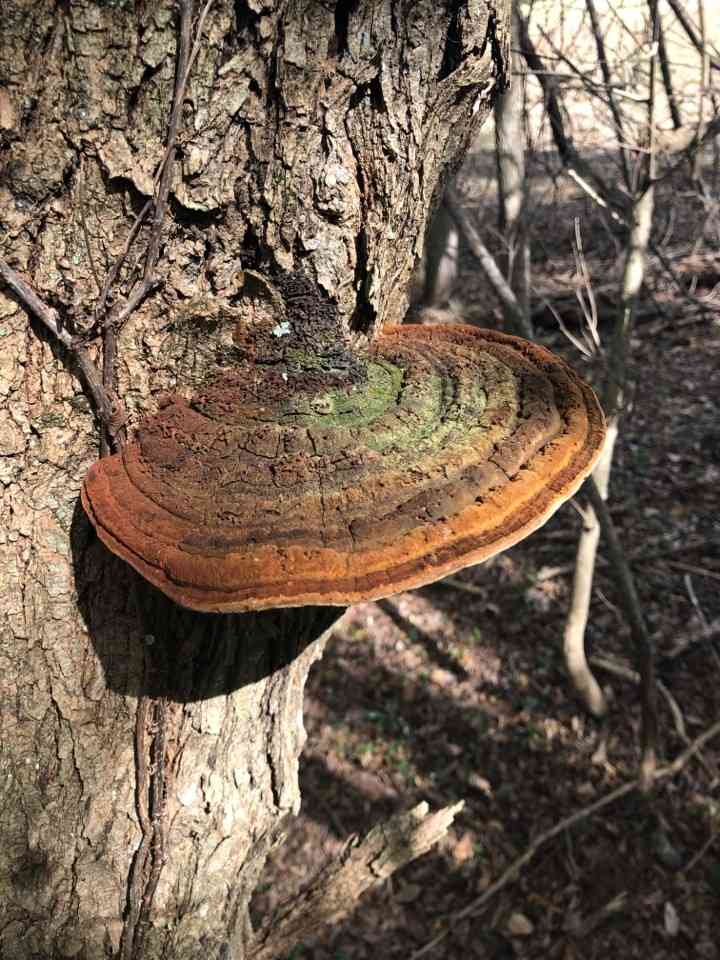
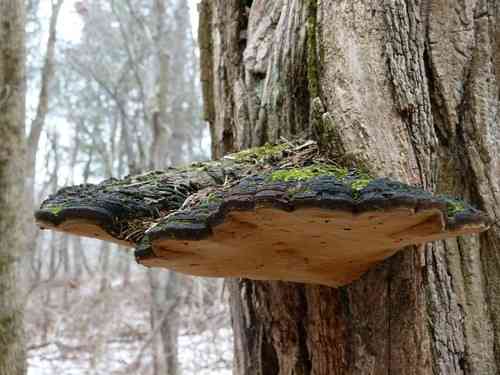
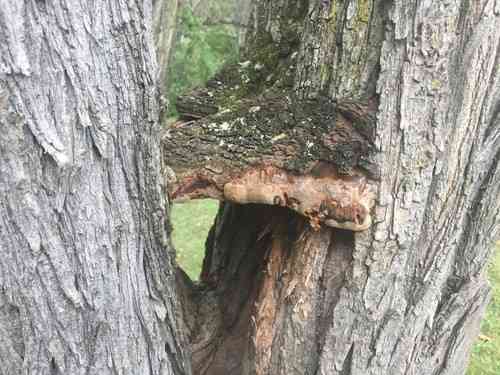
The Phellinus robiniae, commonly known as the cracked cap polypore, emerges directly from the trunks of black locust trees, forming a distinctive semi-circular growth. Its cap, resembling a disc embedded in the wood, displays concentric rings of color varying from light brown to black. These fungi can achieve considerable size. As the cap develops, its surface transforms, becoming corrugated and taking on a texture akin to tree bark.
In This Article
Attributes of Cracked cap polypore
Cap Diameter
10 - 45 cm
Height
5 - 16 cm
Cap
Cap up to 40 cm across; kidney-shaped, convex; brown or black
Cap Shape
Convex
Cap Surfaces
Velvety, Fibrillose-scaly
Stem
Absent
Flesh
Woody; brown
Spore Print Color
Brown
Odor
Fresh, pleasantly woodsy when new.
Body Color
BrownBlack
Flesh Bruises
The flesh or milk does not discolor when bruised or cut.
Growth Form
Solitary, Gregarious
Nutrient Gathering
Saprophytic, Parasitic
Substrate
Wood of Living Trees, Dead Woods
You can find Cracked cap polypore by these plants
Black locust
Occurence Habitats
Deciduous Woodland
Species Status
Widely distributed
Endangered Species
No
Scientific Classification of Cracked cap polypore
Phylum
Club fungi
Class
Mushroom-forming fungi
Order
Hymenochaetales
Family
Hymenochaetaceae
Genus
Phellinus
Toxicity and Edibility of Cracked cap polypore
Is Cracked cap polypore Toxic?
Toxicity information is not available for this mushroom. Always consult with an expert before consuming any wild mushrooms.