Hedgehog scalycap
Phaeomarasmius erinaceus
A species of Phaeomarasmius.
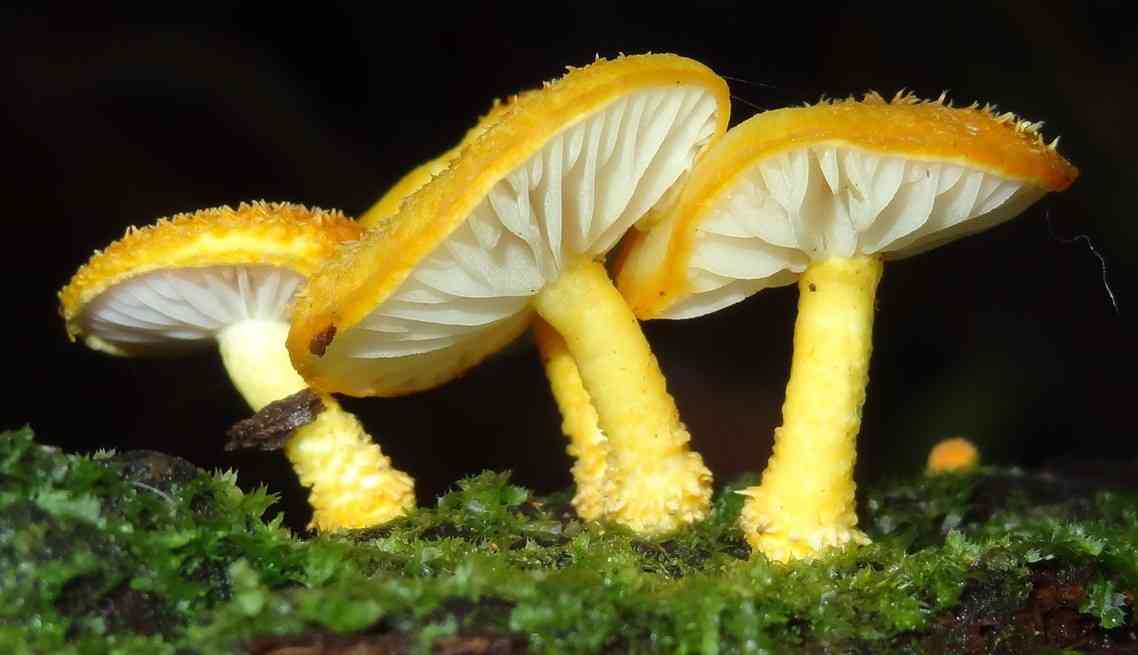
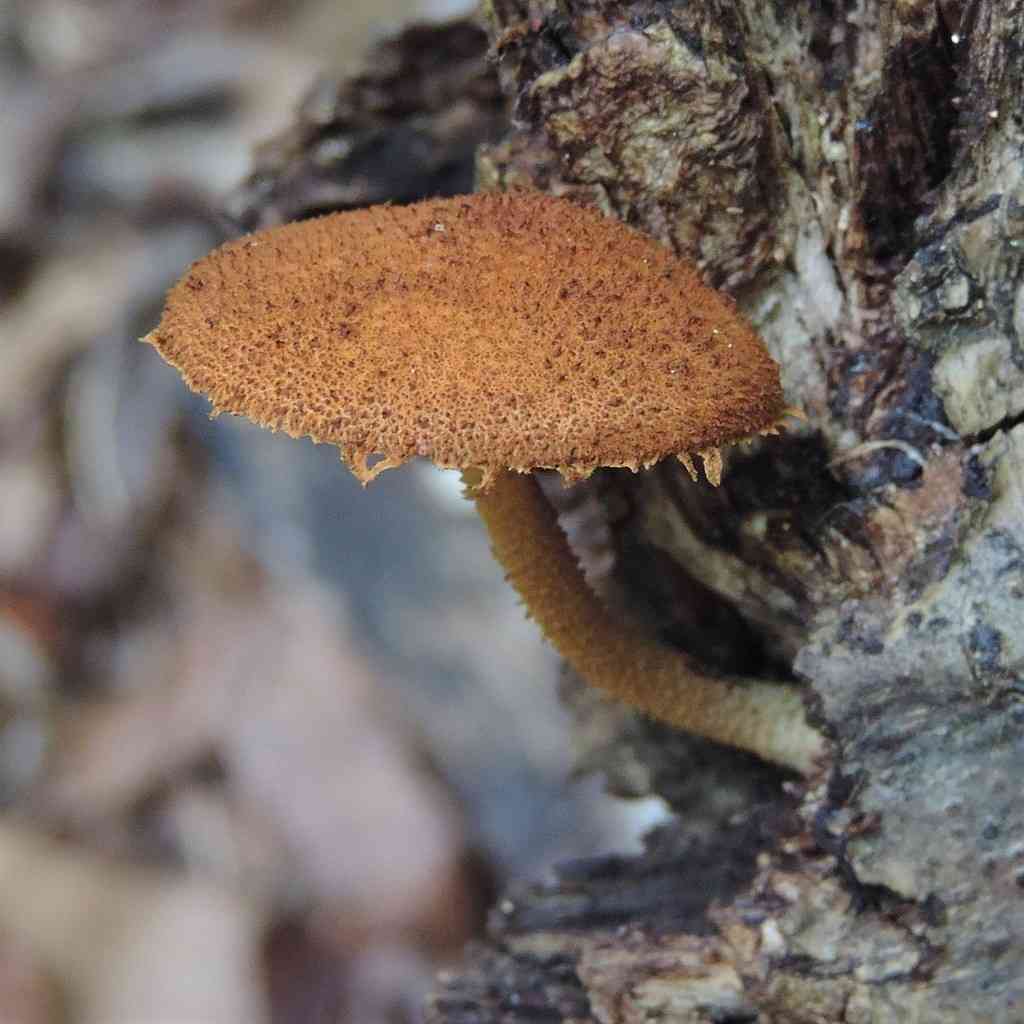
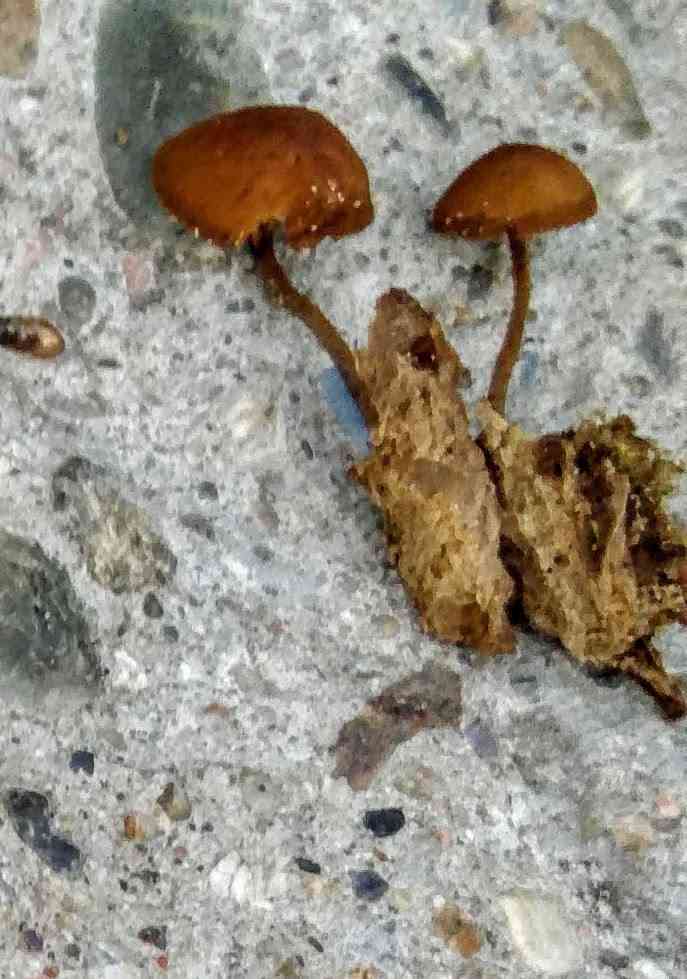
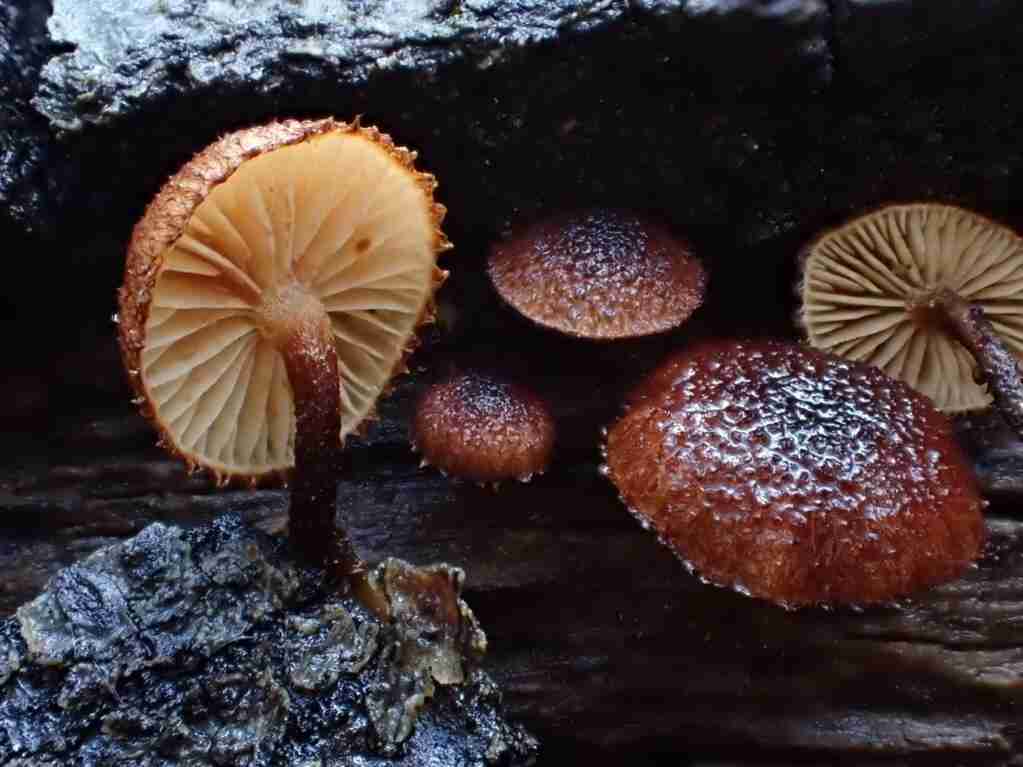
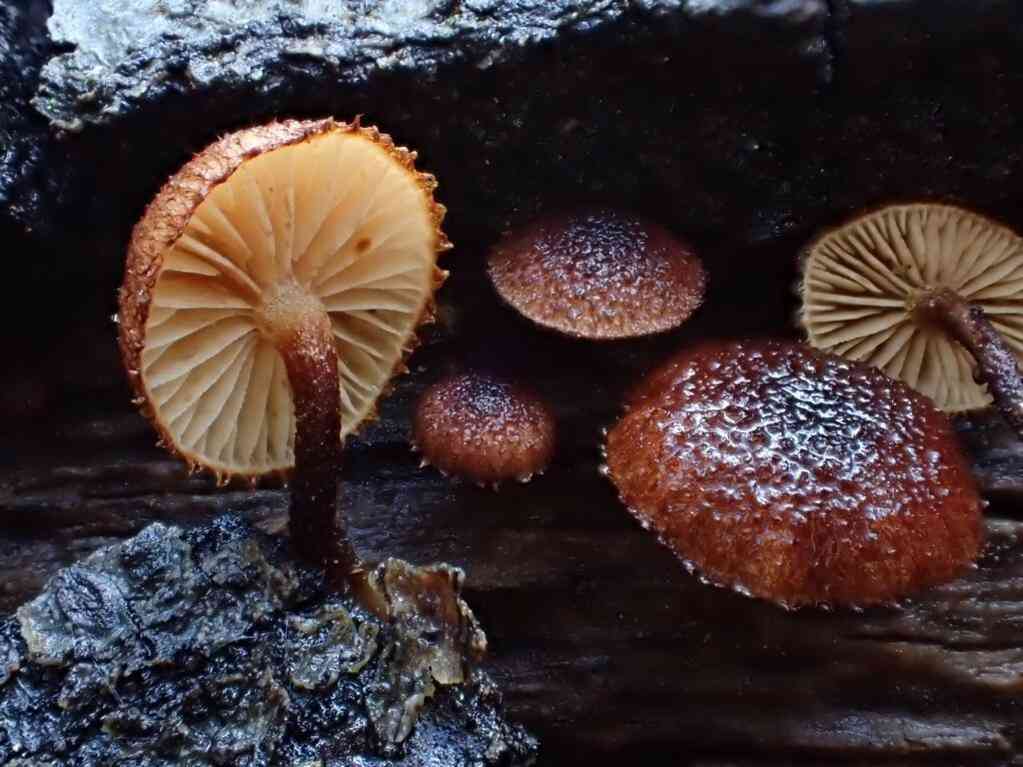
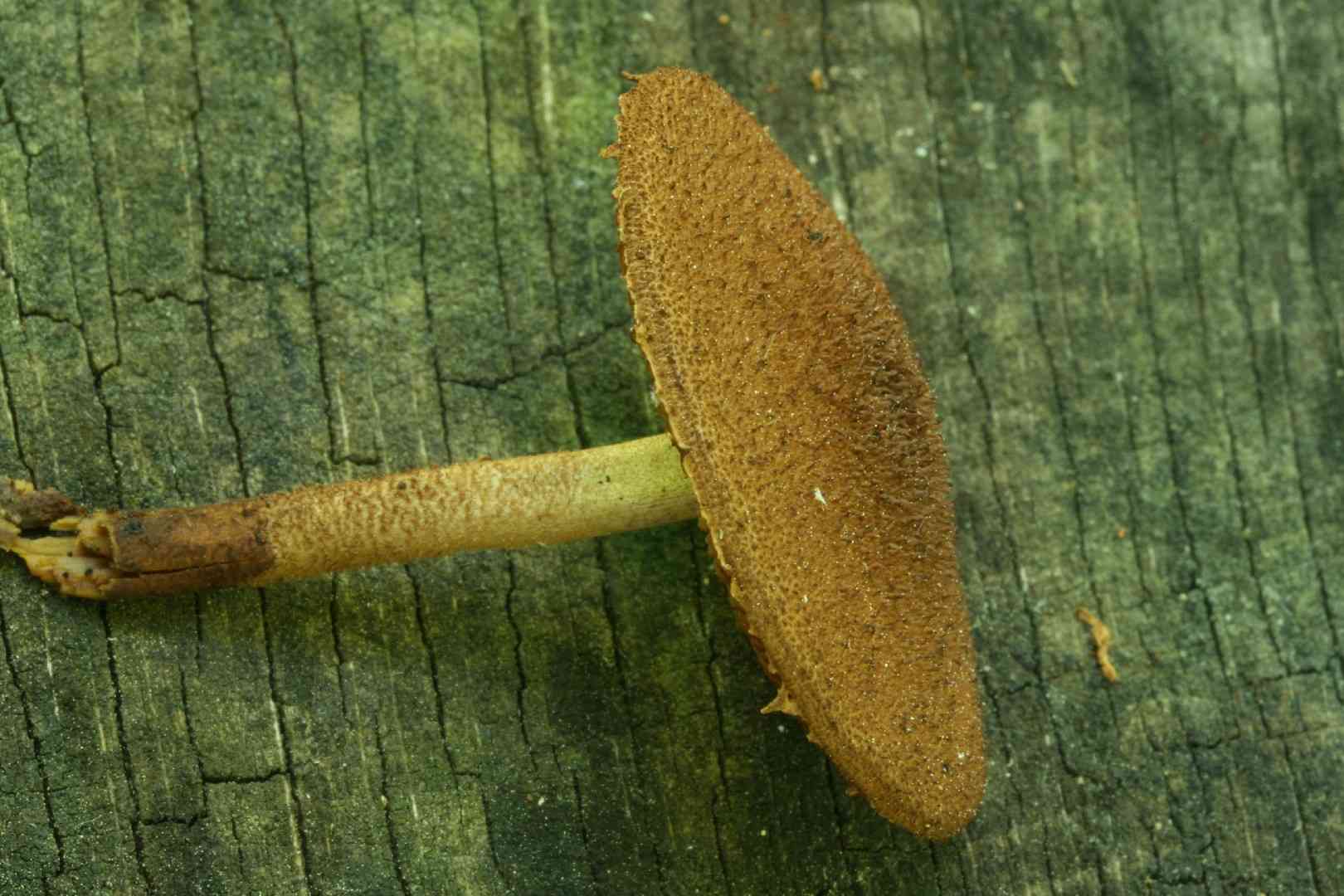
The Hedgehog Scalycap is characterized by its small, often cone-shaped or campanulate pileus, which has a distinctively textured, scaly exterior and is commonly seen in shades of warm brown. It thrives on decaying timber, preferring environments abundant in forest litter. The lamellae situated beneath the pileus are crucial for the dissemination of spores, an essential stage in its life cycle. The Hedgehog Scalycap's delicate architecture is completed by its slender stipe, which harmonizes with its cap.
In This Article
Attributes of Hedgehog scalycap
Cap Diameter
4 - 16 mm
Height
3 - 20 mm
Cap
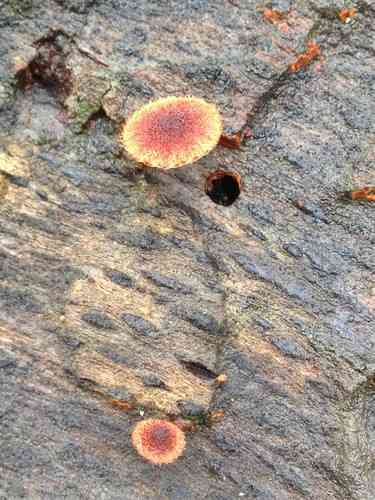
Cap 5 - 15 mm across; convex to shallowly umbonate; rusty-tawny to reddish brown; surface with densely woolly-scaly
Cap Shape
Convex
Cap Surfaces
Fibrillose-scaly
Gills
Adnexed to adnate; subdistant; ocher-brown to cinnamon-brown
Gill Attachment
Attached
Stem
Stem 3 - 15 mm long, 1 - 2 mm thick; equal; pale, dull reddish brown to dark brown; surface smooth
Stem Shapes
Cylindrical
Stem Surfaces
Fibrillose
Flesh
Thin; tough; ochreous to dark brick
Ring
Ringless
Spore Print Color
Cinnamon-brown
Odor
Mild, not distinctive fungal scent.
Body Color
BrownYellowRedWhite
Flesh Bruises
The flesh or milk does not discolor when bruised or cut.
Growth Form
Solitary, Gregarious
Nutrient Gathering
Saprophytic
Substrate
Dead Woods
You can find Hedgehog scalycap by these plants
Willows, Grey willow, Oaks
Occurence Habitats
Deciduous Woodland
Species Status
Occasional
Endangered Species
No
Scientific Classification of Hedgehog scalycap
Phylum
Club fungi
Class
Mushroom-forming fungi
Order
Gilled fungi
Family
Inocybaceae
Genus
Phaeomarasmius
Toxicity and Edibility of Hedgehog scalycap
Is Hedgehog scalycap Toxic?
Toxicity information is not available for this mushroom. Always consult with an expert before consuming any wild mushrooms.