Conical brittlestem
Parasola conopilus
A species of Parasola.
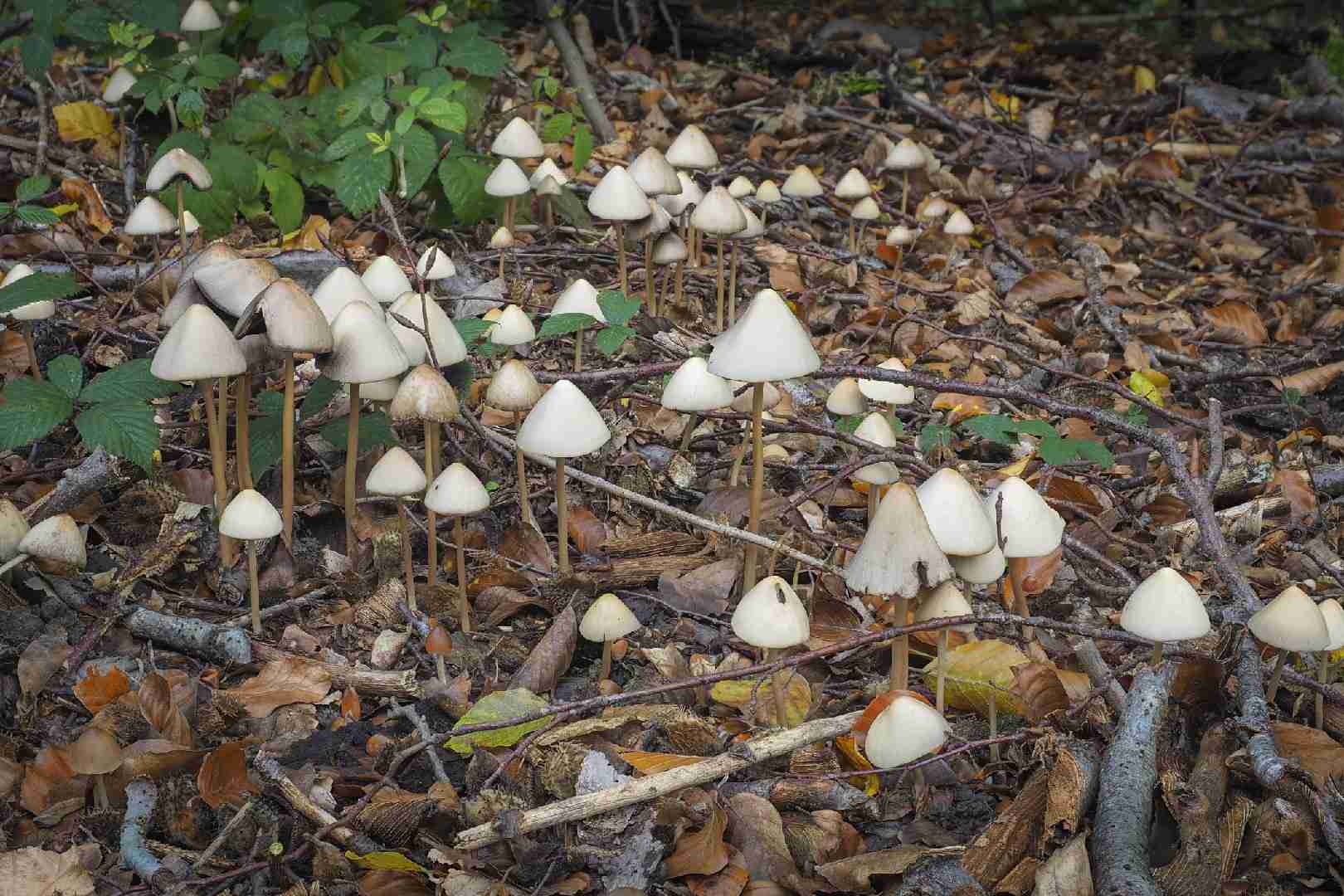
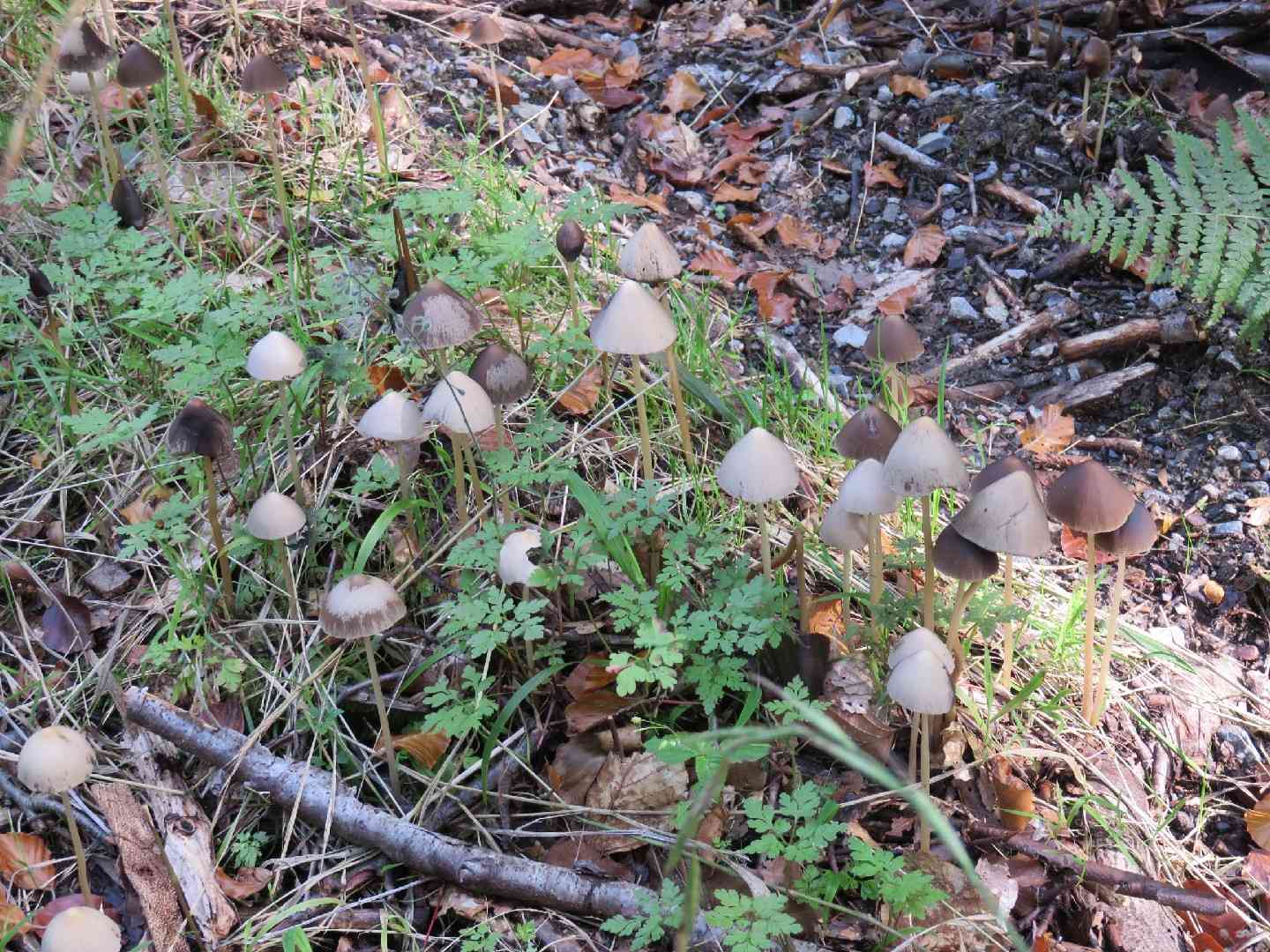
Conical brittlestem, often categorized among the numerous little brown mushrooms, presents a considerable challenge in identification. Its typical reddish-brown cap lightens significantly during periods of dry weather. This saprobic organism thrives by consuming decaying organic materials like leaf litter.
In This Article
Attributes of Conical brittlestem
Cap Diameter
2 - 4 cm
Height
7 - 15 cm
Cap
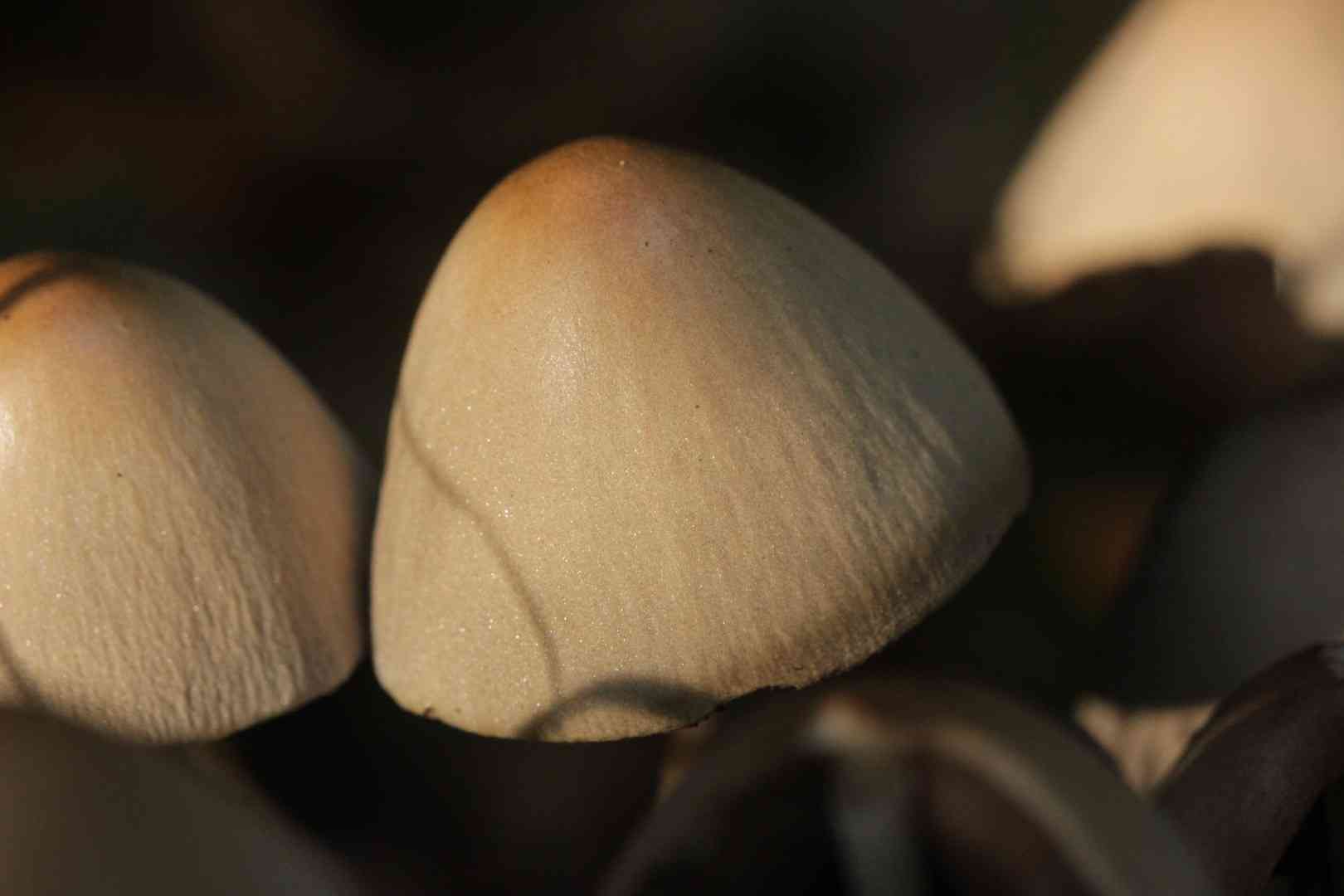
Cap 2 - 3.5 cm across; conical, bell-shaped; red-brown, grey-beige, ochre; margin with finely striate
Cap Shape
Bell-shaped
Cap Surfaces
Visible lines or stripes, Smooth
Gills
Adnate, adnexed; crowded; greyish brown to black
Gill Attachment
Attached
Stem
Stem 7 - 14 cm long, 2 - 4 mm thick; white; surface smooth
Stem Shapes
Cylindrical
Stem Surfaces
Smooth
Flesh
Thin; fragile; pale, watery brownish
Ring
Ringless
Spore Print Color
Black
Odor
Mildly mushroomy but not distinctive.
Body Color
BrownYellowGrayWhiteCream
Flesh Bruises
The flesh or milk does not discolor when bruised or cut.
Growth Form
Scattered
Nutrient Gathering
Saprophytic
Substrate
Leaf or Needle Litter, On soil
Occurence Habitats
Deciduous Woodland
Species Status
Fairly common and widespread
Endangered Species
No
Scientific Classification of Conical brittlestem
Phylum
Club fungi
Class
Mushroom-forming fungi
Order
Gilled fungi
Family
Coprinaceae
Genus
Parasola
Toxicity and Edibility of Conical brittlestem
Is Conical brittlestem Toxic?
Toxicity information is not available for this mushroom. Always consult with an expert before consuming any wild mushrooms.

