Elastic oysterling
Panellus mitis
A species of Oysterlings.
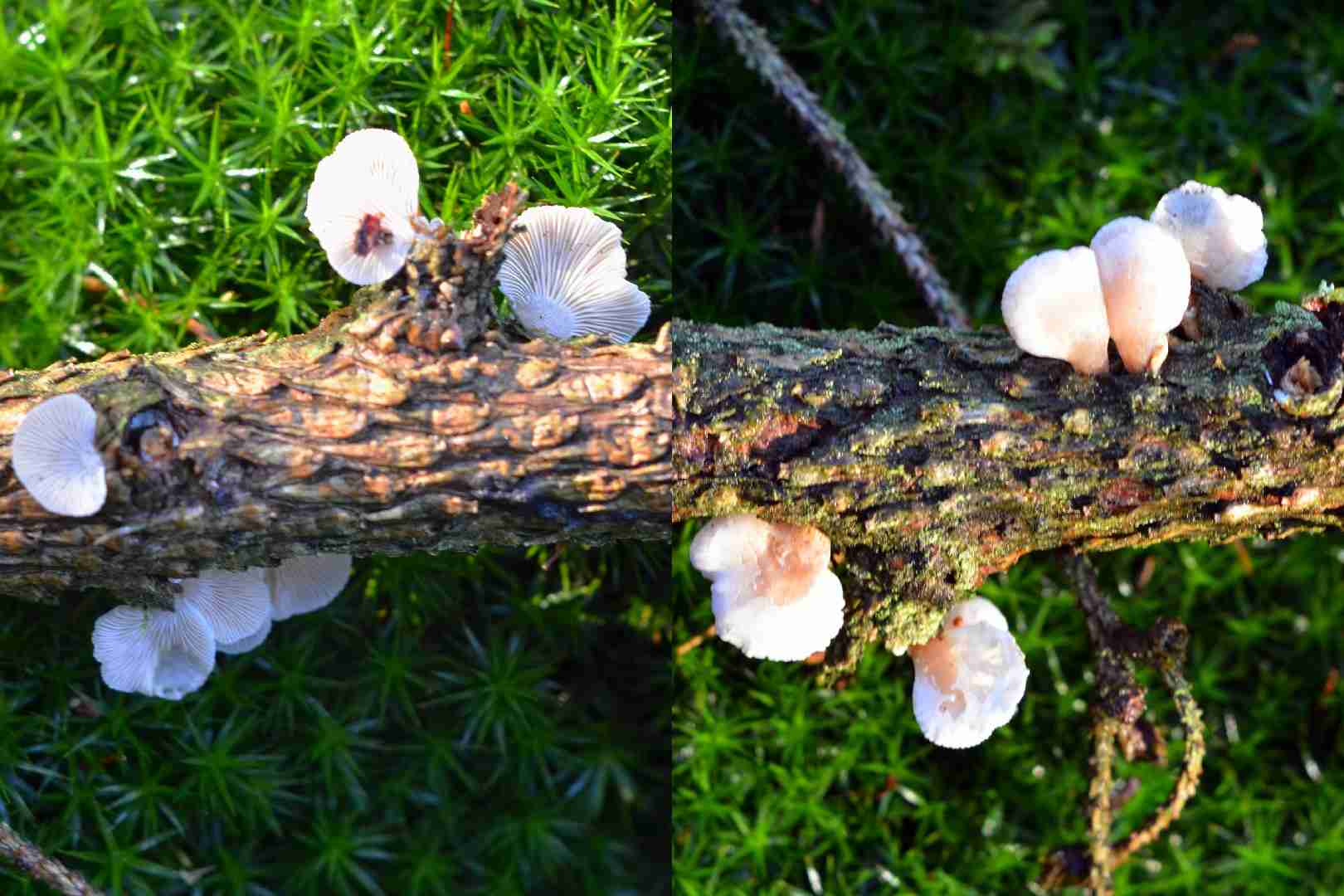
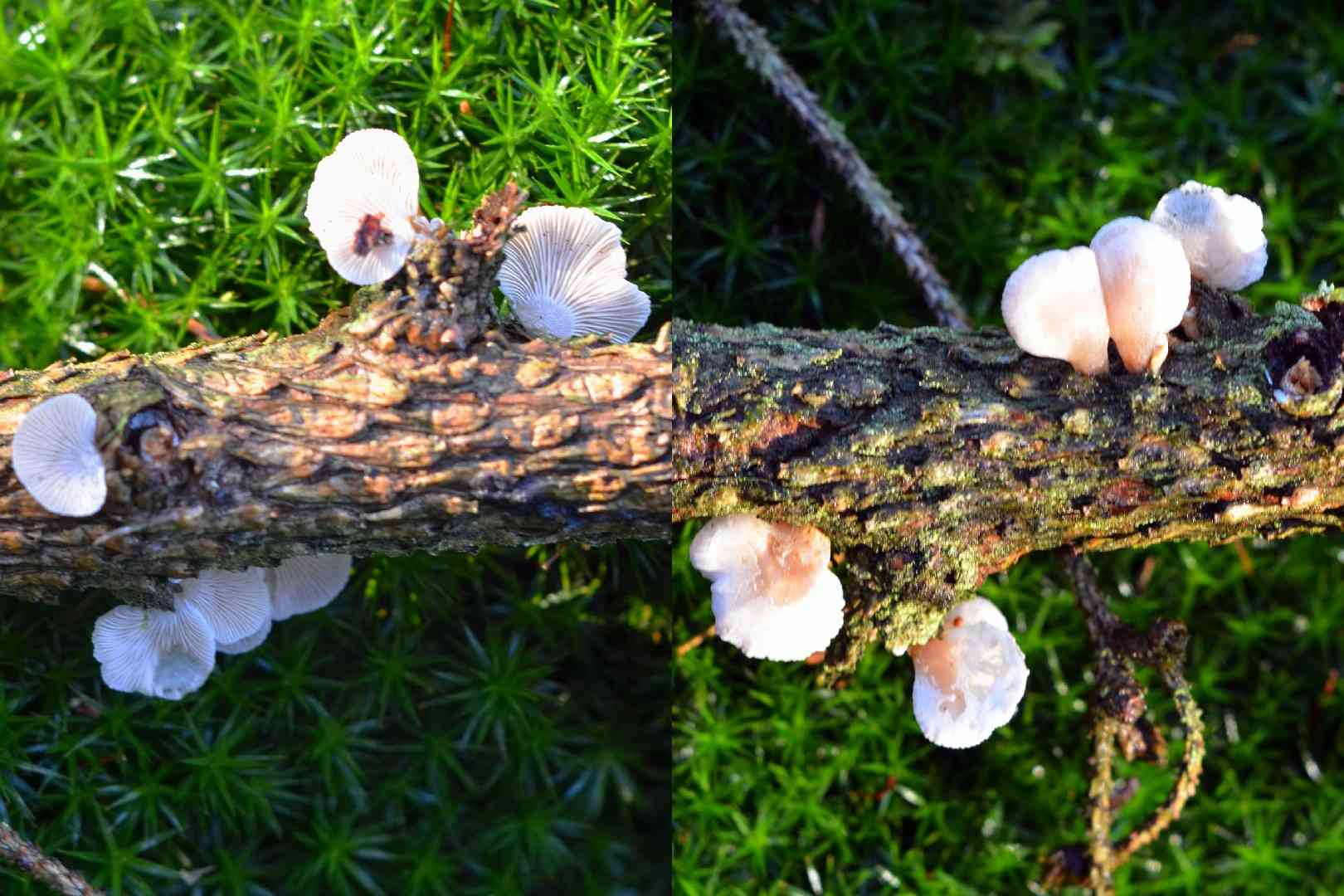
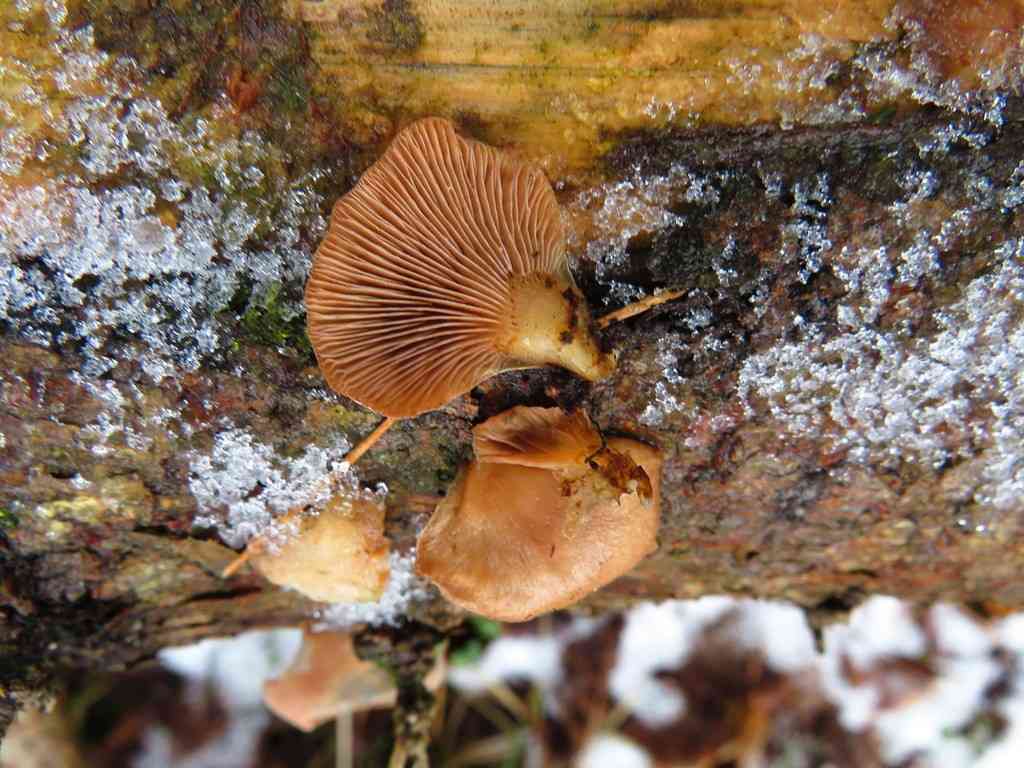
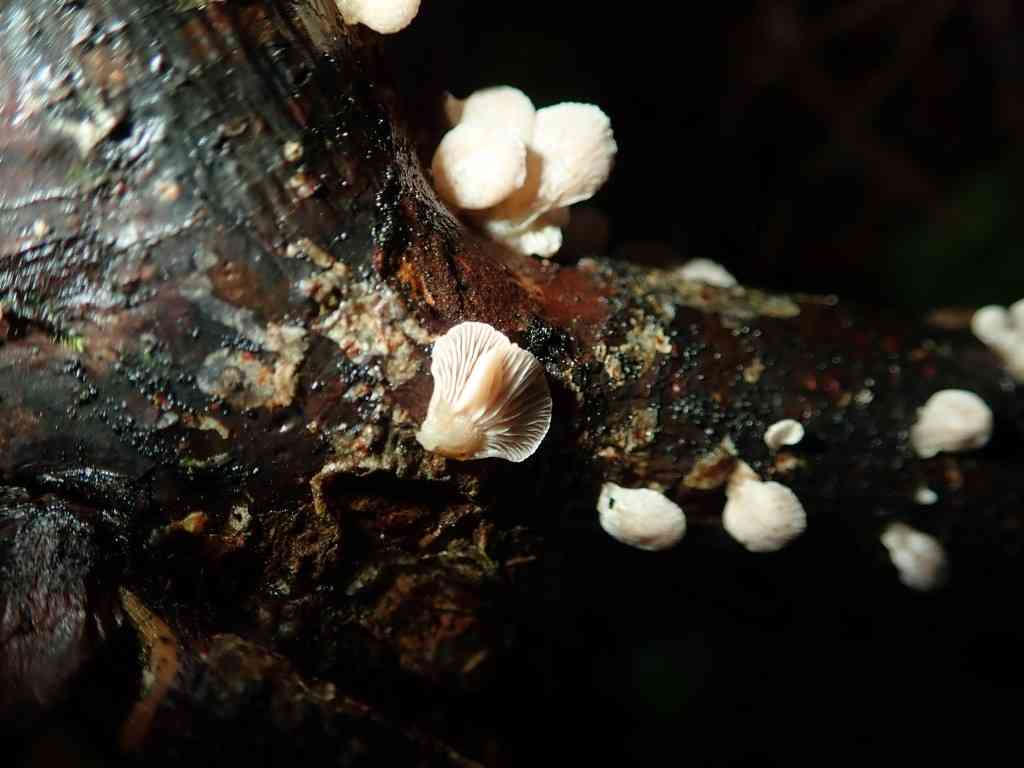
The captivating fungus, known as the elastic oysterling, frequently materializes on deteriorating timber. Characterized by its caps, which often resemble a fan or kidney, its exterior displays a spectrum of colors from yellow to a greenish-yellow. Beneath, its gills extend along the stalk. The elastic oysterling plays a vital role in woodland ecosystems by decomposing decaying plant matter.
In This Article
Attributes of Elastic oysterling
Cap Diameter
1 - 7 cm
Height
1 - 2 cm
Cap
Cap 2 cm across; shell shaped; white to pink
Cap Shape
Convex, Flat
Cap Surfaces
Slimy or slightly sticky, Visible lines or stripes
Gills
Attached; whitish
Flesh
Thin; white to pink
Ring
Ringless
Spore Print Color
White
Odor
Faintly pleasant, reminiscent of mushrooms.
Body Color
PinkCream
Flesh Bruises
The flesh or milk does not discolor when bruised or cut.
Growth Form
Gregarious, Clustered
Nutrient Gathering
Saprophytic
Substrate
On wood
You can find Elastic oysterling by these plants
Spruces, Pines, Firs
Species Status
Infrequent
Endangered Species
No
Scientific Classification of Elastic oysterling
Phylum
Club fungi
Class
Mushroom-forming fungi
Order
Gilled fungi
Family
Bonnet mushrooms
Genus
Oysterlings
Toxicity and Edibility of Elastic oysterling
Is Elastic oysterling Toxic?
Toxicity information is not available for this mushroom. Always consult with an expert before consuming any wild mushrooms.

