Mealy oyster
Ossicaulis lignatilis
A species of Ossicaulis.
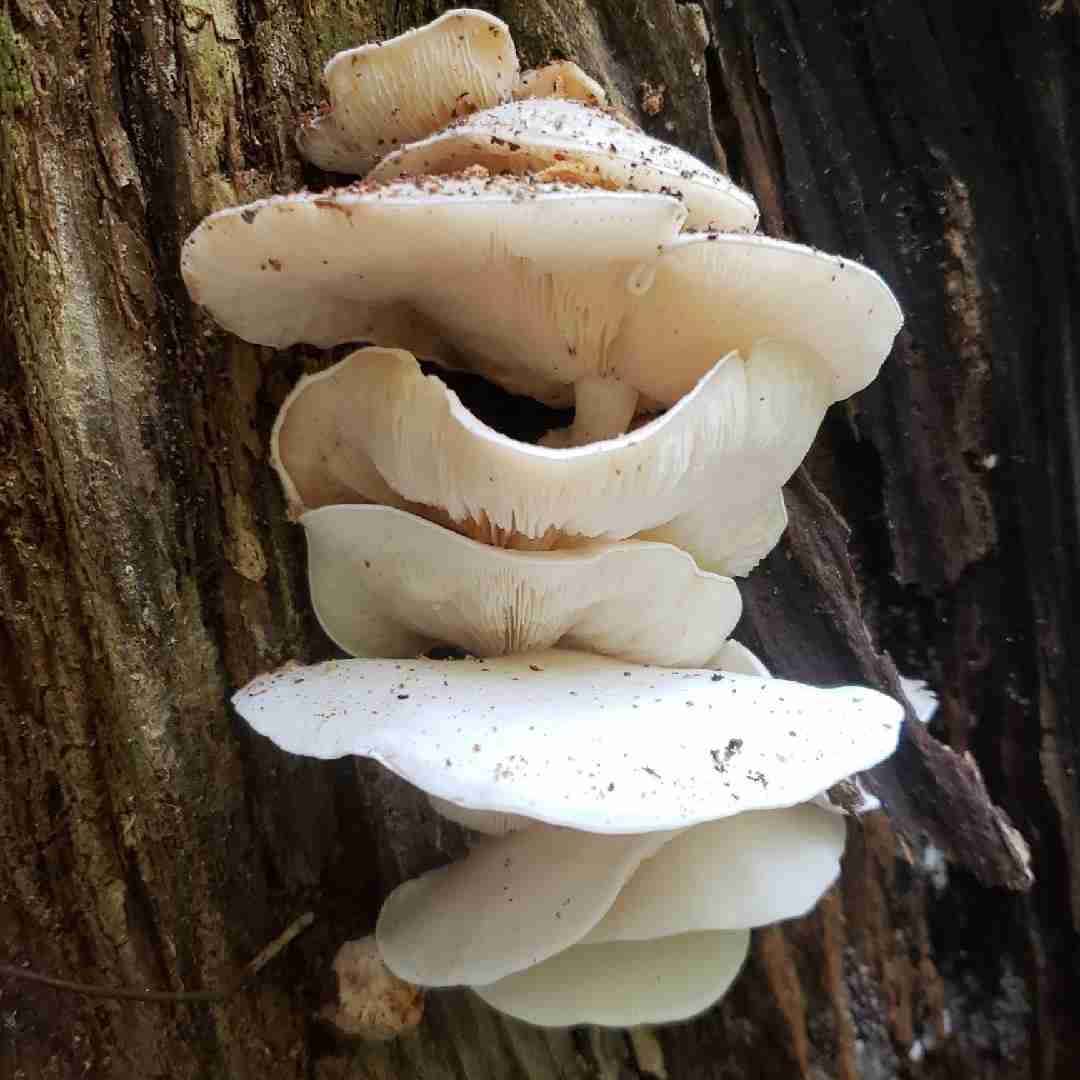
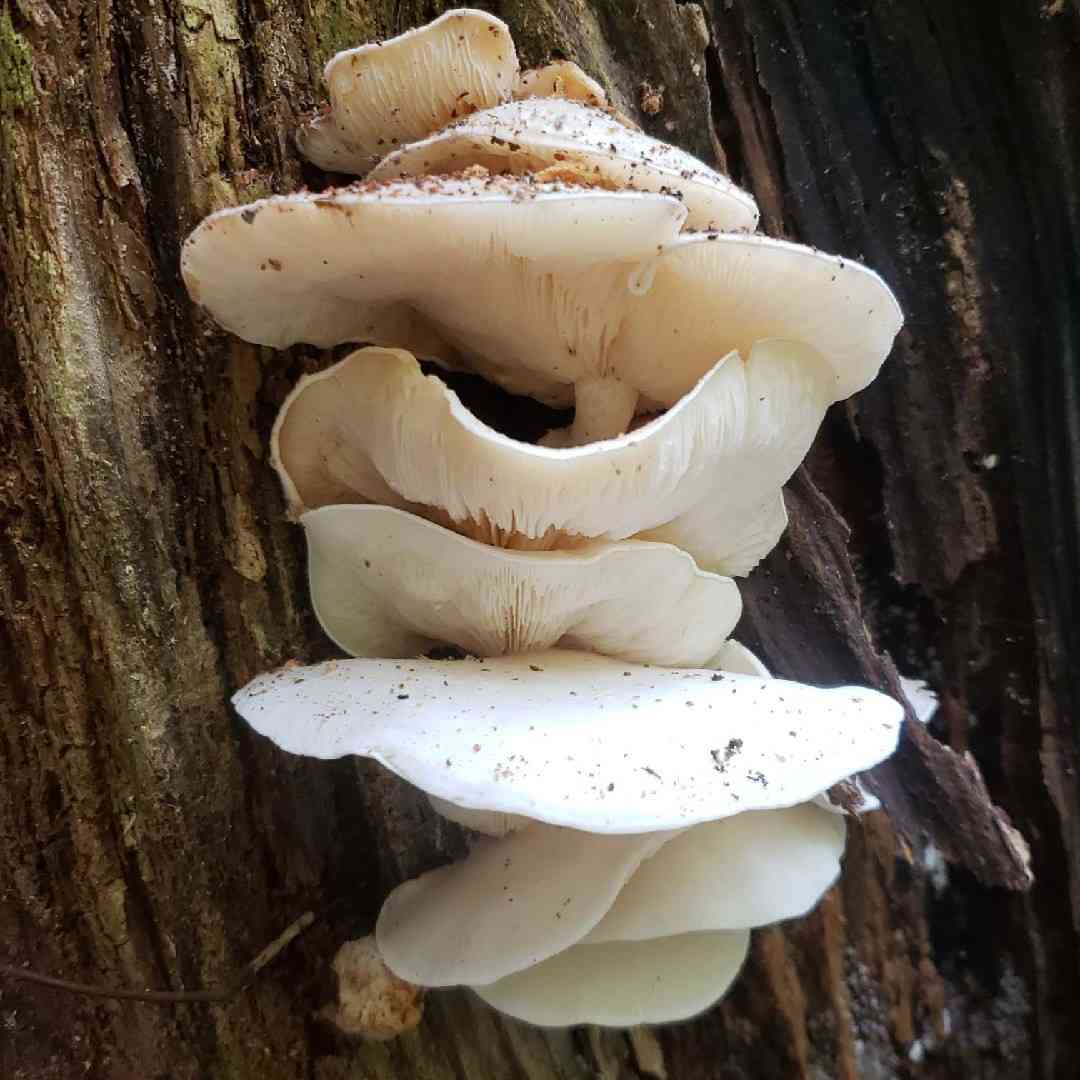
The Mealy oyster presents itself with a striking resemblance to its fungal kin; however, it distinguishes itself through its more substantial spores and a cap that is predominantly creamy white, sometimes imbued with a delicate trace of grayish-beige. This particular mushroom flourishes in environments shaped by human activity, where it can be found growing on the wood of broadleaf trees.
In This Article
Attributes of Mealy oyster
Cap Diameter
2 - 6 cm
Height
5 - 15 cm
Cap
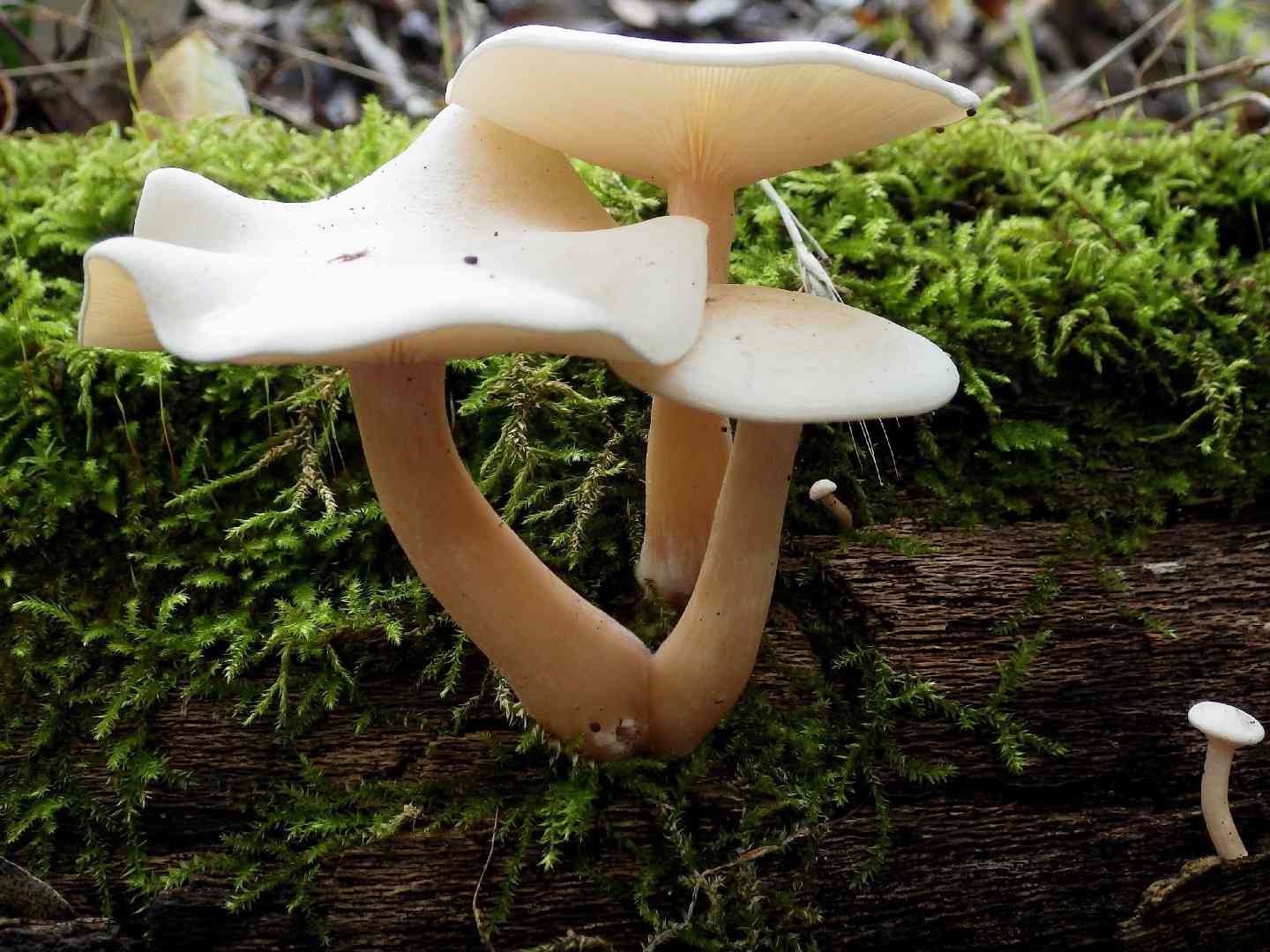
Cap 5 - 6 cm across; convex to pulvinate, flat; chalky-white, pruinose; margin inrolled to incurved
Cap Shape
Flat, Depressed
Cap Surfaces
Slimy or slightly sticky
Gills
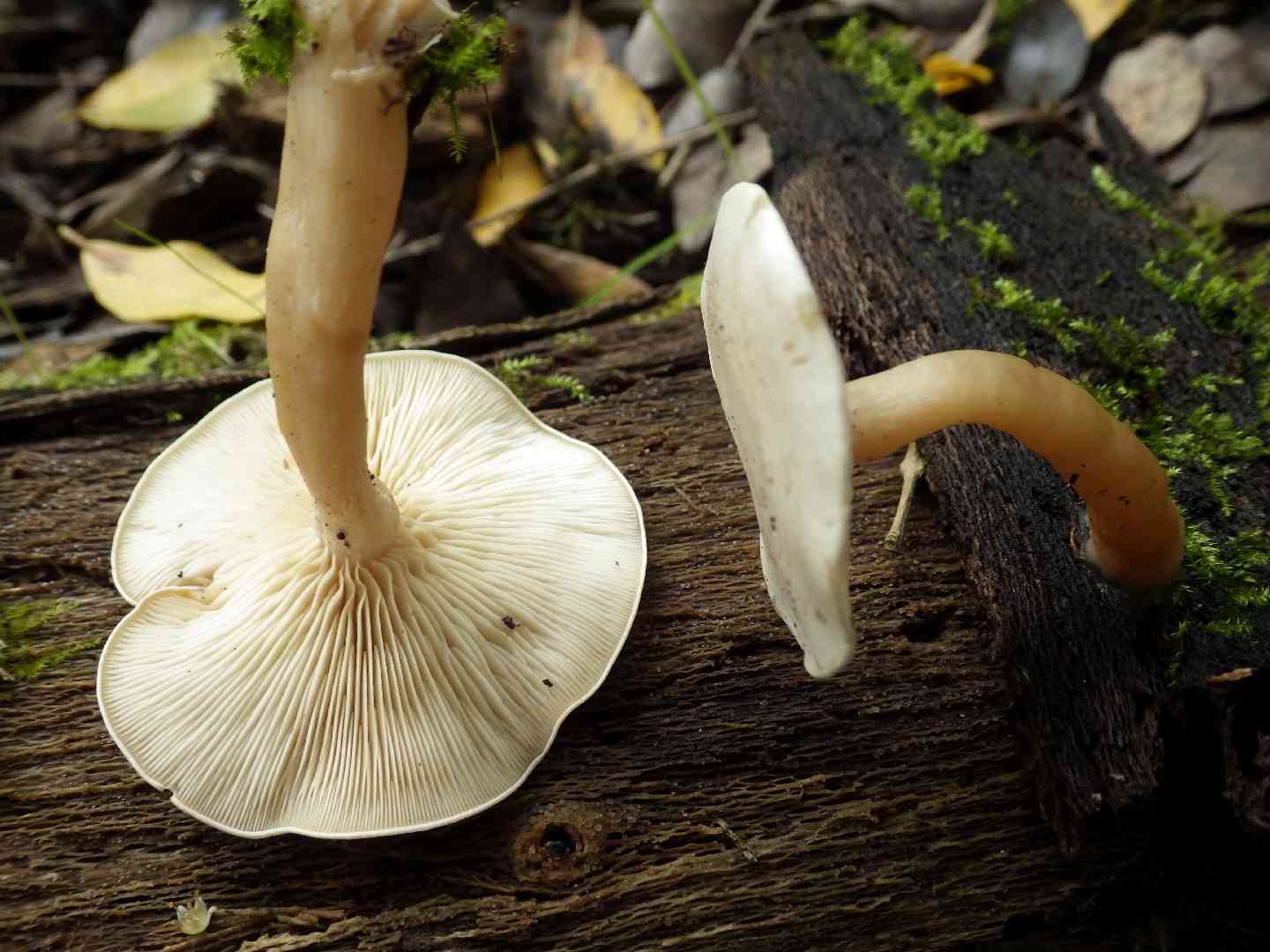
Adnate to adnexed or decurrent; crowded to subcrowded; white or yellowish white
Gill Attachment
Attached
Stem
Stem 1.5 - 6 cm long, 1.5 - 6 mm thick; chalky-white, vinaceous-rose tint
Stem Shapes
Cylindrical
Flesh
Fleshy, tenacious
Ring
Ringless
Spore Print Color
White
Odor
Mildly mushroomy but not distinctive.
Body Color
BrownGrayWhitePurplePinkCream
Flesh Bruises
The flesh or milk does not discolor when bruised or cut.
Nutrient Gathering
Saprophytic
Substrate
On wood
You can find Mealy oyster by these plants
Elms, Populus
Endangered Species
No
Scientific Classification of Mealy oyster
Phylum
Club fungi
Class
Mushroom-forming fungi
Order
Gilled fungi
Family
Lyophyllaceae
Genus
Ossicaulis
Toxicity and Edibility of Mealy oyster
Is Mealy oyster Toxic?
Toxicity information is not available for this mushroom. Always consult with an expert before consuming any wild mushrooms.

