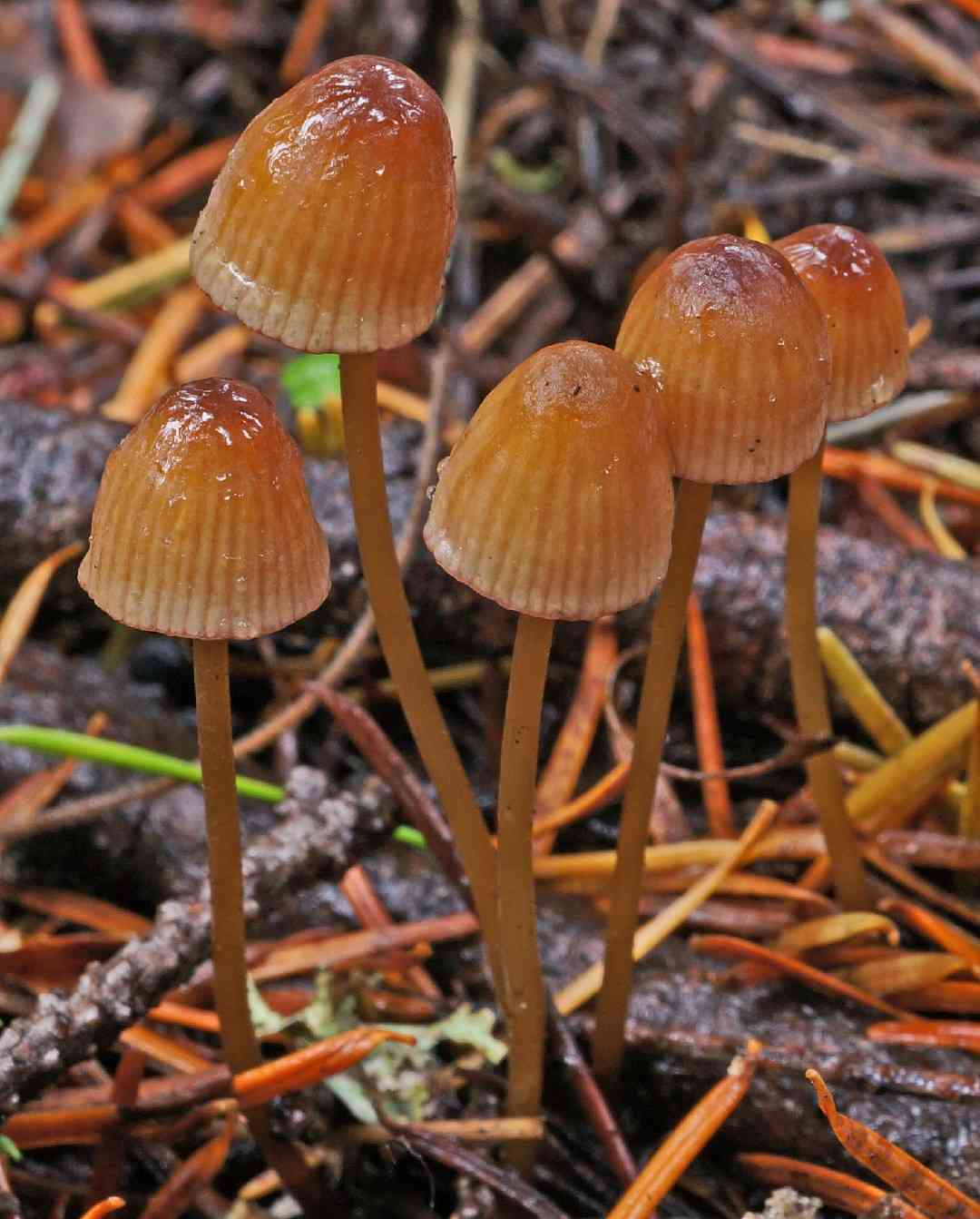
Bleeding bonnet
Mycena sanguinolenta
A species of Bonnets.
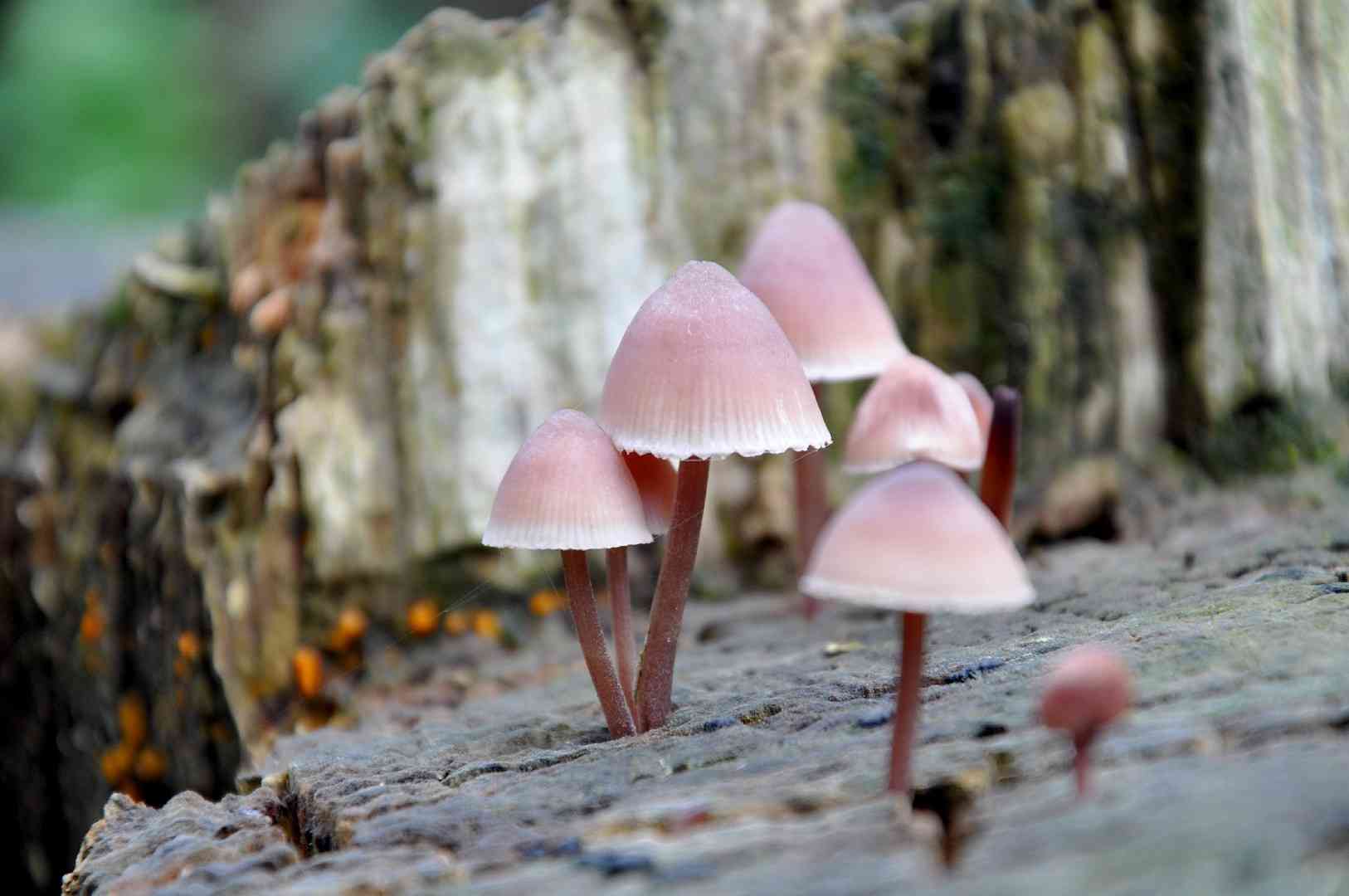
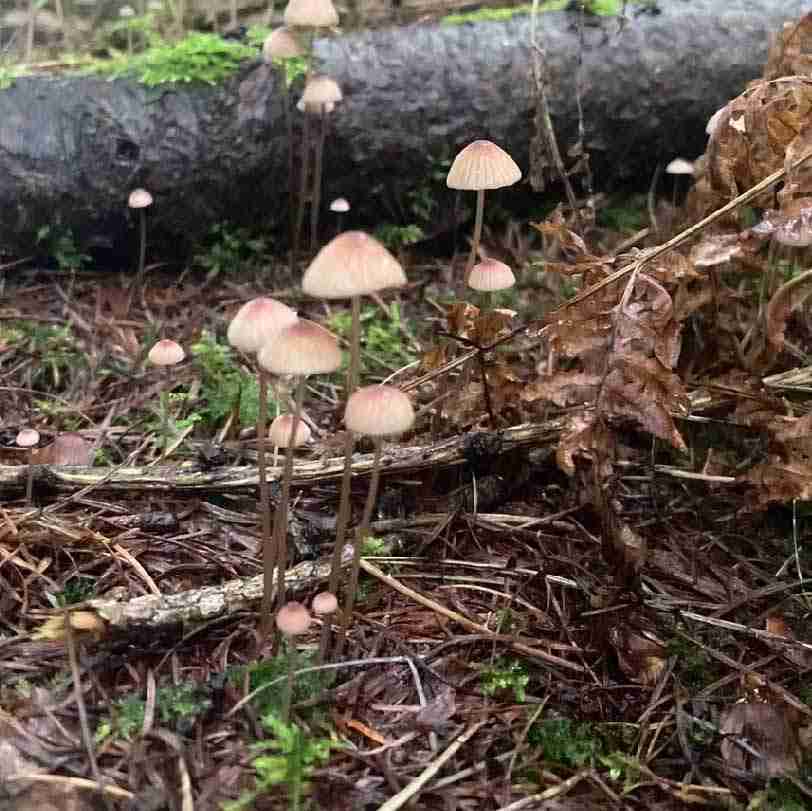
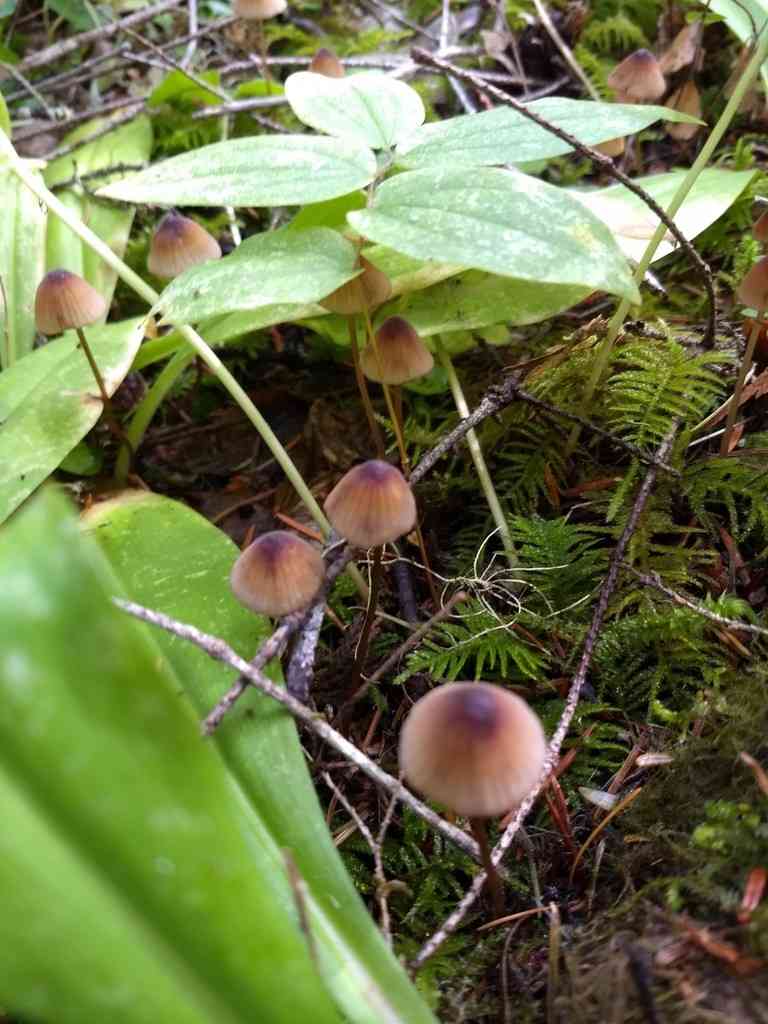
The bleeding bonnet, a diminutive fungus, is recognized by the reddish fluid it exudes when its surface is incised or fractured. It commonly proliferates in damp woodland environments, favoring colder temperatures, and is often found in clusters on decaying timber. Characterized by a cap ranging from conical to campanulate with radiating gills beneath, these gills extend from a delicate, frequently curved stipe, presenting a graceful aesthetic.
In This Article
Attributes of Bleeding bonnet
Cap Diameter
1 - 4 cm
Height
2 - 6 cm
Cap
Cap 3 - 15 mm across; broadly convex, bell-shaped; reddish brown, grayish-brown; surface smooth
Cap Shape
Bell-shaped, Convex
Cap Surfaces
Visible lines or stripes
Gills
Adnate, shortly decurrent; crowded to moderately crowded; reddish to grayish
Gill Attachment
Attached
Stem
Stem 2 - 6 cm long, 1 - 1.5 mm thick; equal; reddish brown, grayish-brown; fragile
Stem Shapes
Cylindrical
Flesh
Thin; not very fragile; sordid reddish
Ring
Ringless
Spore Print Color
White
Odor
Mildly mushroomy but not distinctive.
Body Color
BrownRedGray
Flesh Bruises
Discolor to pink or red
Growth Form
Scattered, Gregarious
Nutrient Gathering
Saprophytic
Substrate
On wood
You can find Bleeding bonnet by these plants
Spruces, Firs
Species Status
Common and widely distributed
Endangered Species
No
Scientific Classification of Bleeding bonnet
Phylum
Club fungi
Class
Mushroom-forming fungi
Order
Gilled fungi
Family
Bonnet mushrooms
Genus
Bonnets
Toxicity and Edibility of Bleeding bonnet
Is Bleeding bonnet Toxic?
Toxicity information is not available for this mushroom. Always consult with an expert before consuming any wild mushrooms.