Rosy bonnet

Mycena rosea

A species of Bonnets.

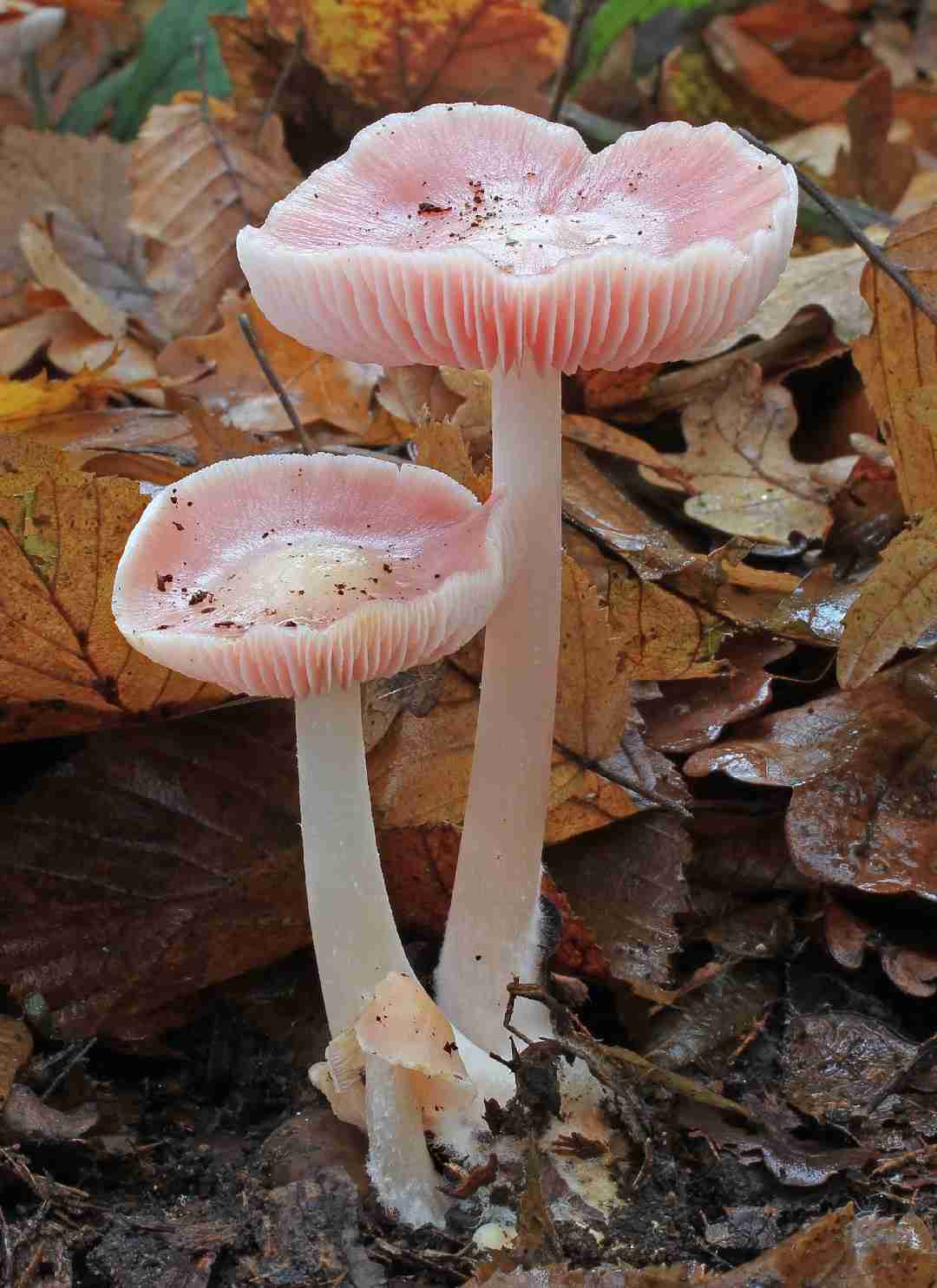
The rosy bonnet mushroom, while appearing delightful and attractive at first sight, is in reality lethally toxic; its charming exterior is deceptive. Fortunately, identifying this mushroom is straightforward. It emits a radish-like odor when crushed, and though tasting it is ill-advised, its flavor is said to be similar.

In This Article
Attributes Classification Toxicity

Attributes of Rosy bonnet

ForwardPlant - ID plants and mushrooms, and learn more about them🌿

Identify and diagnose plants, get toxicity alerts, and explore safety guides for all types of fungi.

Try for Free
Cap Diameter
2 - 6 cm
Height
3 - 10 cm
Cap
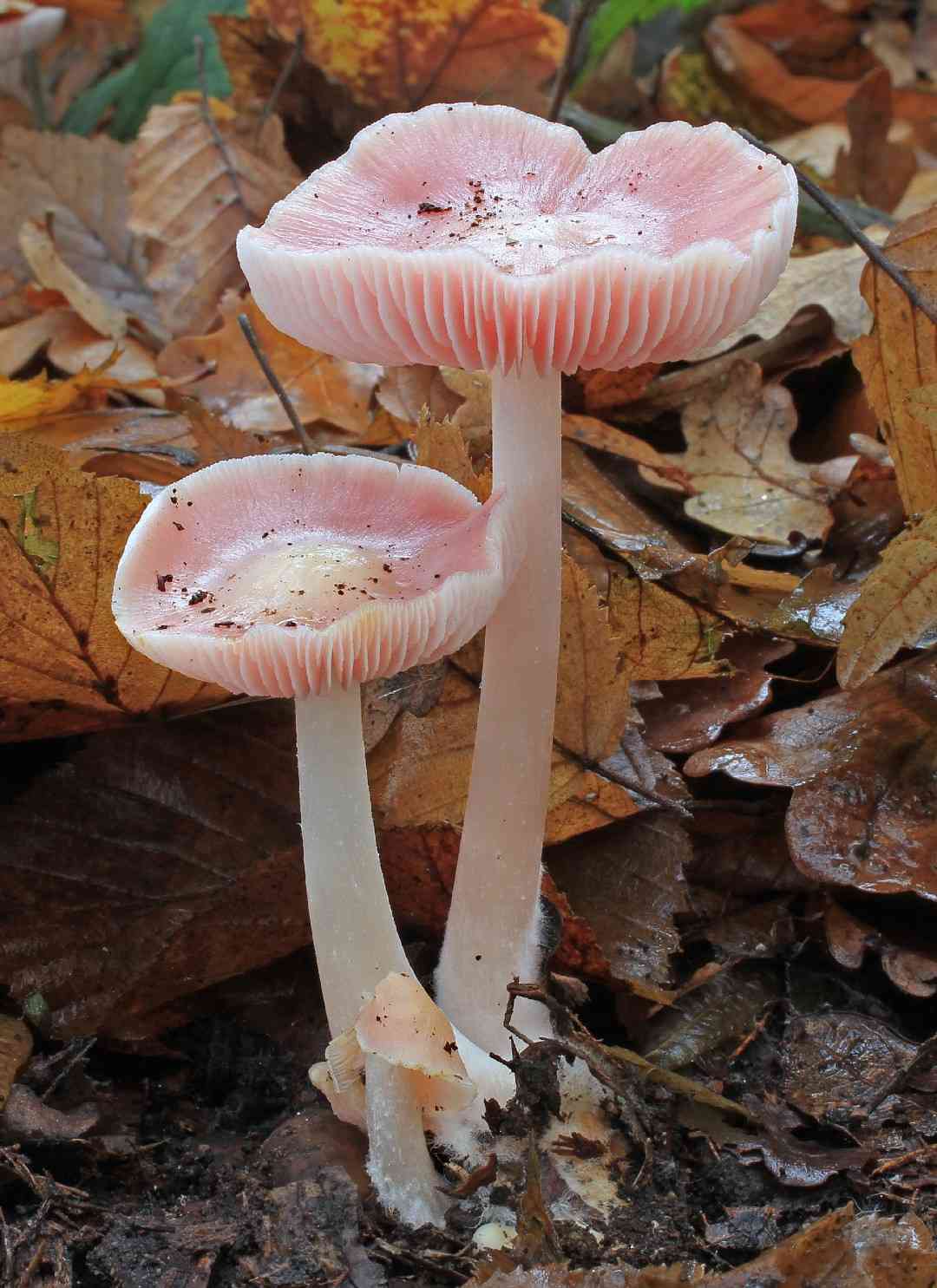
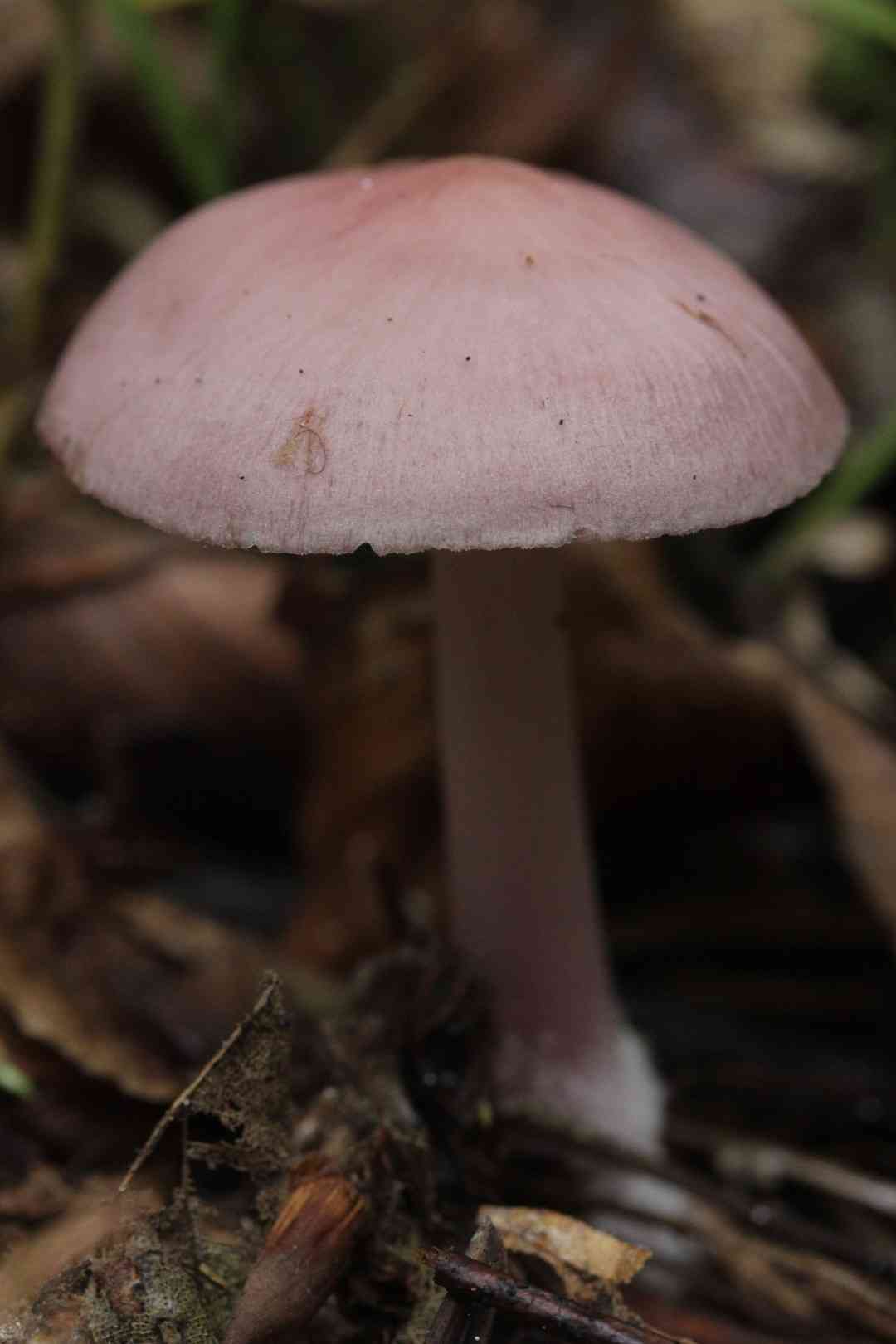
Up to 6 cm in diameter; convex to flat; pinkish purple; with striate margins
Cap Shape
Bell-shaped, Convex, Central Bump
Cap Surfaces
Visible lines or stripes
Gills
Close; crowded; whitish
Gill Attachment
Notched
Stem
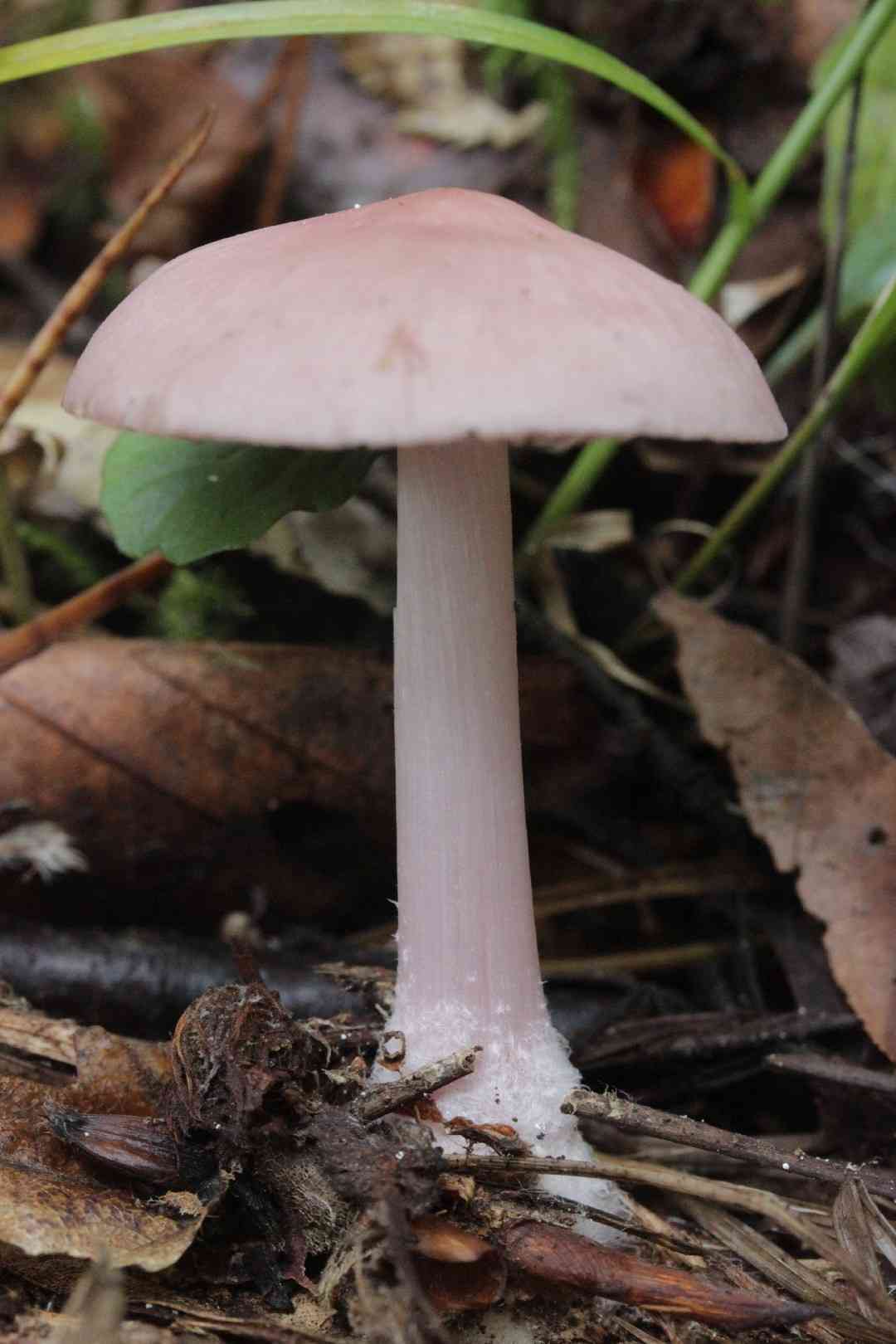
Hollow, tapers only slightly towards the apex; pink to lilac; smooth with longitudinal fibres
Stem Shapes
Cylindrical
Stem Surfaces
Smooth
Flesh
White to lilac
Ring
Ringless
Spore Print Color
White
Odor
Faint radish-like scent when crushed.
Body Color
PurplePink
Flesh Bruises
The flesh or milk does not discolor when bruised or cut.
Growth Form
Solitary, Scattered, Gregarious
Nutrient Gathering
Saprophytic
Substrate
On wood, Leaf or Needle Litter
You can find Rosy bonnet by these plants
European beech, Oaks
Occurence Habitats
Deciduous Woodland, Mixed Woodland
Species Status
Uncommon
Endangered Species
No

Scientific Classification of Rosy bonnet

ForwardPlant APP

AI mushroom expert in your pocket

Try for Free
Phylum
Club fungi
Class
Mushroom-forming fungi
Order
Gilled fungi
Family
Bonnet mushrooms
Genus
Bonnets
⚠️

Toxicity and Edibility of Rosy bonnet

ForwardPlant: Identify & Forage

Your Essential Guide to Edible vs. Toxic Mushrooms. Forage with Confidence!

Try for Free

Is Rosy bonnet Toxic?

The Rosy bonnet mushroom contains neurotoxins that can induce various adverse effects, including excessive sweating, an increased heart rate, digestive issues, a drop in blood pressure, and a slow pulse. It possesses clear characteristics that aid in distinguishing it from harmless varieties. Nonetheless, its poisonous nature makes consumption strongly ill-advised. This mushroom is commonly found in a wide range of environments throughout different seasons and conditions.


Toxins type
Muscarine
Type of poisoning
Neurotoxic
Toxic Severity
Low to high toxicity
Incubation Period
0.5-4 hours
Poisoning Symptoms
Perspiration events, fast heart rate, stomach digestion issues, reduced blood pressure, sluggish heartbeat, hypotension.