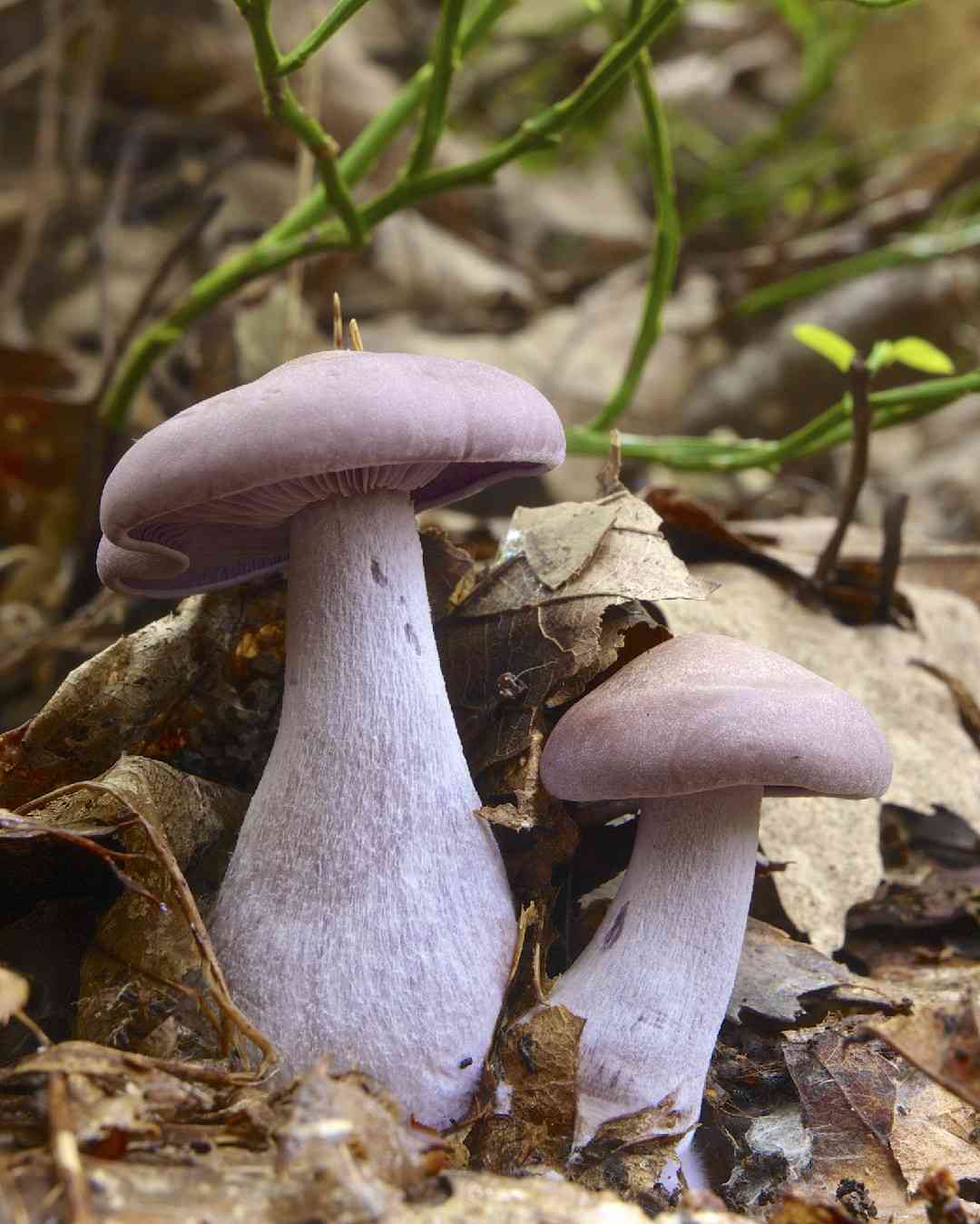
Lilac bonnet

Mycena pura

A species of Bonnets. Also known as Poison radish ground mycena.

The lilac bonnet, a ubiquitous sight across the northern hemisphere's diverse woodlands and occasionally grasslands, poses a significant health risk to humans. Its toxicity stems from its muscarine content, a potent poison capable of inducing severe convulsions and ultimately leading to fatalities if ingested.

In This Article
Attributes Classification Toxicity Similar Mushrooms

Attributes of Lilac bonnet

ForwardPlant - ID plants and mushrooms, and learn more about them🌿

Identify and diagnose plants, get toxicity alerts, and explore safety guides for all types of fungi.

Try for Free
Cap Diameter
2 - 5 cm
Height
4 - 10 cm
Cap
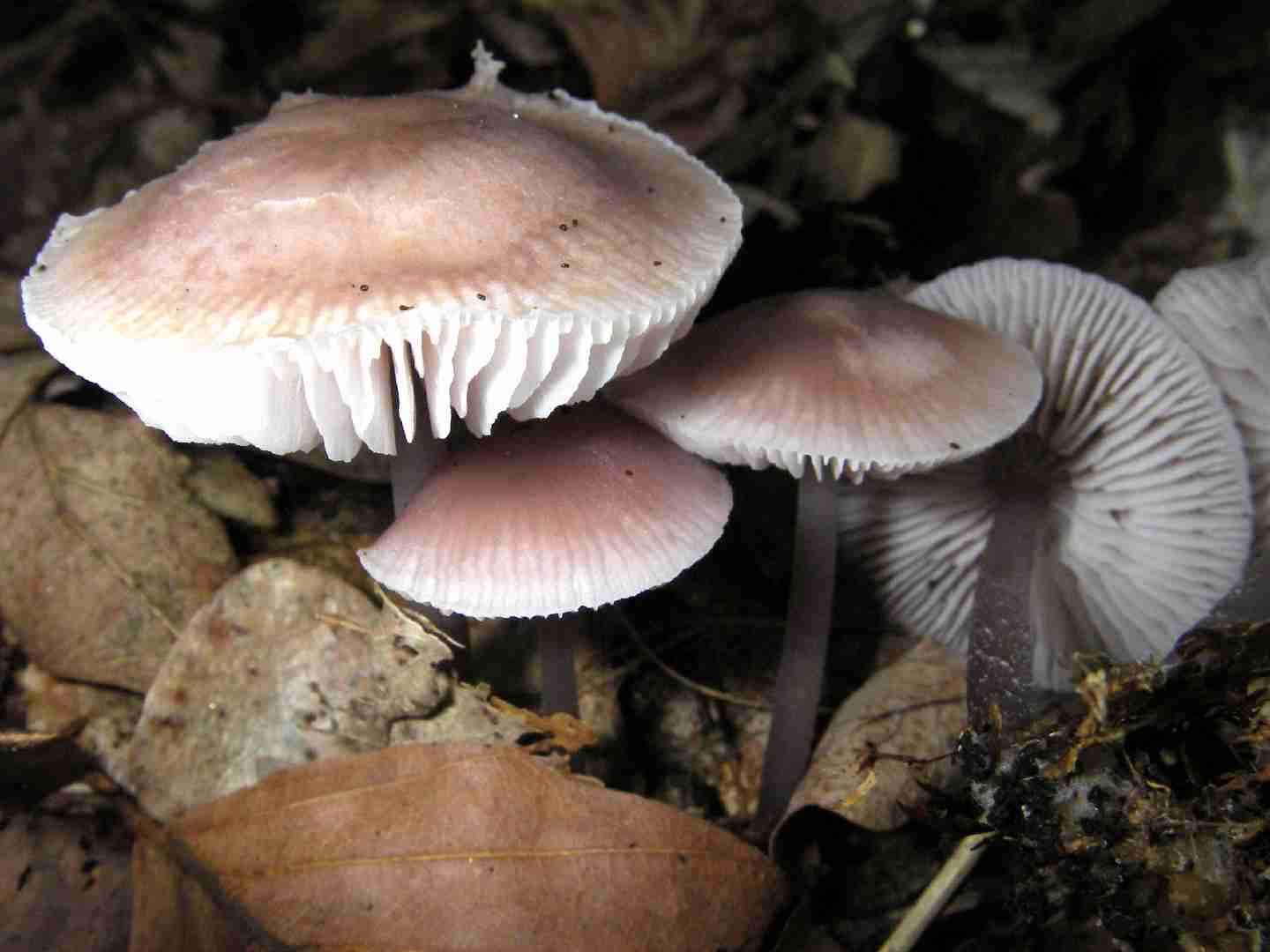
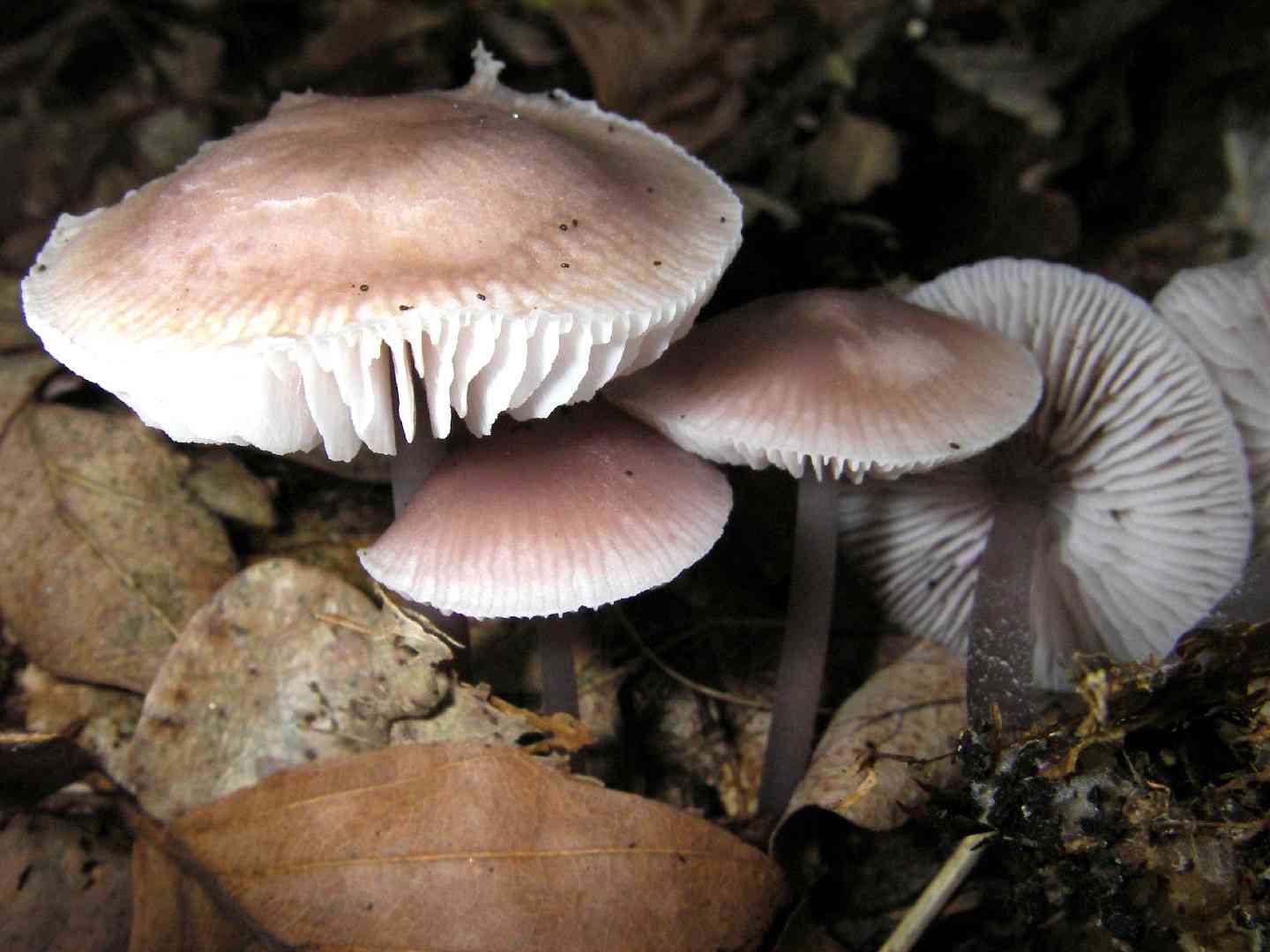
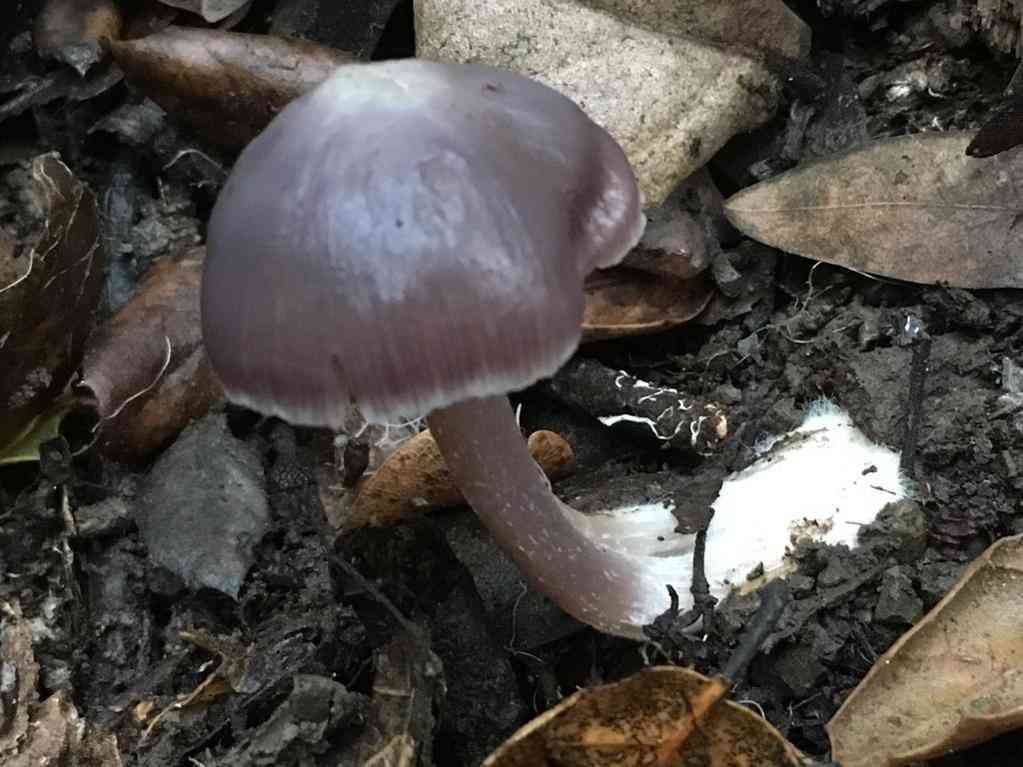
Cap 2 - 6 cm across; convex to flat to weakly umbonate; purple-brown, gray; surface smooth, with striate
Cap Shape
Convex, Bell-shaped, Flat, Central Bump
Cap Surfaces
Smooth, Visible lines or stripes
Gills
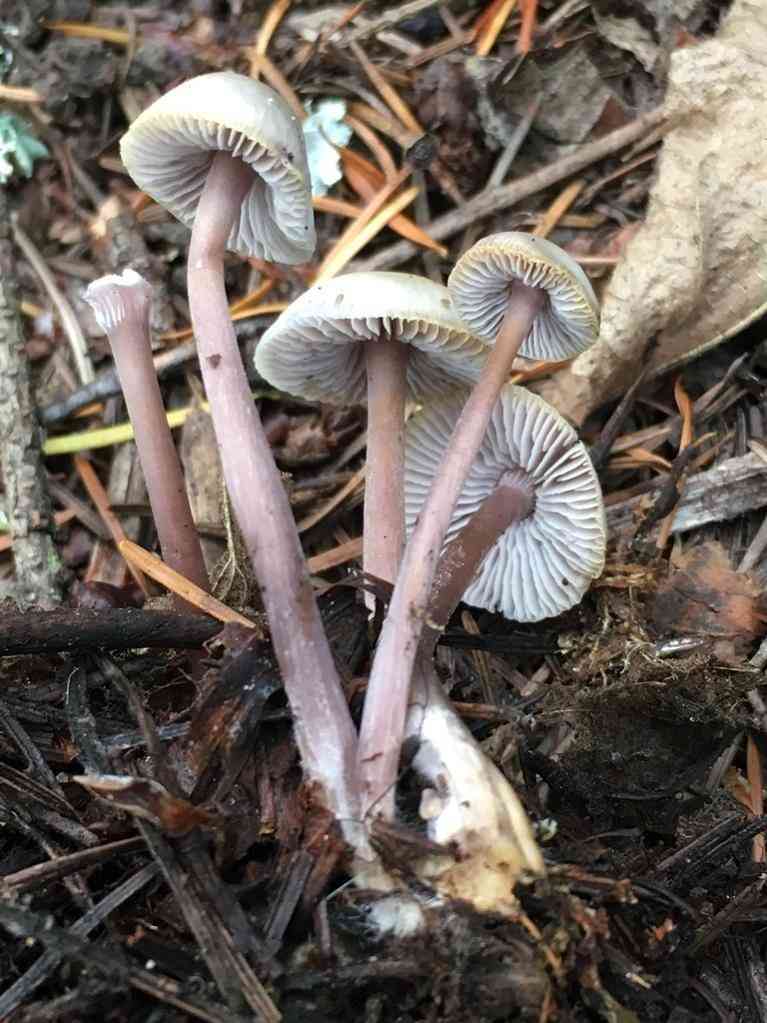
Attached; close, distant; whitish to pale pink or lilac
Gill Attachment
Attached
Stem
Stem 4 - 10 cm long, 2 - 6 mm thick; whitish; surface smooth, with hairy
Stem Shapes
Cylindrical
Stem Surfaces
Smooth
Flesh
Watery grayish to whitish
Ring
Ringless
Spore Print Color
White
Odor
Faint radish-like scent, sometimes indistinct.
Body Color
YellowRedWhitePurplePink
Flesh Bruises
The flesh or milk does not discolor when bruised or cut.
Growth Form
Solitary, Scattered, Gregarious
Nutrient Gathering
Saprophytic
Substrate
On soil, Leaf or Needle Litter
You can find Lilac bonnet by these plants
Spruces, Oaks
Occurence Habitats
Deciduous Woodland, Coniferous Woodland, Mixed Woodland
Species Status
Widely distributed
Endangered Species
No

Scientific Classification of Lilac bonnet

ForwardPlant APP

AI mushroom expert in your pocket

Try for Free
Phylum
Club fungi
Class
Mushroom-forming fungi
Order
Gilled fungi
Family
Bonnet mushrooms
Genus
Bonnets
⚠️

Toxicity and Edibility of Lilac bonnet

ForwardPlant: Identify & Forage

Your Essential Guide to Edible vs. Toxic Mushrooms. Forage with Confidence!

Try for Free

Is Lilac bonnet Toxic?

The lilac bonnet mushroom thrives in damp environments across diverse landscapes during the transitional period of late summer and autumn. This fungus is recognized by its vibrant pinkish-purple hue and distinctive bell-shaped cap. Ingestion of this species can result in stomach upset and mild digestive issues. Given its potential negative impact on human well-being, it is crucial to accurately differentiate the lilac bonnet from edible varieties.

Type of poisoning
Gastrointestinal
Toxic Severity
Low to high toxicity
Incubation Period
0.5-4 hours
Poisoning Symptoms
Experience of minor digestive upset in the stomach and intestines.

More Mushrooms That Are Similar to Lilac bonnet
