Western yellow mycena
Mycena oregonensis
A species of Bonnets.
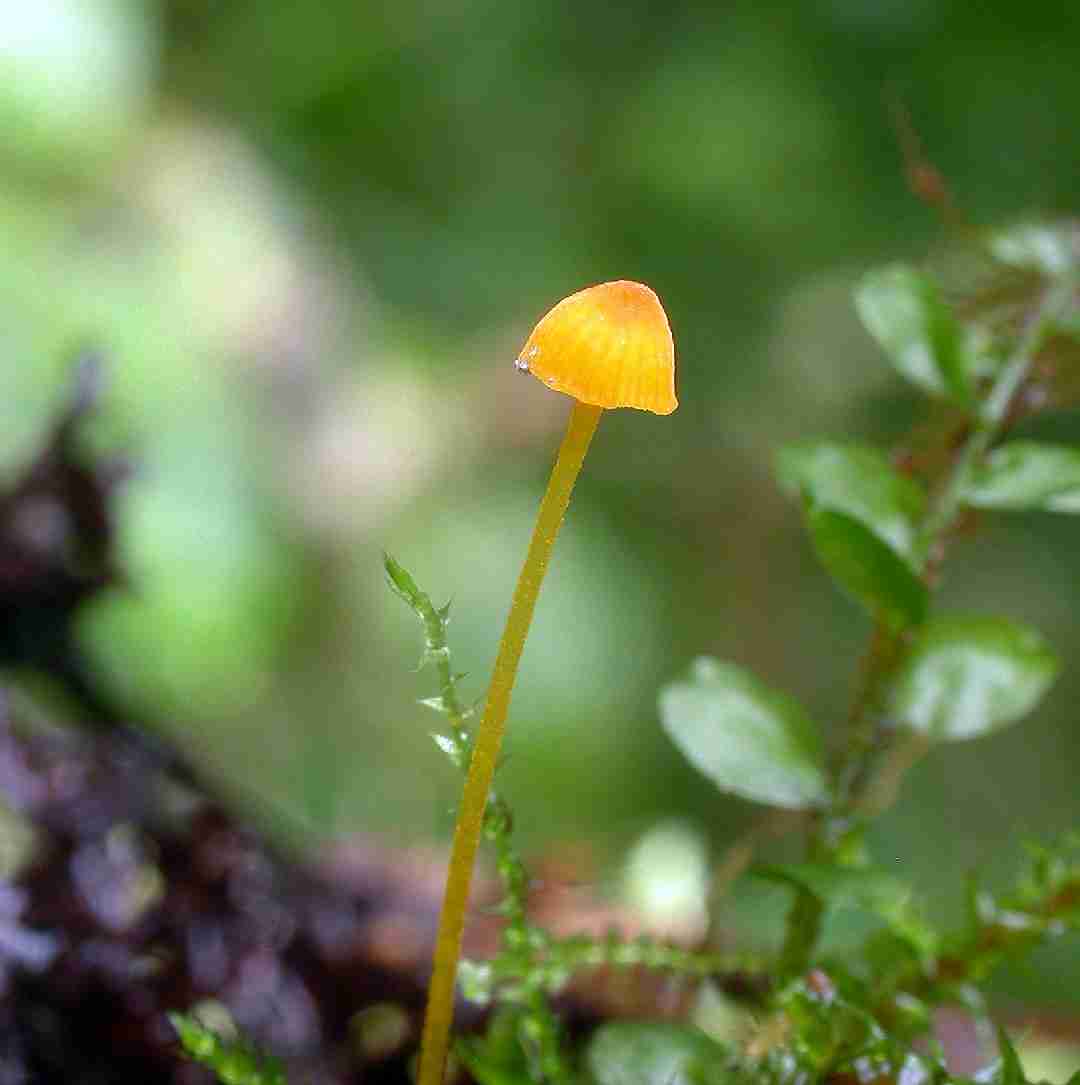
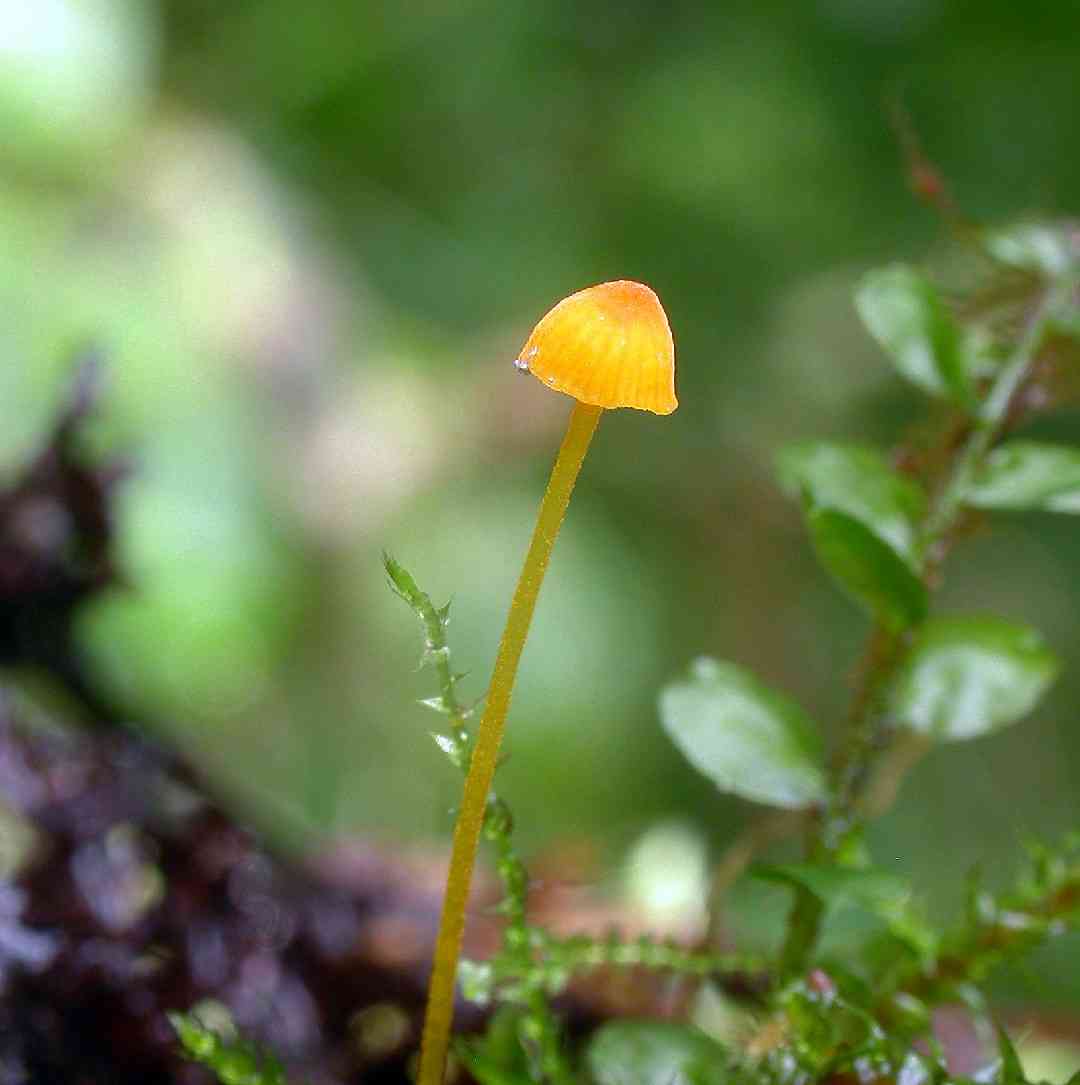
Mycena renati, commonly known as Western yellow mycena, is easily recognized by its striking bright yellow hue, which makes it visible amongst conifer debris. This diminutive fungus stands only about an inch high and possesses a subtle scent. Its distribution spans both European and American continents.
In This Article
Attributes of Western yellow mycena
Cap Diameter
2 - 8 mm
Height
1 - 3 cm
Cap
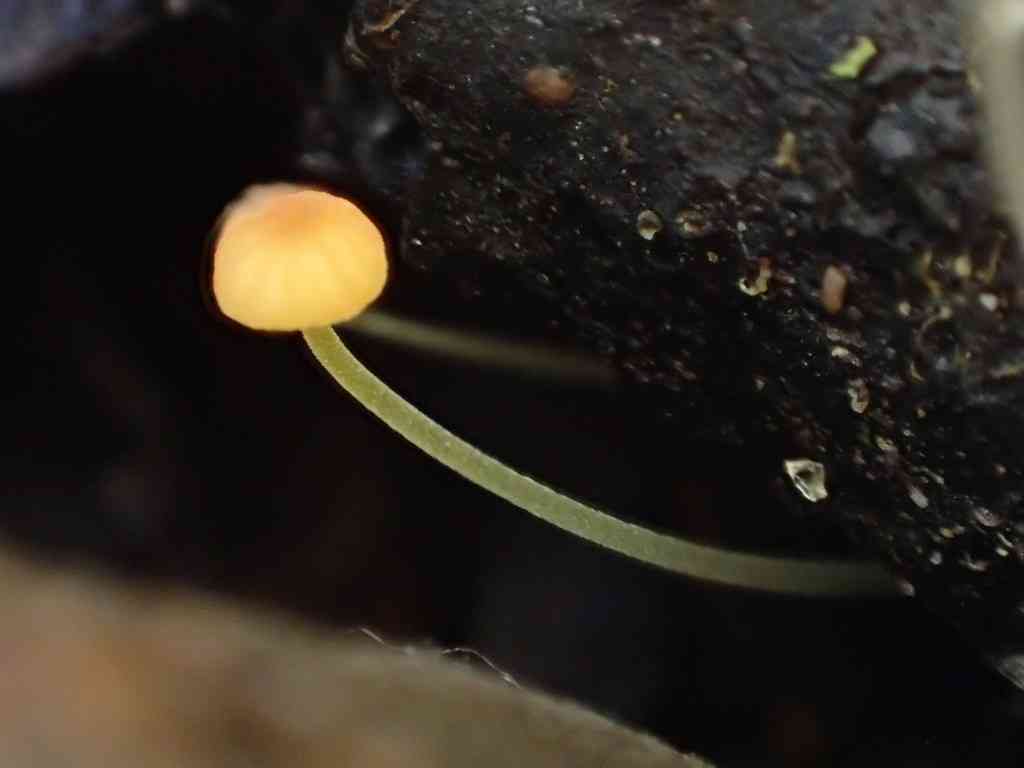
Cap 2 - 8 mm broad; convex; yellow; moist, faintly pruinose; margin decurved, slightly undulate
Cap Shape
Convex
Cap Surfaces
Smooth, Visible lines or stripes
Gills
Adnate to subdecurrent; subdistant; yellow to yellowish, fading to whitish with age
Gill Attachment
Attached
Stem
1 - 2.5 cm long, 1 mm thick; fragile, equal; pruinose, translucent yellow; veil absent
Stem Shapes
Cylindrical
Stem Surfaces
Smooth to slightly fibrous
Flesh
Thin; yellowish; unchanging
Ring
Ringless
Spore Print Color
White
Odor
Mildly mushroomy but not distinctive.
Body Color
YellowWhiteOrange
Growth Form
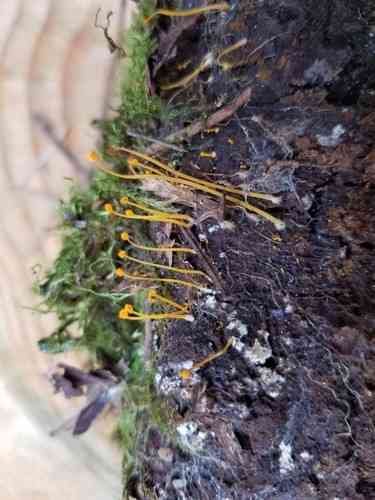
Solitary, Gregarious
Nutrient Gathering
Saprophytic
Substrate
Leaf or Needle Litter, Mosses
You can find Western yellow mycena by these plants
Coast live oak, Red pine, Coast redwood
Occurence Habitats
Coniferous Woodland, Deciduous Woodland
Species Status
Common
Endangered Species
No
Scientific Classification of Western yellow mycena
Phylum
Club fungi
Class
Mushroom-forming fungi
Order
Gilled fungi
Family
Bonnet mushrooms
Genus
Bonnets
Toxicity and Edibility of Western yellow mycena
Is Western yellow mycena Toxic?
Toxicity information is not available for this mushroom. Always consult with an expert before consuming any wild mushrooms.

