Common mycena
Mycena galericulata
A species of Bonnets. Also known as Common bonnet.
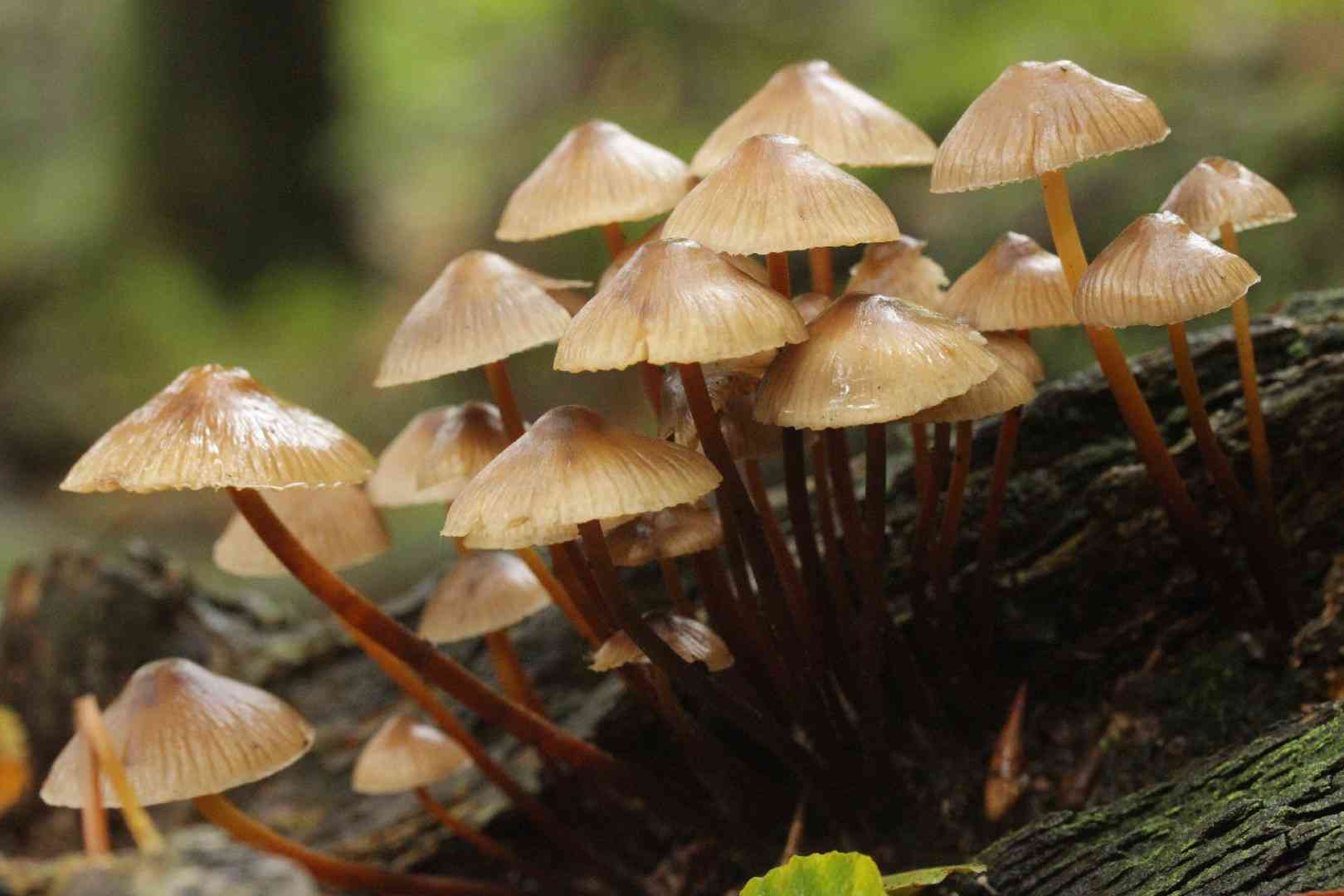
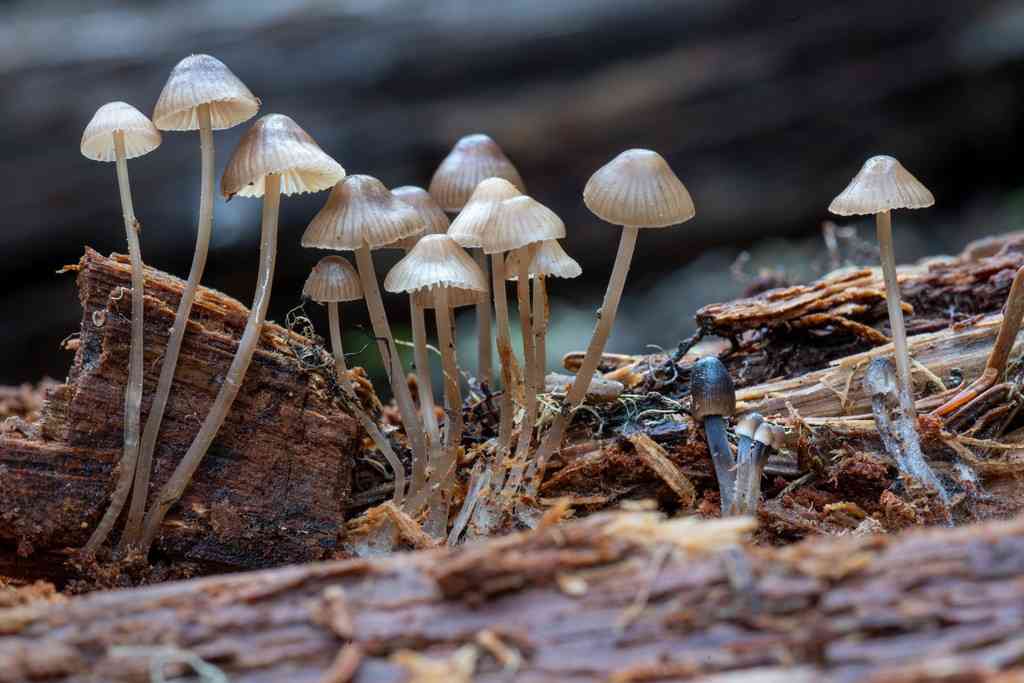
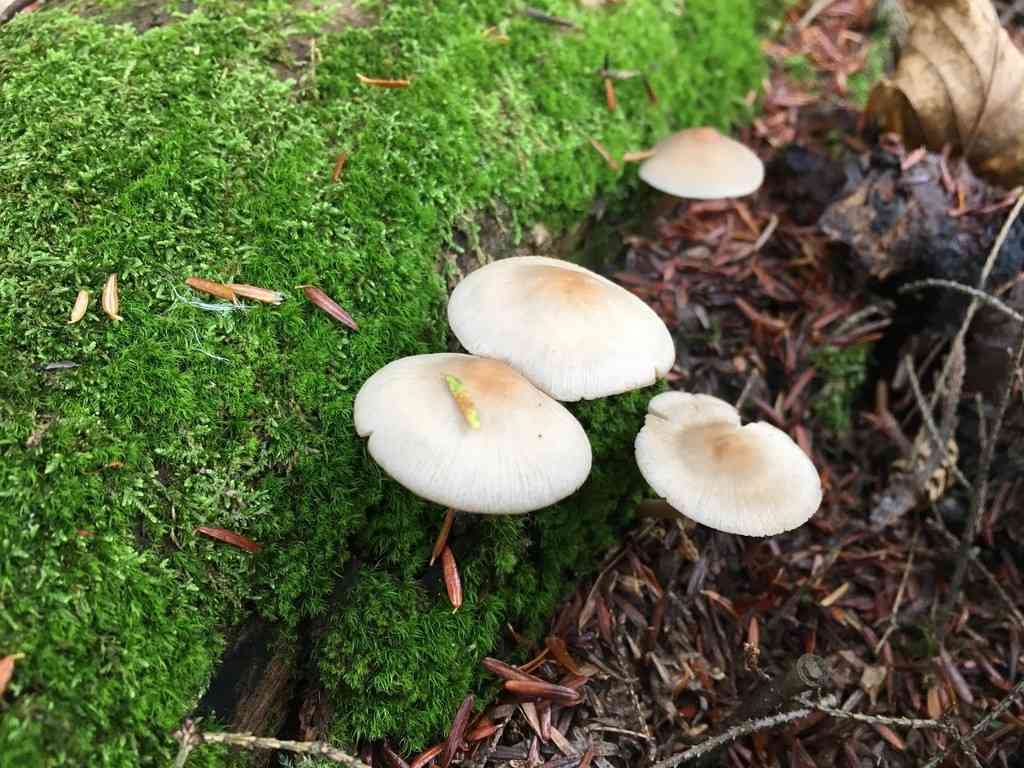
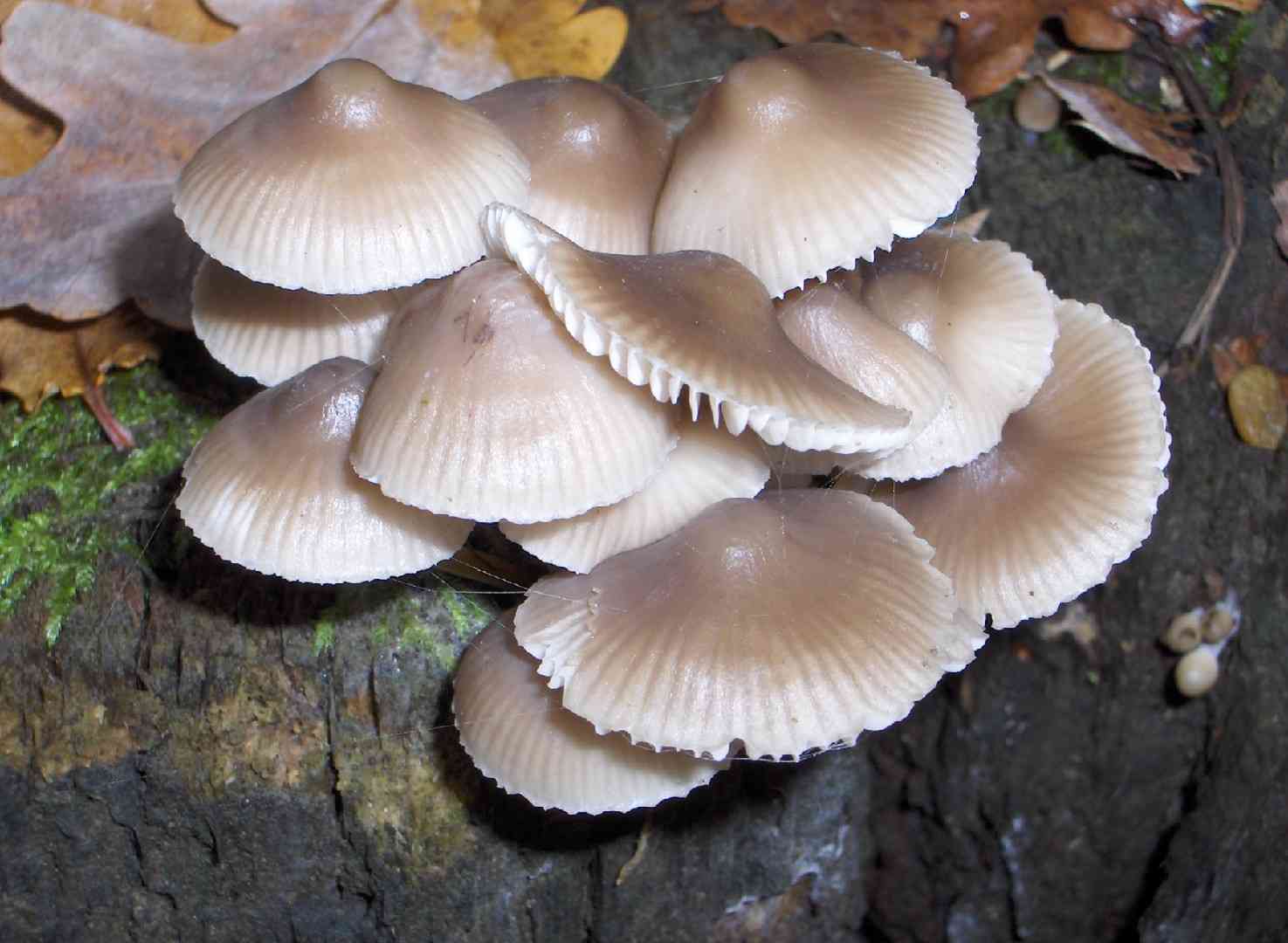
These fungi thrive in dense, shadowy deciduous woodlands, forming in clumps and groups on significantly decomposed logs and moss-covered tree stumps. This particular mycena species is prevalent across the northern hemisphere during the warmer months of summer and fall. While not considered poisonous, they offer no culinary benefit.
In This Article
Attributes of Common mycena
Cap Diameter
2 - 6 cm
Height
5 - 15 cm
Cap
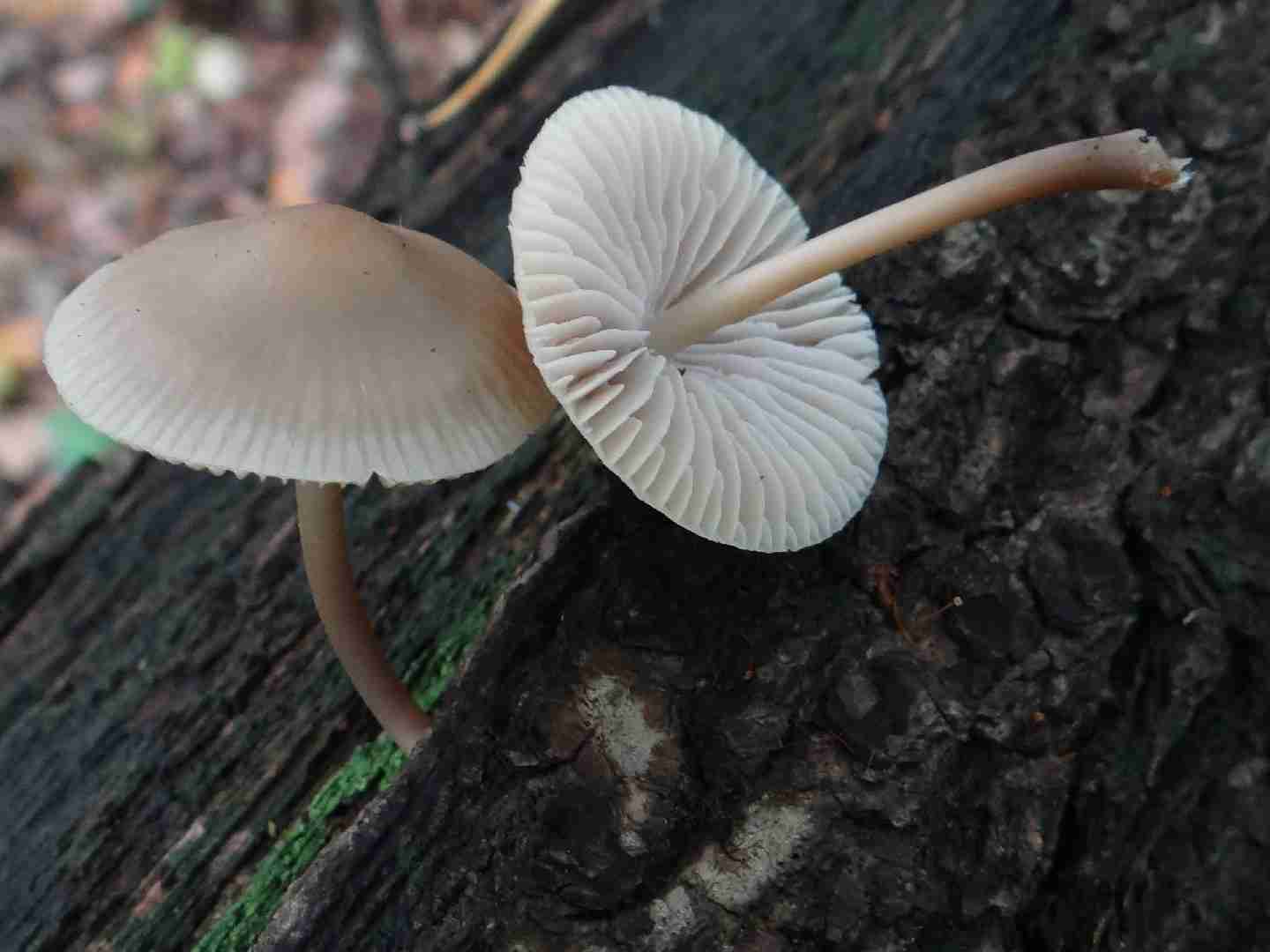
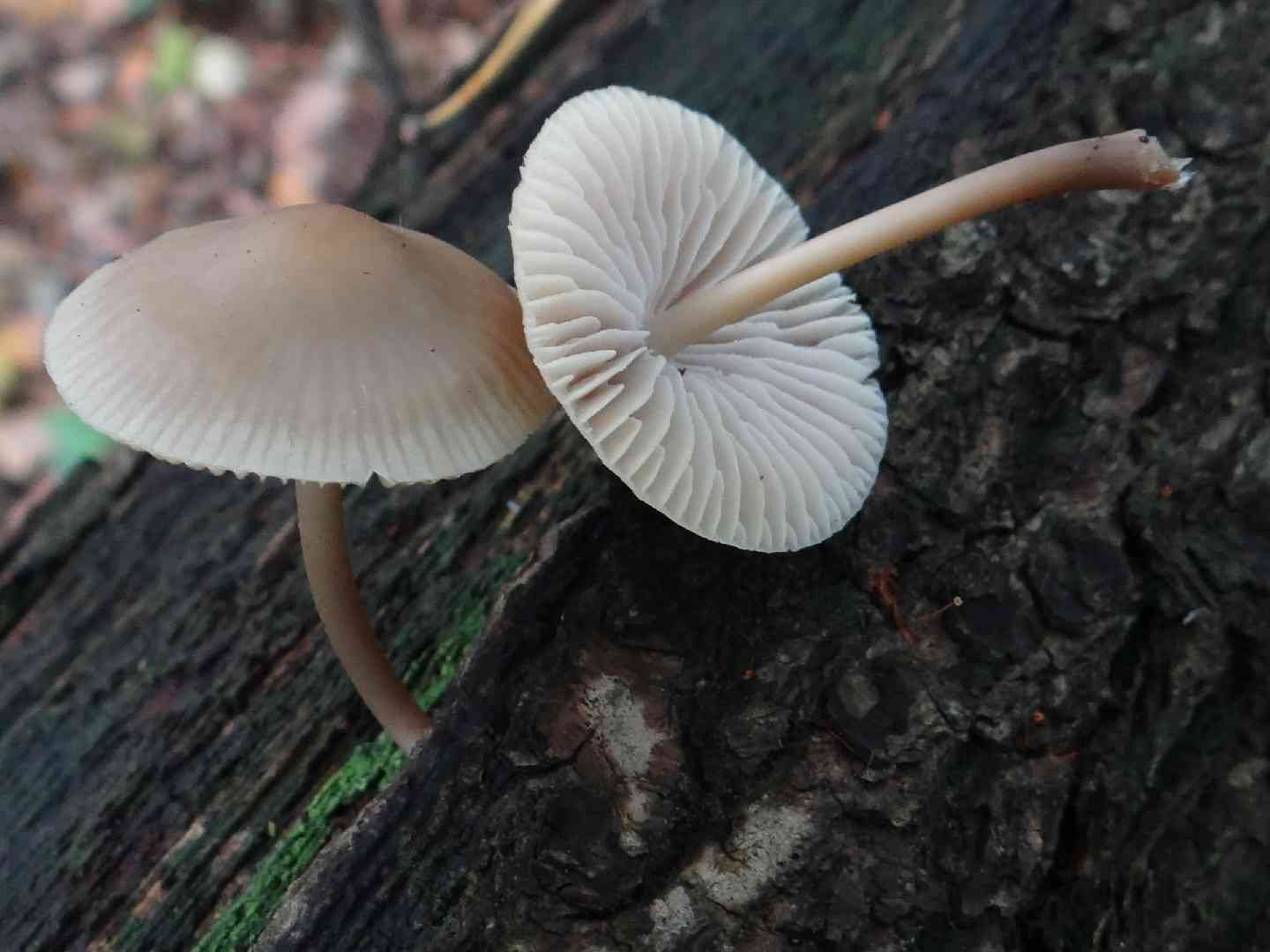
1 - 6 cm; broadly bell-shaped; brown, darker brown at center; bald, tacky; margin inrolled
Cap Shape
Bell-shaped, Convex, Flat, Central Bump
Cap Surfaces
Smooth, Visible lines or stripes
Gills
Adnexed; distant; whitish, pink; not bruising or staining
Gill Attachment
Notched
Stem
5 - 9 cm long, 2 - 5 mm thick; equal, hollow; whitish above, tan to brownish downwards
Stem Shapes
Cylindrical
Stem Surfaces
Smooth to slightly fibrous
Flesh
Insubstantial; whitish to pale brownish
Ring
Ringless
Spore Print Color
White
Odor
Slightly mealy or not particularly notable.
Body Color
BrownBronzeGray
Flesh Bruises
The flesh or milk does not discolor when bruised or cut.
Growth Form
Solitary, Scattered, Gregarious, Clustered
Nutrient Gathering
Saprophytic
Substrate
Dead Woods
You can find Common mycena by these plants
Oaks
Occurence Habitats
Deciduous Woodland, Coniferous Woodland
Species Status
Widely distributed east of the Rocky Mountains.
Endangered Species
No
Scientific Classification of Common mycena
Phylum
Club fungi
Class
Mushroom-forming fungi
Order
Gilled fungi
Family
Bonnet mushrooms
Genus
Bonnets
Toxicity and Edibility of Common mycena
Is Common mycena Toxic?
Toxicity information is not available for this mushroom. Always consult with an expert before consuming any wild mushrooms.