
Platterful mushroom
Megacollybia rodmanii
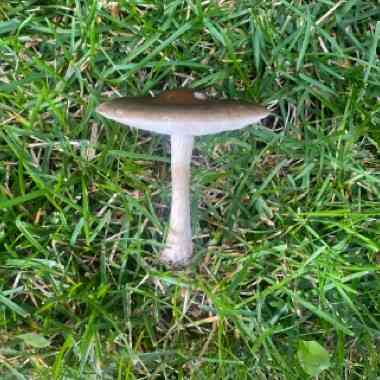
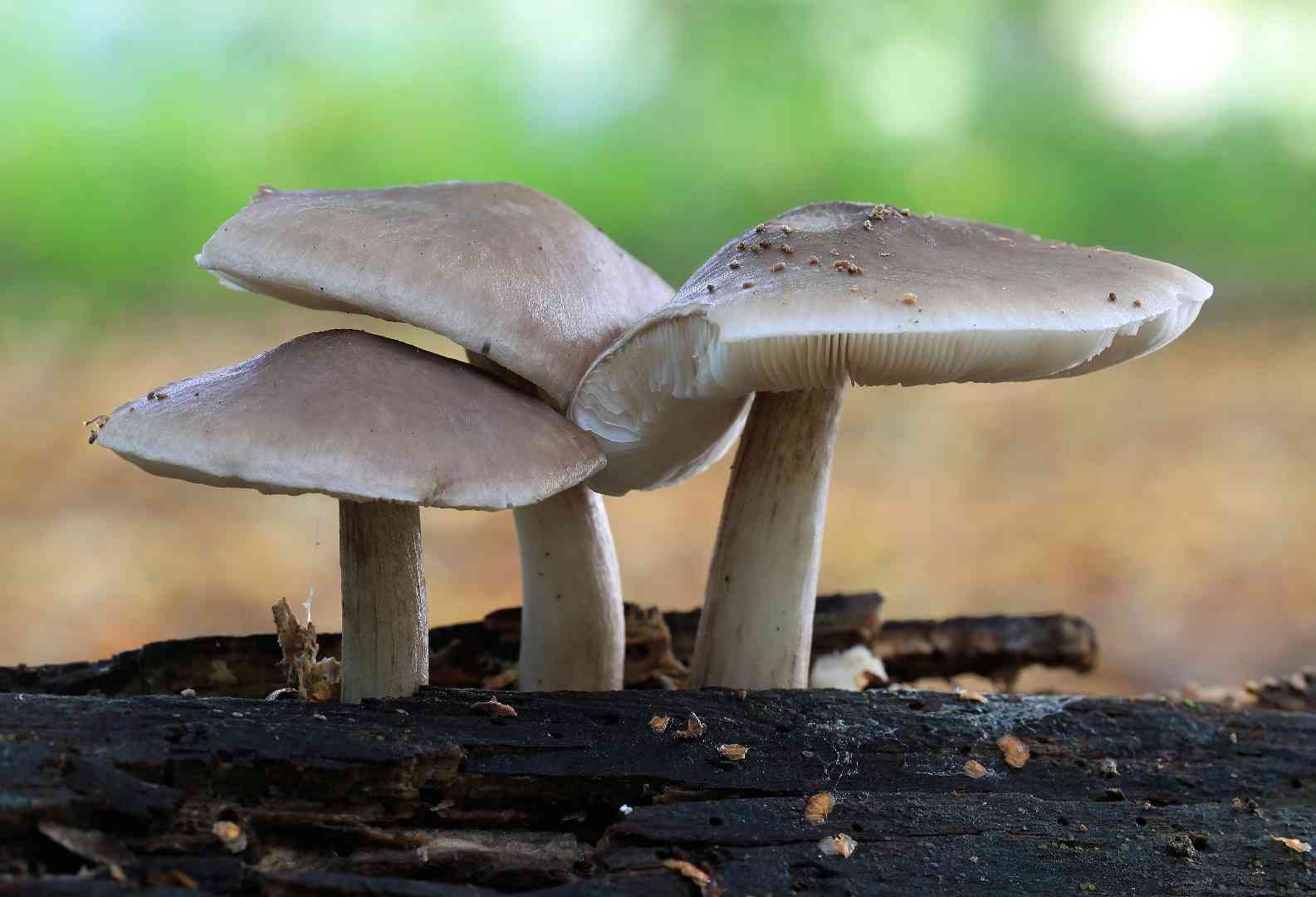
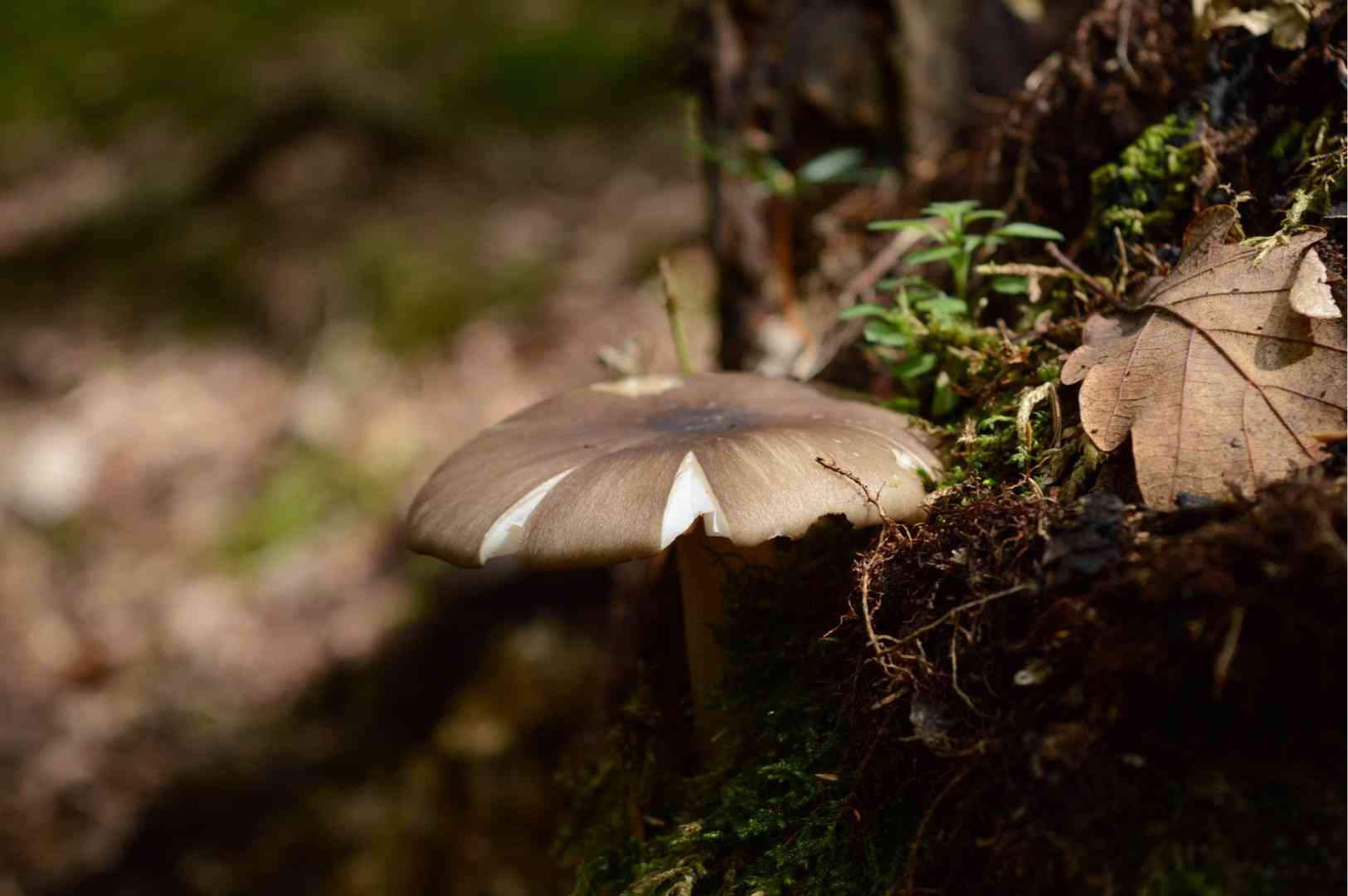
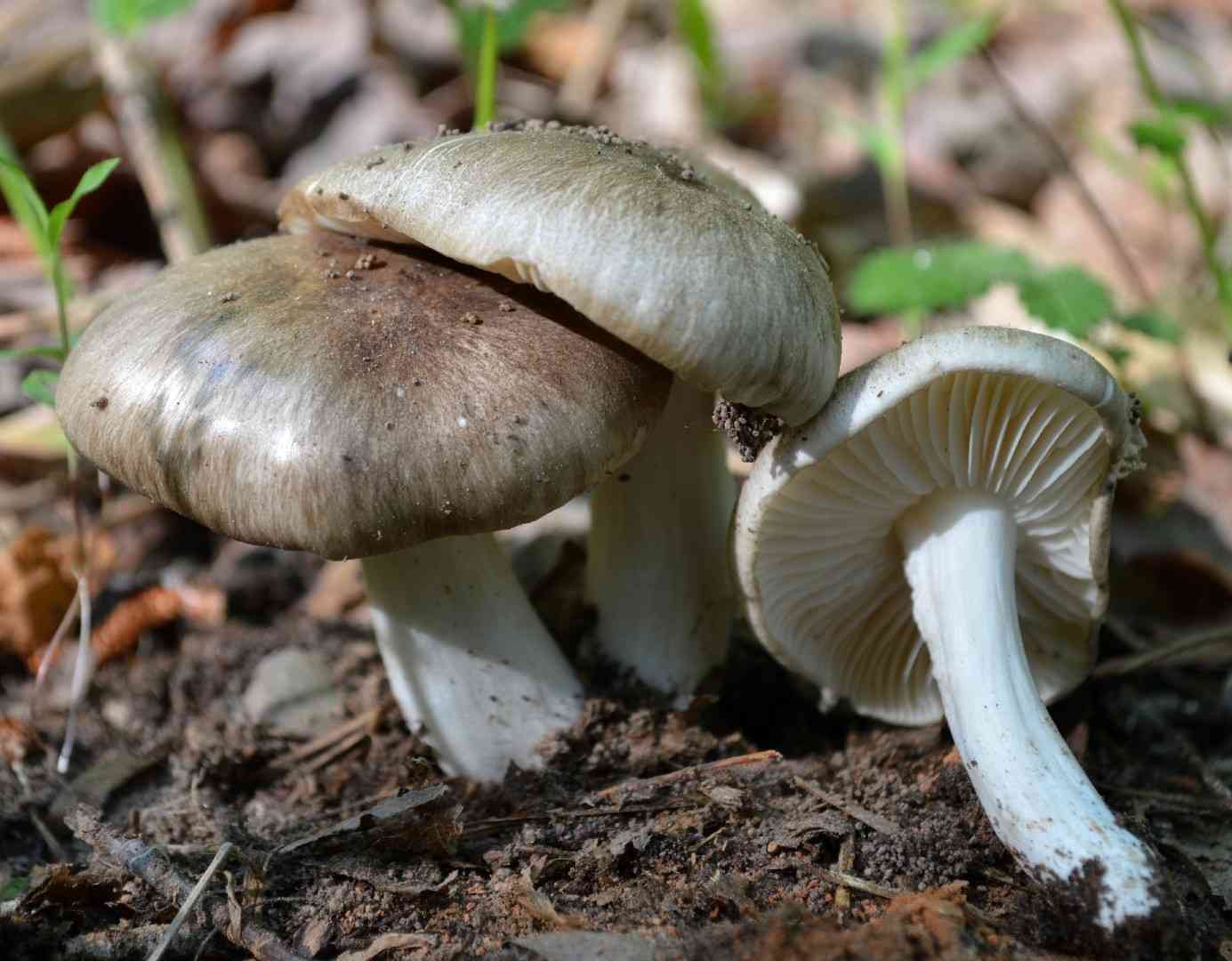
A species of Megacollybia. Also known as Eastern american platterful mushroom.
The platterful mushroom, an unremarkable yet sizable fungus, is found throughout eastern North America and extends south into Central America. Its name reflects the considerable size of its cap, which also flattens and becomes ragged with age, contributing to an even larger appearance. Given the conflicting information regarding its suitability for consumption, it is advisable to refrain from using this species in cooking.
In This Article
Attributes of Platterful mushroom
Cap Diameter
3 - 20 cm
Cap
Cap 3 - 20 cm; convex; brown; dry
Gills
Broadly adnate; close or nearly distant; whitish
Stem
Stem 5 - 12 cm long, up to 1 cm wide; equal above, a slightly enlarged base; whitish; finely silky
Flesh
White; unchanging when sliced
Spore Print Color
White
Odor
Mildly mushroomy but not distinctive.
Body Color
BrownBronzeGrayWhite
Flesh Bruises
The flesh or milk does not discolor when bruised or cut.
Growth Form
Solitary, Scattered
Nutrient Gathering
Saprophytic
Substrate
On soil
Species Status
Fairly widely distributed and common
Endangered Species
No
Scientific Classification of Platterful mushroom
Phylum
Club fungi
Class
Mushroom-forming fungi
Order
Gilled fungi
Family
Marasmiaceae
Genus
Megacollybia
Toxicity and Edibility of Platterful mushroom
Is Platterful mushroom Toxic?
Toxicity information is not available for this mushroom. Always consult with an expert before consuming any wild mushrooms.