Common puffball

Lycoperdon perlatum

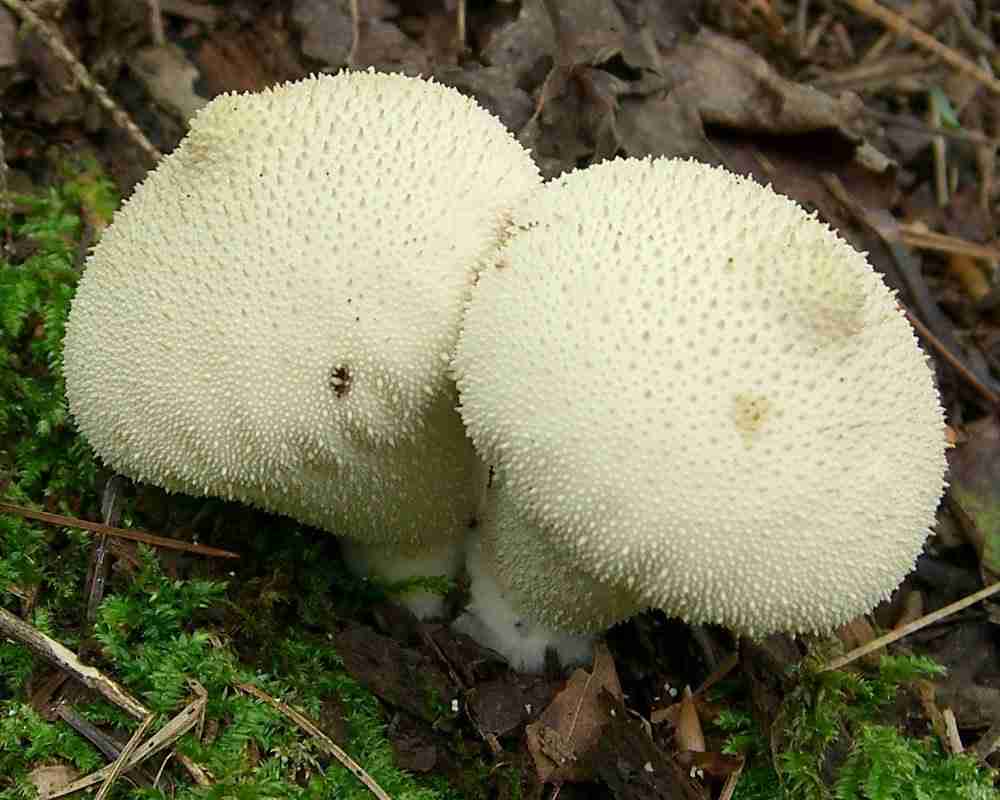
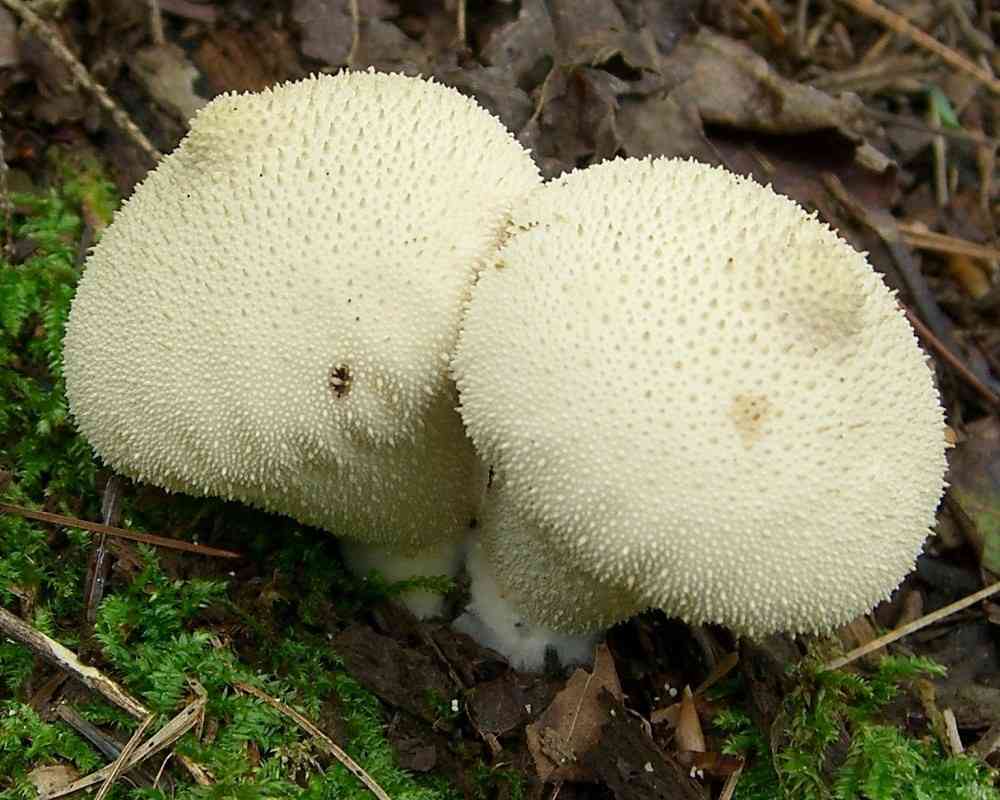
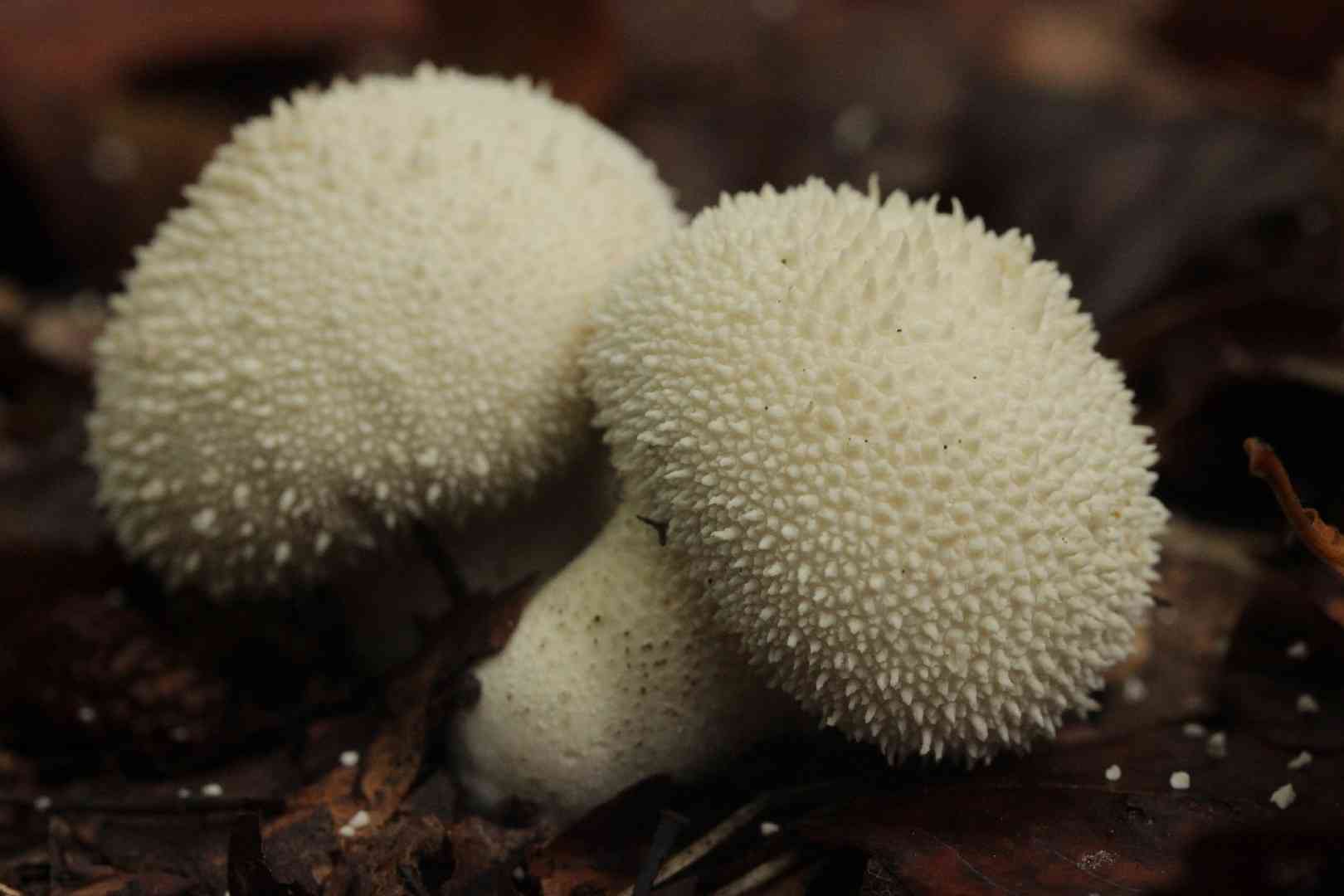
A species of Lycoperdon. Also known as Gem-studded puffball, Wolf farts.

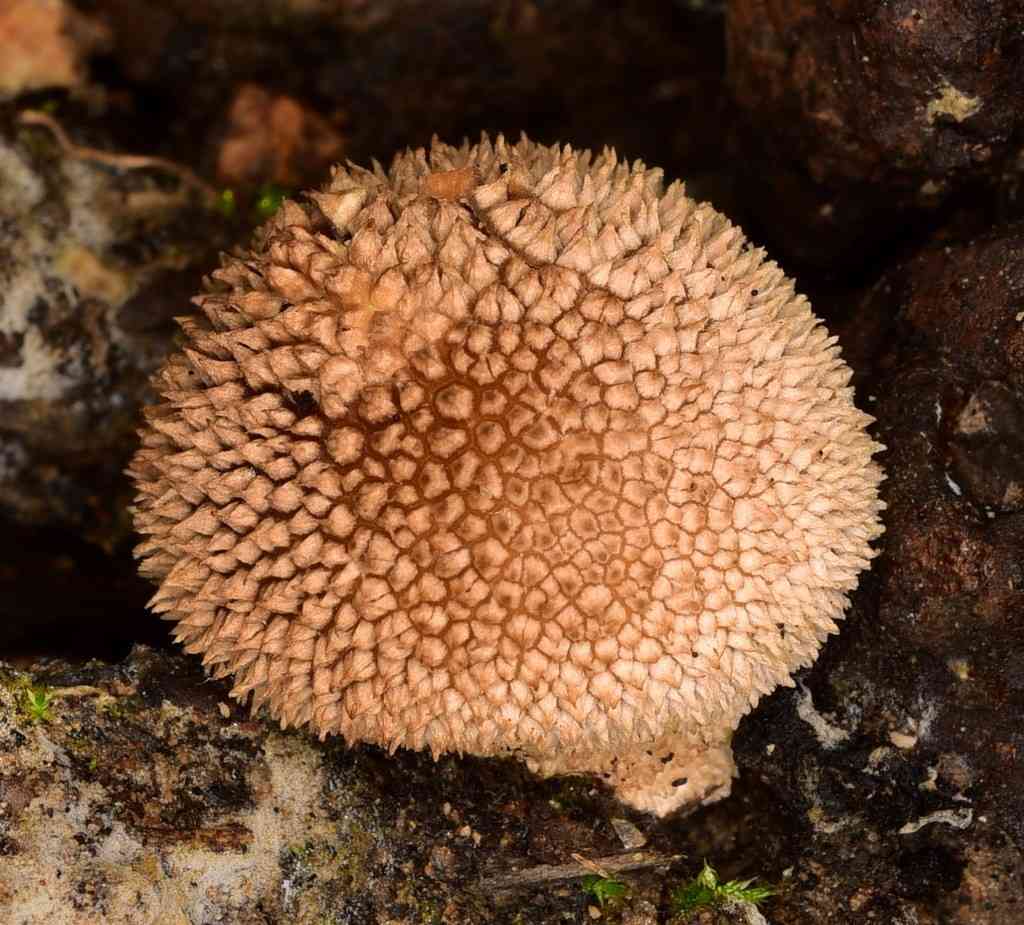
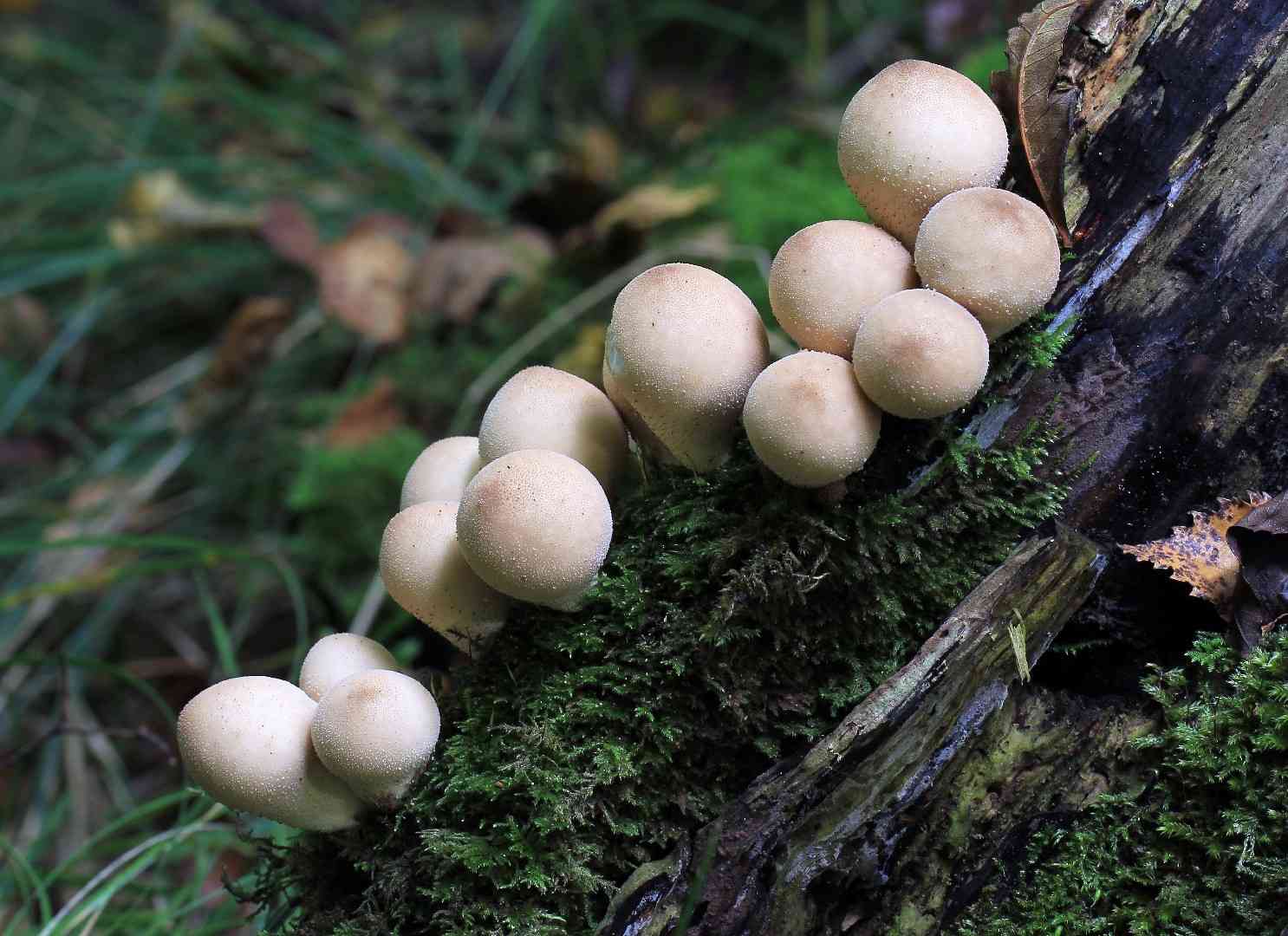
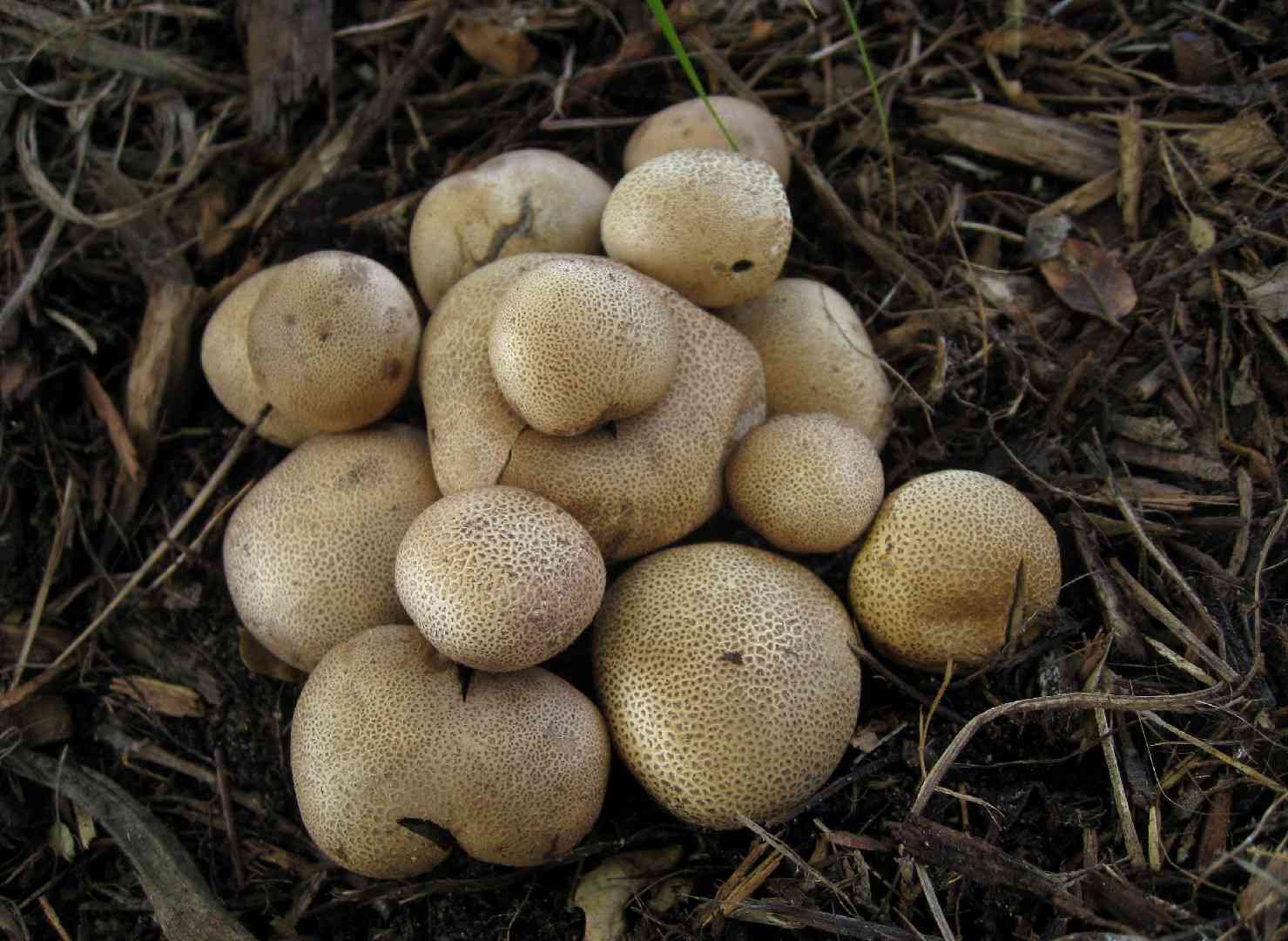
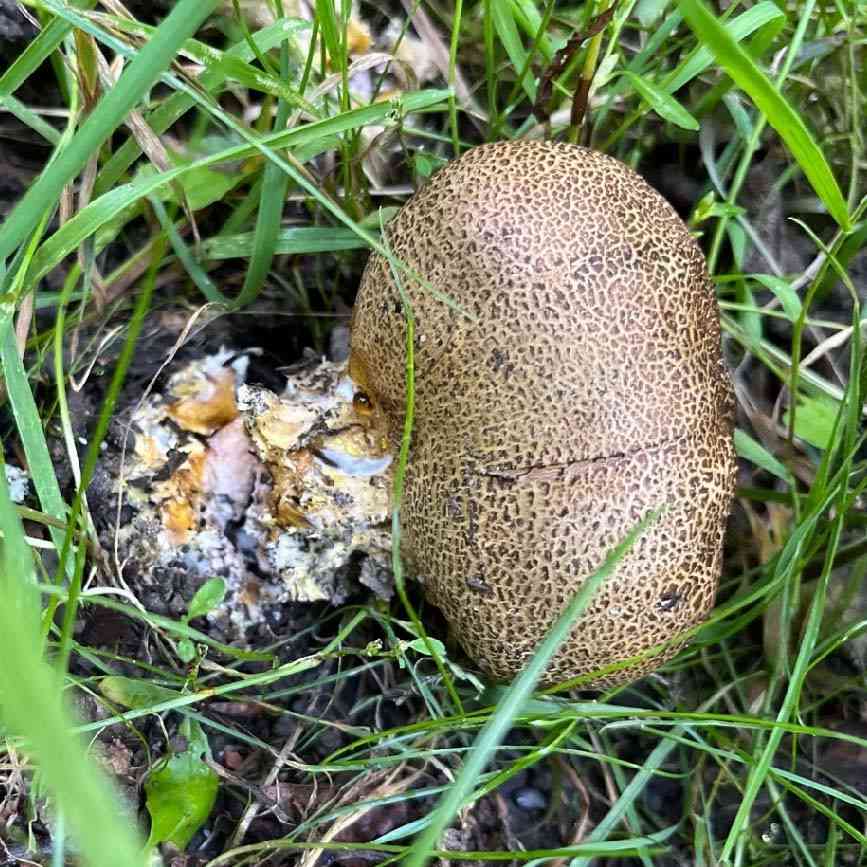
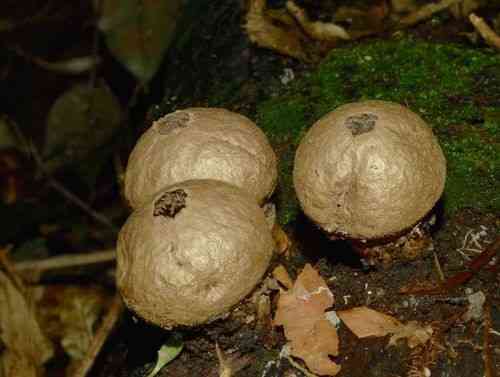
These spherical fungi often appear in clusters on the woodland ground. Upon reaching full development, common puffballs acquire a yellowish hue and release a smoky burst of spores when agitated. Exercise extreme caution during identification, as their early, undeveloped stage closely resembles the deadly Deathcap.

In This Article
Attributes Classification Toxicity Similar Mushrooms

Attributes of Common puffball

ForwardPlant - ID plants and mushrooms, and learn more about them🌿

Identify and diagnose plants, get toxicity alerts, and explore safety guides for all types of fungi.

Try for Free
Height
3 - 10 cm
Cap
Brown; with netlike pattern
Gills
There is no gills.
Stem
An inverted, spongy cone, often distorted
Stem Shapes
Tapering
Stem Surfaces
Scaly
Flesh
Spongy; white, olive brown, yellowish
Ring
Ringless
Spore Print Color
Brown
Odor
Mildly mushroomy but not distinctive.
Body Color
BrownWhite
Flesh Bruises
The flesh or milk does not discolor when bruised or cut.
Growth Form
Solitary, Scattered, Gregarious, Clustered
Nutrient Gathering
Saprophytic
Substrate
On soil, Leaf or Needle Litter
You can find Common puffball by these plants
Spruces, Firs
Occurence Habitats
Disturbed Lands, Deciduous Woodland, Coniferous Woodland, Mixed Woodland, Meadows
Species Status
Least Concern
Endangered Species
No

Scientific Classification of Common puffball

ForwardPlant APP

AI mushroom expert in your pocket

Try for Free
Phylum
Club fungi
Class
Mushroom-forming fungi
Order
Gilled fungi
Family
Agaricaceae
Genus
Lycoperdon
⚠️

Toxicity and Edibility of Common puffball

ForwardPlant: Identify & Forage

Your Essential Guide to Edible vs. Toxic Mushrooms. Forage with Confidence!

Try for Free

Is Common puffball Toxic?

Mature common puffballs are poisonous. If the fruitbody shows any hint of yellow, brown, or green, it indicates the puffball has begun producing spores. In this mature phase, it should not be gathered or consumed. Furthermore, inhaling the spores from mature common puffballs, or any other mature puffball species, is dangerous as they are directly linked to the respiratory illness known as Lycoperdonosis.