Grassland puffball
Lycoperdon lividum
A species of Lycoperdon.
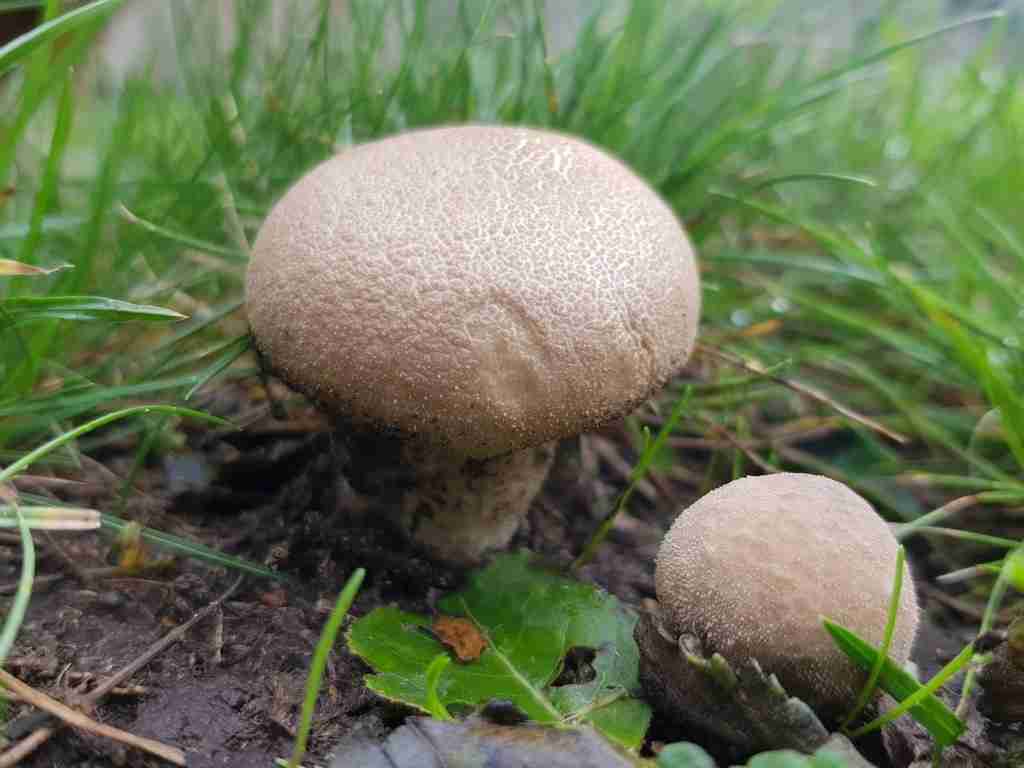
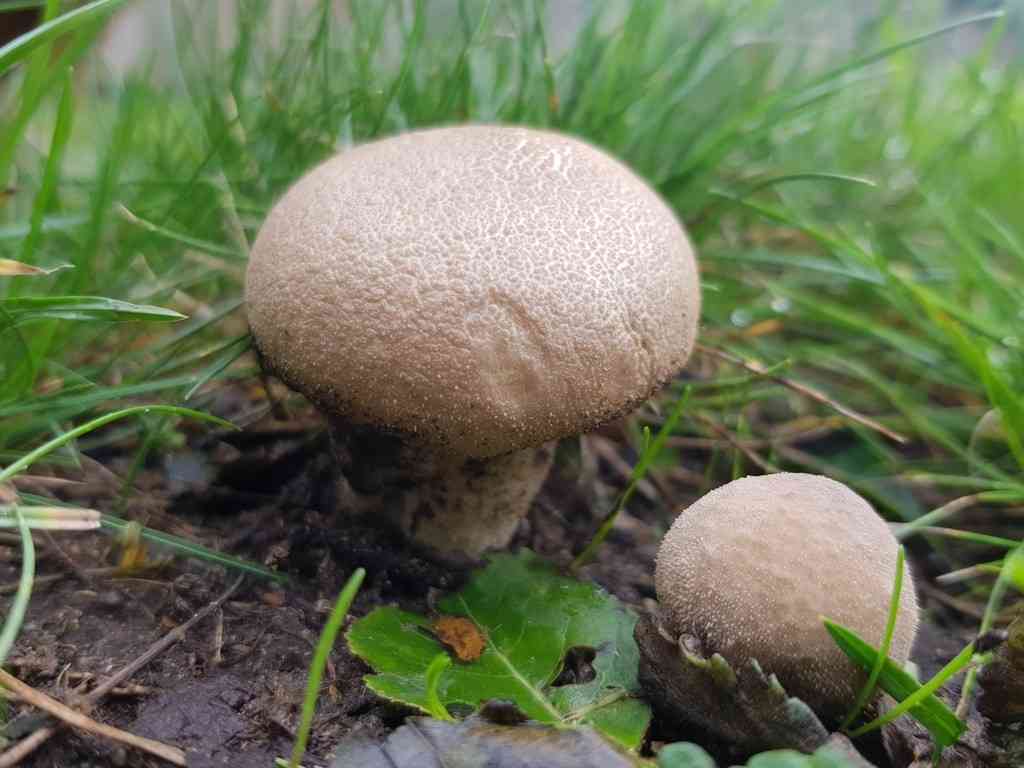
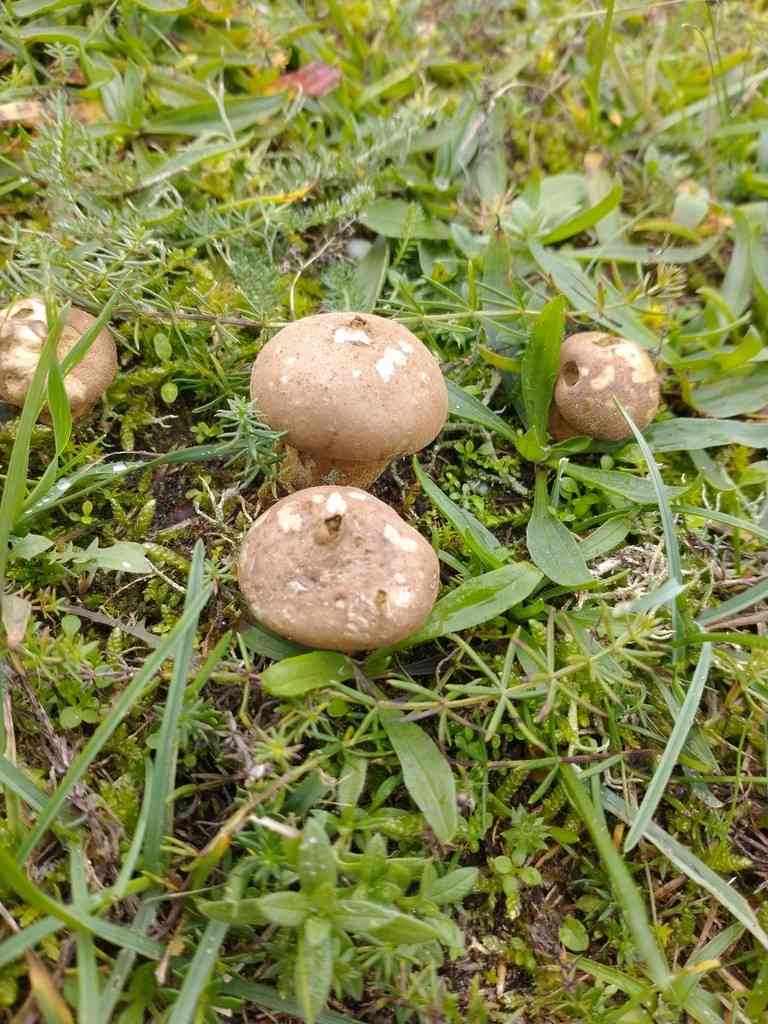
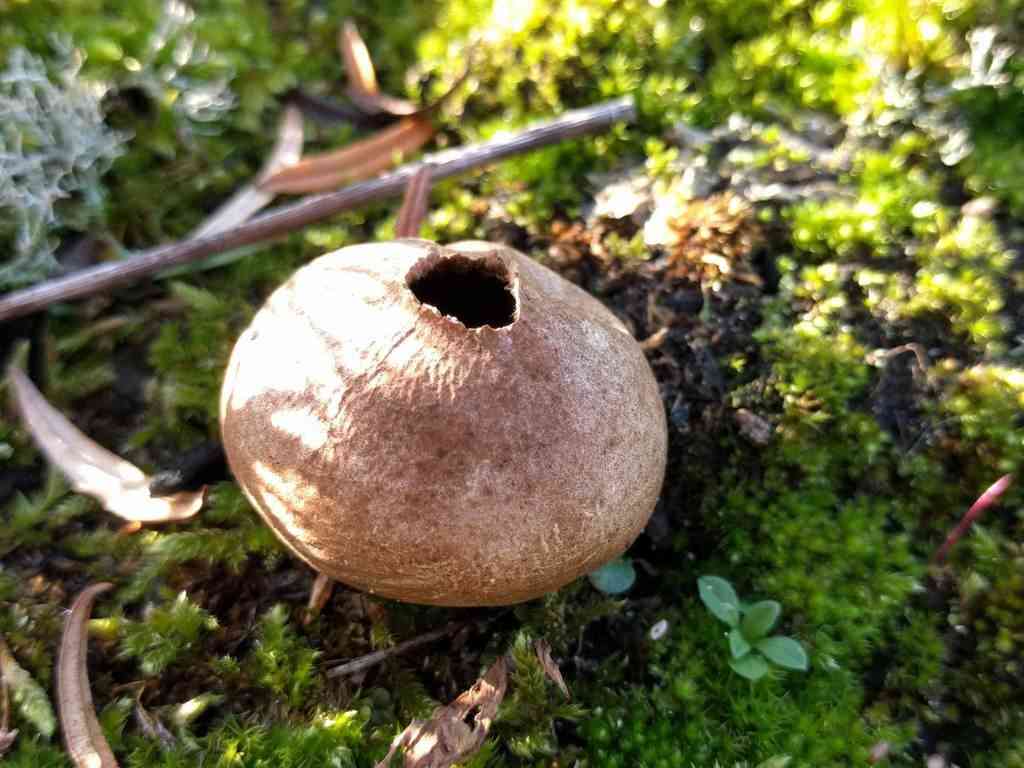
The grassland puffball, a common sight in grassy areas, thrives particularly well in fertile, calcium-rich soil. Starting off round in its youthful stage, this small to medium-sized species gradually transforms into a pear-like shape as it ages. A unique feature of its reproductive cycle is the formation of an apical pore in mature specimens, facilitating spore dispersal. Its exterior transitions from a pristine white in its early development to a brownish hue upon reaching maturity.
In This Article
Attributes of Grassland puffball
Cap Diameter
1 - 2.5 cm
Height
1.5 - 4 cm
Cap
Cap 1 - 2.5 cm across; spherical; white to yellow-olive and brown; with finely granular
Ring
Ringless
Spore Print Color
Darkish olive-brown
Odor
Mildly mushroomy but not distinctive.
Body Color
BrownGreenYellowGrayWhite
Flesh Bruises
The flesh or milk does not discolor when bruised or cut.
Growth Form
Gregarious
Nutrient Gathering
Saprophytic
Substrate
On soil
Occurence Habitats
Meadows
Species Status
Fairly common
Endangered Species
No
Scientific Classification of Grassland puffball
Phylum
Club fungi
Class
Mushroom-forming fungi
Order
Gilled fungi
Family
Agaricaceae
Genus
Lycoperdon
Toxicity and Edibility of Grassland puffball
Is Grassland puffball Toxic?
Toxicity information is not available for this mushroom. Always consult with an expert before consuming any wild mushrooms.

