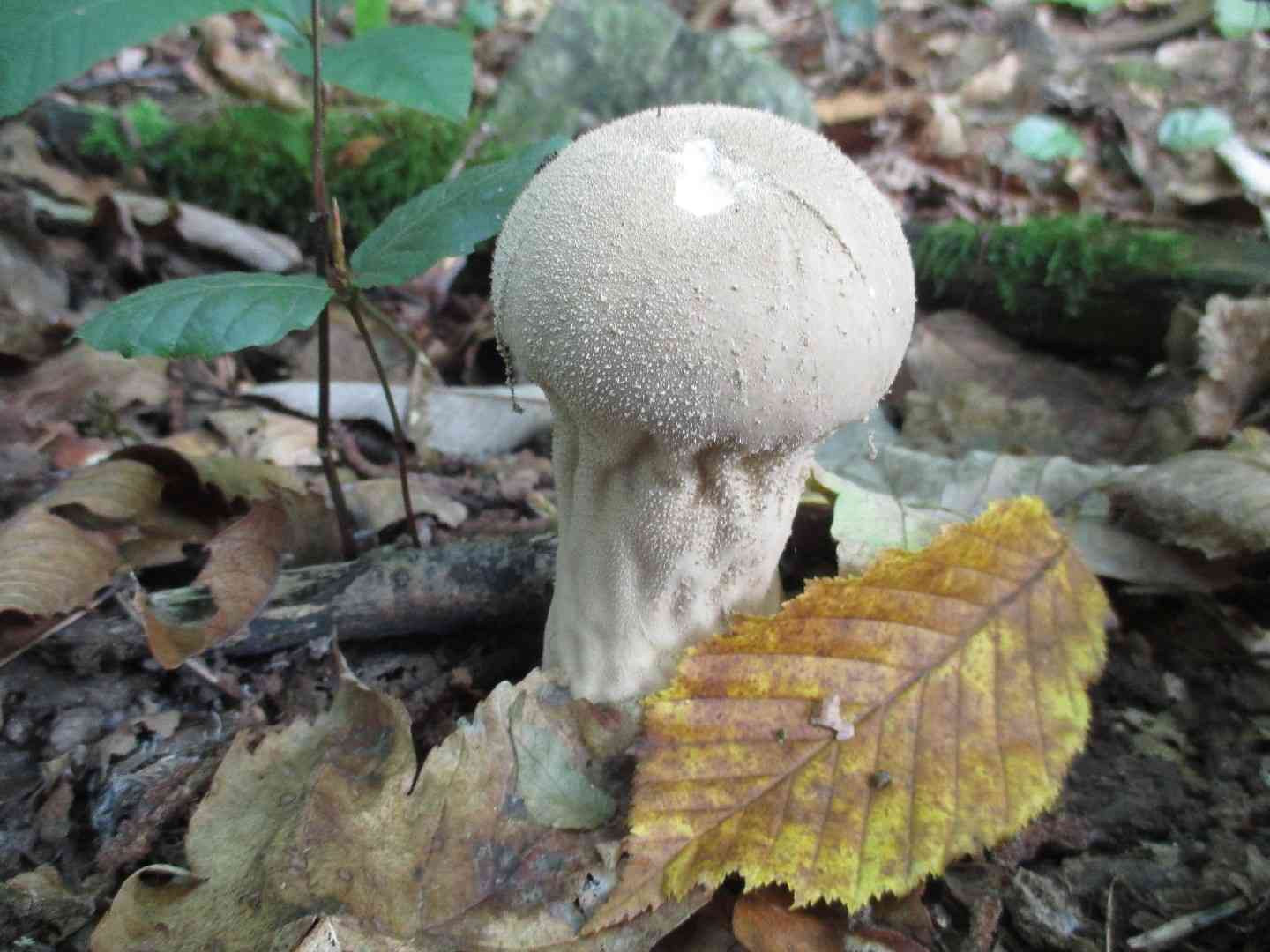
Pestle puffball
Lycoperdon excipuliforme
A species of Lycoperdon. Also known as Pistle-shaped puffball.
Upon compression, the mature pestle puffball's fruiting body forcefully expels its fine, greenish-brown spores. These spores pose a significant health risk to humans; inhaling them can trigger a respiratory ailment known as lycoperdonosis. The stem section is capable of overwintering and typically emerges as the snow begins to thaw.
In This Article
Attributes of Pestle puffball
Cap Diameter
4 - 10 cm
Height
6 - 20 cm
Cap
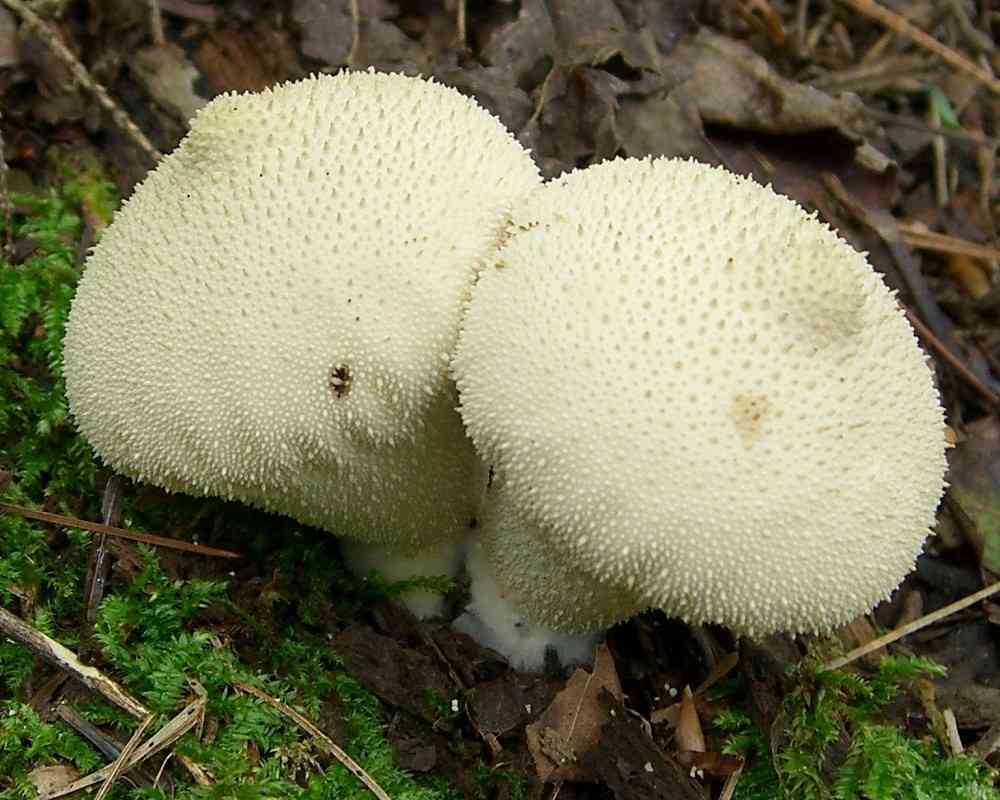
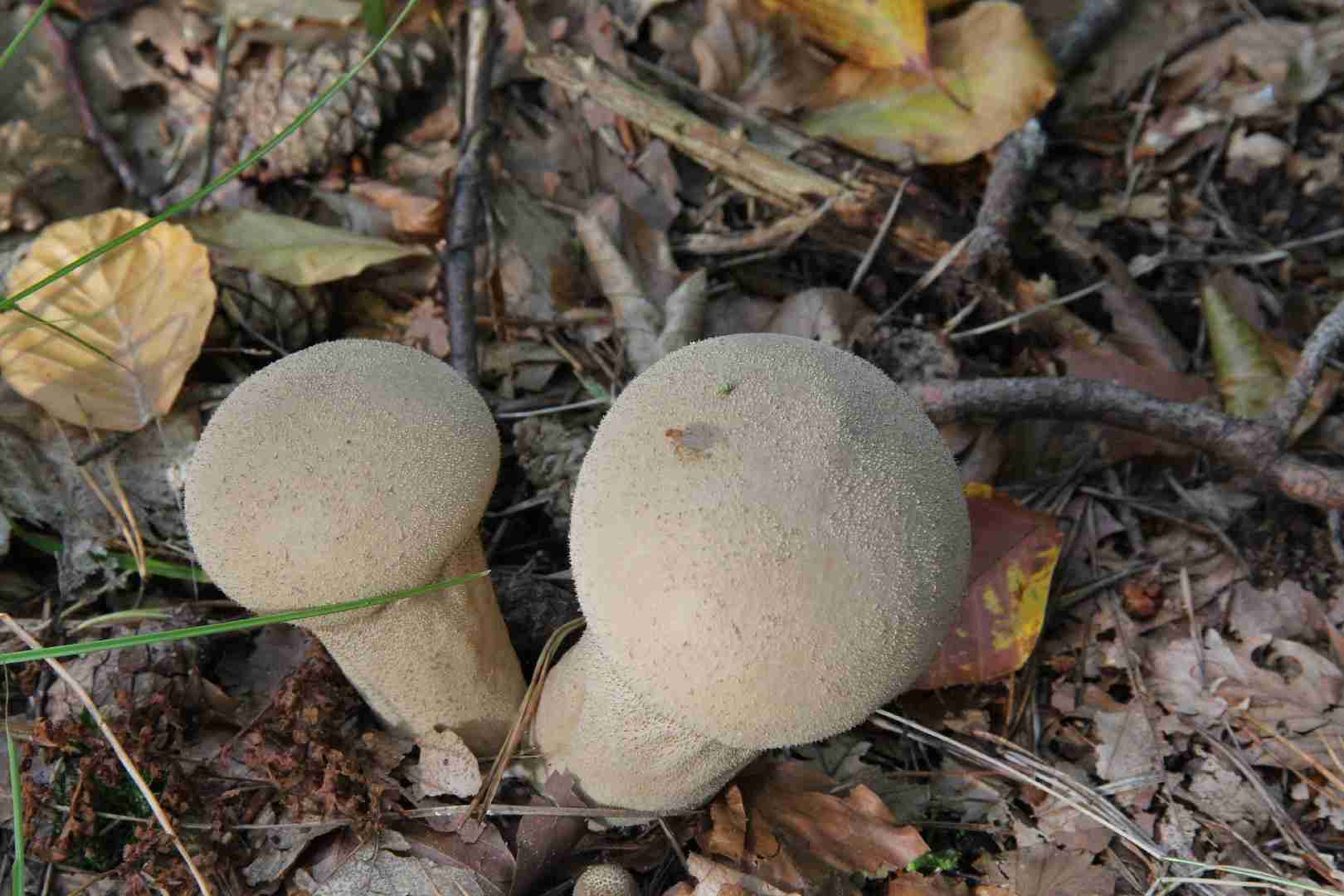
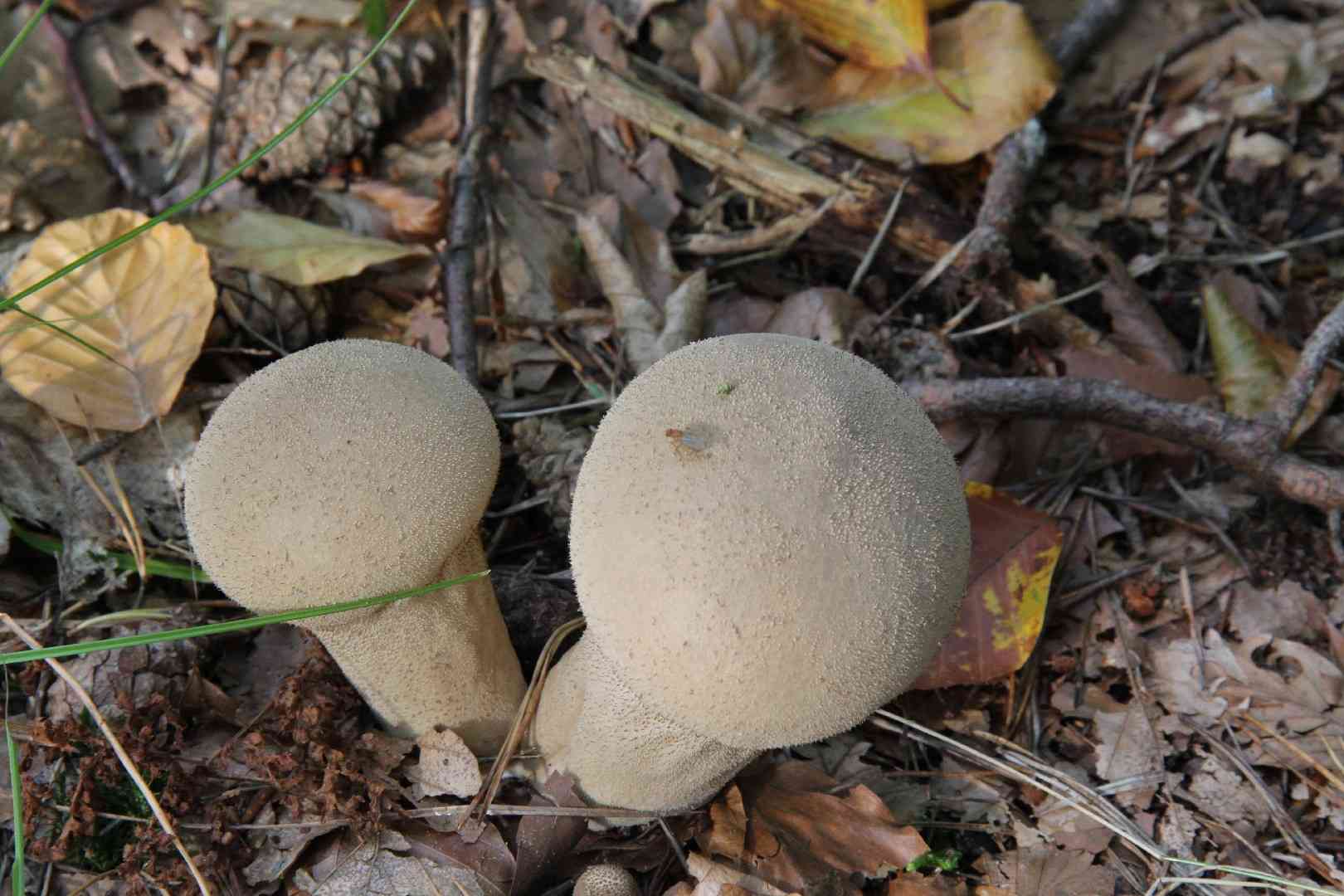
4 - 10 cm; globe-like; white to ochre; initially the surface covered in pointed warts;then become smooth, matt
Stem
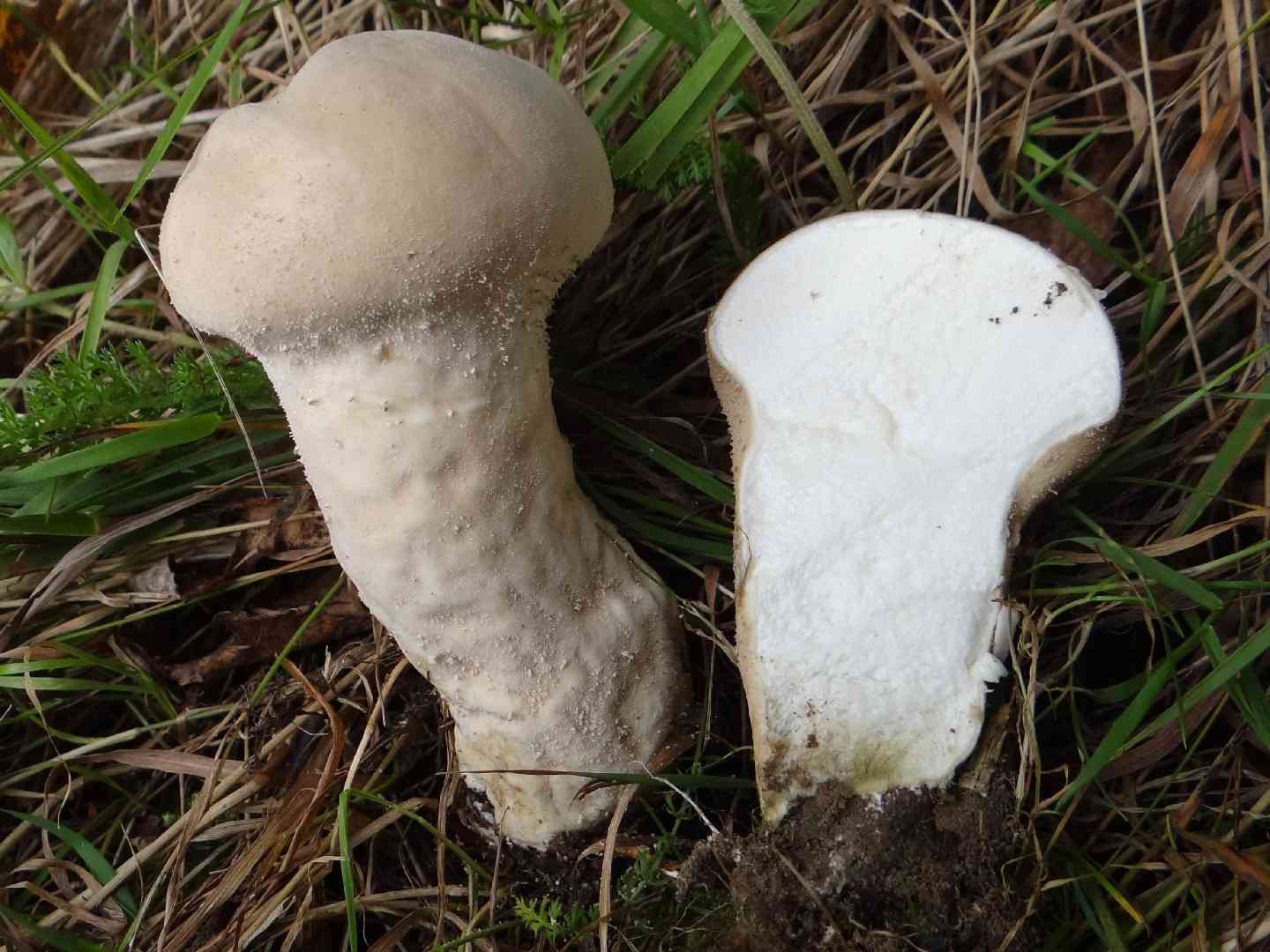
Parallel; white to ochre; surface with pointed warts at first, then become smooth and leathery
Stem Shapes
Tapering
Flesh
With the consistency of a marshmallow sweet; white, turns yellow, then grey-brown
Ring
Ringless
Spore Print Color
Brown
Odor
Mildly mushroomy but not distinctive.
Body Color
BrownWhite
Flesh Bruises
The flesh or milk does not discolor when bruised or cut.
Growth Form
Solitary, Gregarious
Nutrient Gathering
Saprophytic
Substrate
On soil
You can find Pestle puffball by these plants
Spruces, Oaks
Occurence Habitats
Deciduous Woodland, Coniferous Woodland, Meadows
Species Status
Widespread and fairly common find in Britain and Ireland.
Endangered Species
No
Scientific Classification of Pestle puffball
Phylum
Club fungi
Class
Mushroom-forming fungi
Order
Gilled fungi
Family
Agaricaceae
Genus
Lycoperdon
Toxicity and Edibility of Pestle puffball
Is Pestle puffball Toxic?
Toxicity information is not available for this mushroom. Always consult with an expert before consuming any wild mushrooms.