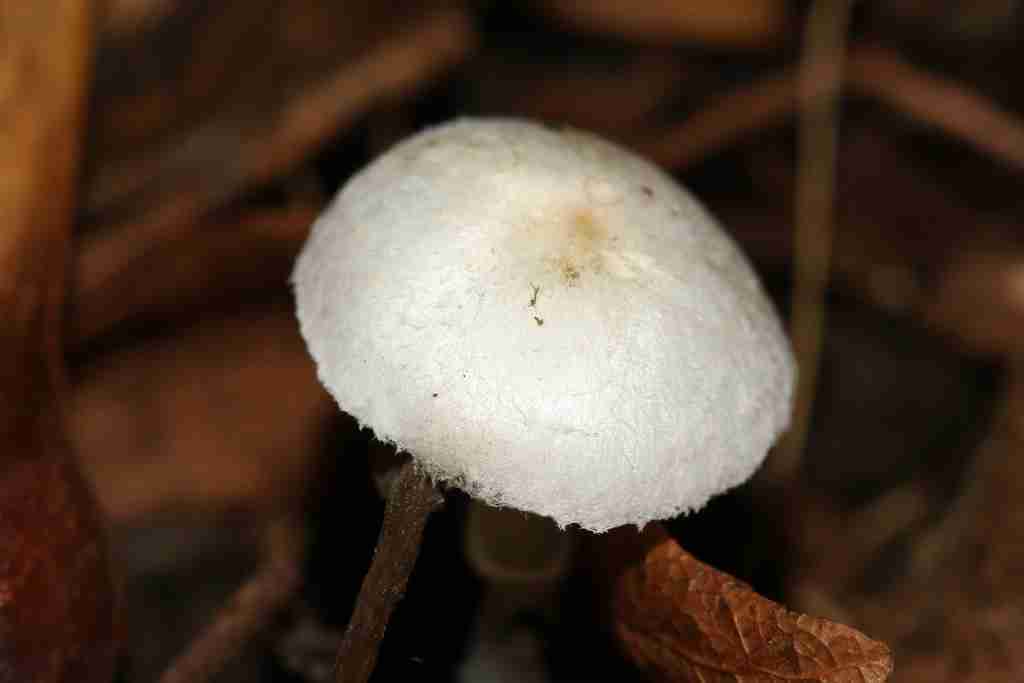
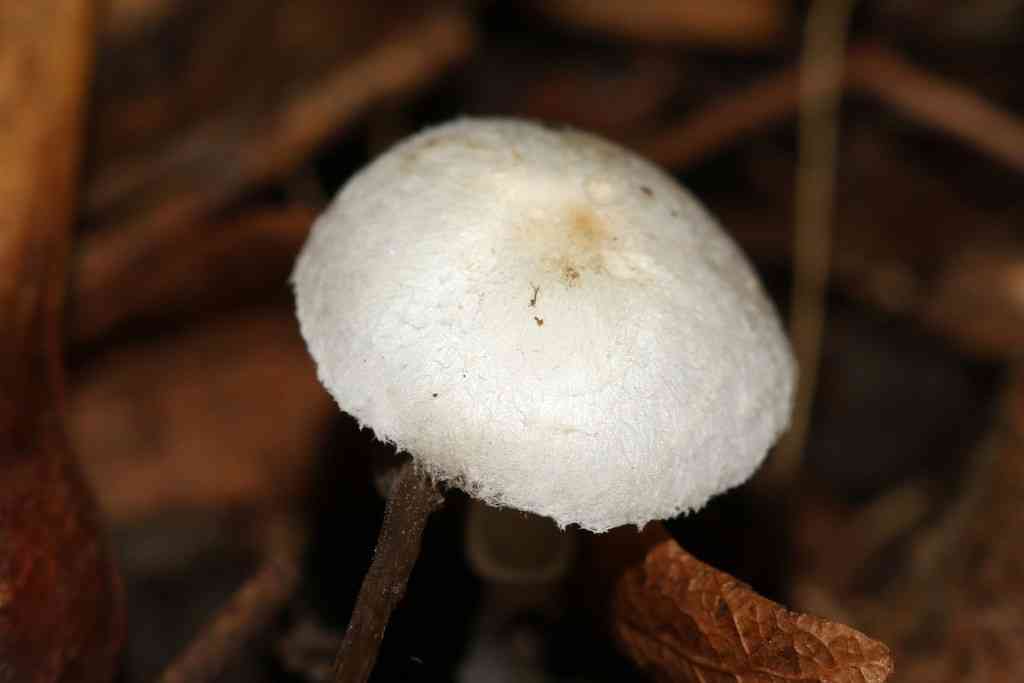


Leucoagaricus sericifer

Leucoagaricus sericifer

A species of Leucoagaricus.

Leucoagaricus sericifer stands out within the Agaricaceae fungus family, recognized by its light-colored gills and usually off-white cap. It commonly emerges from soil or decaying organic material during warmer periods. Key features include a smooth cap and a prominent ring, or annulus, on its stalk.

In This Article
Attributes Classification Toxicity

Attributes of Leucoagaricus sericifer

ForwardPlant - ID plants and mushrooms, and learn more about them🌿

Identify and diagnose plants, get toxicity alerts, and explore safety guides for all types of fungi.

Try for Free
Cap Diameter
2 - 7 cm
Height
2 - 8 cm
Cap Shape
Convex, Flat
Cap Surfaces
Fibrillose-scaly
Gill Attachment
Free
Stem Shapes
Cylindrical
Ring
With Ring
Spore Print Color
White
Odor
Mildly mushroomy, slightly unpleasant
Flesh Bruises
The flesh or milk does not discolor when bruised or cut.
Nutrient Gathering
Saprophytic
Substrate
On soil
You can find Leucoagaricus sericifer by these plants
Blackthorn, Roses

Scientific Classification of Leucoagaricus sericifer

ForwardPlant APP

AI mushroom expert in your pocket

Try for Free
Phylum
Club fungi
Class
Mushroom-forming fungi
Order
Gilled fungi
Family
Agaricaceae
Genus
Leucoagaricus
⚠️

Toxicity and Edibility of Leucoagaricus sericifer

ForwardPlant: Identify & Forage

Your Essential Guide to Edible vs. Toxic Mushrooms. Forage with Confidence!

Try for Free

Is Leucoagaricus sericifer Toxic?

Leucoagaricus sericifer is a widespread mushroom, thriving across diverse environments and often emerging during peak mushroom seasons. It contains a gastrointestinal irritant, capable of inducing intense nausea, stomach pain, emesis, and diarrhea in people, which can result in significant fluid loss if severe. Its physical characteristics are unique, allowing for differentiation from benign lookalikes. Ingestion is strongly discouraged.


Type of poisoning
Gastrointestinal
Toxic Severity
Low toxicity
Incubation Period
0.5-6 hours
Poisoning Symptoms
Individuals may suffer from extreme nausea, vomiting, abdominal cramping and diarrhea. Some might also experience dehydration as a result of fluid loss through vomiting and diarrhea, potentially leading to weakness, and in severe cases, changes in vital signs.