Flowery blewit
Lepista irina
A species of Blewits.
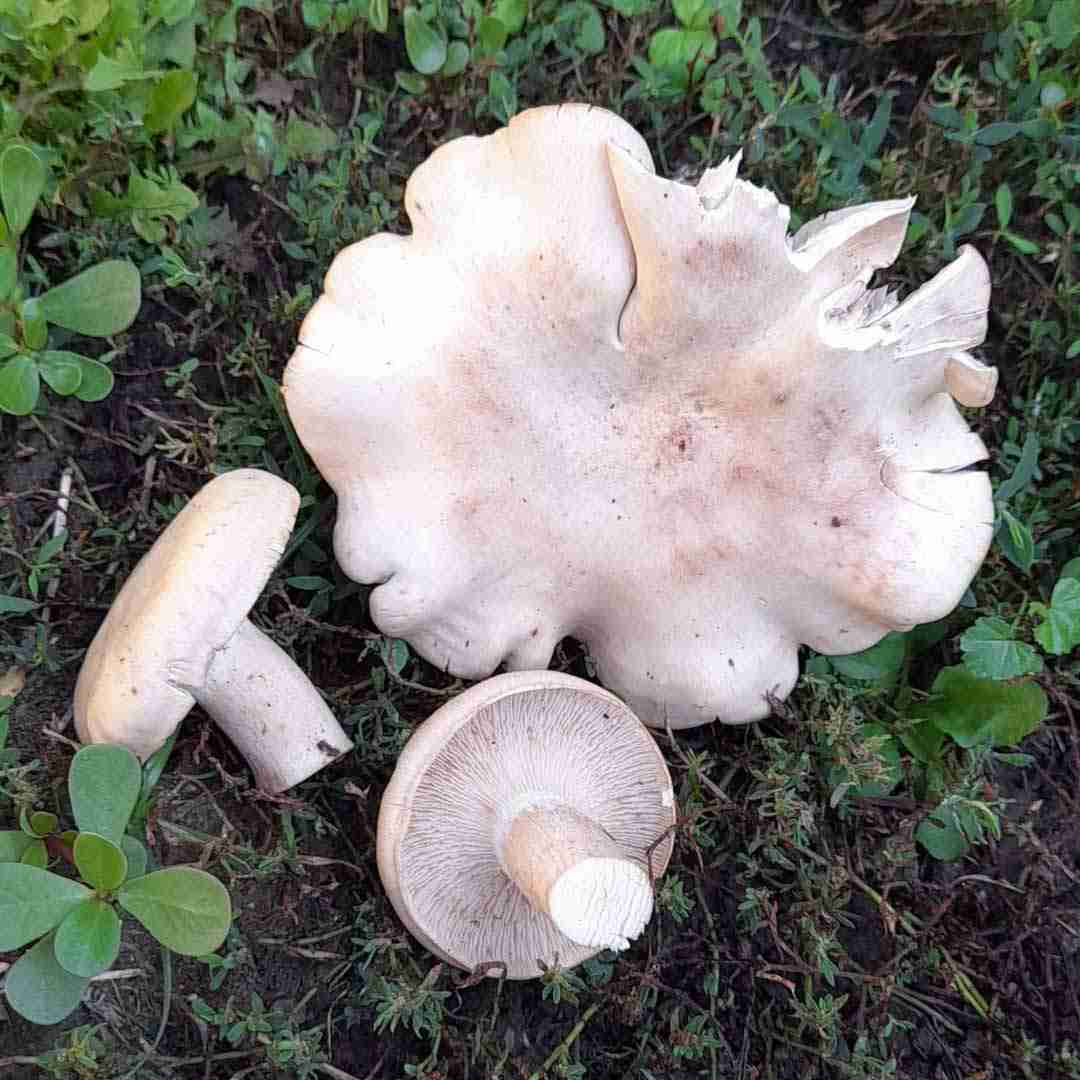
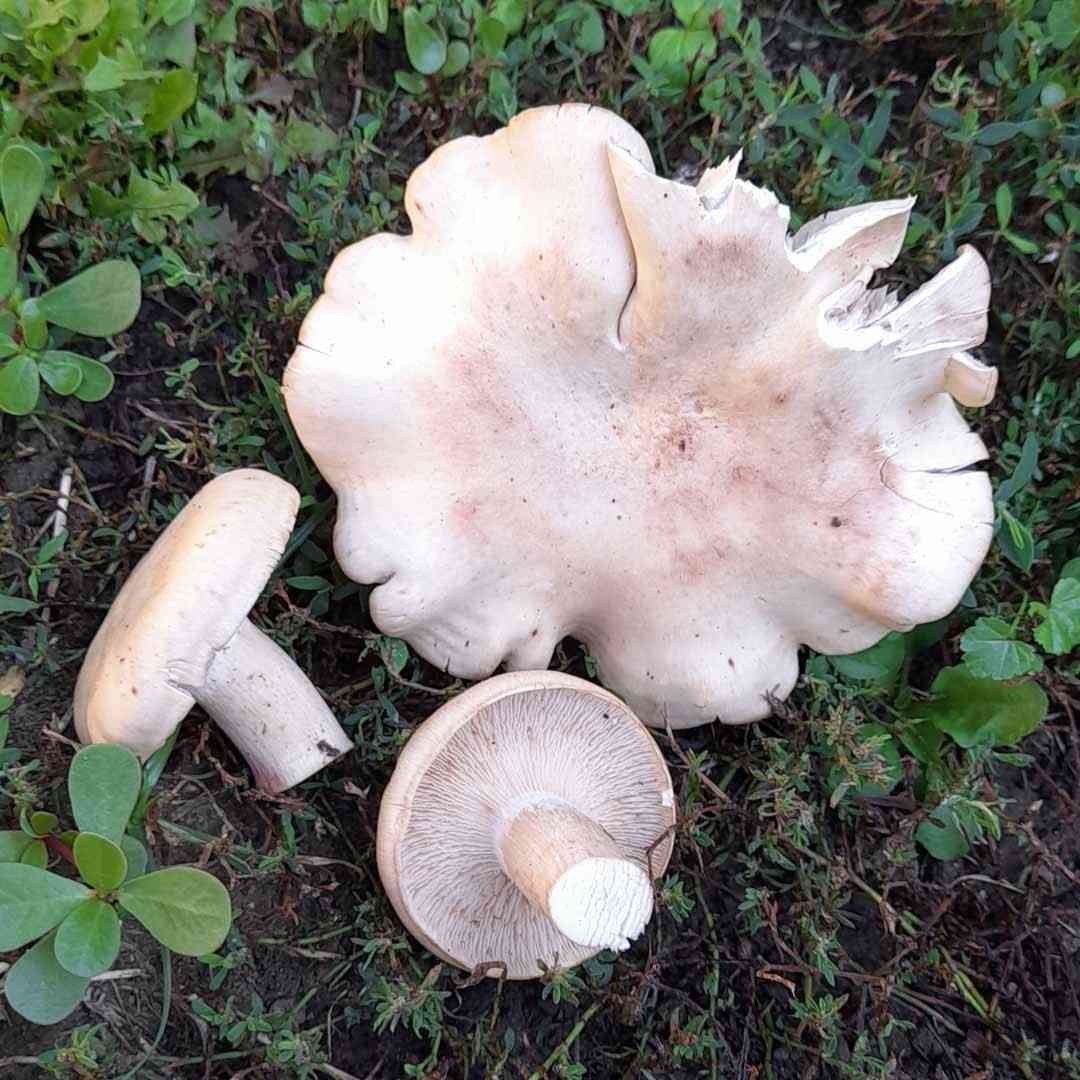
The vibrant and aromatic blewit, often referred to as flowery, thrives within the beech forests stretching across England's southern regions. Its distinctive floral aroma, evoking the delicate fragrances of iris and violets, accounts for a portion of its common name. Scientifically known as Lepista, derived from the Latin term for goblet, this name aptly describes the mature mushroom's cap, which frequently develops a concave, cup-like depression.
In This Article
Attributes of Flowery blewit
Cap Diameter
4 - 11 cm
Height
4 - 10 cm
Cap
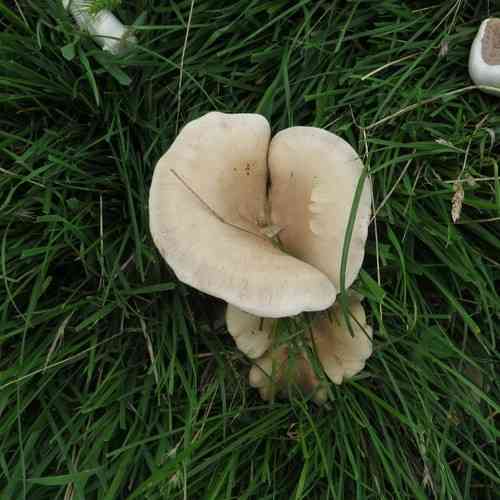
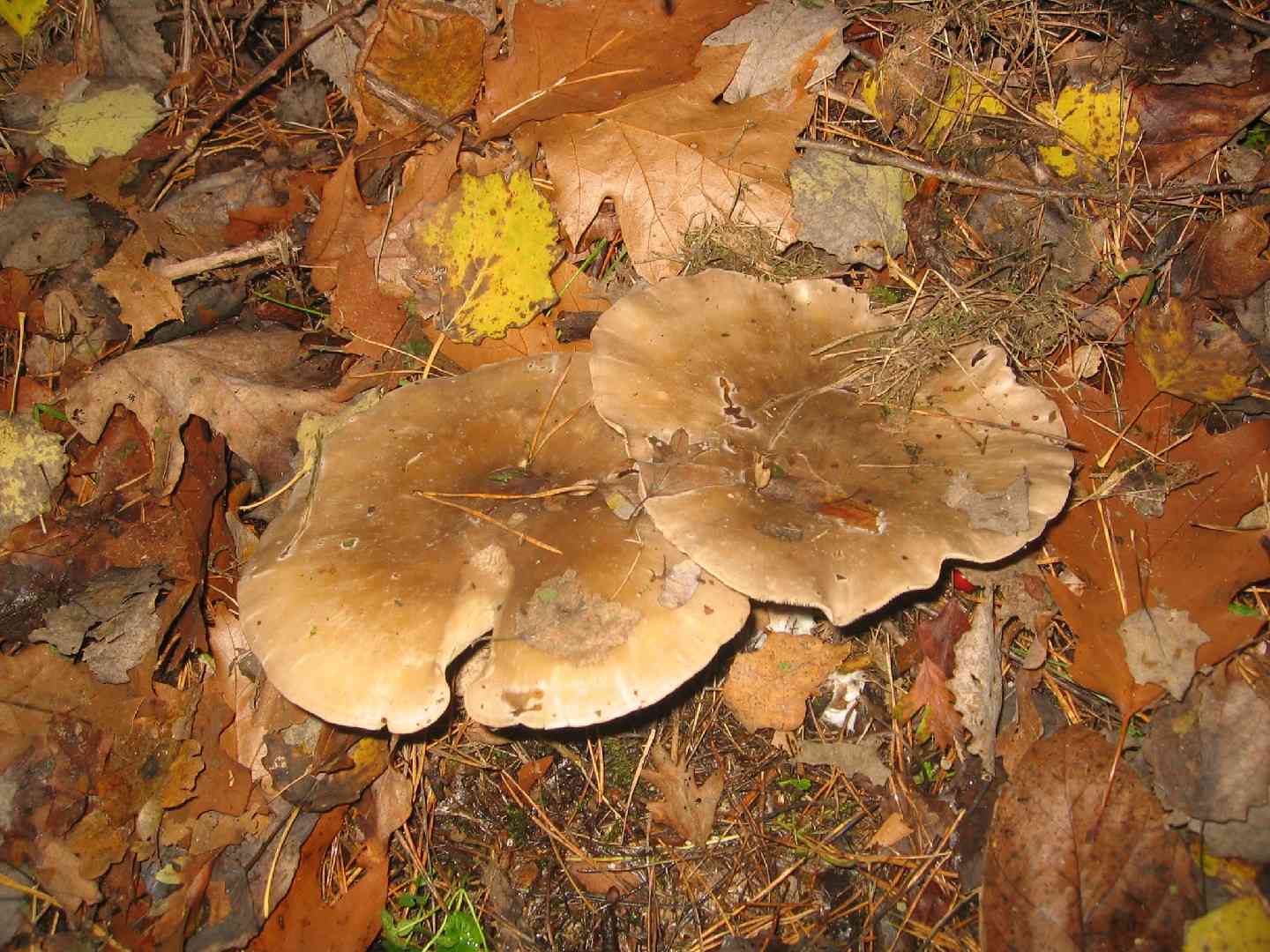
Cap 5 - 10 cm across; hemispherical, broadly convex ; pale beige, pinkish brownwhen moist; smooth
Cap Shape
Convex, Flat
Cap Surfaces
Smooth
Gills
Adnate or sinuate; narrow; crowded; cream, turning buff-pink when mature
Gill Attachment
Attached
Stem
Stem 4 - 9 cm long and 5 - 10 mm dia.; fibrillose, sometimes slightly swollen at base; pinkish brown
Stem Shapes
Cylindrical
Stem Surfaces
Smooth to slightly fibrous
Flesh
Thick; soft; white to pinkish
Ring
Ringless
Spore Print Color
Creamy-white to pale greyish pink
Odor
Floral, reminiscent of irises and violets.
Body Color
BrownYellowPink
Flesh Bruises
The flesh or milk does not discolor when bruised or cut.
Growth Form
Gregarious
Nutrient Gathering
Saprophytic
Substrate
On soil
You can find Flowery blewit by these plants
European beech, Willows
Occurence Habitats
Deciduous Woodland
Species Status
Cosmopolitan distribution
Endangered Species
No
Scientific Classification of Flowery blewit
Phylum
Club fungi
Class
Mushroom-forming fungi
Order
Gilled fungi
Family
Pale-spore mushrooms
Genus
Blewits
Toxicity and Edibility of Flowery blewit
Is Flowery blewit Toxic?
Toxicity information is not available for this mushroom. Always consult with an expert before consuming any wild mushrooms.

