Dune dapperling
Lepiota erminea
A species of Lepiota.
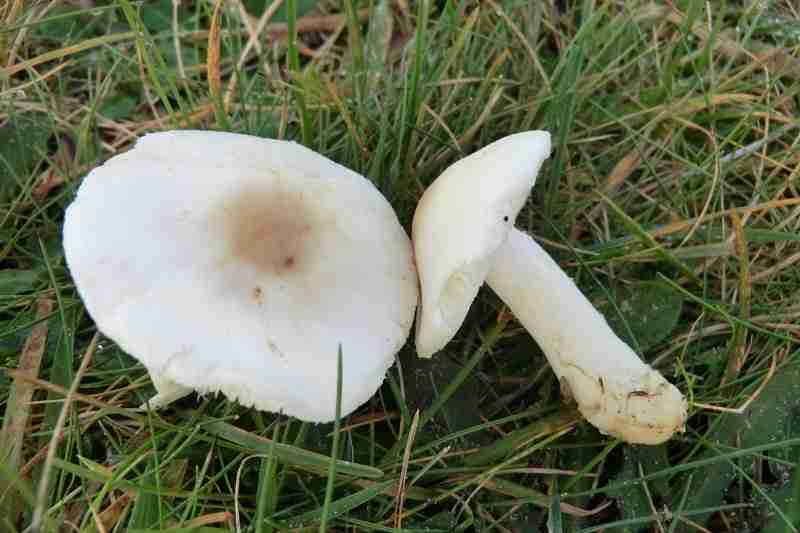
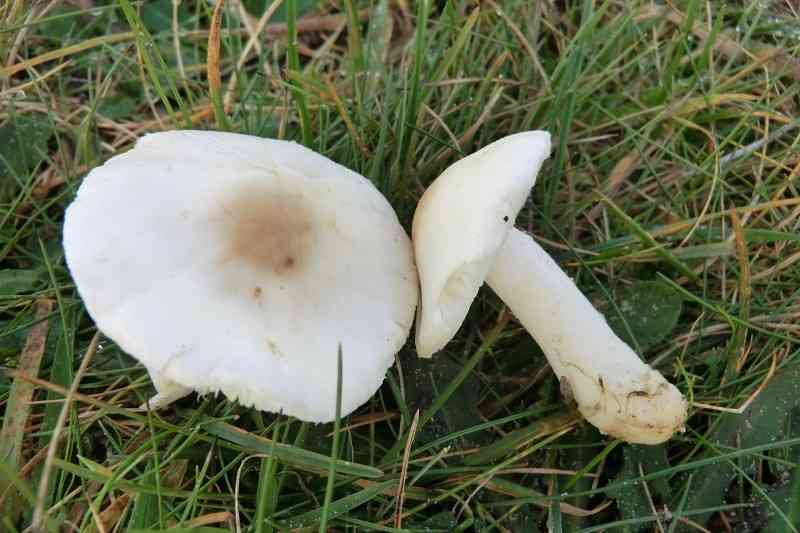
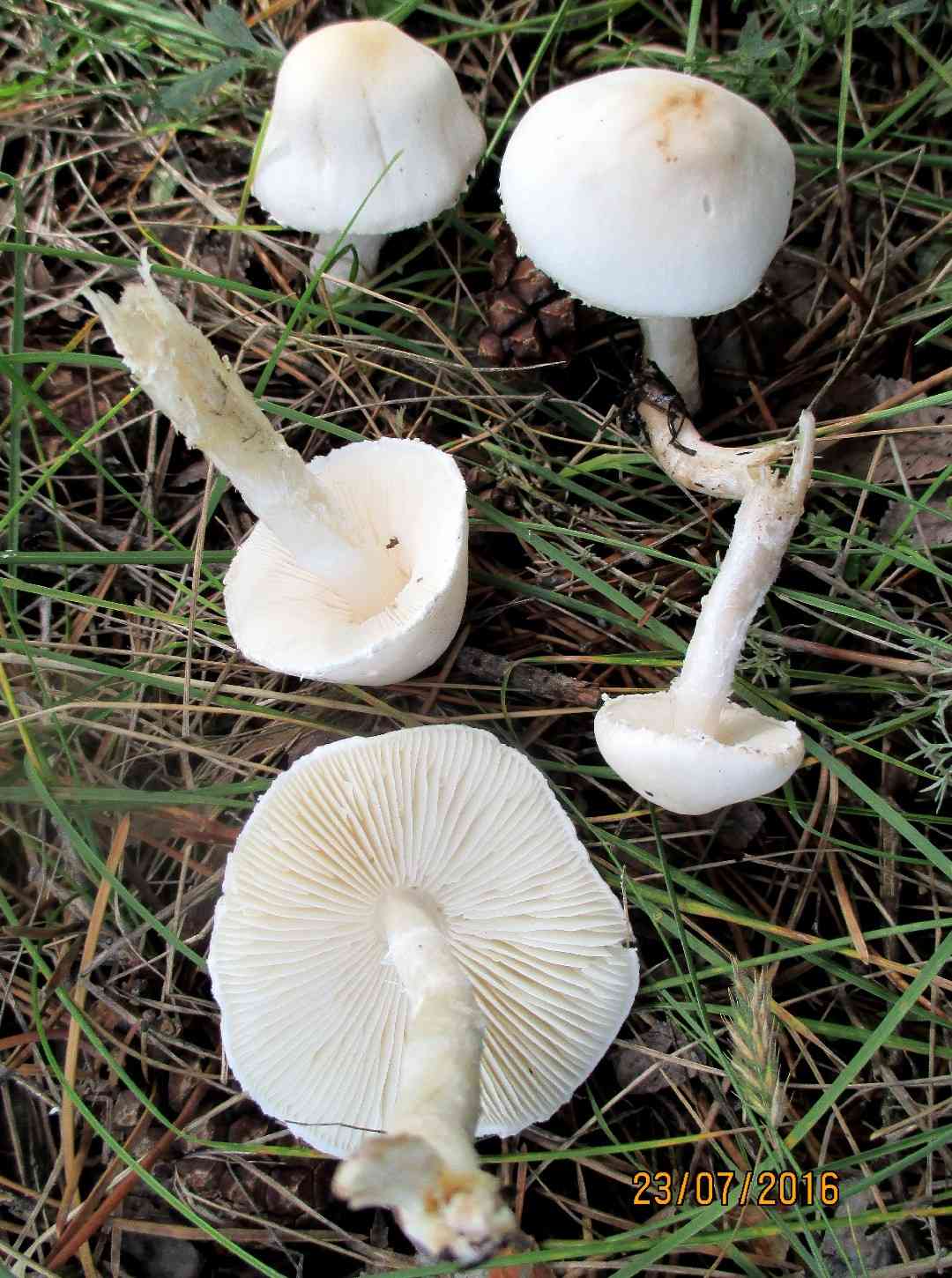
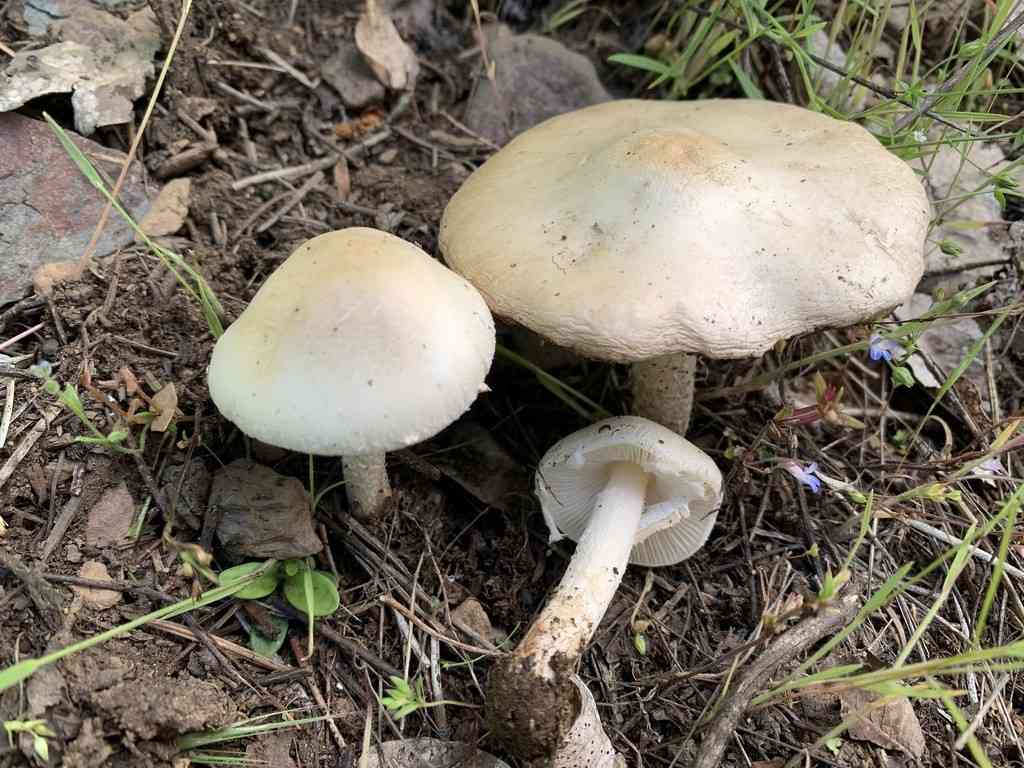
The Dune Dapperling is a modest to medium-sized fungal specimen, distinguished by a noticeable cap that can display circular bands of different hues. Its cap boasts a shiny finish, and the lamellae underneath are tightly packed. The stipe of this mushroom is generally delicate and equipped with an annulus. This particular species frequently inhabits grassy environments, favoring the warmer periods of the year for its appearance.
In This Article
Attributes of Dune dapperling
Cap Diameter
3 - 6 cm
Height
5 - 9 cm
Cap
Cap 3 - 6 cm across; convex to broadly bell-shaped, or flat; whitish buff, brownish; with fibrils
Cap Shape
Convex, Bell-shaped, Flat
Cap Surfaces
Fibrillose-scaly
Gills
Adnexed, free; close; creamy
Gill Attachment
Free to Attached
Stem
Stem 4 - 7 cm long, 5 - 10 mm thick; equal; whitish, faintly brownish; with finely shaggy to fibrillose
Stem Shapes
Cylindrical
Stem Surfaces
Fibrillose
Flesh
White; unchanging when sliced
Ring
With Ring
Spore Print Color
White
Odor
Faintly fungoid, not characteristic.
Body Color
BrownYellowWhite
Flesh Bruises
The flesh or milk does not discolor when bruised or cut.
Growth Form
Solitary, Scattered, Gregarious
Nutrient Gathering
Saprophytic
Substrate
On soil
You can find Dune dapperling by these plants
Pines, European aspen
Occurence Habitats
Meadows, Disturbed Lands
Species Status
Widespread
Endangered Species
No
Scientific Classification of Dune dapperling
Phylum
Club fungi
Class
Mushroom-forming fungi
Order
Gilled fungi
Family
Agaricaceae
Genus
Lepiota
Toxicity and Edibility of Dune dapperling
Is Dune dapperling Toxic?
Toxicity information is not available for this mushroom. Always consult with an expert before consuming any wild mushrooms.

