Birch mazegill
Lenzites betulina
A species of Lenzites. Also known as Gilled polypore.
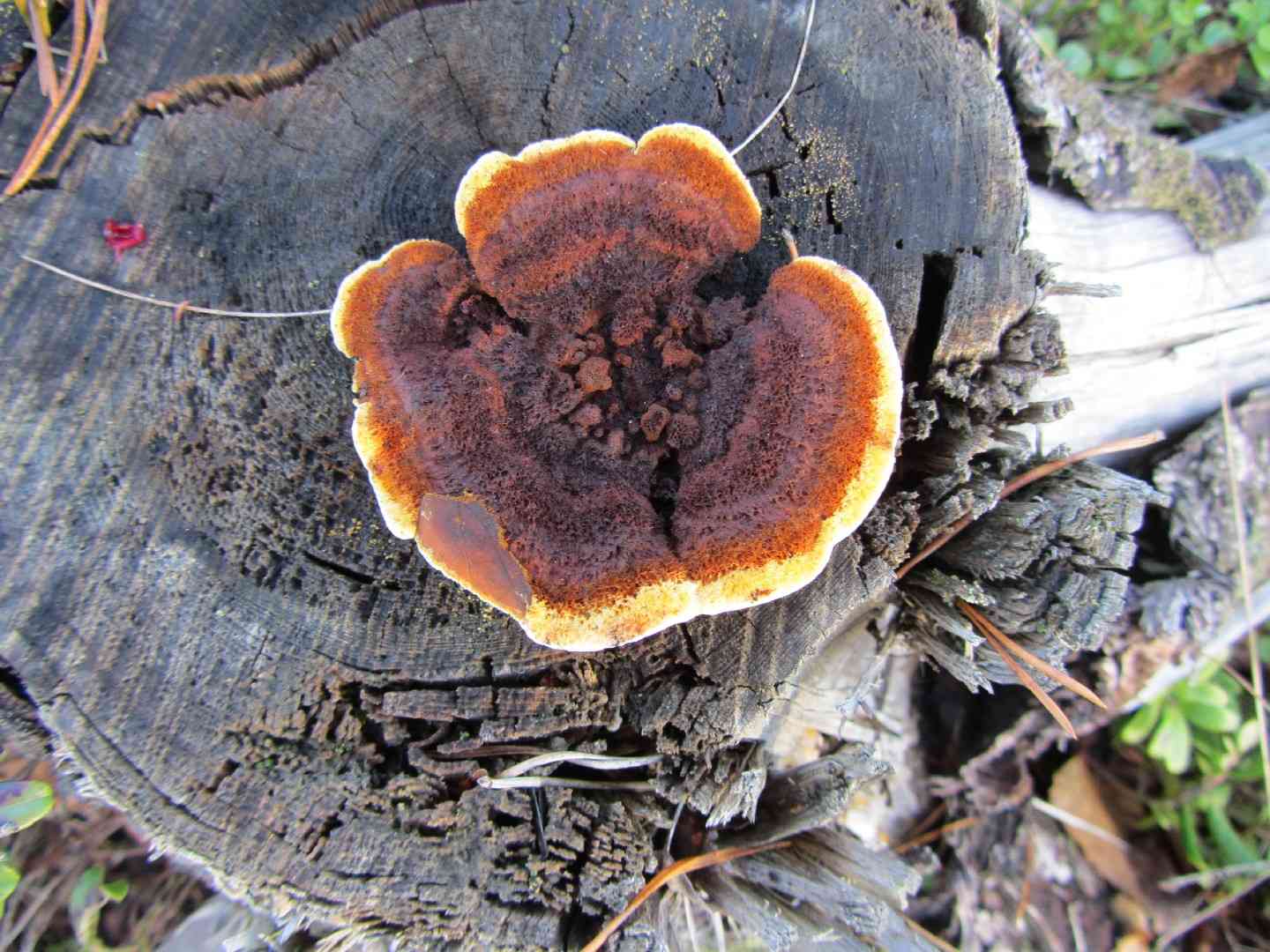
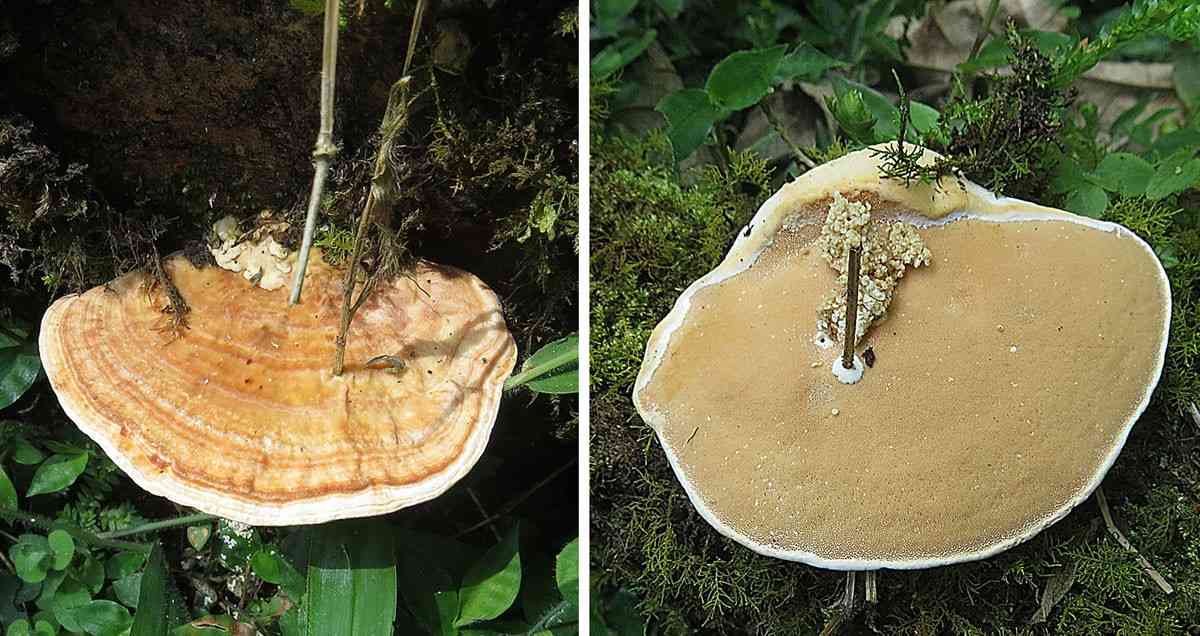
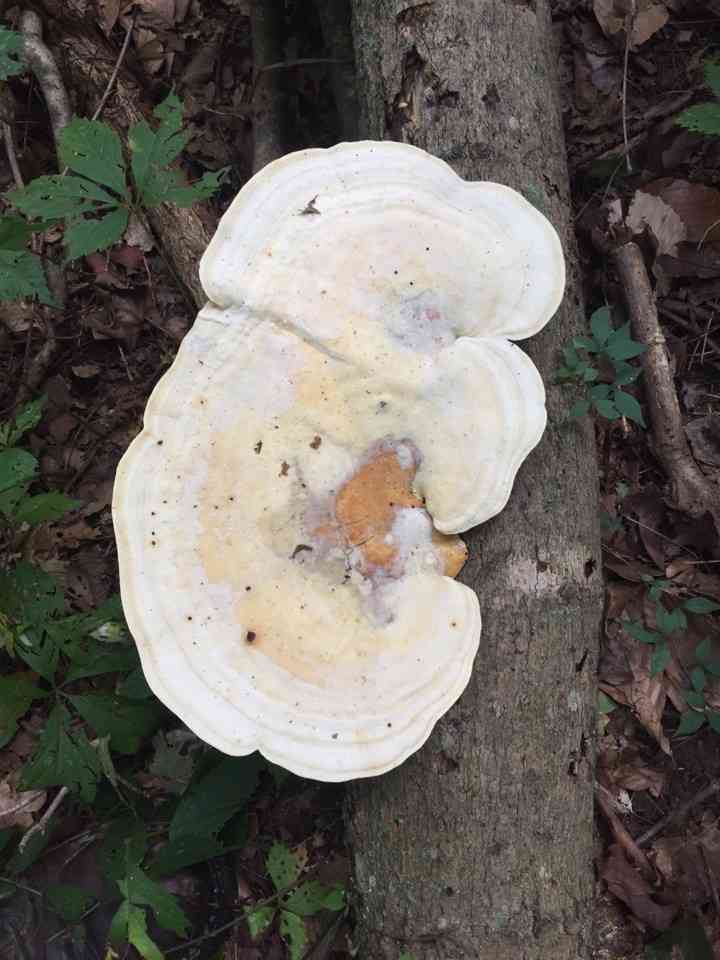
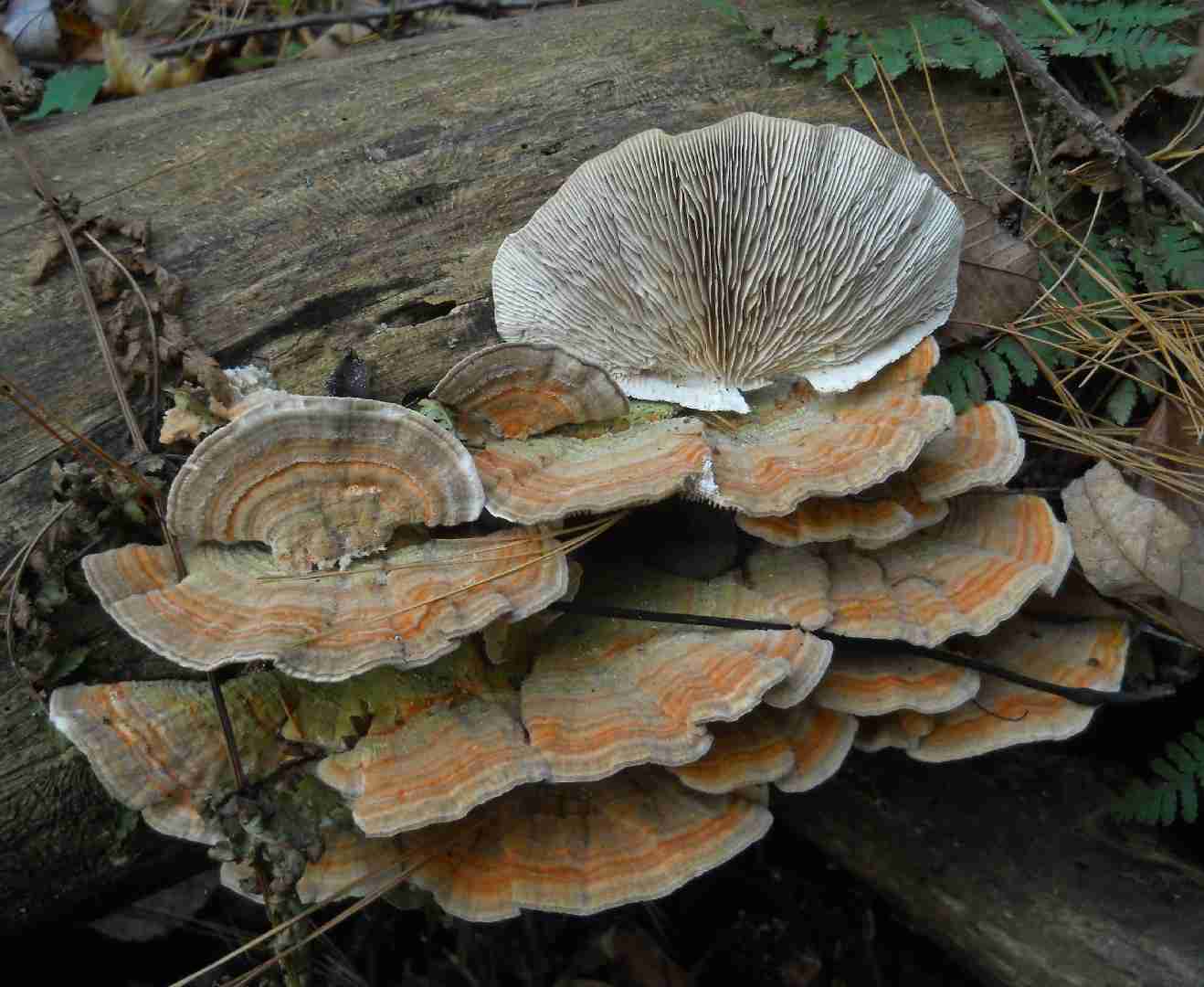
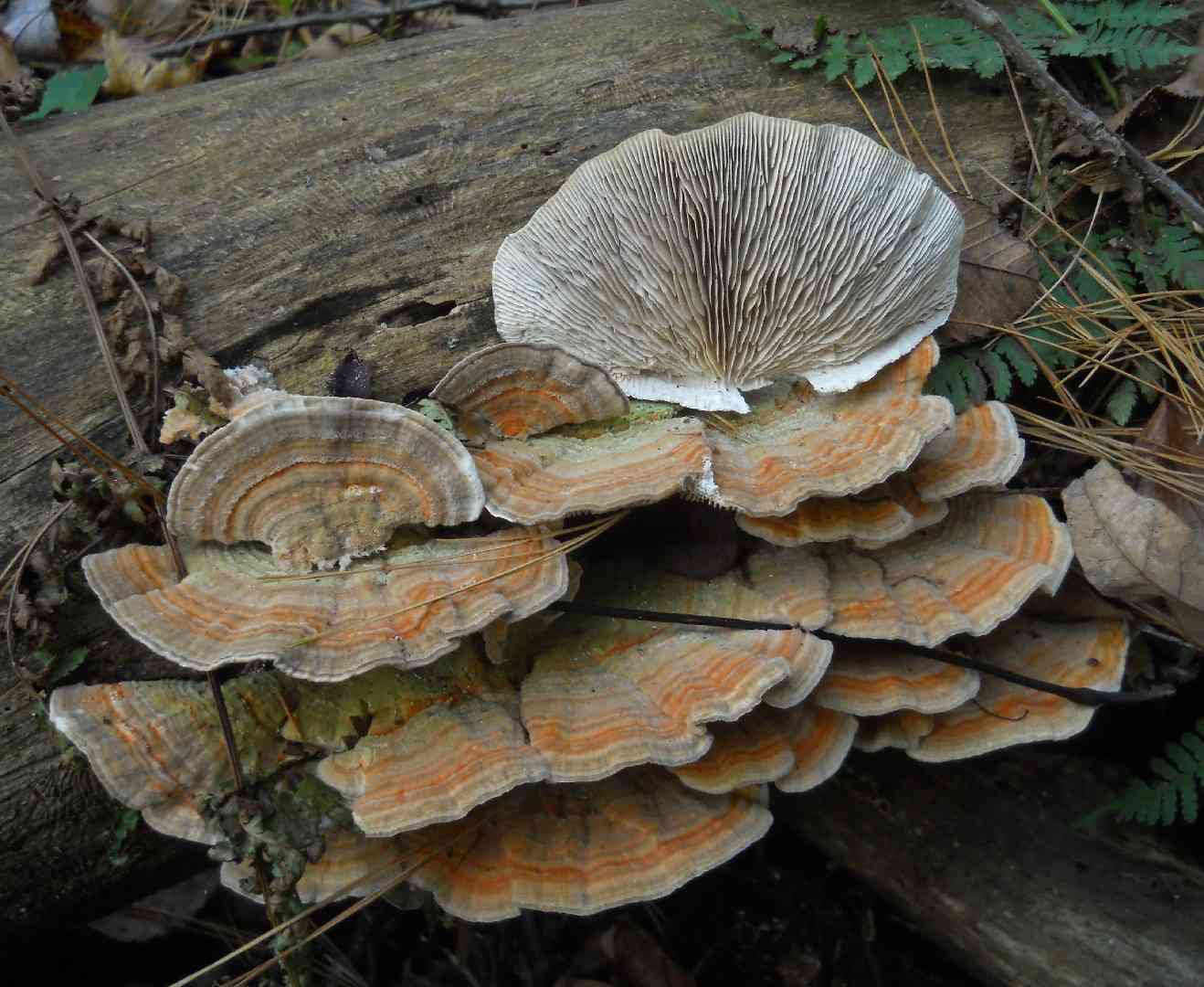
Lenzites betulina, also known as the Birch mazegill, frequently thrives on decomposing coniferous or deciduous trees. Although typically a yellowish-brown hue, it can occasionally present with a green tint because it often harbors algae. Due to its robust and fibrous consistency, it is deemed unsuitable for consumption.
In This Article
Attributes of Birch mazegill
Cap Diameter
3 - 10 cm
Height
5 - 10 mm
Cap
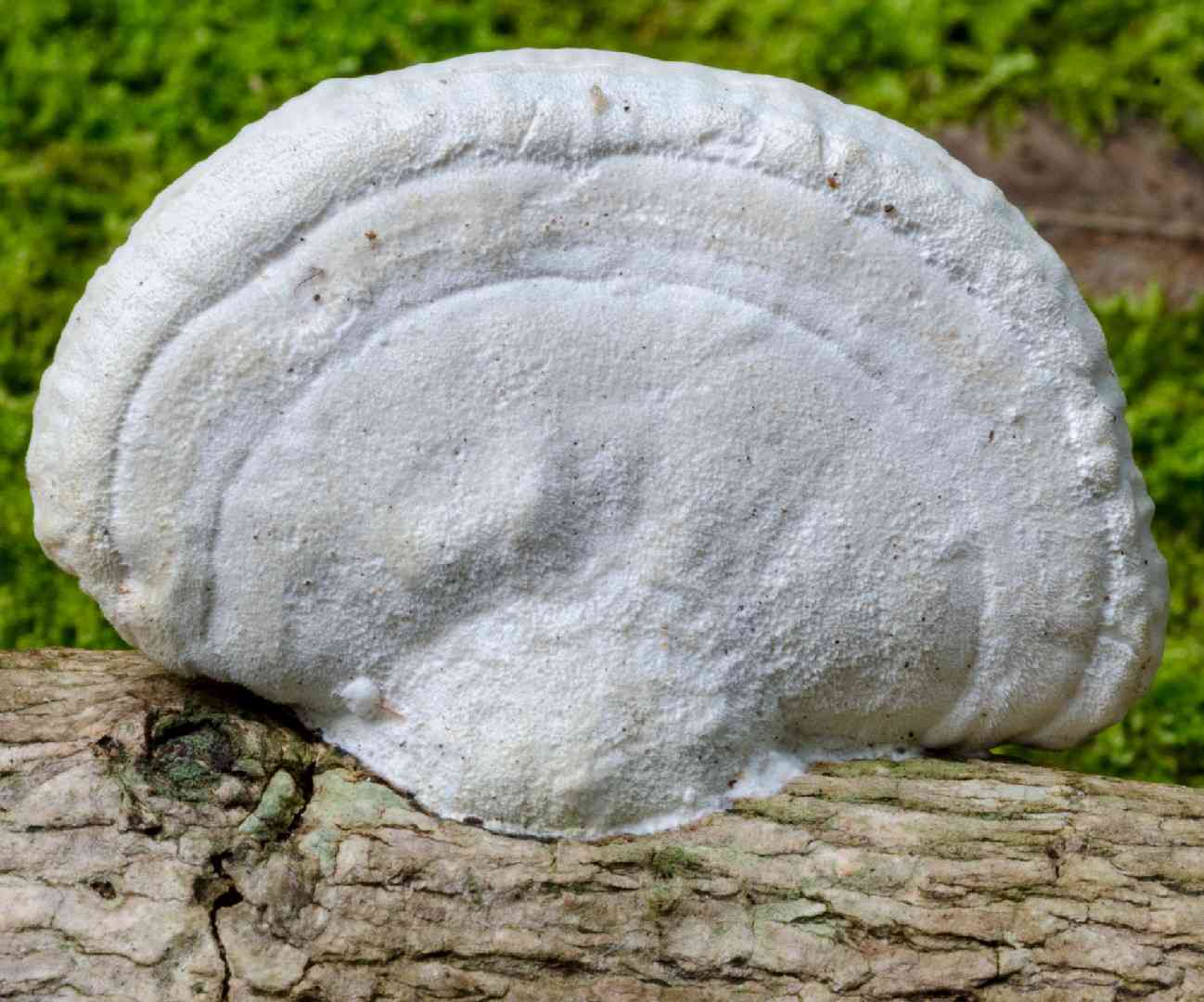
Cap 10 cm across; emicircular, kidney-shaped; whitish, grayish, brownish, greenish; finely hairy
Gills
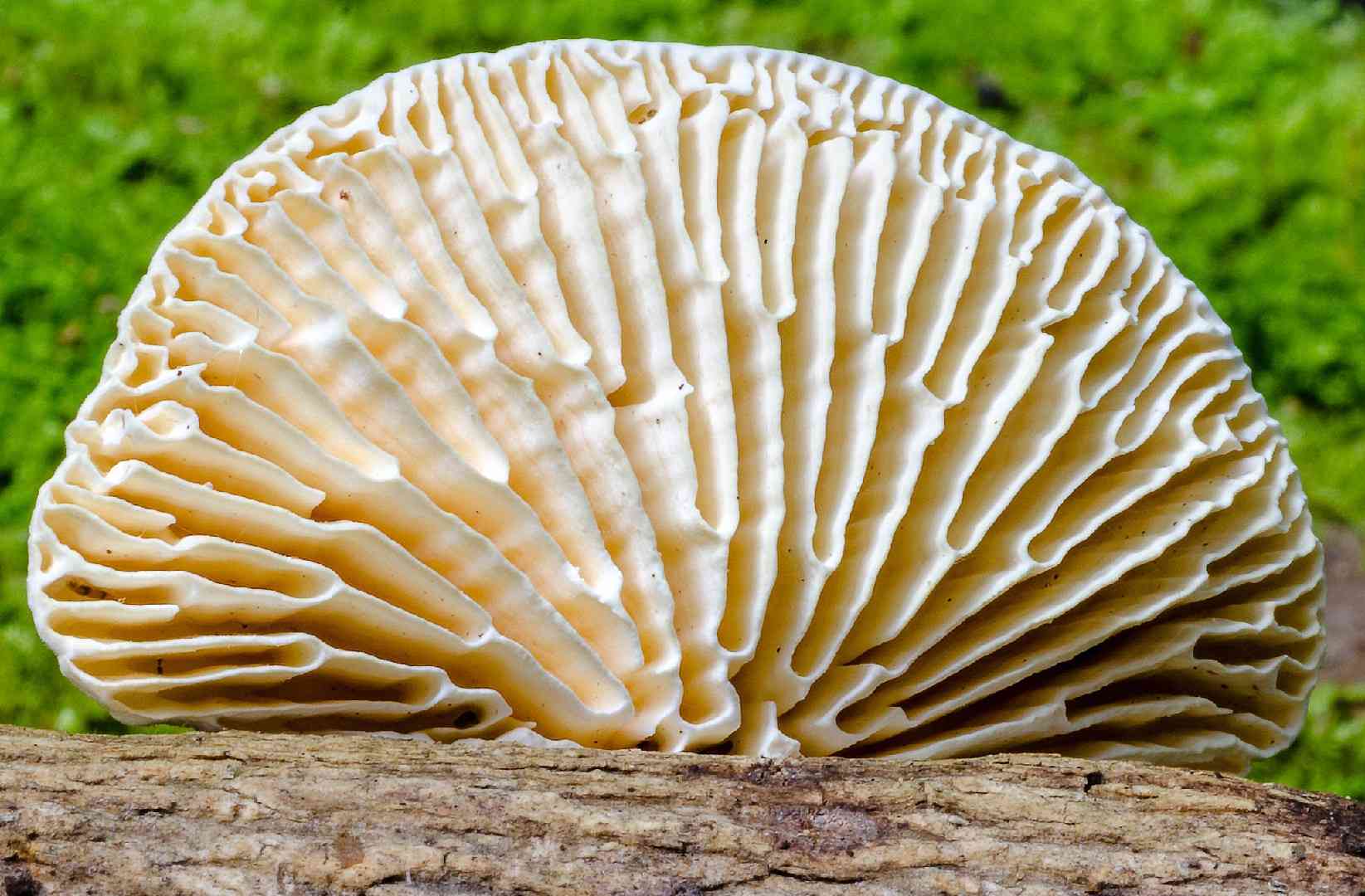
Well-spaced, fairly close; whitish
Flesh
Tough; corky; white
Spore Print Color
White
Odor
Mildly mushroomy, not distinctive.
Body Color
BrownGreenGrayWhite
Flesh Bruises
The flesh or milk does not discolor when bruised or cut.
Growth Form
Scattered, Clustered
Nutrient Gathering
Saprophytic
Substrate
Dead Woods
You can find Birch mazegill by these plants
Paper birch, Coast live oak
Occurence Habitats
Deciduous Woodland
Species Status
Widely distributed
Endangered Species
No
Scientific Classification of Birch mazegill
Phylum
Club fungi
Class
Mushroom-forming fungi
Order
Shelf fungi
Family
Polyporaceae
Genus
Lenzites
Toxicity and Edibility of Birch mazegill
Is Birch mazegill Toxic?
Toxicity information is not available for this mushroom. Always consult with an expert before consuming any wild mushrooms.