Lentinus velutinus
Lentinus velutinus
A species of Lentinus.
Velvet Shank, or Lentinus velutinus, is a species of fungus recognized by its bracket-like fruiting bodies that typically develop on timber. These fungi are characterized by a soft, fuzzy surface, predominantly in earthy brown tones, and exhibit a distinctive tiered structure. Ecologically, they are significant as decomposers of deceased trees, thereby contributing to the nutrient cycling within forest ecosystems.
In This Article
Attributes of Lentinus velutinus
Cap Diameter
2 - 10 cm
Cap
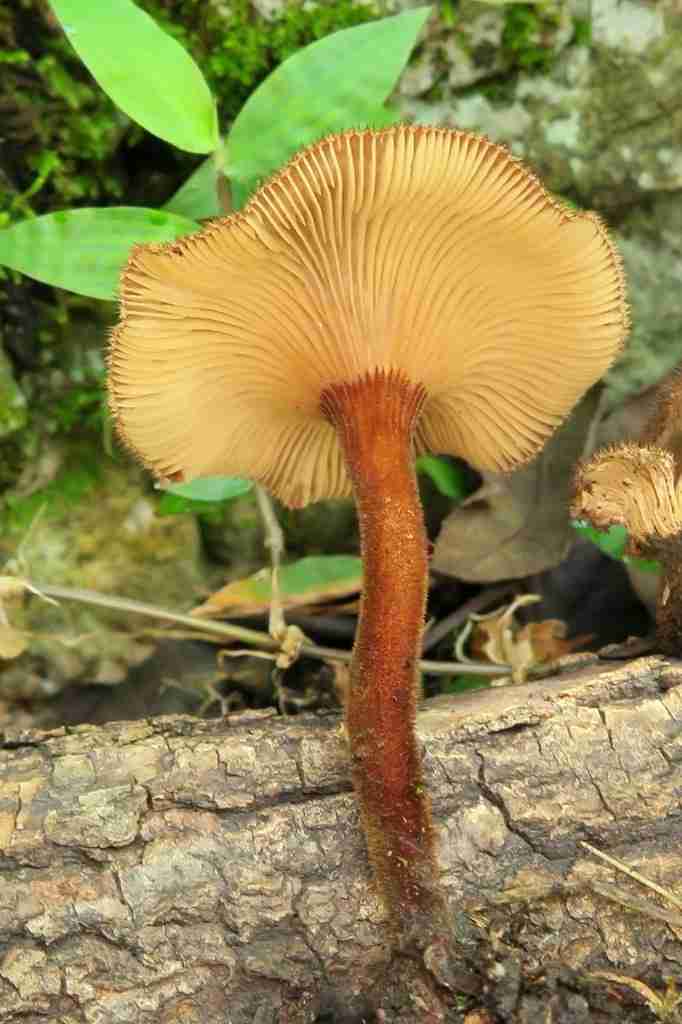
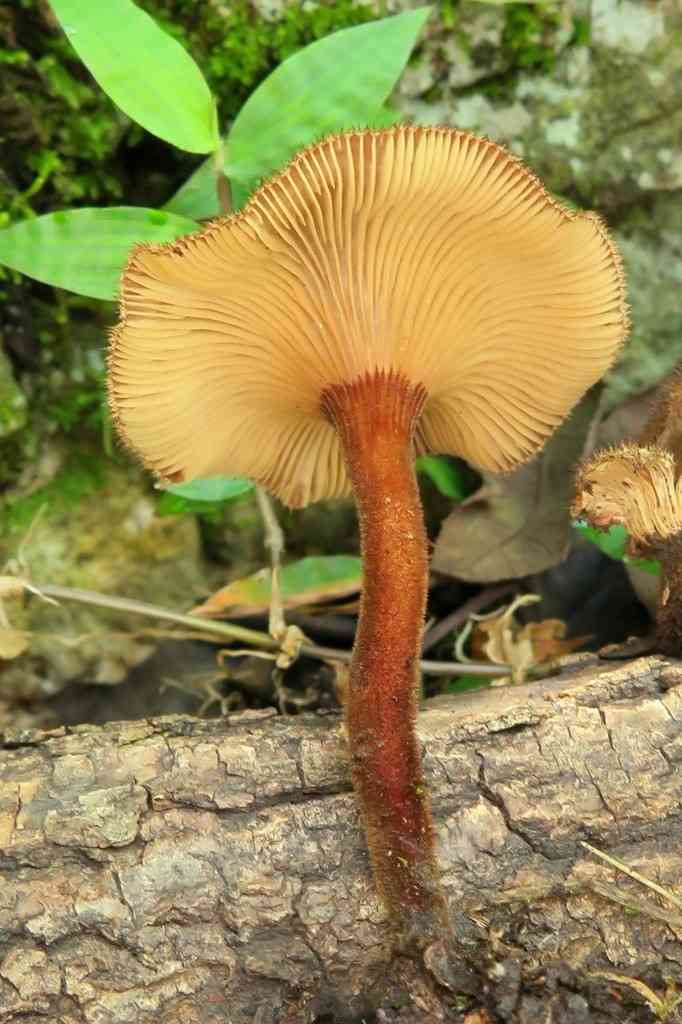
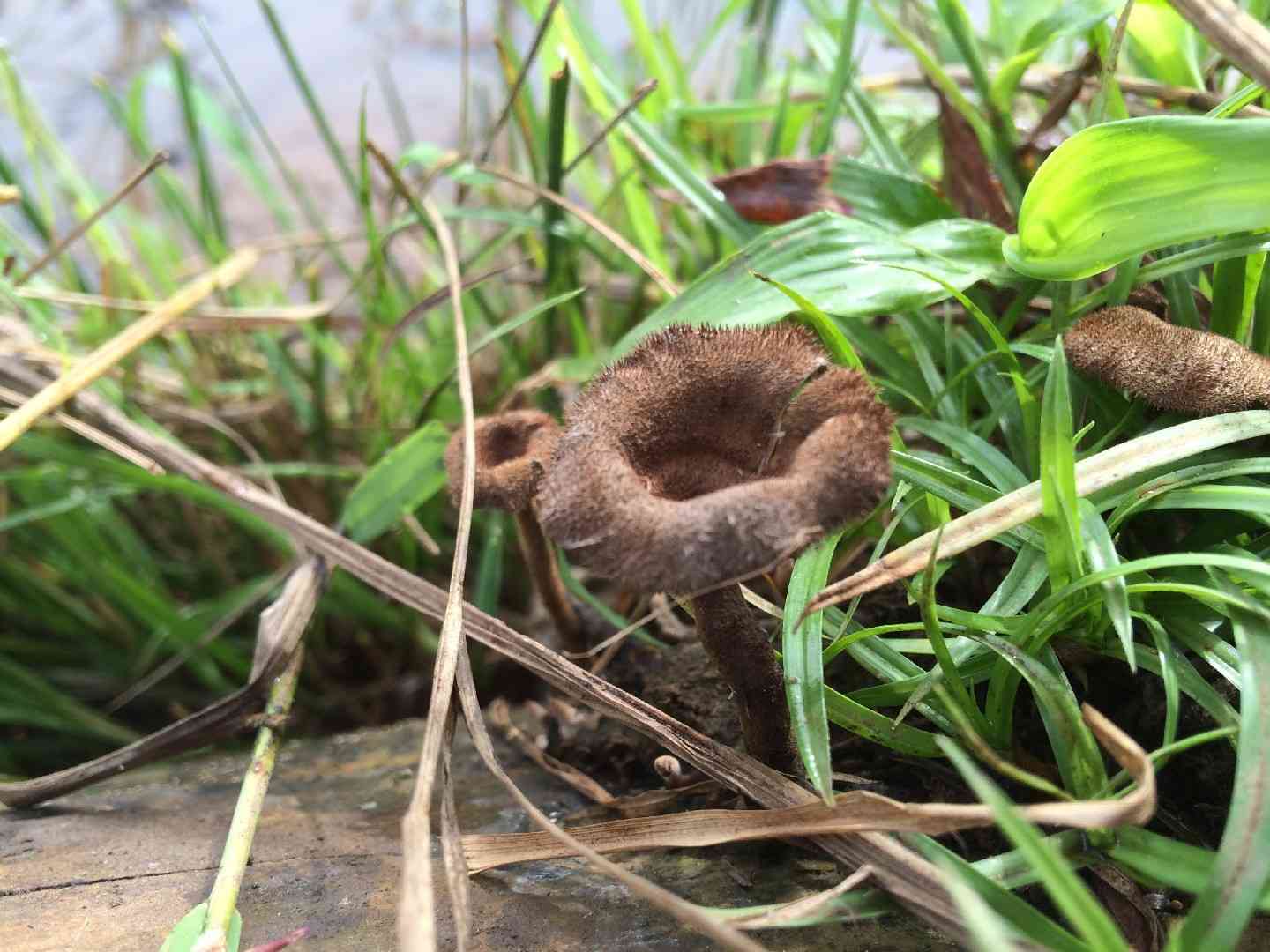
2 - 10 cm diam.; thin, coriaceous; pale greyish-cinnamon to tawny brown; dry; margin thin, at first strongly involute, reflexed at maturity, densely ciliate
Gills
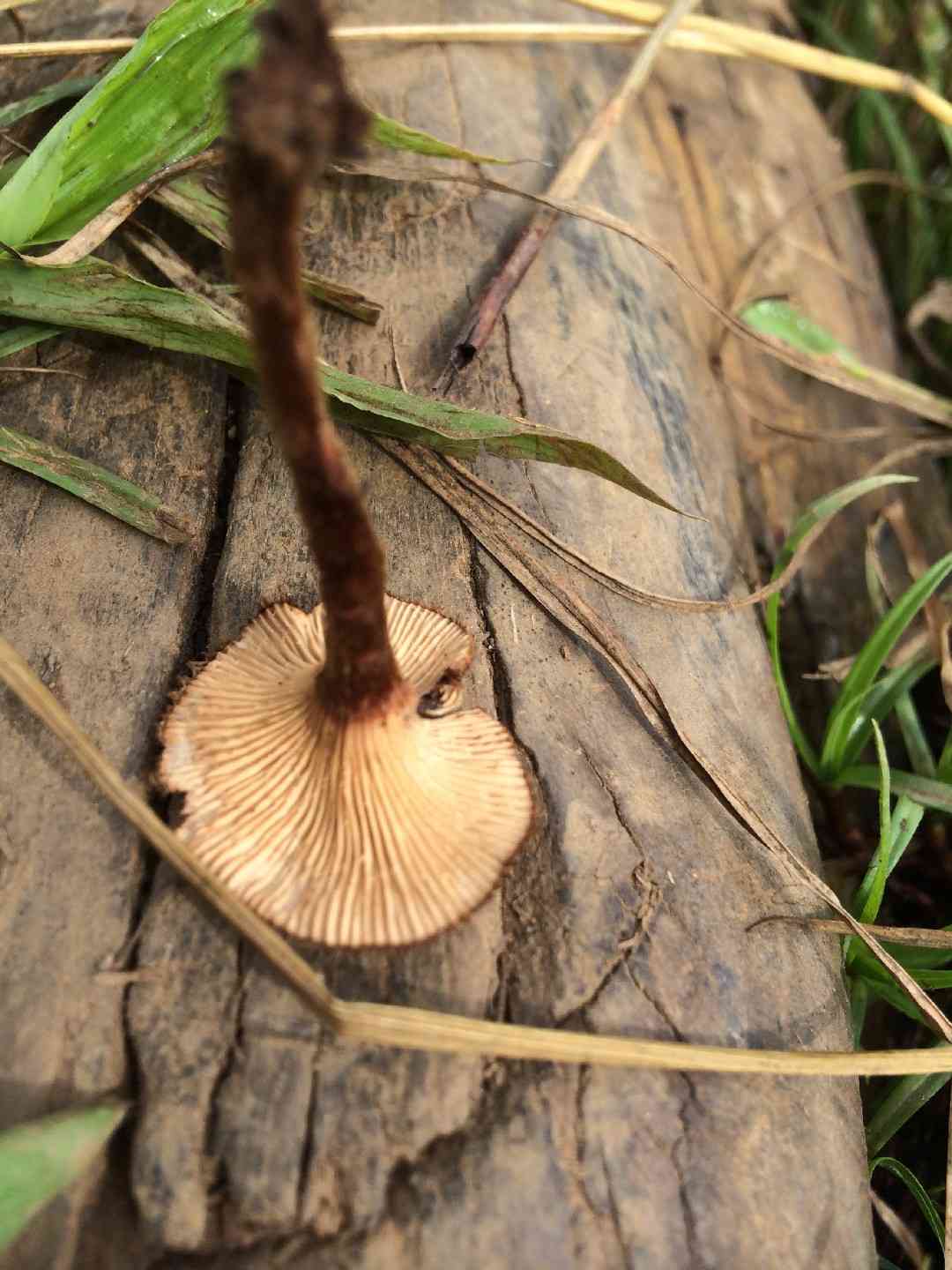
Decurent; crowded; pale buff to grey-brown
Stem
2 - 25 cm × 2 - 10 mm; central, eccentric or lateral, slender, cylindric, solid; concolorous with the pileus or more often darker
Flesh
Thin, up to 1 mm thick; drying rigid; white
Ring
Absent
Spore Print Color
Pale buff to cream
Odor
Smell not distinctive
Body Color
BrownYellowRed
Growth Form
Solitary, Scattered
Nutrient Gathering
Saprophytic
Substrate
On wood
You can find Lentinus velutinus by these plants
Willows
Species Status
Wide distribution
Scientific Classification of Lentinus velutinus
Phylum
Club fungi
Class
Mushroom-forming fungi
Order
Shelf fungi
Family
Polyporaceae
Genus
Lentinus
Toxicity and Edibility of Lentinus velutinus
Is Lentinus velutinus Toxic?
Toxicity information is not available for this mushroom. Always consult with an expert before consuming any wild mushrooms.

