Tiger sawgill
Lentinus tigrinus
A species of Lentinus.
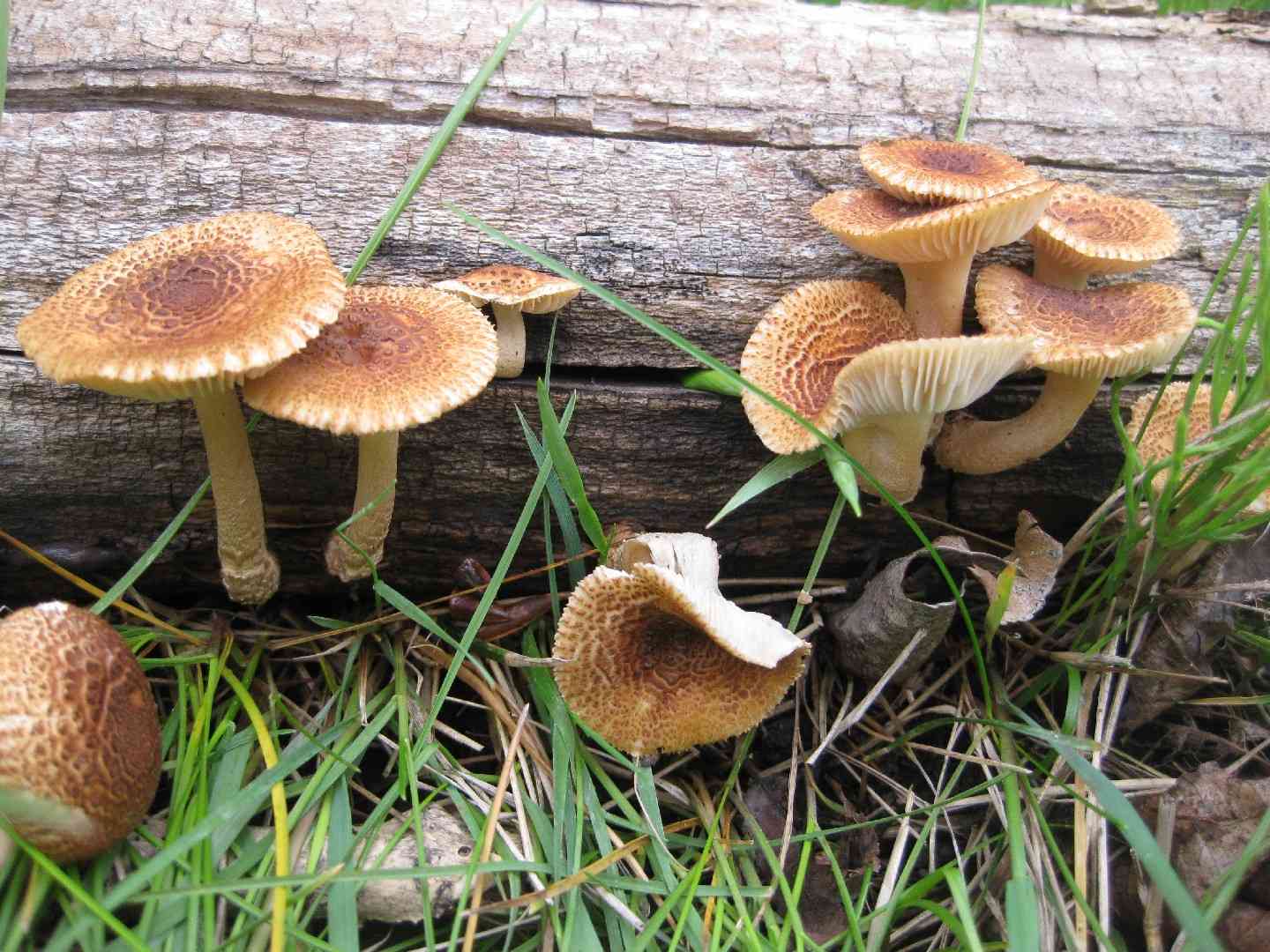
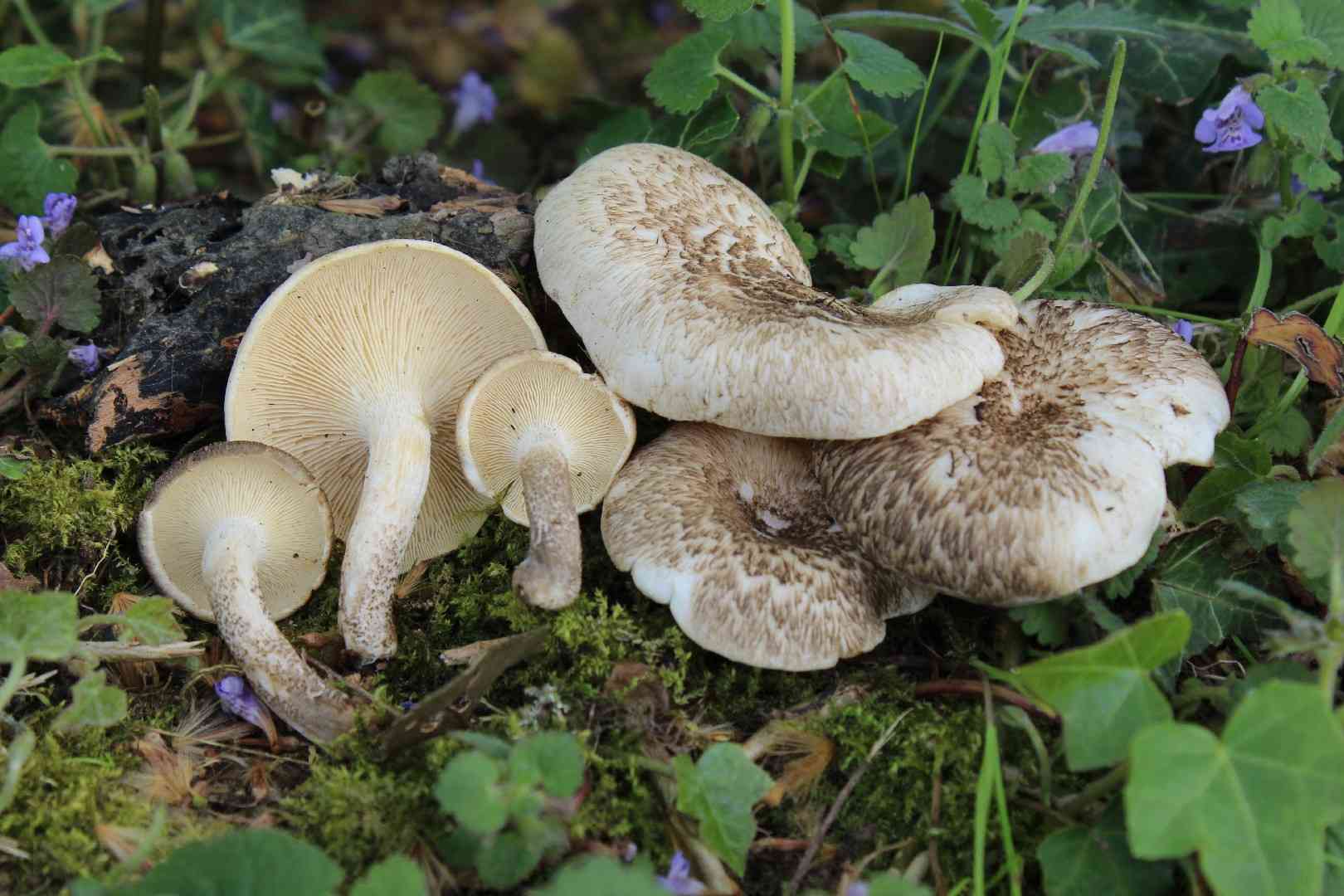
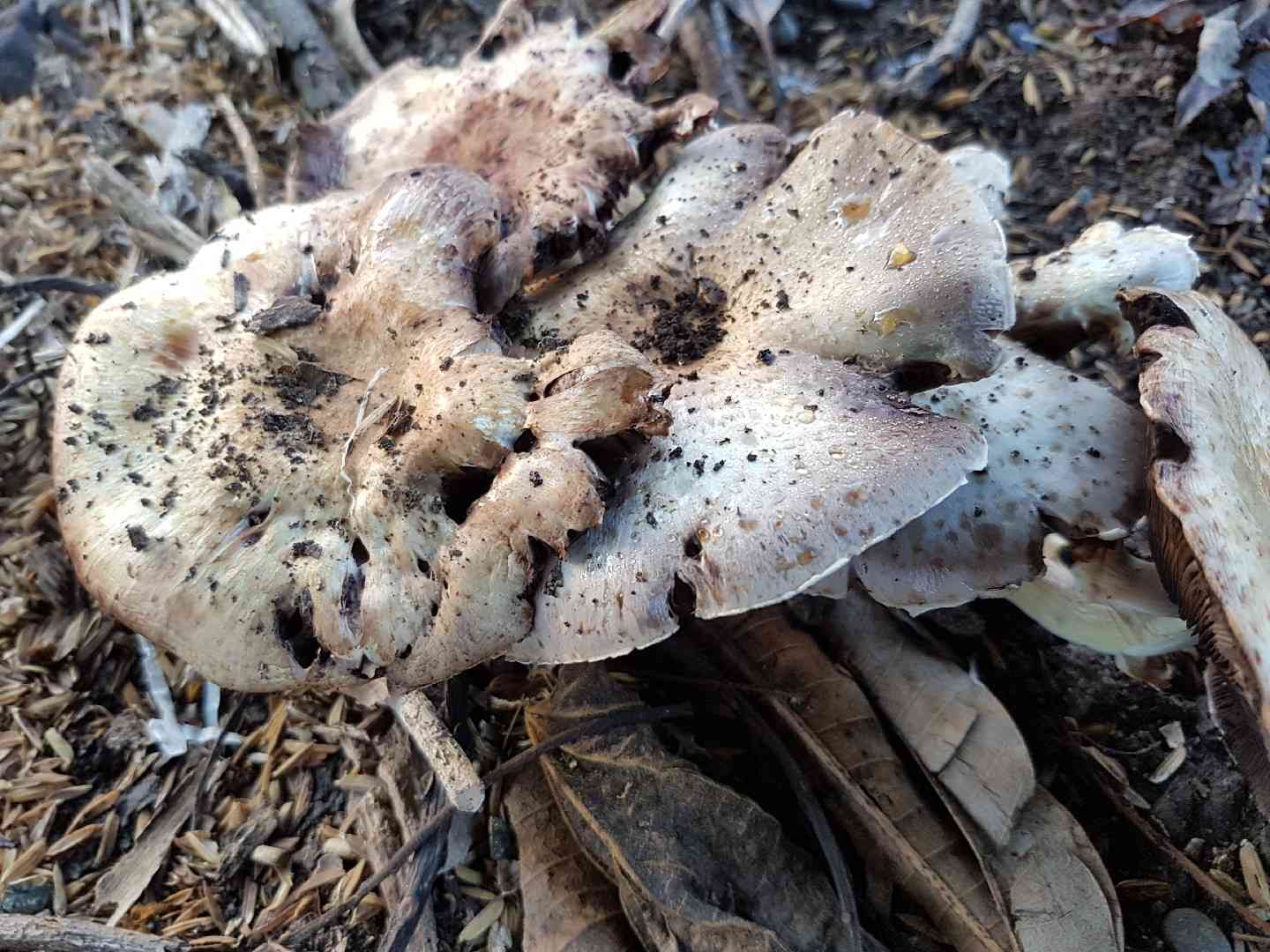
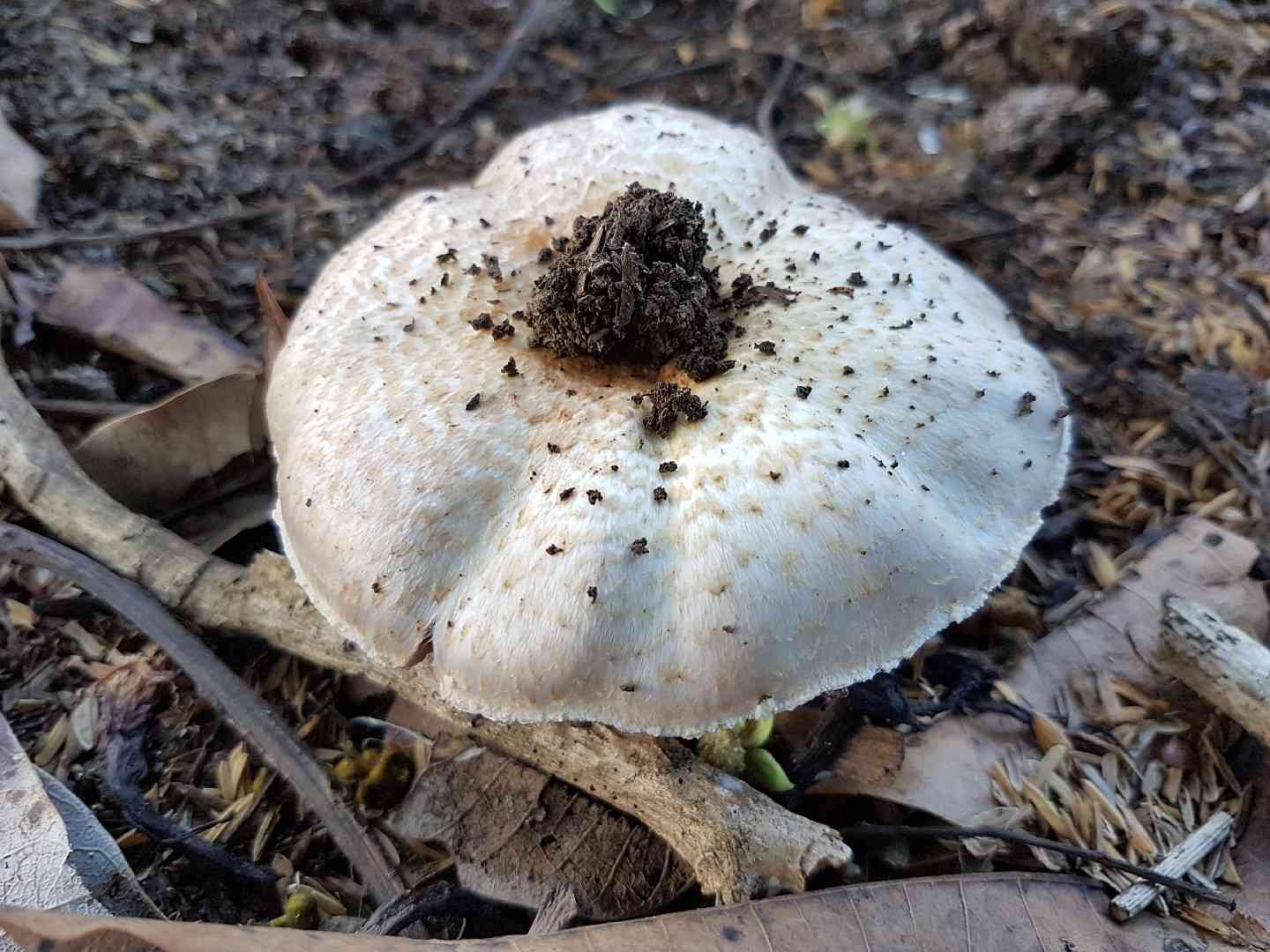
The tiger sawgill (Lentinus tigrinus) is a small mushroom whose name doesn't quite fit its appearance. It lacks the distinctive colors or patterns typically found on a tiger; instead, its pale, understated cap is usually adorned with brown blotches. It's plausible that the eighteenth-century European who named this species had a leopard in mind.
In This Article
Attributes of Tiger sawgill
Cap Diameter
1 - 8 cm
Height
2 - 5 cm
Cap
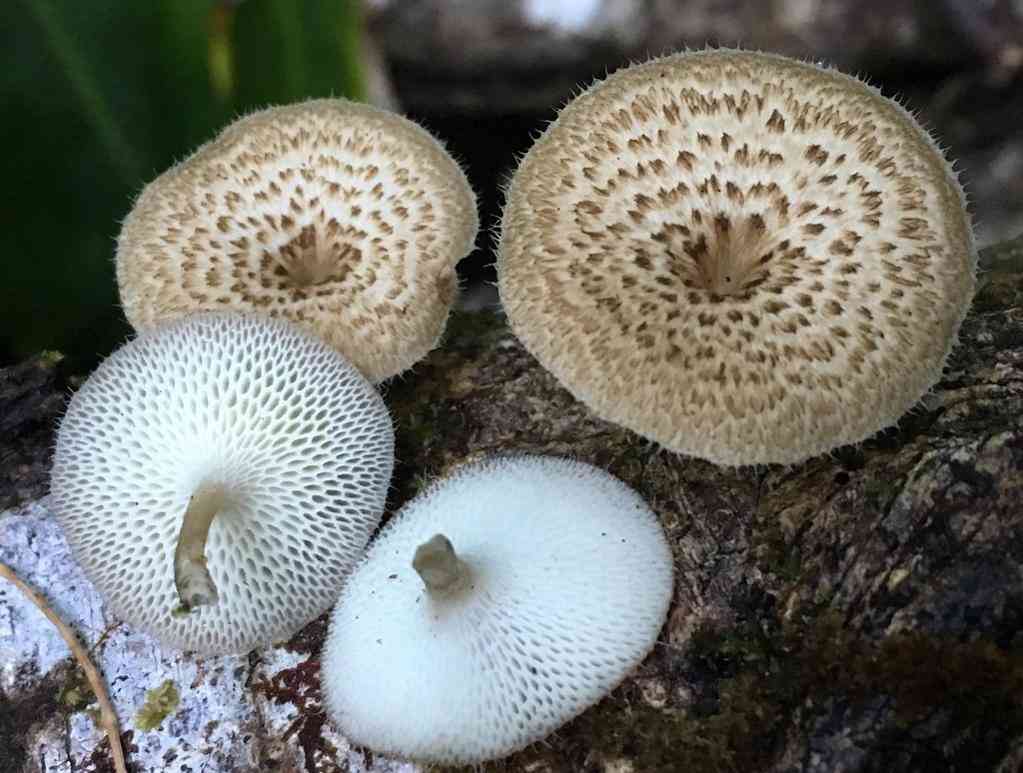
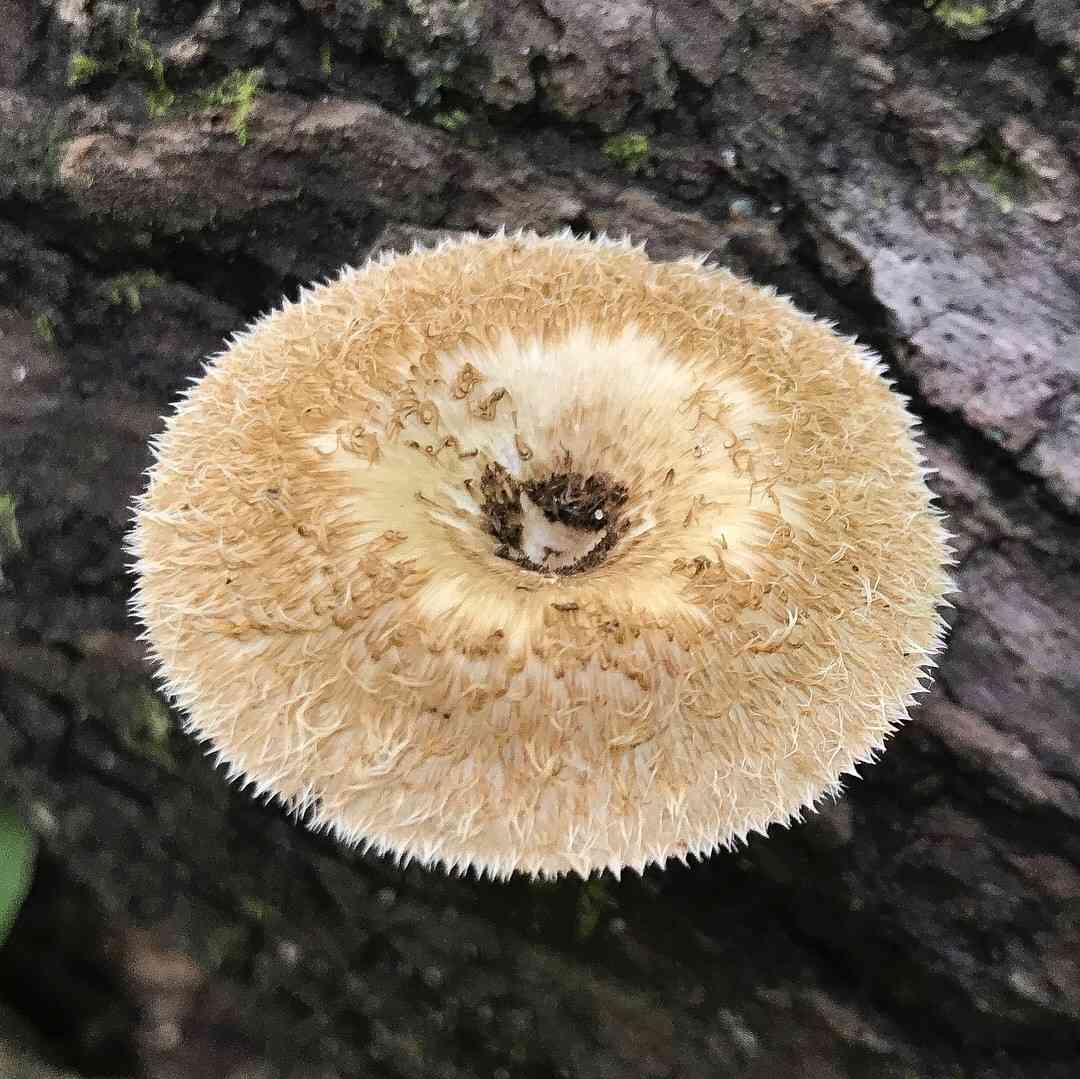
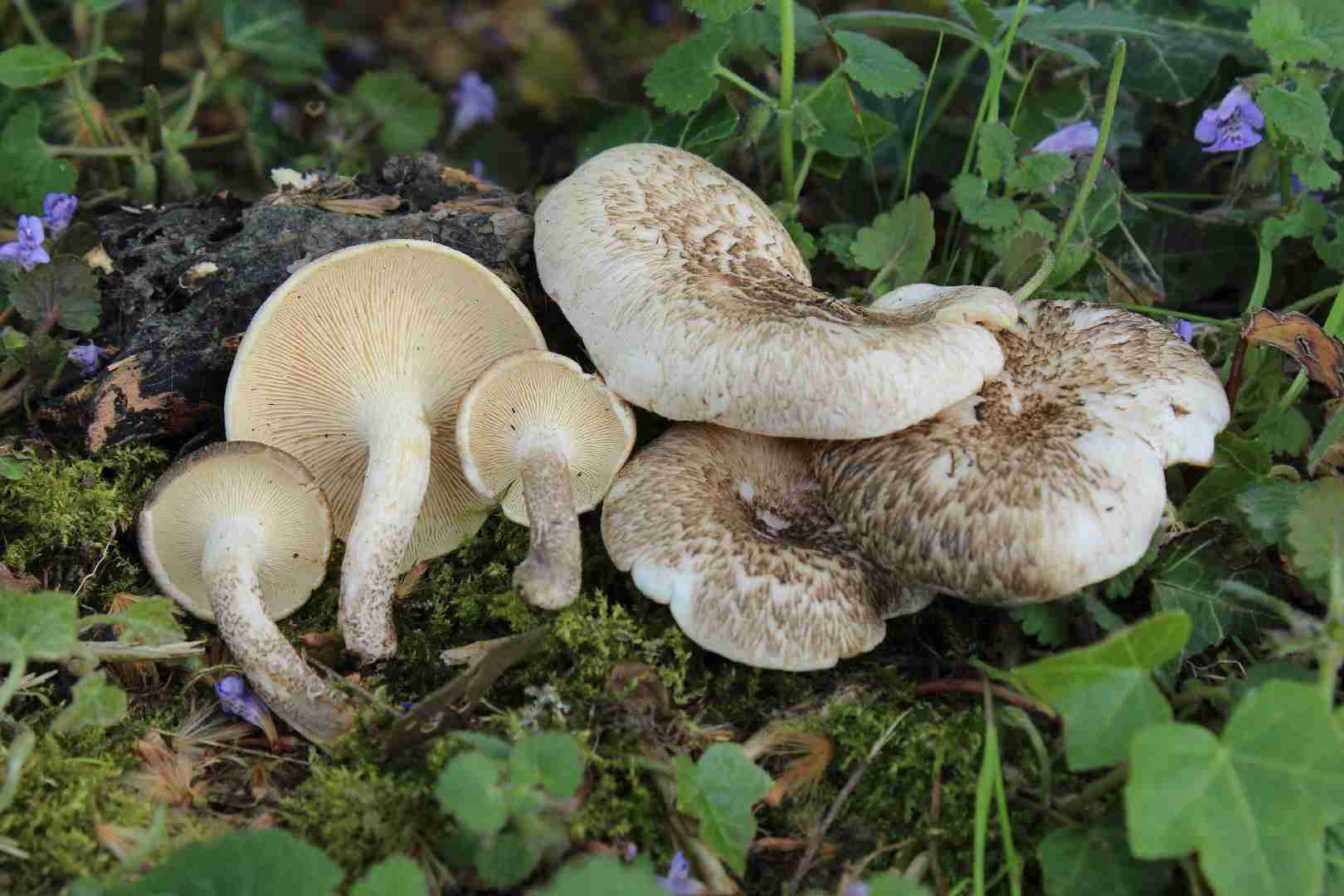
Cap 1 - 3 cm wide; convex, deeply funnel-shaped; whitish to cream; with blackish brown scales
Cap Shape
Convex, Depressed
Cap Surfaces
Fibrillose-scaly
Gills
Decurrent; crowded; white to creamy
Gill Attachment
Decurrent
Stem
Stem 2 - 4 cm long, 2 - 5 mm wide; equal; yellow, whitE, brown; with small, blackish brown scales
Stem Shapes
Cylindrical
Stem Surfaces
Scaly
Flesh
Whitish; unchanging when sliced
Ring
With Ring Zone
Spore Print Color
White
Odor
Faint, mildly fruity mushroom aroma.
Body Color
BrownBronzeWhite
Flesh Bruises
The flesh or milk does not discolor when bruised or cut.
Growth Form
Solitary, Scattered, Gregarious
Nutrient Gathering
Saprophytic
Substrate
Dead Woods
You can find Tiger sawgill by these plants
Willows
Occurence Habitats
Deciduous Woodland
Species Status
Most common in the southeastern states.
Endangered Species
No
Scientific Classification of Tiger sawgill
Phylum
Club fungi
Class
Mushroom-forming fungi
Order
Shelf fungi
Family
Polyporaceae
Genus
Lentinus
Toxicity and Edibility of Tiger sawgill
Is Tiger sawgill Toxic?
Toxicity information is not available for this mushroom. Always consult with an expert before consuming any wild mushrooms.