White-rot fungus
Lentinus sajor-caju
A species of Lentinus.
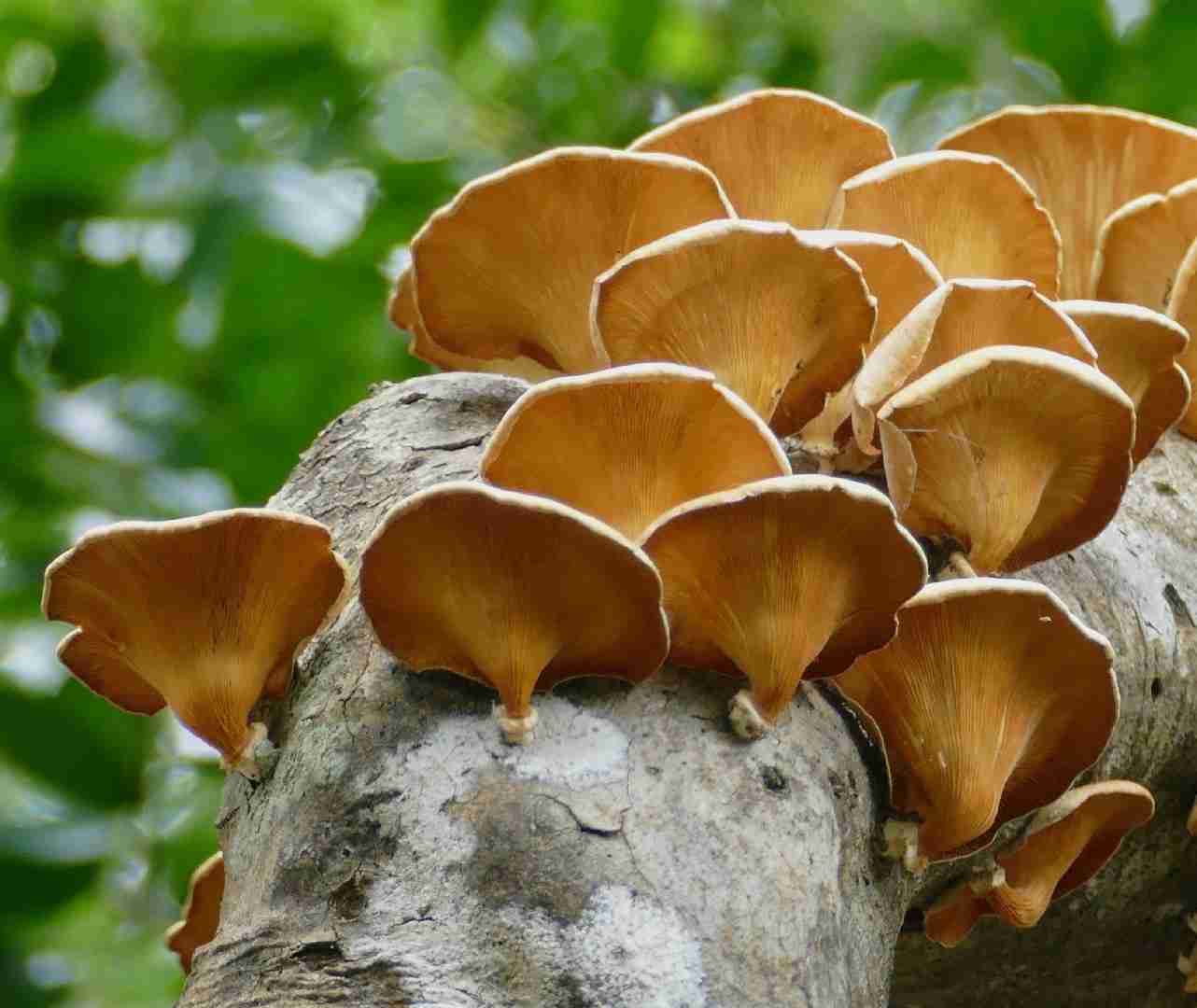
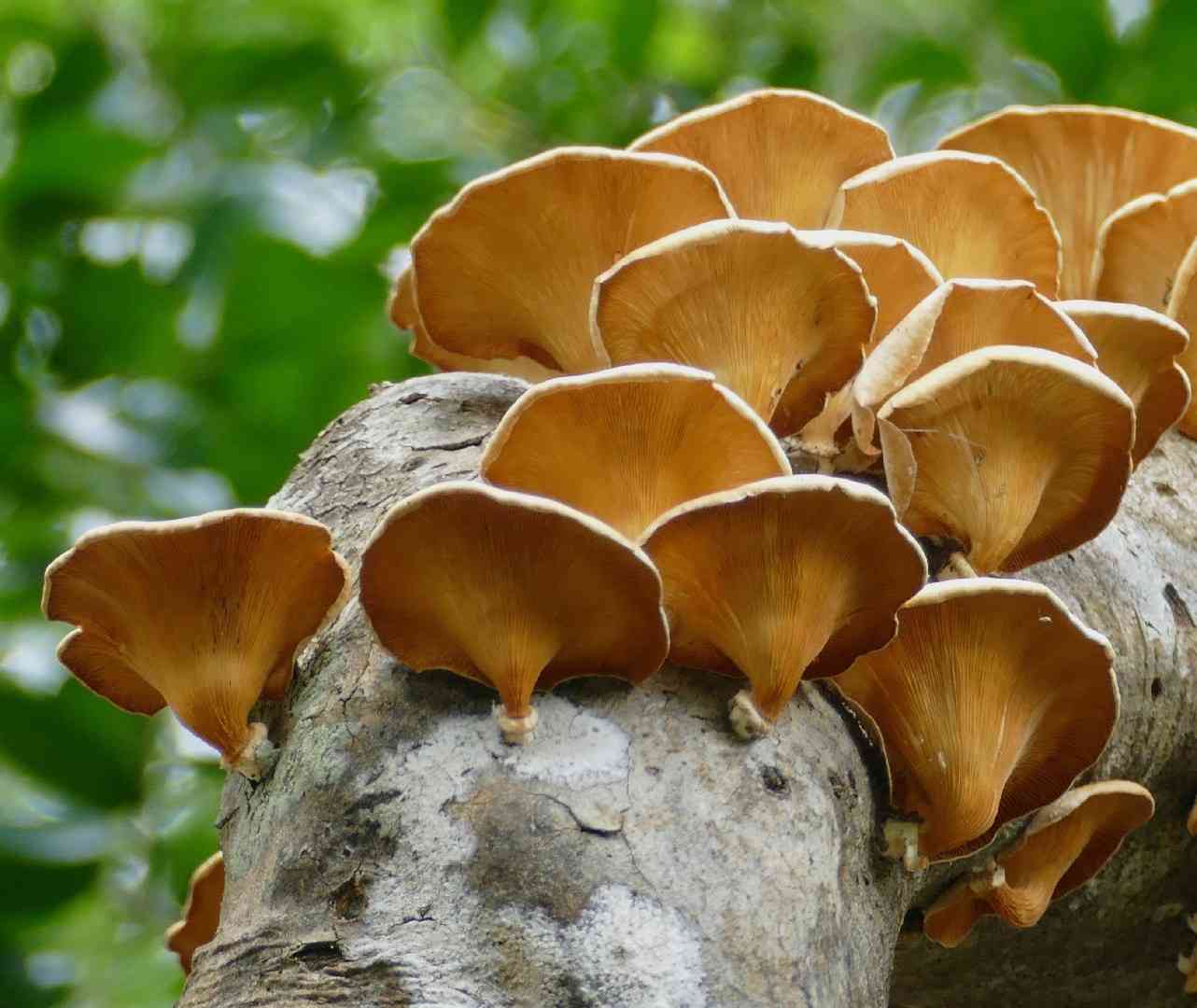
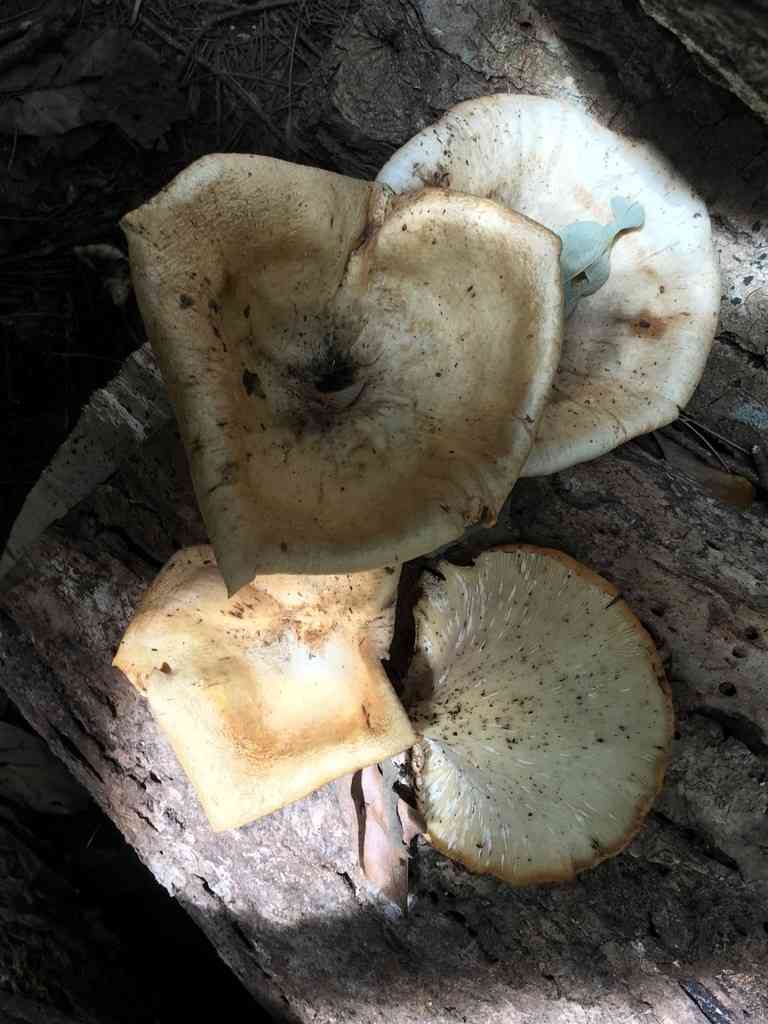
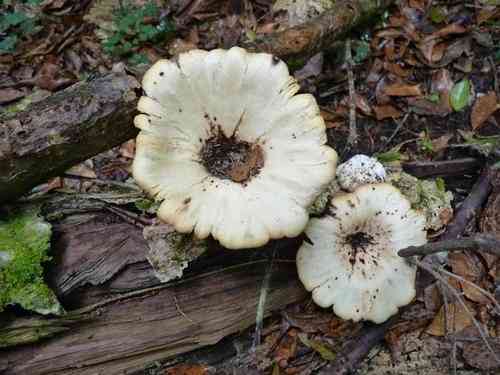
Known for its ability to decompose wood, this white-rot fungus typically thrives on decaying timber. Initially, its mushroom is pliable and somewhat leathery. However, as it develops, it hardens significantly, eventually forming a distinctive funnel-shaped fruiting body.
In This Article
Attributes of White-rot fungus
Cap Diameter
1 - 7 cm
Height
5 - 20 mm
Cap
Cap 1 - 7 cm across; broadly convex, infundibuliform; yellowish white, brownish grey; with squamules; margin incurved to decurved
Stem
Stem 5 - 20 mm long, 3 - 9 mm thick; flat; white; solid; surface smooth
Flesh
Flesh 8 mm thick; tough, flexible; white
Ring
On the stem; membranous; brownish
Spore Print Color
White
Odor
Pleasant, mildly mushroomy
Body Color
BrownYellowGrayWhite
Growth Form
Solitary, Gregarious
Substrate
On wood
You can find White-rot fungus by these plants
Willows
Endangered Species
No
Scientific Classification of White-rot fungus
Phylum
Club fungi
Class
Mushroom-forming fungi
Order
Shelf fungi
Family
Polyporaceae
Genus
Lentinus
Toxicity and Edibility of White-rot fungus
Is White-rot fungus Toxic?
Toxicity information is not available for this mushroom. Always consult with an expert before consuming any wild mushrooms.

