Fringed sawgill
Lentinus crinitus
A species of Lentinus.
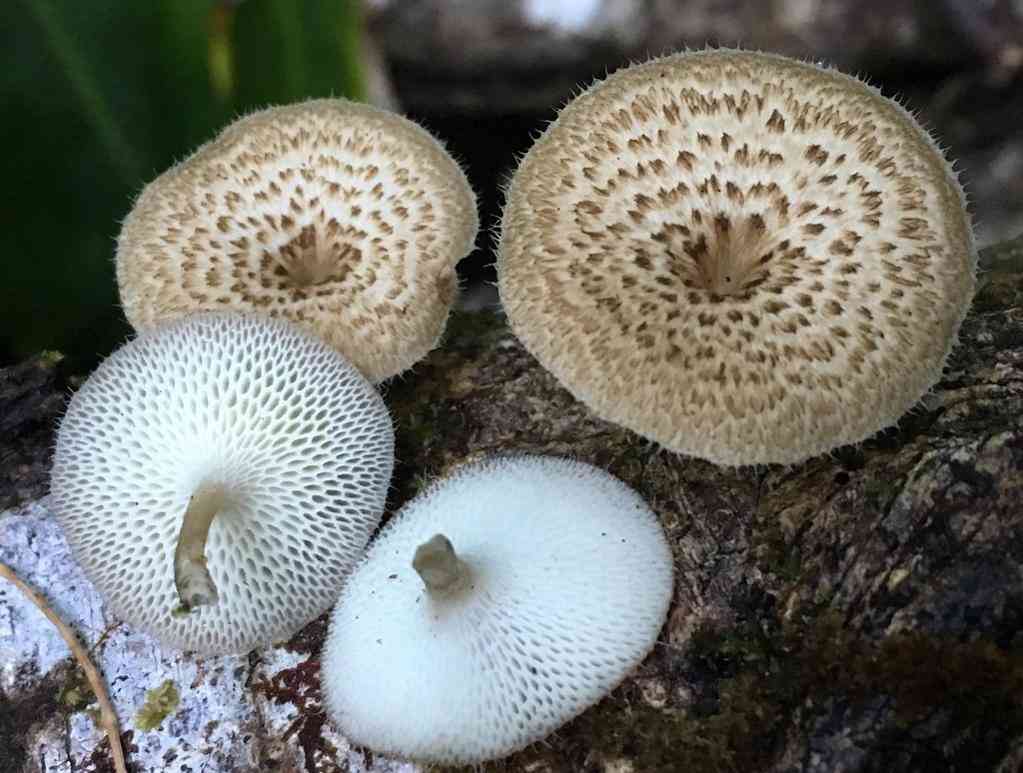
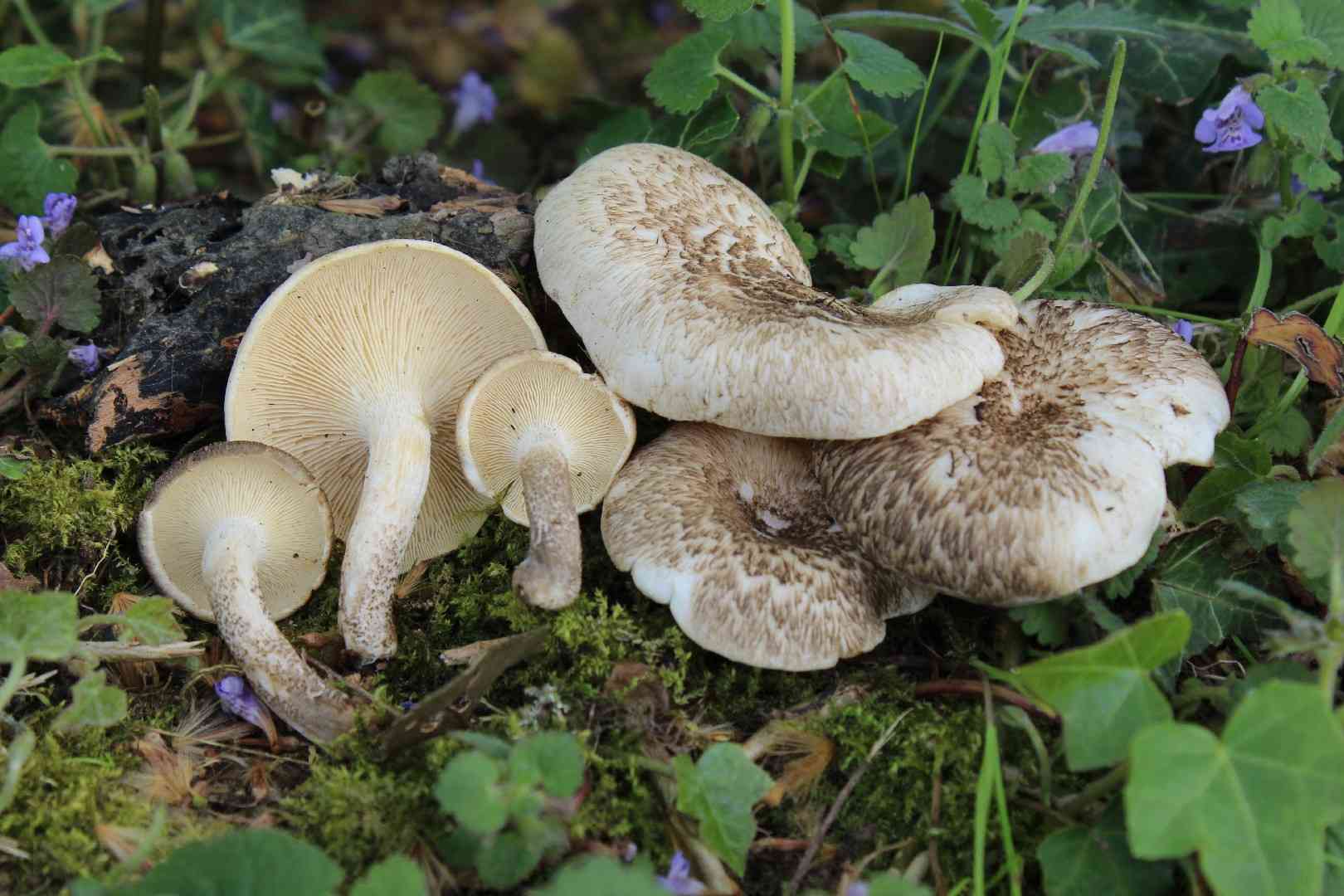
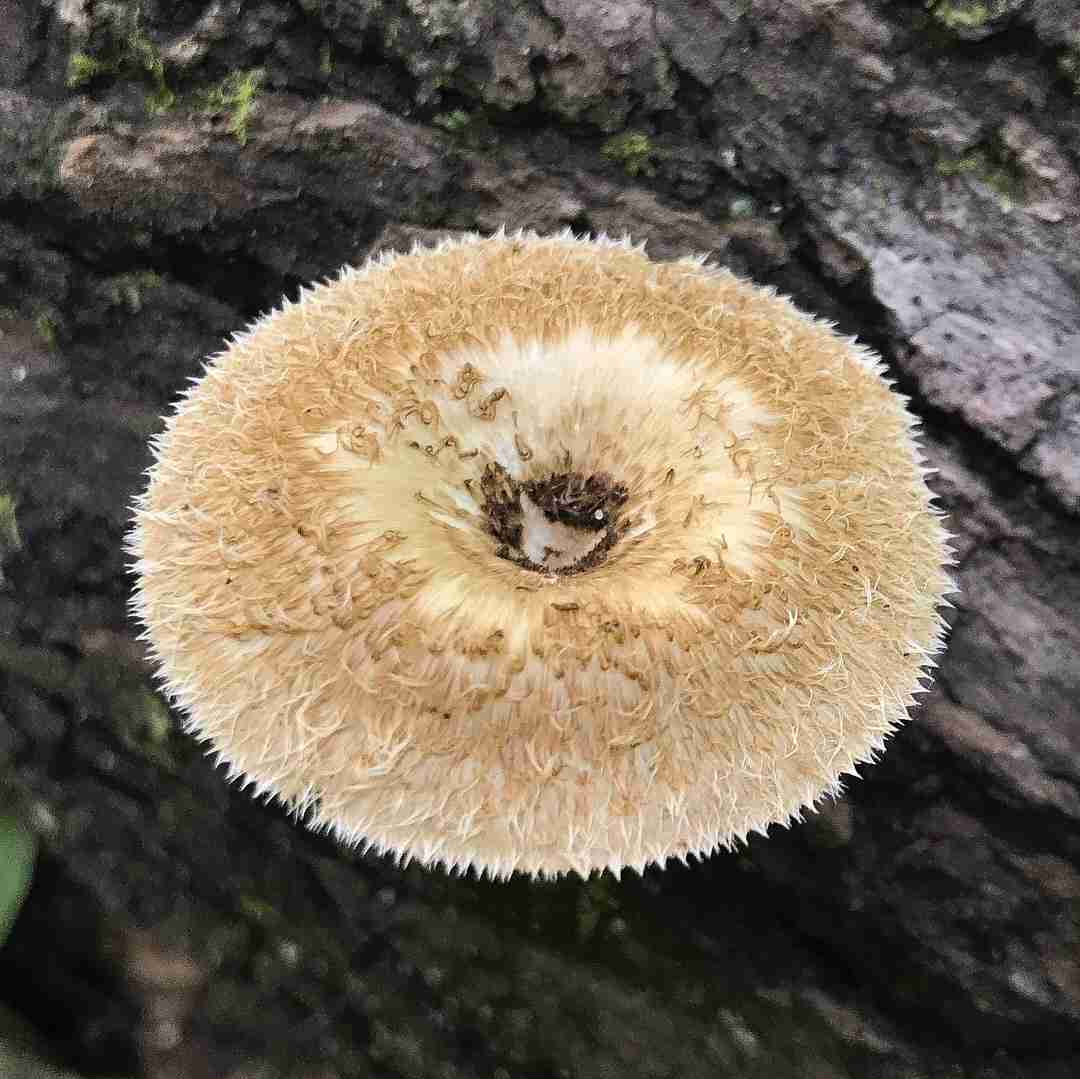
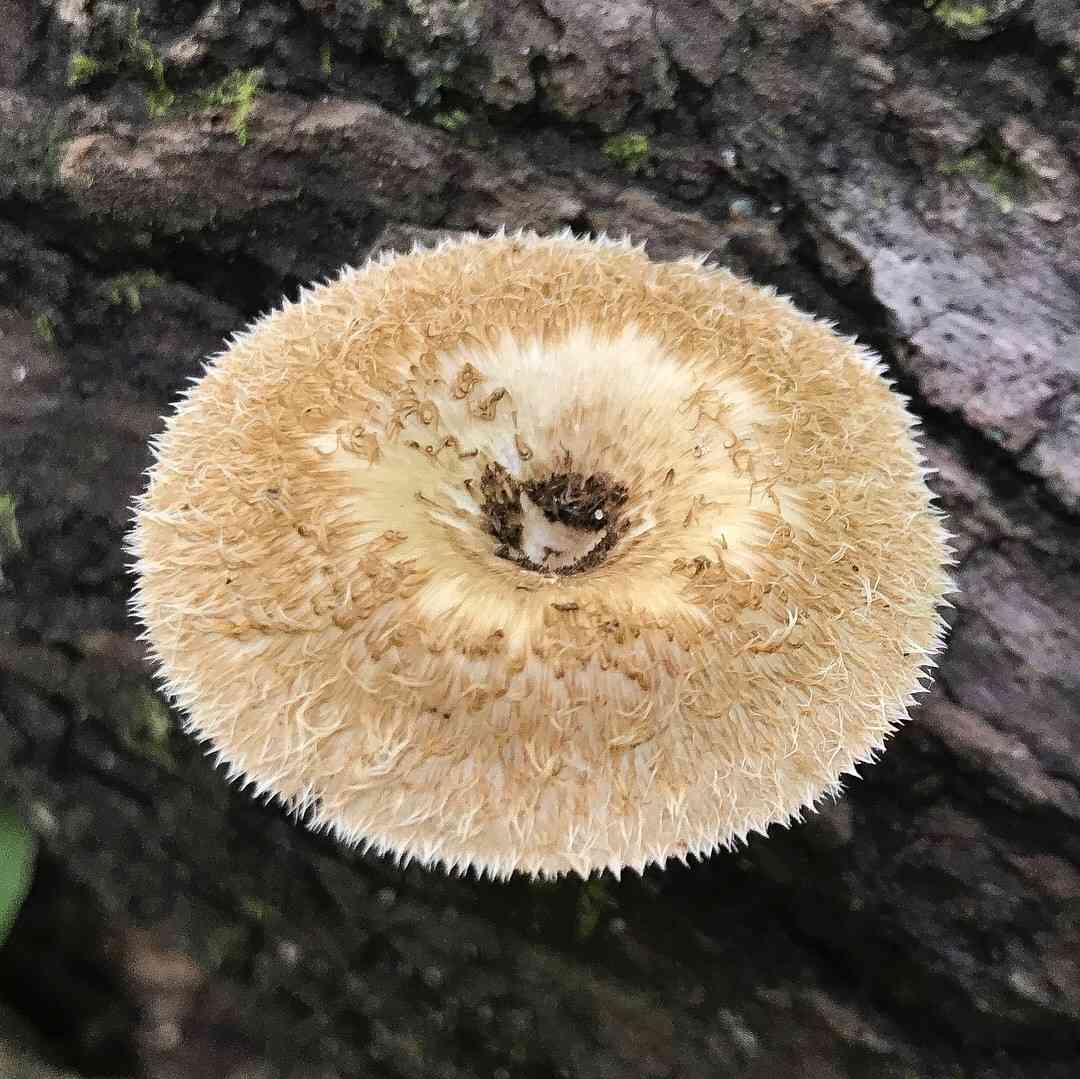
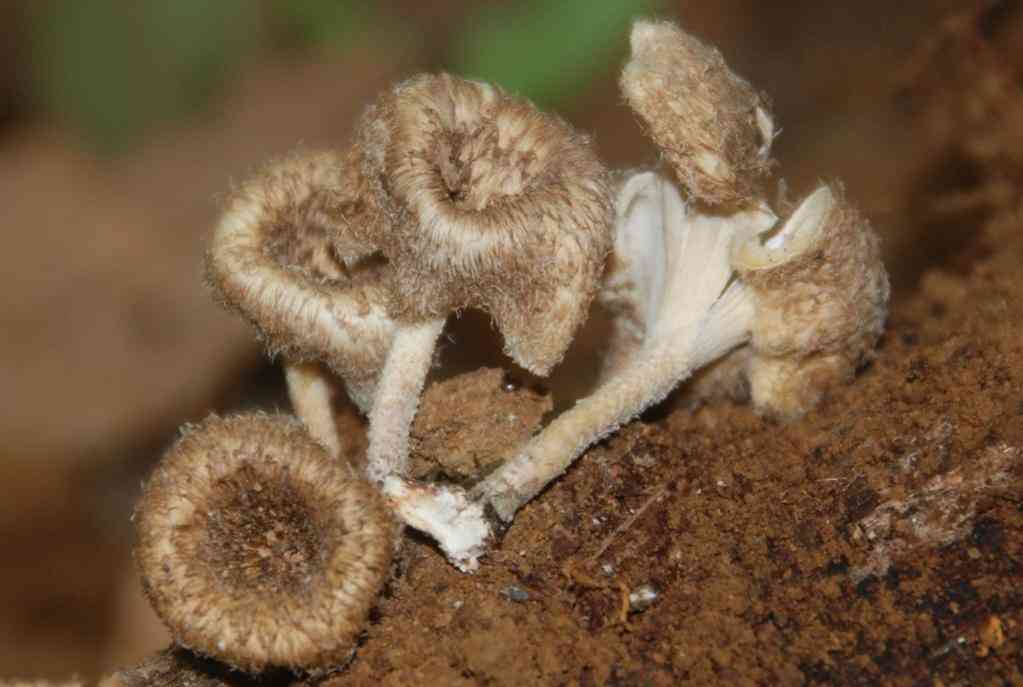
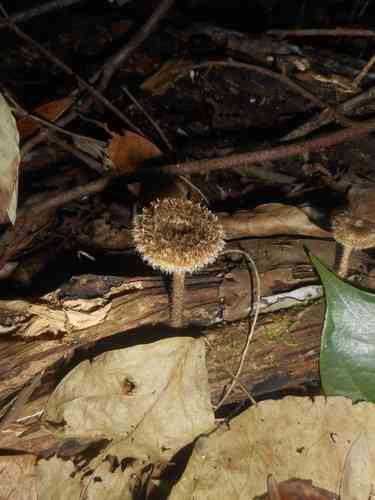
The distinctive, somewhat wig-like and fuzzy cap of the fringed sawgill is easily identifiable from a distance. Its color is primarily a deep tan in the depressed central area, gradually transitioning to a clean white at its periphery and on the gills. These fungi vary significantly in size, from as small as a human thumb to as large as a dinner plate.
In This Article
Attributes of Fringed sawgill
Cap Diameter
1.2 - 4 cm
Height
5 - 8 cm
Cap
Cap 1.2 - 4 cm across; deeply funnel-shaped; yellowish brown to dark reddish to grayish brown; surface smooth, with stiffy hairy
Gills
Decurrent; crowded; pale ocher
Stem
Stem 1.1 - 2 cm long, 2 - 6 mm thick; cylindrical to subbulbose; light yellow; surface with finely scurfy
Flesh
Fibrous, tough; whitish
Spore Print Color
White
Odor
Like fungal
Body Color
BrownYellowCream
Flesh Bruises
The flesh or milk does not discolor when bruised or cut.
Growth Form
Scattered, Gregarious
Nutrient Gathering
Saprophytic
Substrate
On wood
You can find Fringed sawgill by these plants
Willows
Scientific Classification of Fringed sawgill
Phylum
Club fungi
Class
Mushroom-forming fungi
Order
Shelf fungi
Family
Polyporaceae
Genus
Lentinus
Toxicity and Edibility of Fringed sawgill
Is Fringed sawgill Toxic?
Toxicity information is not available for this mushroom. Always consult with an expert before consuming any wild mushrooms.