Spring polypore
Lentinus arcularius
A species of Lentinus.
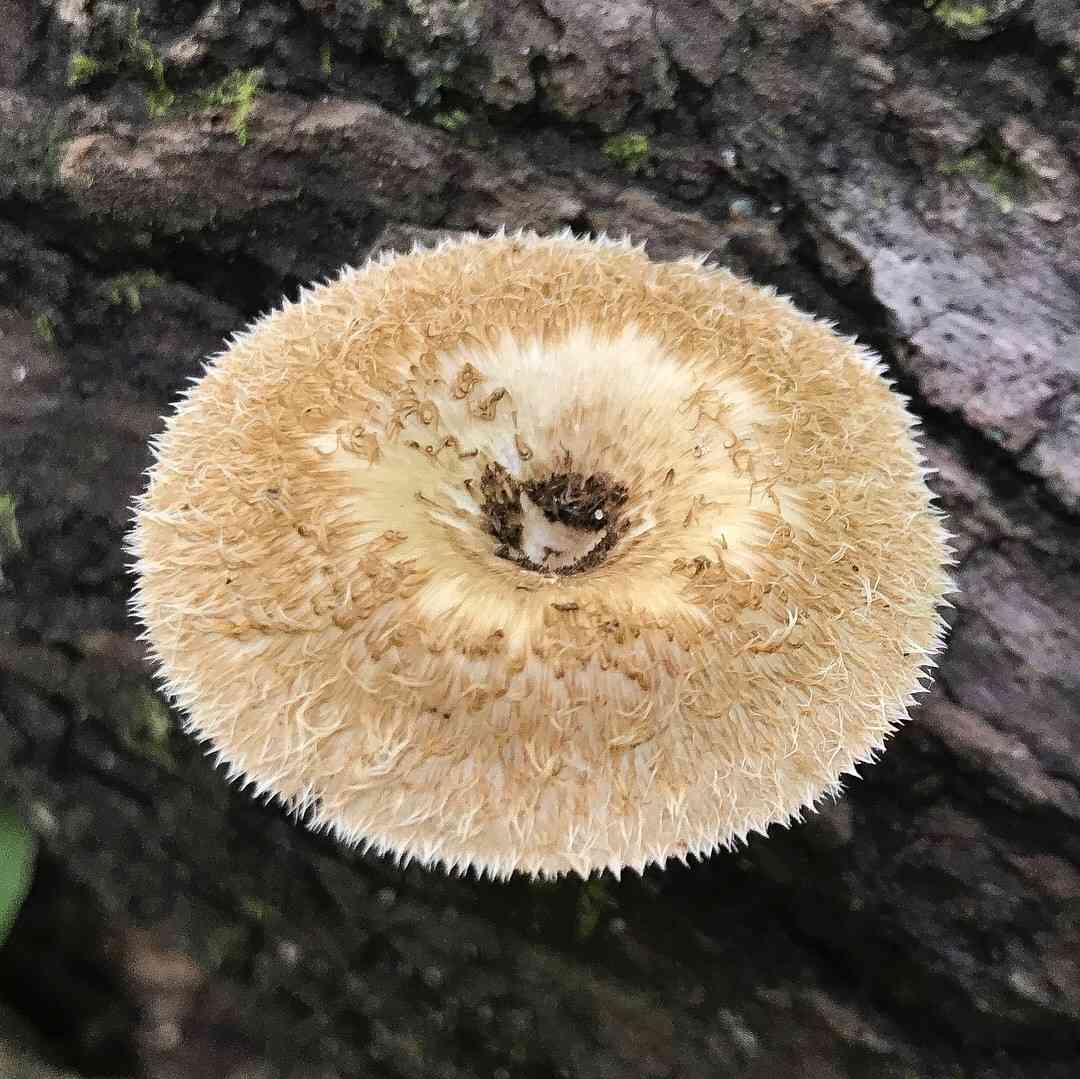
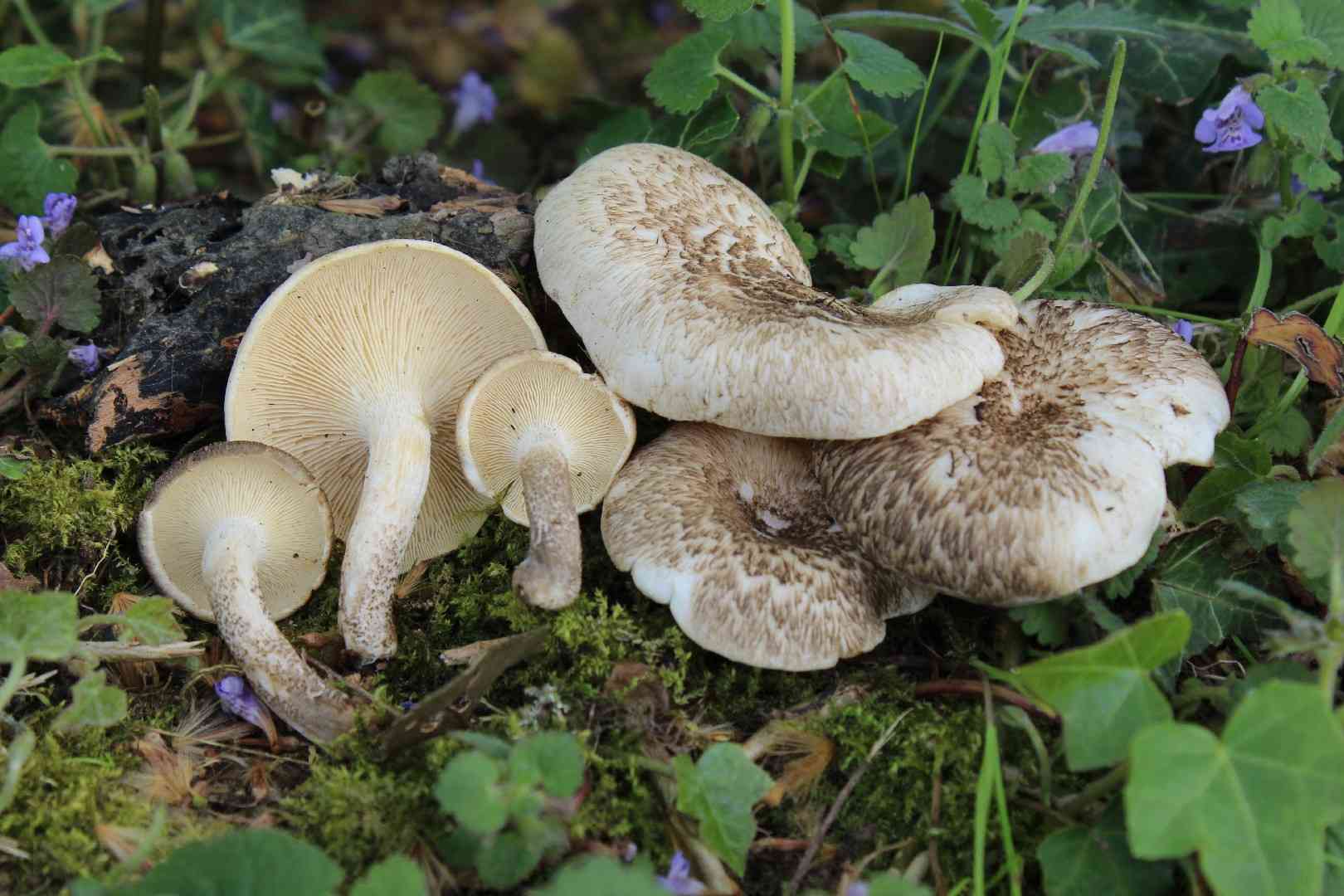
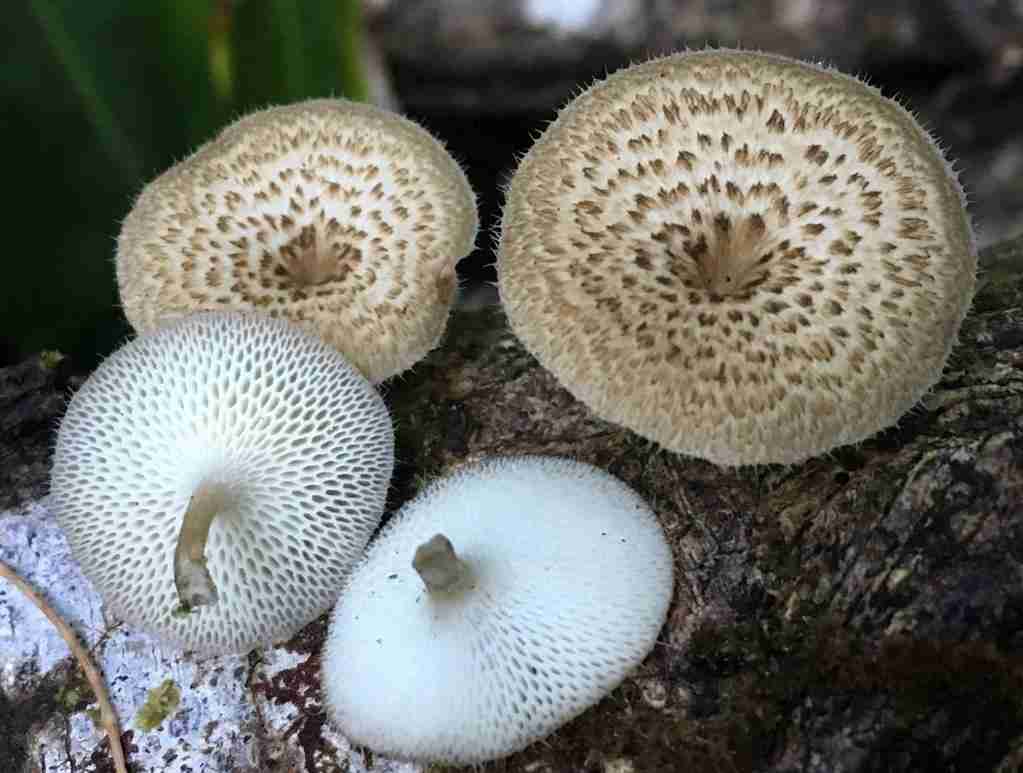
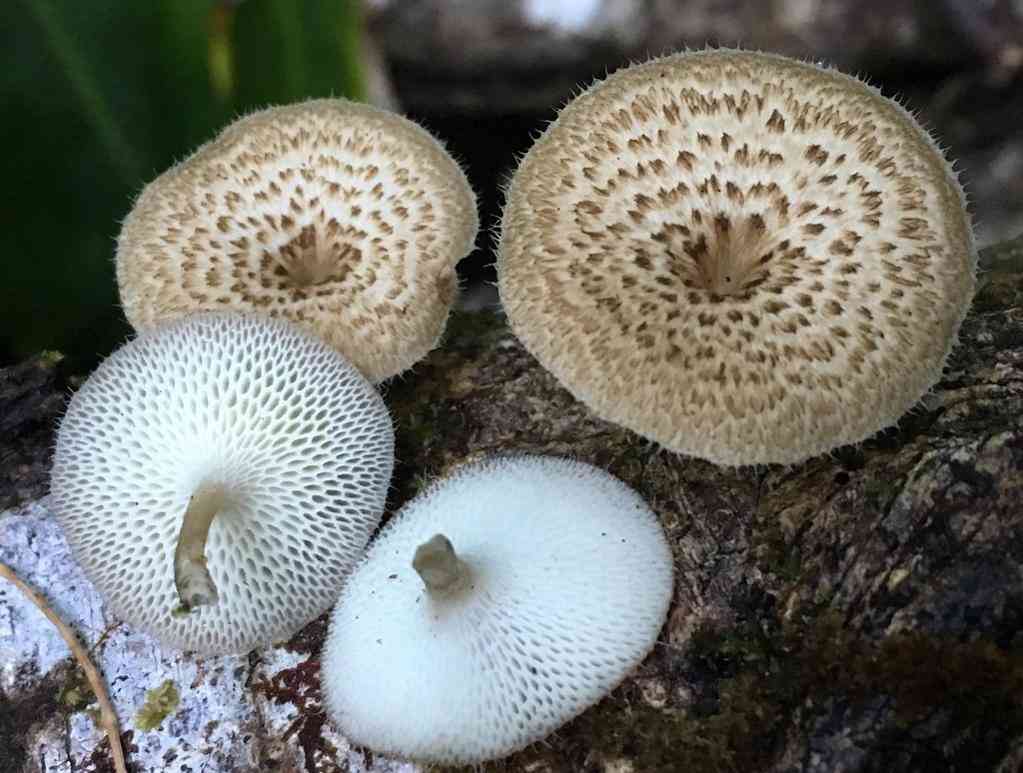
Spring polypore is likely well-known to Morel mushroom gatherers, given that it's among the first fungi to emerge in spring, as its name suggests. While Lentinus mushrooms usually feature gills, this particular specimen surprisingly exhibits honeycomb-like pores upon closer inspection.
In This Article
Attributes of Spring polypore
Cap Diameter
3 - 9 cm
Cap
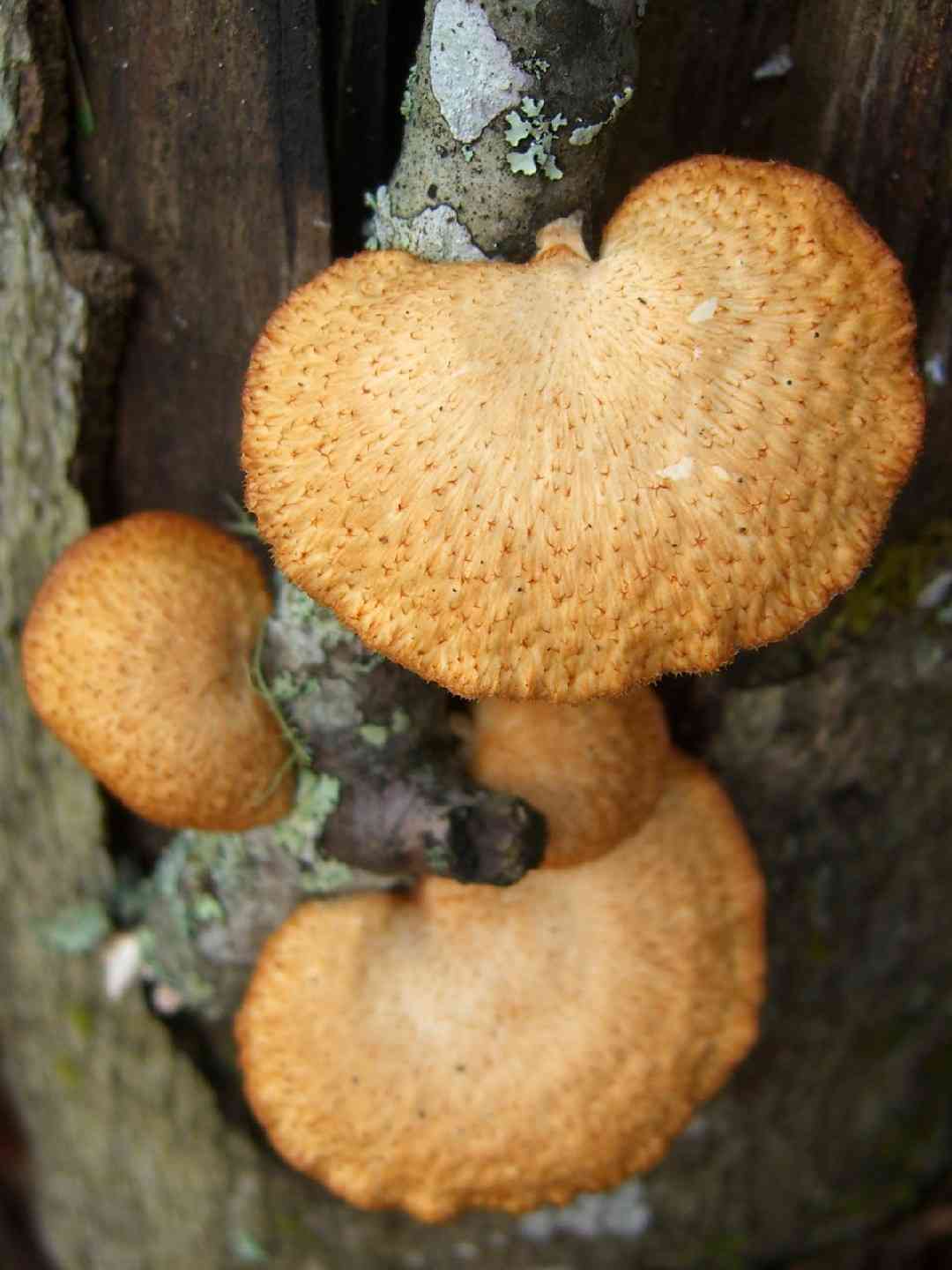
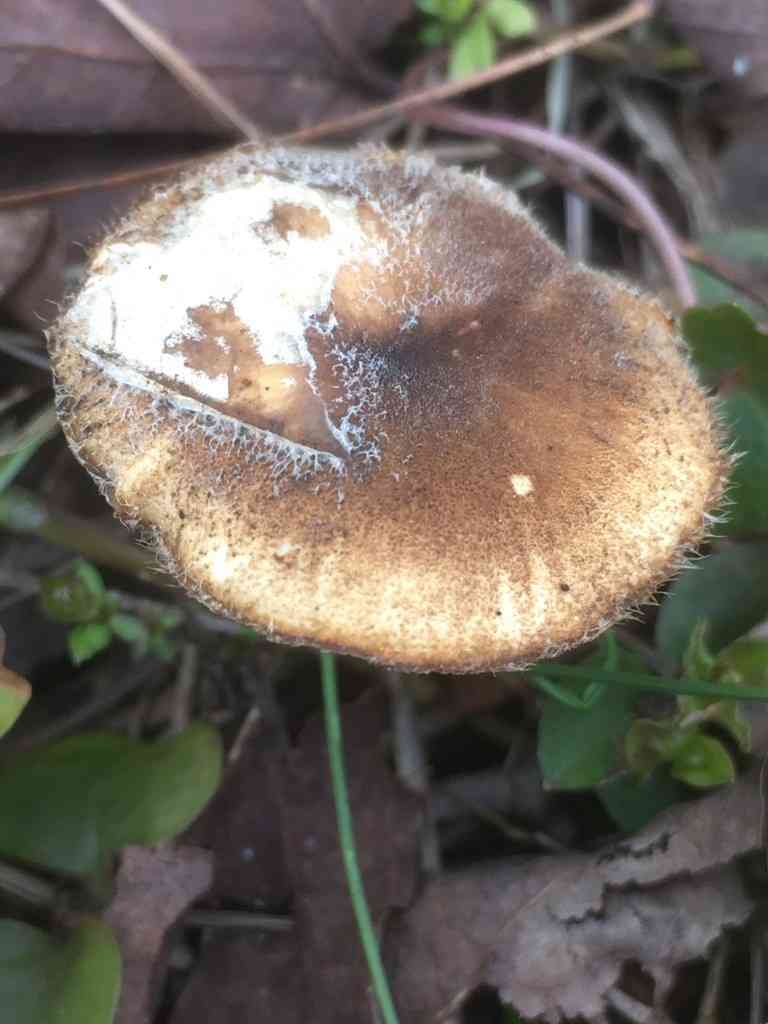
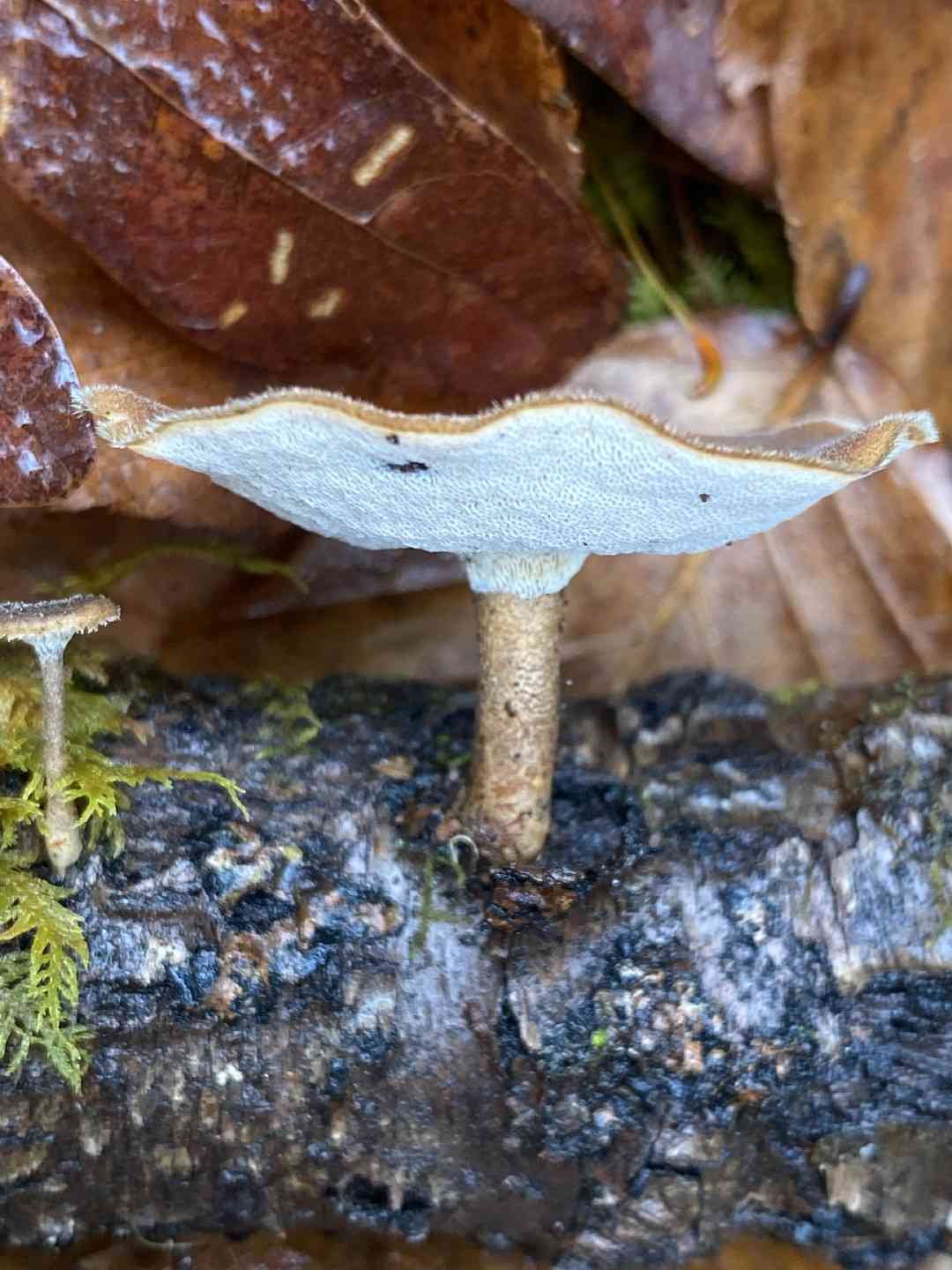
Cap 1.5 - 8 cm across; circular, shallowly funnel-shaped; brown; surface covered with small radiating scals; margin fringed with short hairs
Cap Surfaces
Fibrillose-scaly, Velvety
Stem
Stem 4 cm long, 2 - 5 mm thick; enlarged base; solid; ocher brown to dark yellow brown
Stem Shapes
Cylindrical
Flesh
Flesh 1 mm thick; tough to leathery; cream
Ring
Ringless
Spore Print Color
White
Odor
Mildly mushroomy but not distinctive.
Body Color
BlackYellow
Flesh Bruises
The flesh or milk does not discolor when bruised or cut.
Growth Form
Solitary, Scattered, Gregarious
Nutrient Gathering
Saprophytic
Substrate
On wood
You can find Spring polypore by these plants
Willows
Endangered Species
No
Scientific Classification of Spring polypore
Phylum
Club fungi
Class
Mushroom-forming fungi
Order
Shelf fungi
Family
Polyporaceae
Genus
Lentinus
Toxicity and Edibility of Spring polypore
Is Spring polypore Toxic?
Toxicity information is not available for this mushroom. Always consult with an expert before consuming any wild mushrooms.