Lentinellus micheneri
Lentinellus micheneri
A species of Lentinellus.
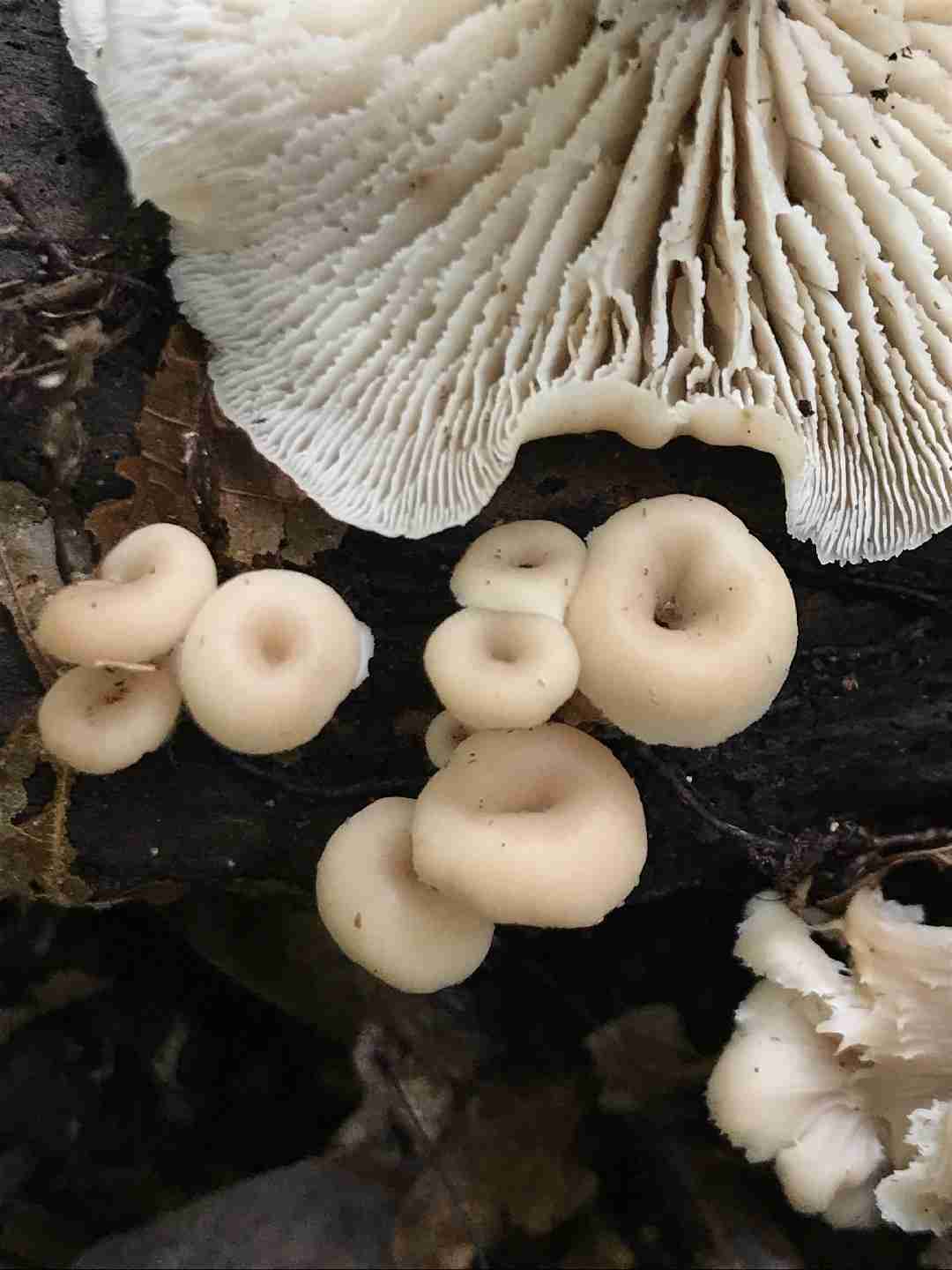
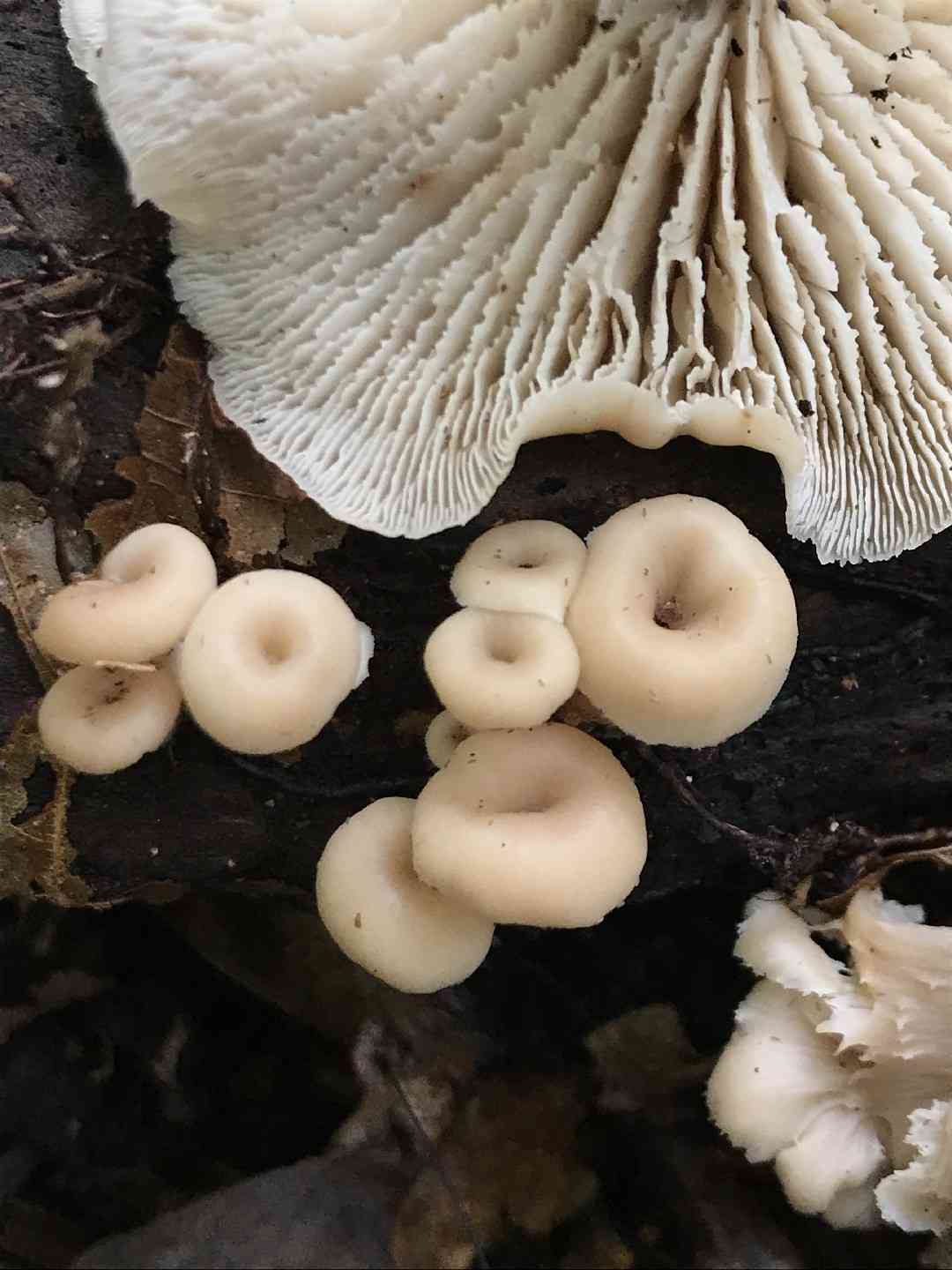
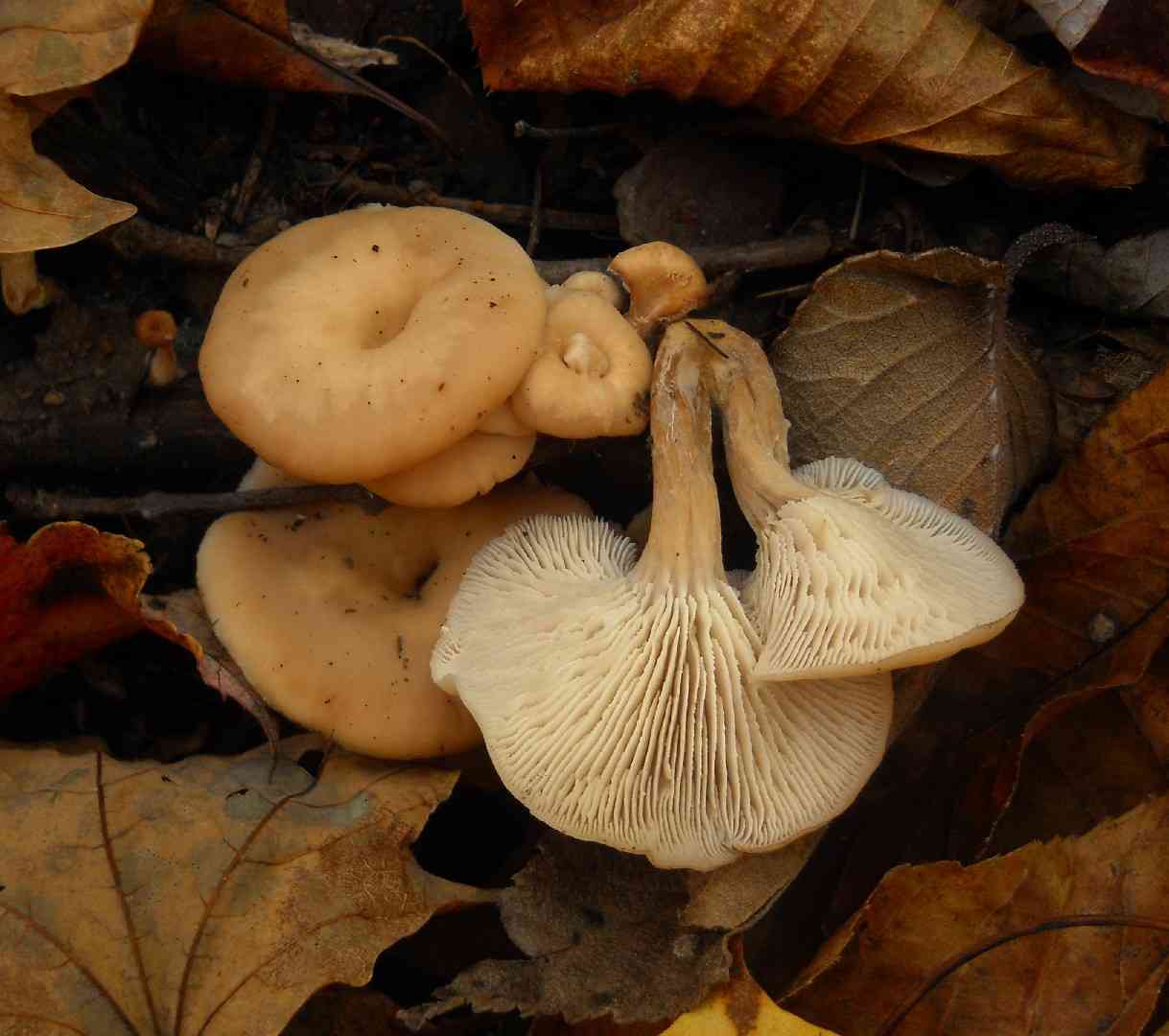
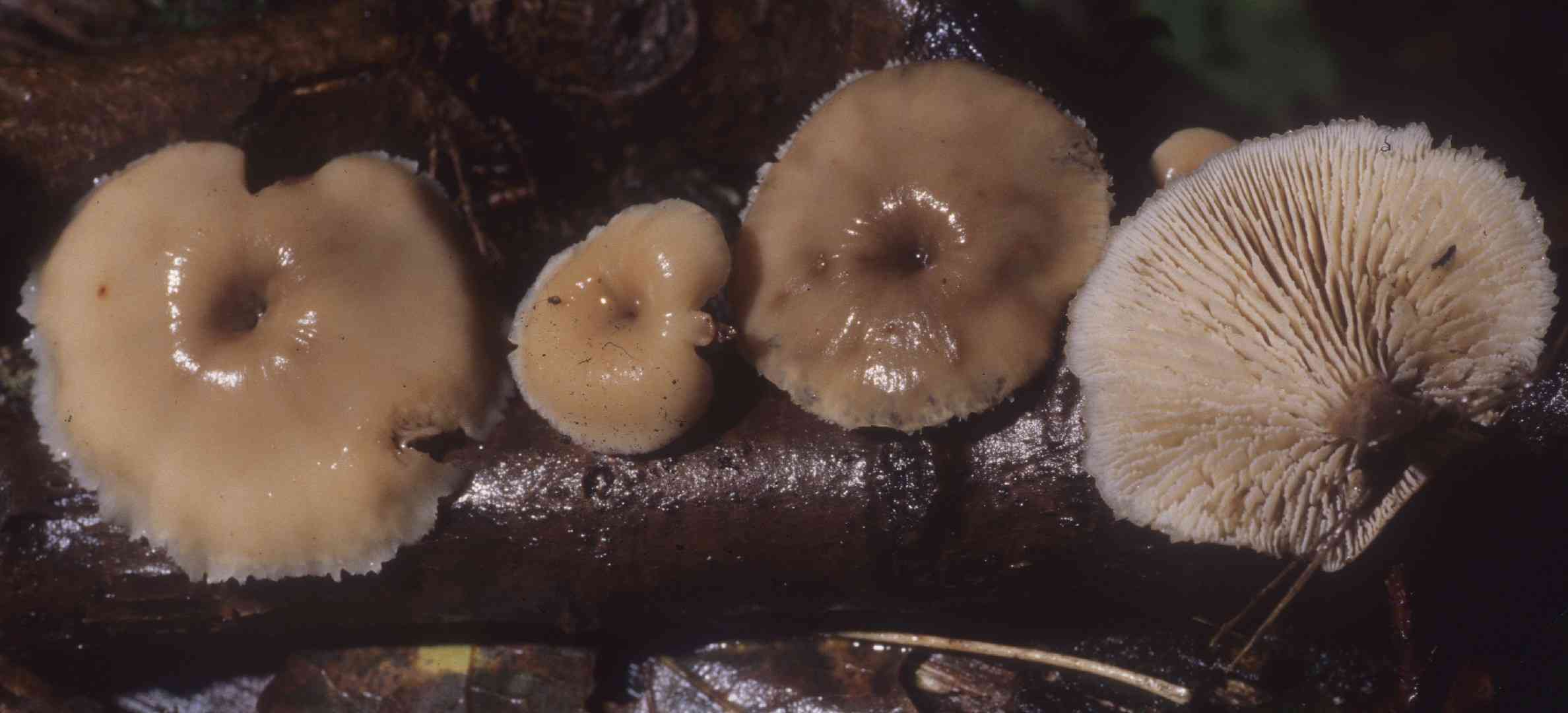
The mushroom Lentinellus micheneri is distinguishable by its cap, which alters its hue with maturity, potentially developing into a variegated appearance. It is found on both deciduous and coniferous trees in North America, typically during the autumn and winter seasons.
In This Article
Attributes of Lentinellus micheneri
Cap Diameter
1 - 6 cm
Height
1 - 6 cm
Cap
Cap 1 - 5 cm; convex or cushion-shaped, nearly flat; pinkish brown or paler; moist, smooth; the margin not lined
Cap Shape
Convex, Depressed, Flat
Cap Surfaces
Smooth
Gills
Adnate; nearly distant; whitish to pinkish brown; not bruising
Gill Attachment
Attached
Stem
Stem 5 - 50 mm long, 1 - 3 mm thick; equal; brown; sometimes off-center
Stem Shapes
Cylindrical
Stem Surfaces
Ribbed
Flesh
Insubstantial; pale brownish
Ring
Ringless
Spore Print Color
Creamy buff
Odor
Mild fungal with hints of anise.
Body Color
BrownRedPink
Flesh Bruises
The flesh or milk does not discolor when bruised or cut.
Growth Form
Scattered, Gregarious
Nutrient Gathering
Saprophytic
Substrate
Dead Woods
Occurence Habitats
Deciduous Woodland, Coniferous Woodland
Species Status
Widely distributed
Endangered Species
No
Scientific Classification of Lentinellus micheneri
Phylum
Club fungi
Class
Mushroom-forming fungi
Order
Russulales
Family
Auriscalpiaceae
Genus
Lentinellus
Toxicity and Edibility of Lentinellus micheneri
Is Lentinellus micheneri Toxic?
Toxicity information is not available for this mushroom. Always consult with an expert before consuming any wild mushrooms.

