Ashtray bolete
Leccinum rubropunctum
A species of Leccinum.
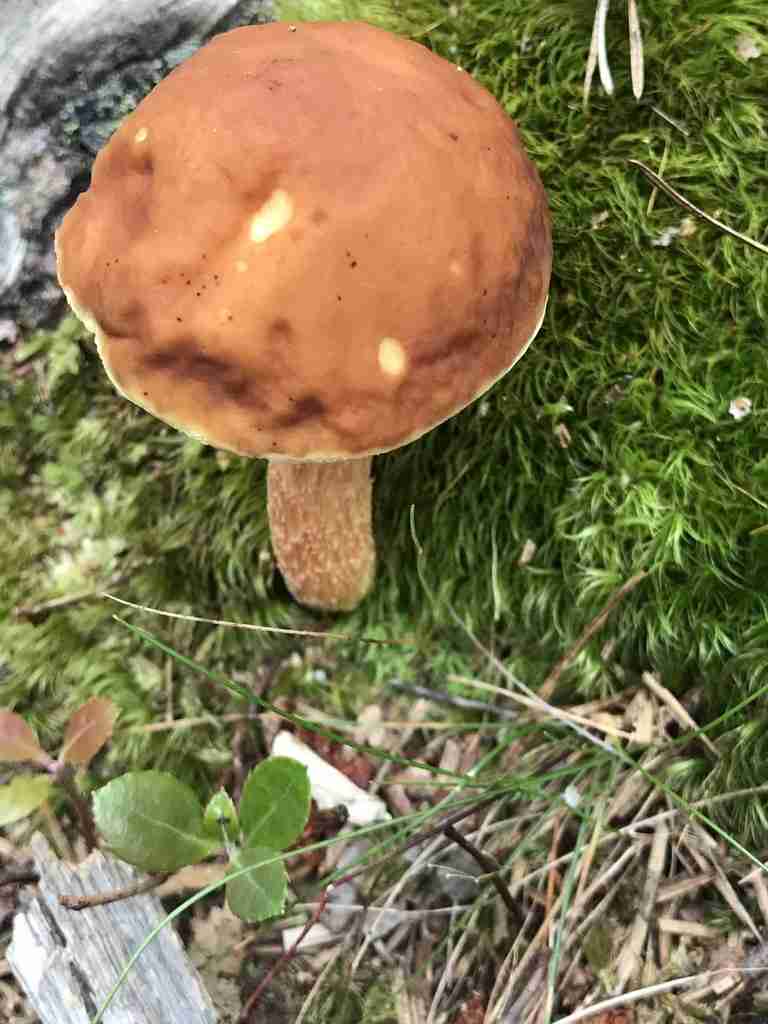
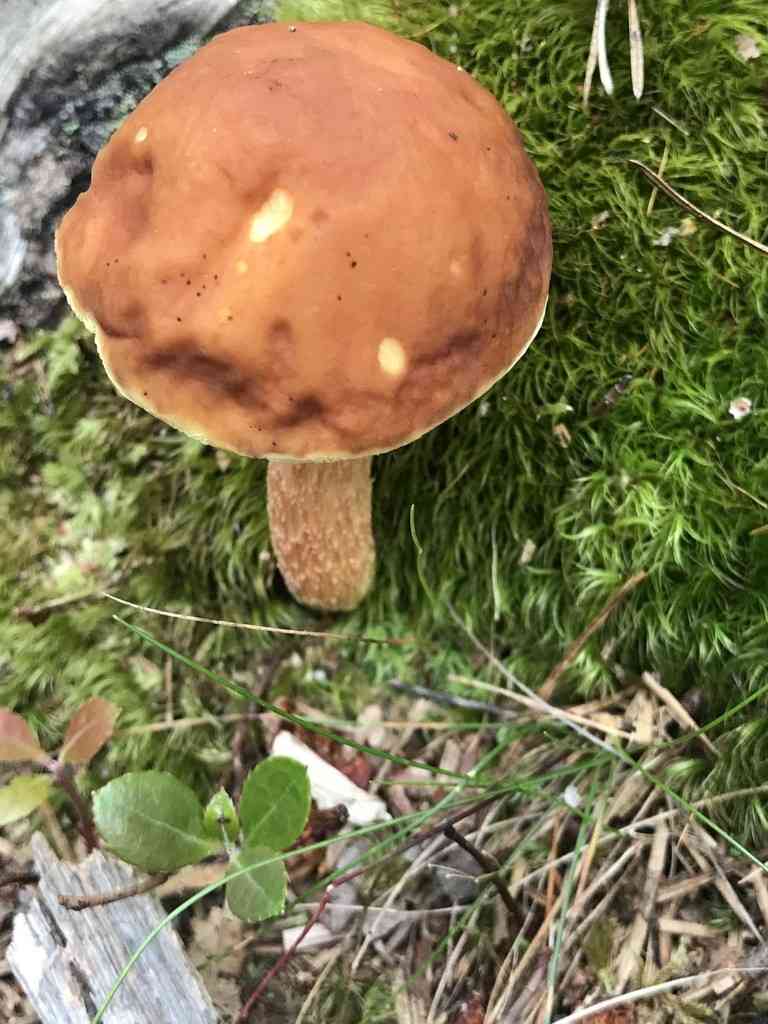
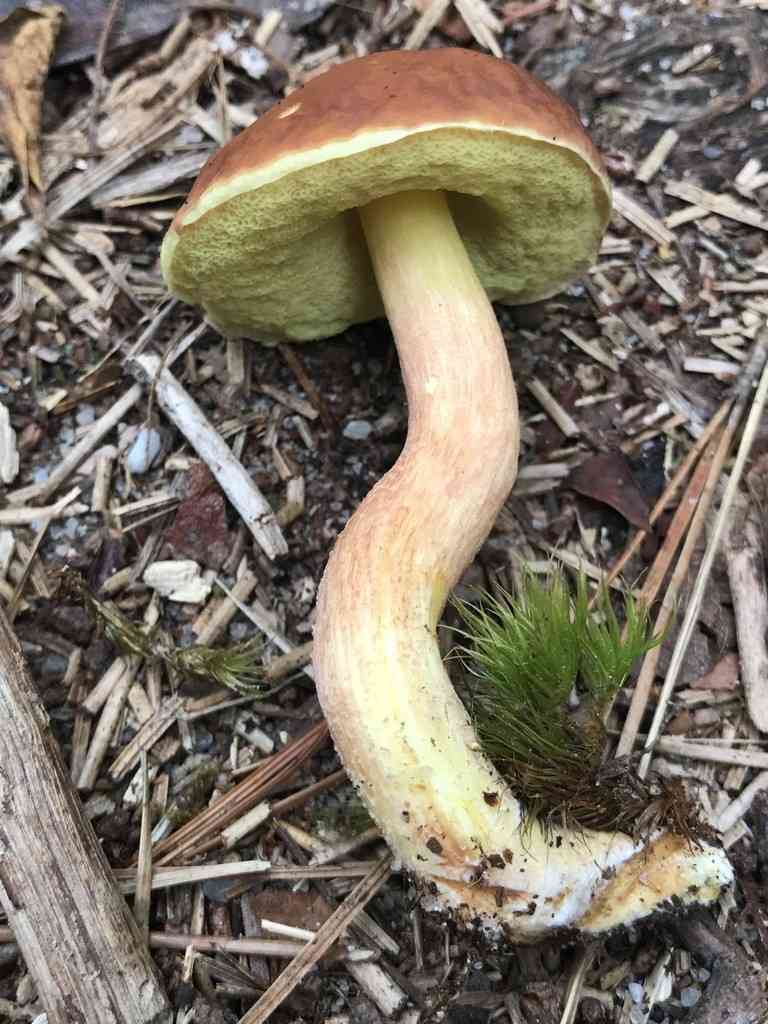
The ashtray bolete stands out with its notable brown cap, which often possesses a subtle velvety texture. Beneath the cap, in place of the typical gills, this fungus features a network of spongy pores that are initially whitish but darken over time. Its stipe is elongated and exhibits a pattern that can evoke the imagery of snakeskin. The ashtray bolete flourishes in forested environments, commonly appearing beneath deciduous trees.
In This Article
Attributes of Ashtray bolete
Cap Diameter
2 - 9 cm
Cap
Cap 2 - 9 cm wide; convex; reddish-brown; surface glabrous; margin even
Stem
Solid; yellow; punctate with reddish dots or squamules
Flesh
Yellowish; unchangeable
Spore Print Color
Olive brown
Odor
Smell stinky
Body Color
BrownYellowRed
Flesh Bruises
The flesh or milk does not discolor when bruised or cut.
Growth Form
Solitary, Scattered
Nutrient Gathering
Mycorrhizal
Substrate
On soil
You can find Ashtray bolete by these plants
Oaks, Populus
Species Status
Occasional to locally fairly common
Endangered Species
No
Scientific Classification of Ashtray bolete
Phylum
Club fungi
Class
Mushroom-forming fungi
Order
Boletes and allies
Family
Boletes
Genus
Leccinum
Toxicity and Edibility of Ashtray bolete
Is Ashtray bolete Toxic?
Toxicity information is not available for this mushroom. Always consult with an expert before consuming any wild mushrooms.

