Saffron bolete
Leccinellum crocipodium
A species of Leccinellum.
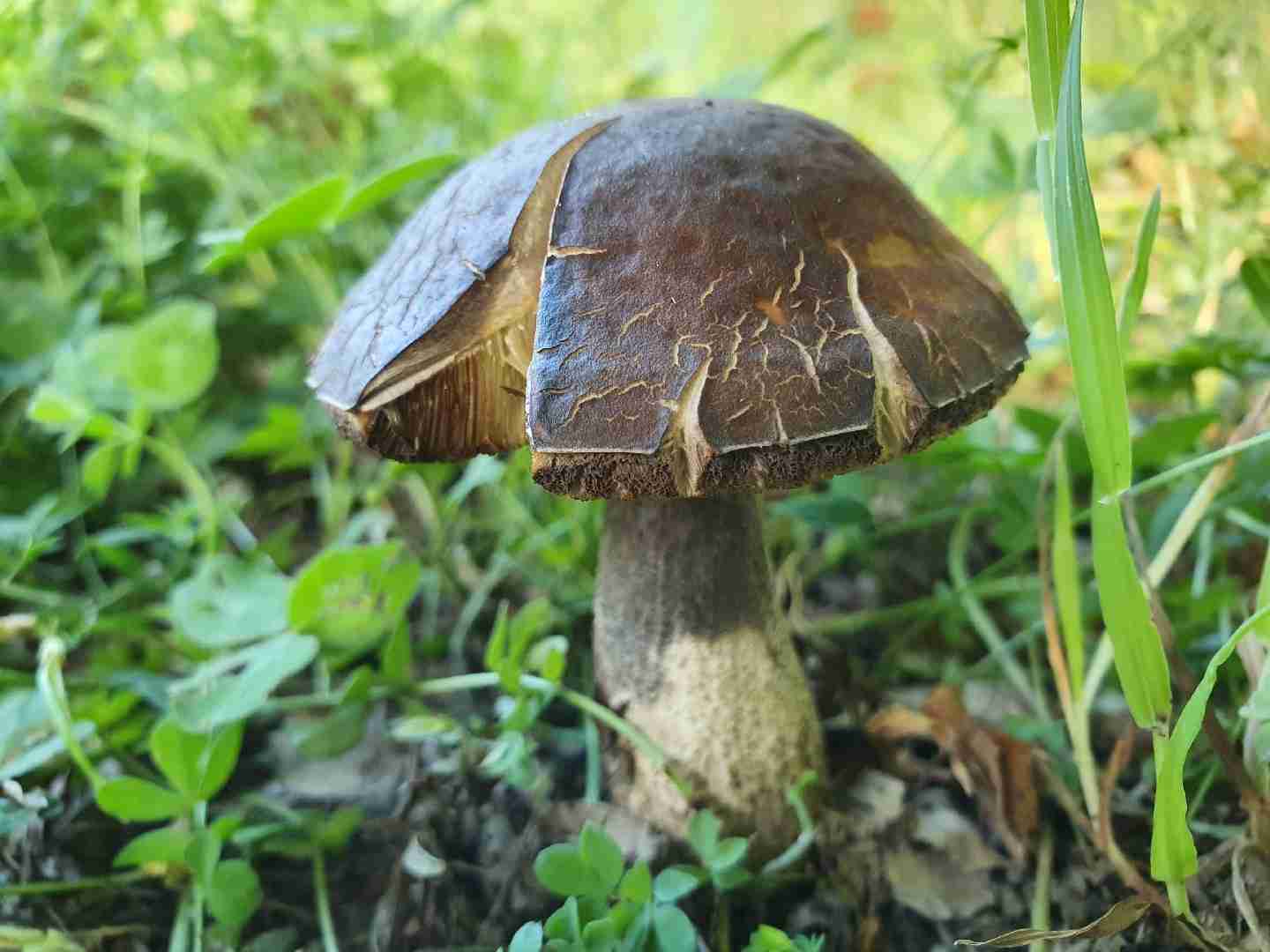
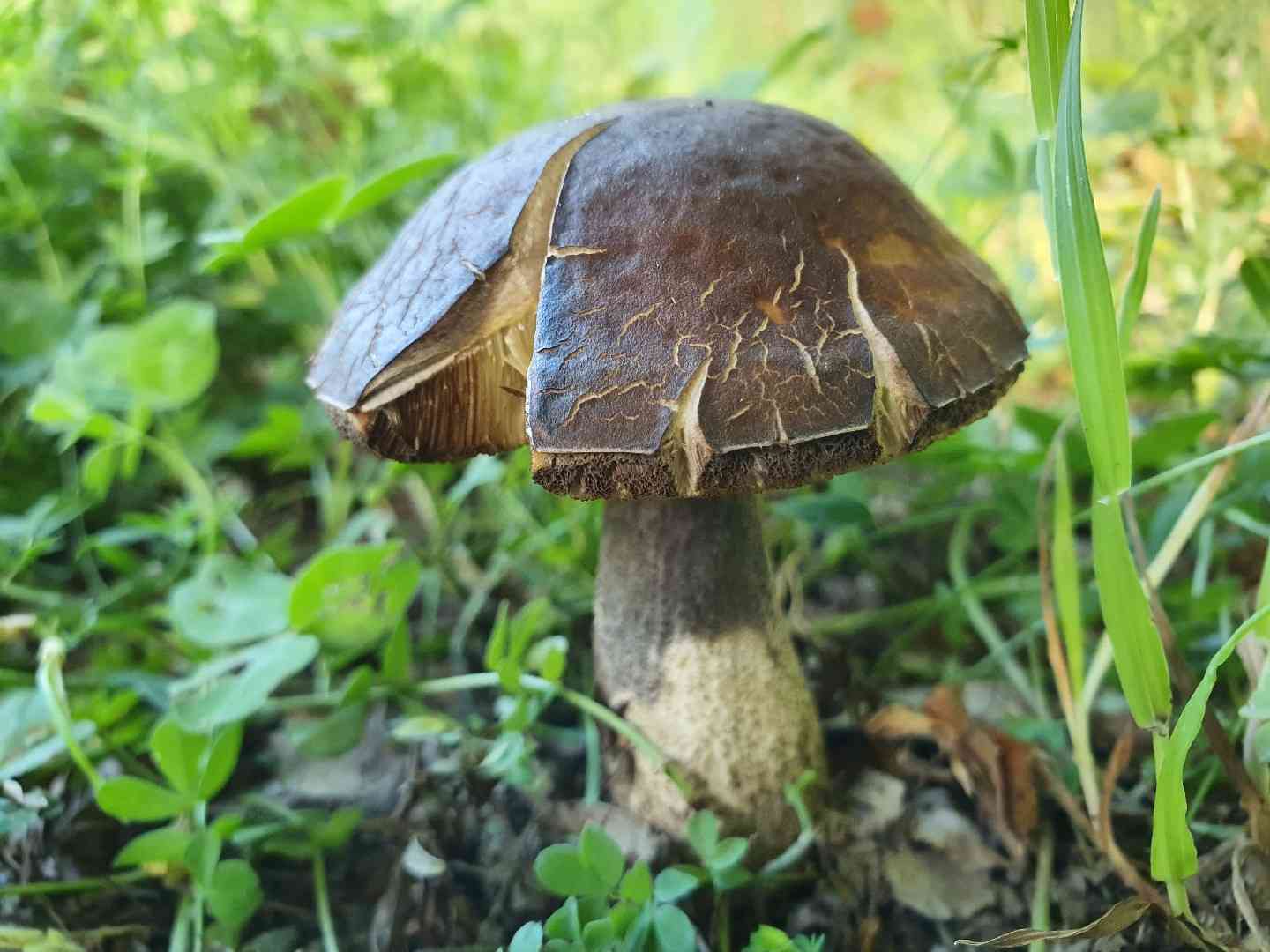
Initially yellow, the saffron bolete develops a cracked, yellowish-brown appearance with age. This infrequent mushroom species typically appears in woodlands and near oak trees during the late summer and early autumn. Its fruiting bodies are notable for producing crocipodin pigment.
In This Article
Attributes of Saffron bolete
Cap Diameter
3 - 12 cm
Height
3 - 13 cm
Cap
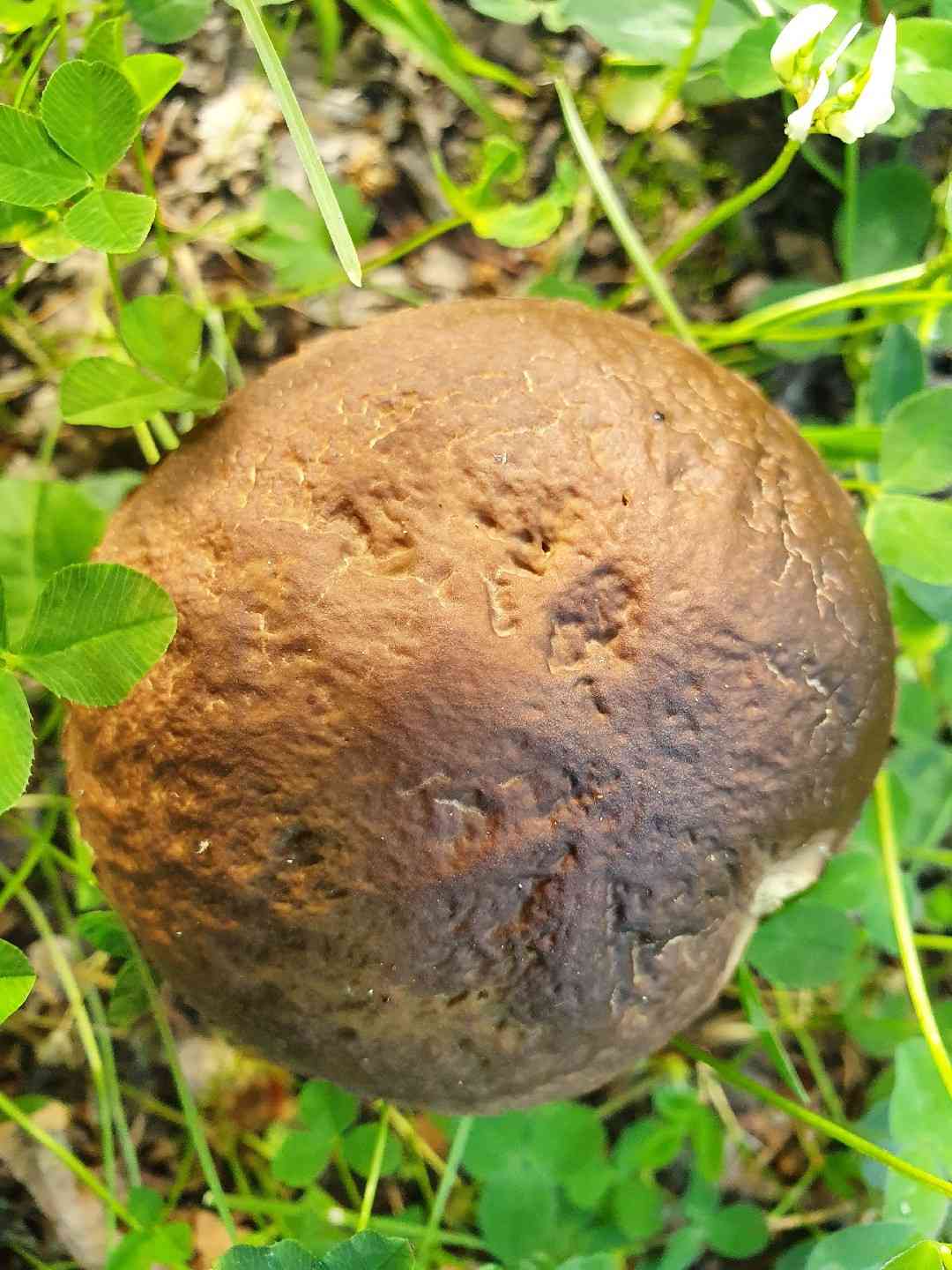
Cap 15 cm across; rounded; buff to yellow-brown; with slightly wrinkled
Cap Shape
Convex, Flat
Cap Surfaces
Velvety
Stem
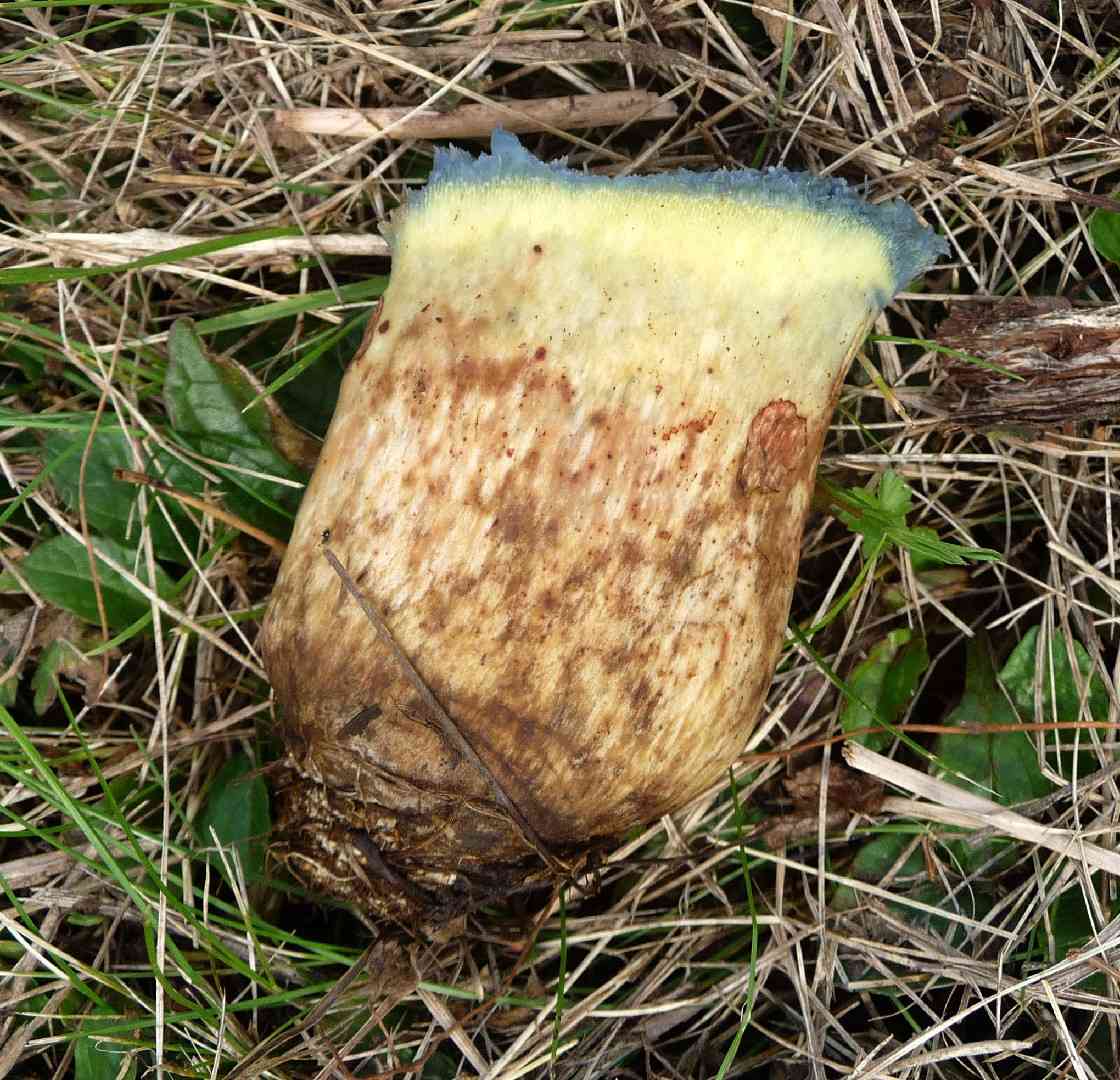
Stem 15 cm long, 4 cm thick; bright yellow; with wrinkled and spots
Stem Shapes
Club Shaped
Flesh
Hard; cream; turns pink and purple-black when cut
Ring
Ringless
Spore Print Color
Olive brown
Odor
Mildly mushroomy but not distinctive.
Body Color
BrownYellowRed
Flesh Bruises
Discolor to gray or black
Growth Form
Gregarious
Nutrient Gathering
Mycorrhizal
Substrate
On soil
You can find Saffron bolete by these plants
Oaks, English oak
Occurence Habitats
Deciduous Woodland
Species Status
Infrequent
Scientific Classification of Saffron bolete
Phylum
Club fungi
Class
Mushroom-forming fungi
Order
Boletes and allies
Family
Boletes
Genus
Leccinellum
Toxicity and Edibility of Saffron bolete
Is Saffron bolete Toxic?
Toxicity information is not available for this mushroom. Always consult with an expert before consuming any wild mushrooms.

