Leccinellum albellum
Leccinellum albellum
A species of Leccinellum.
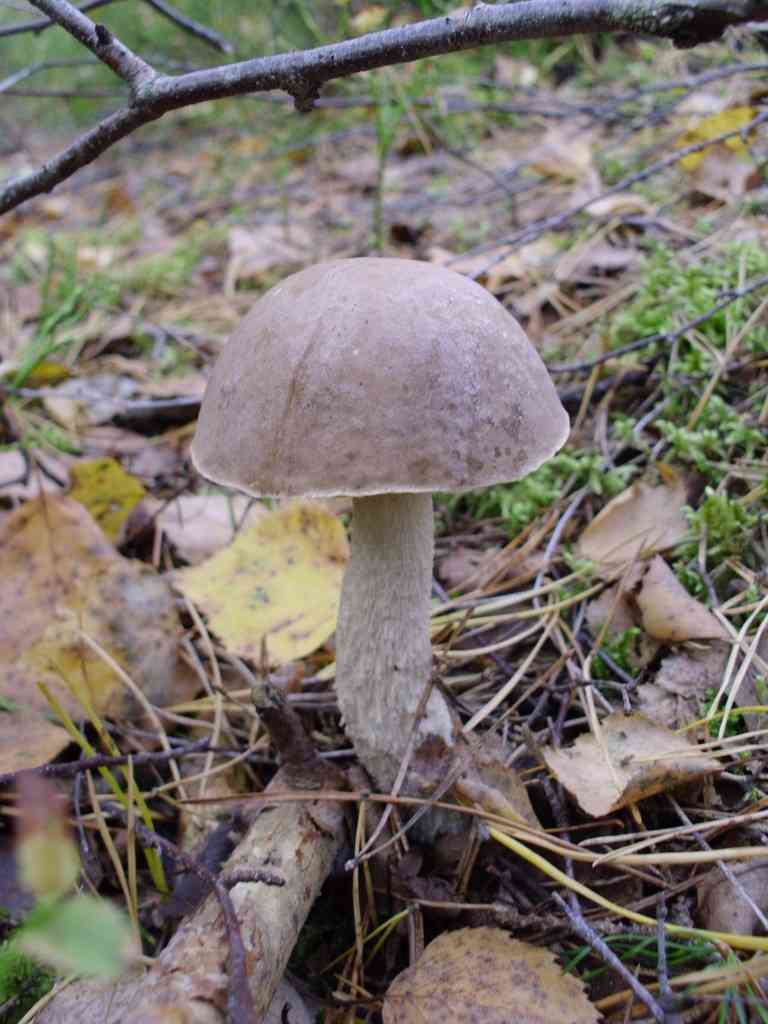
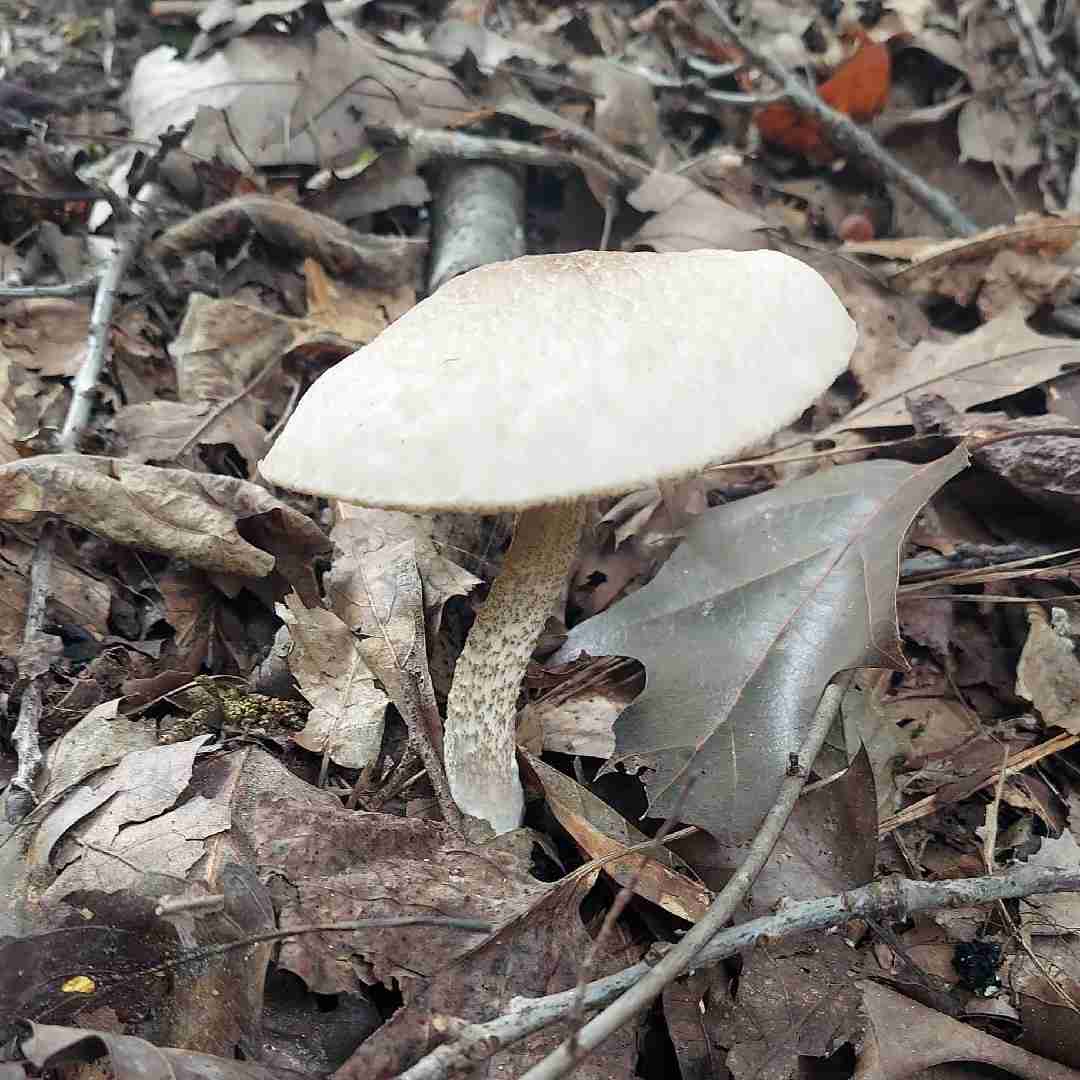
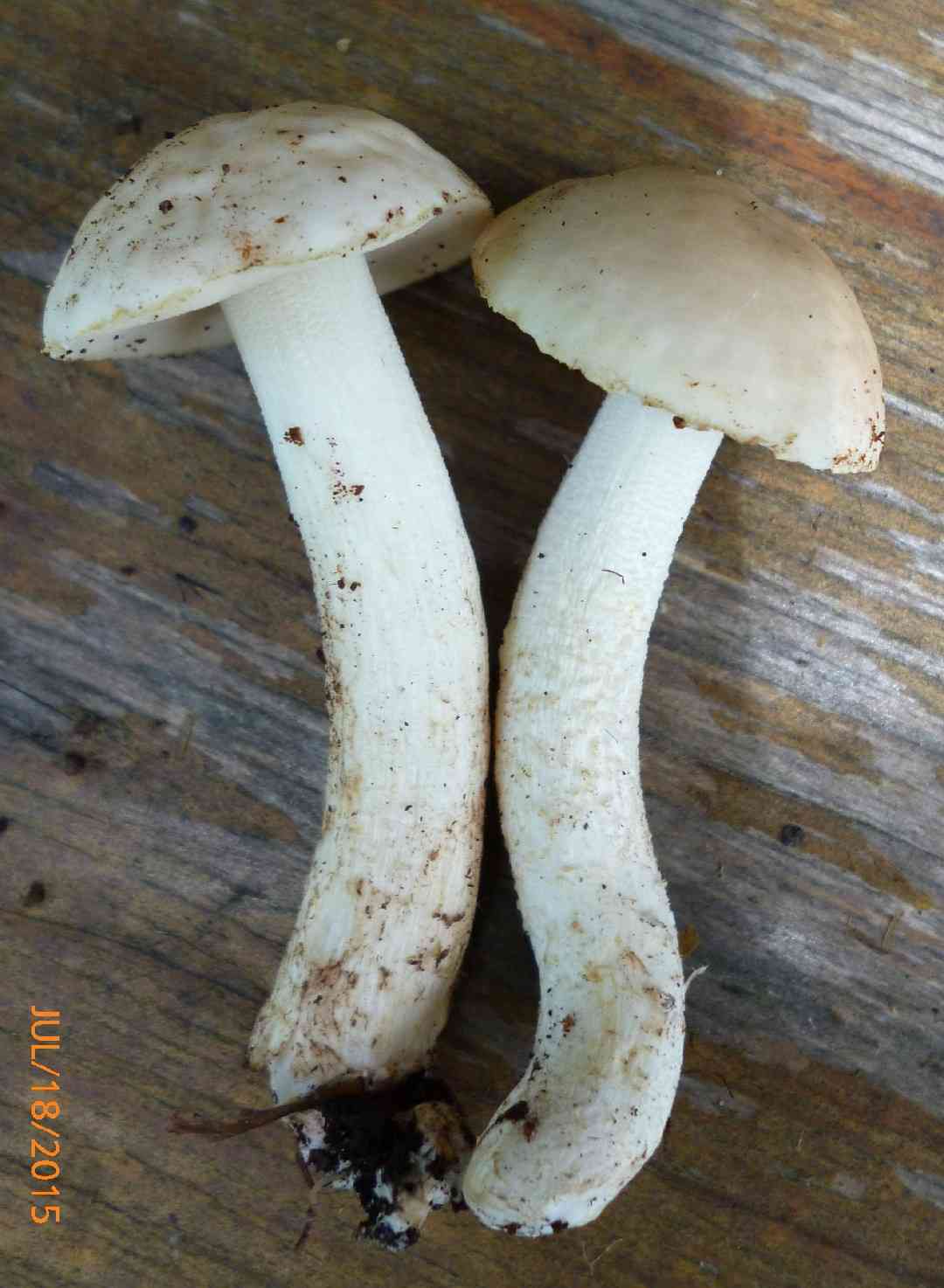
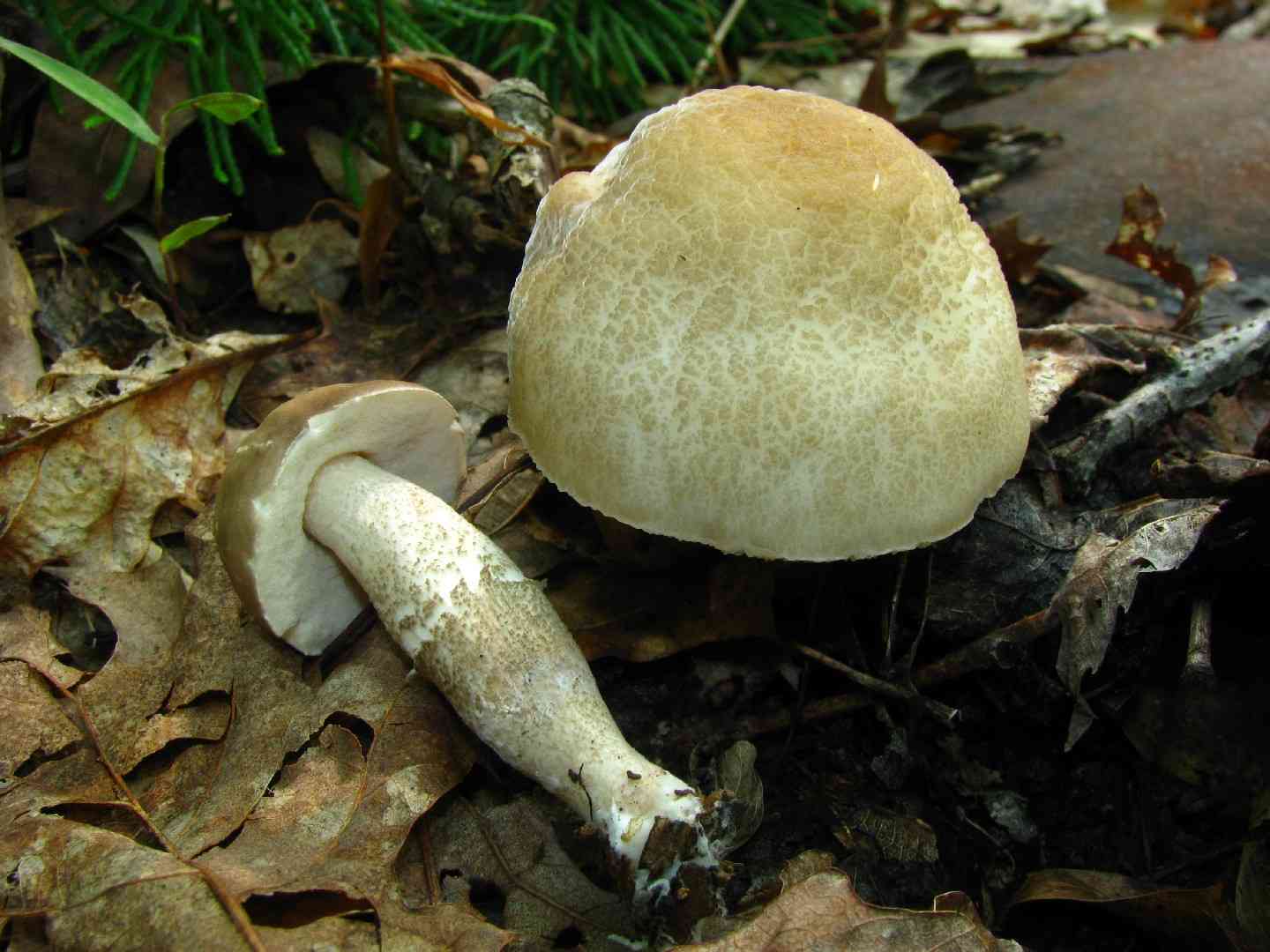
Leccinellum albellum is a common woodland fungus that establishes a symbiotic association with oak trees (or potentially other broadleaf species). In its early developmental stages, the stipe exhibits a covering of white scurfy dots, which subsequently darken over time. Additionally, the pileus develops fissures as the mushroom matures.
In This Article
Attributes of Leccinellum albellum
Cap Diameter
3 - 7 cm
Cap
Cap 3 - 7 cm; convex; pale brownish to nearly white
Stem
Stem 5 - 9 cm long; 7 - 12 mm thick; equal, or with a slightly tapering apex; whitish to pale grayish
Flesh
White to pale yellowish; not staining on exposure
Spore Print Color
Olive brown
Odor
Mildly mushroomy but not distinctive.
Body Color
BrownGrayWhite
Flesh Bruises
The flesh or milk does not discolor when bruised or cut.
Growth Form
Solitary, Scattered
Nutrient Gathering
Mycorrhizal
Substrate
On soil
You can find Leccinellum albellum by these plants
Northern red oak
Species Status
Widely distributed
Endangered Species
No
Scientific Classification of Leccinellum albellum
Phylum
Club fungi
Class
Mushroom-forming fungi
Order
Boletes and allies
Family
Boletes
Genus
Leccinellum
Toxicity and Edibility of Leccinellum albellum
Is Leccinellum albellum Toxic?
Toxicity information is not available for this mushroom. Always consult with an expert before consuming any wild mushrooms.