Fleecy milk-cap

Lactarius vellereus

A species of Milk-caps.

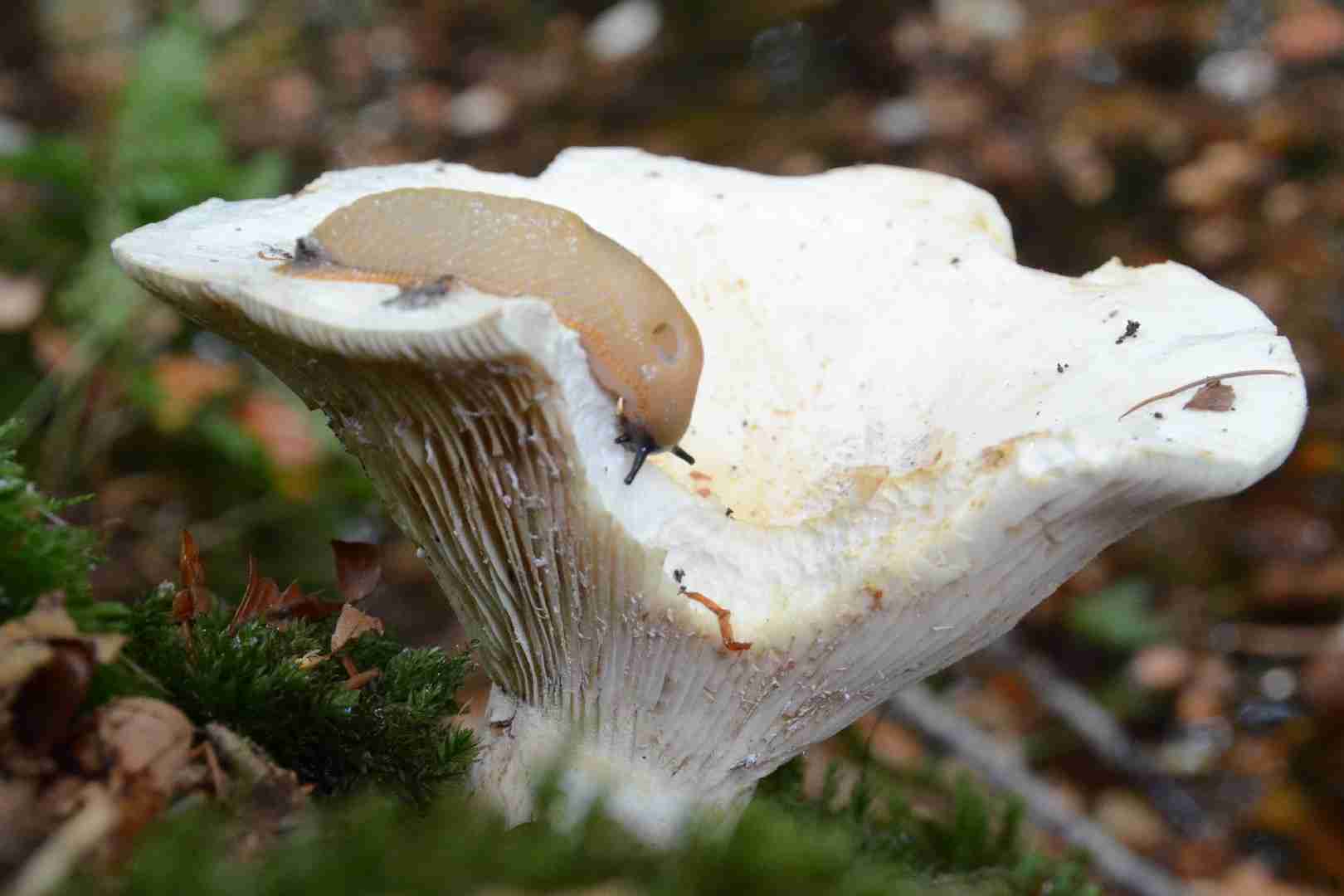
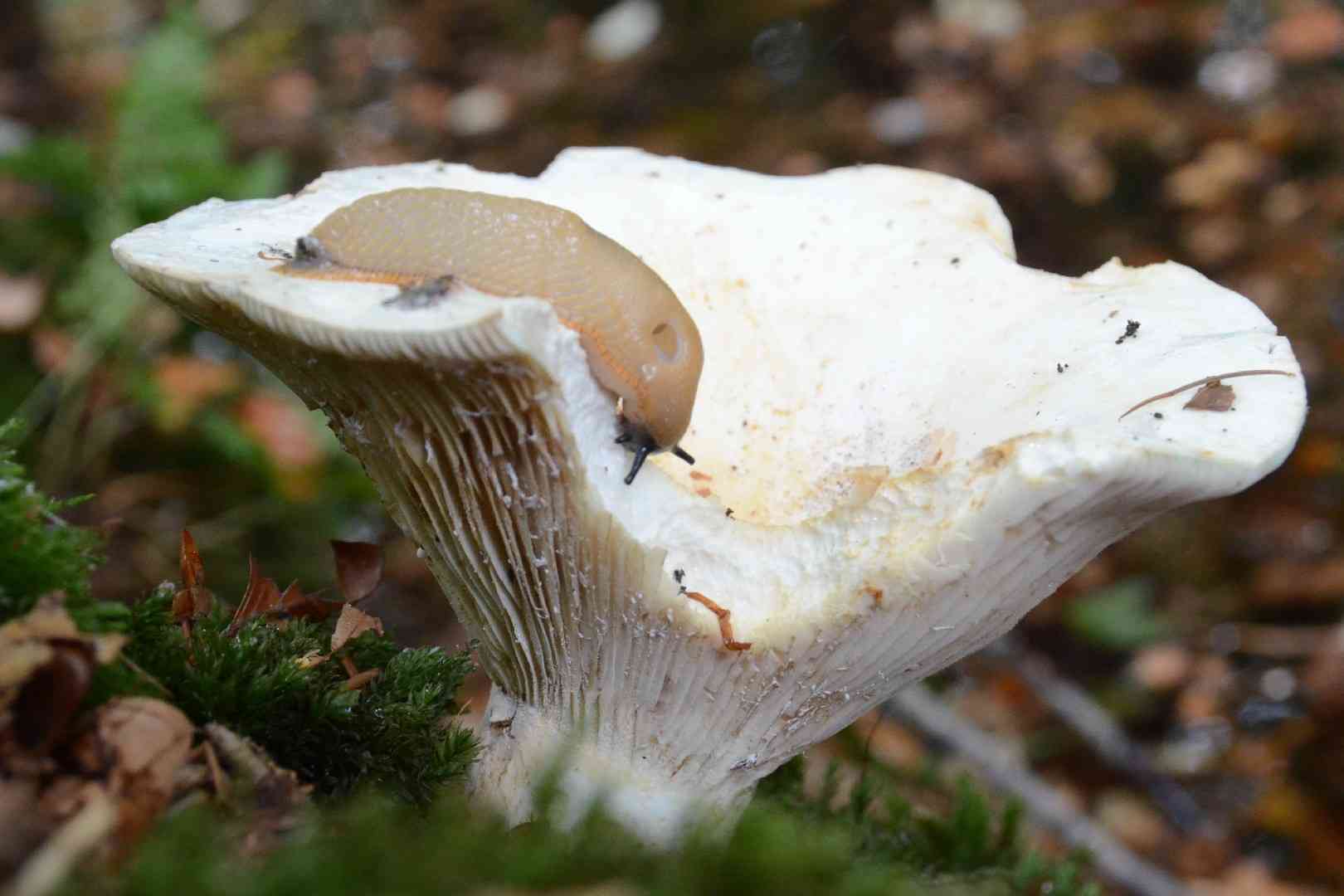
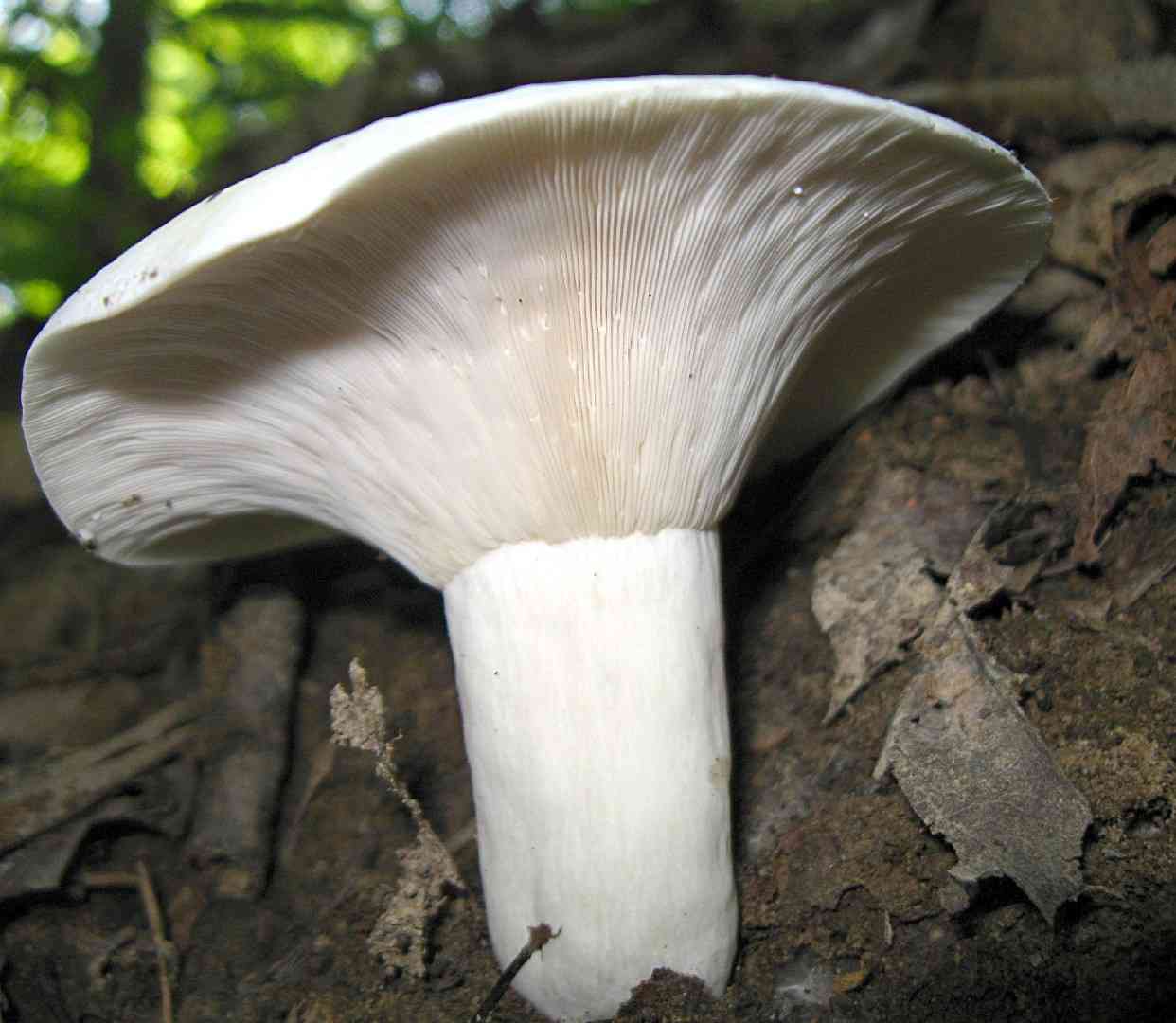
The woolly milk-cap, a frequently encountered and widely distributed fungus, stands out due to its impressively large dimensions. While notably sizable, this mushroom is deemed unfit for consumption. Its common appellation, Fleecy milk-cap, as well as its scientific designation, L. vellereus, both allude to the cap's delicate, fleece-like texture.

In This Article
Attributes Classification Toxicity Similar Mushrooms

Attributes of Fleecy milk-cap

ForwardPlant - ID plants and mushrooms, and learn more about them🌿

Identify and diagnose plants, get toxicity alerts, and explore safety guides for all types of fungi.

Try for Free
Cap Diameter
9 - 35 cm
Height
5 - 10 cm
Cap
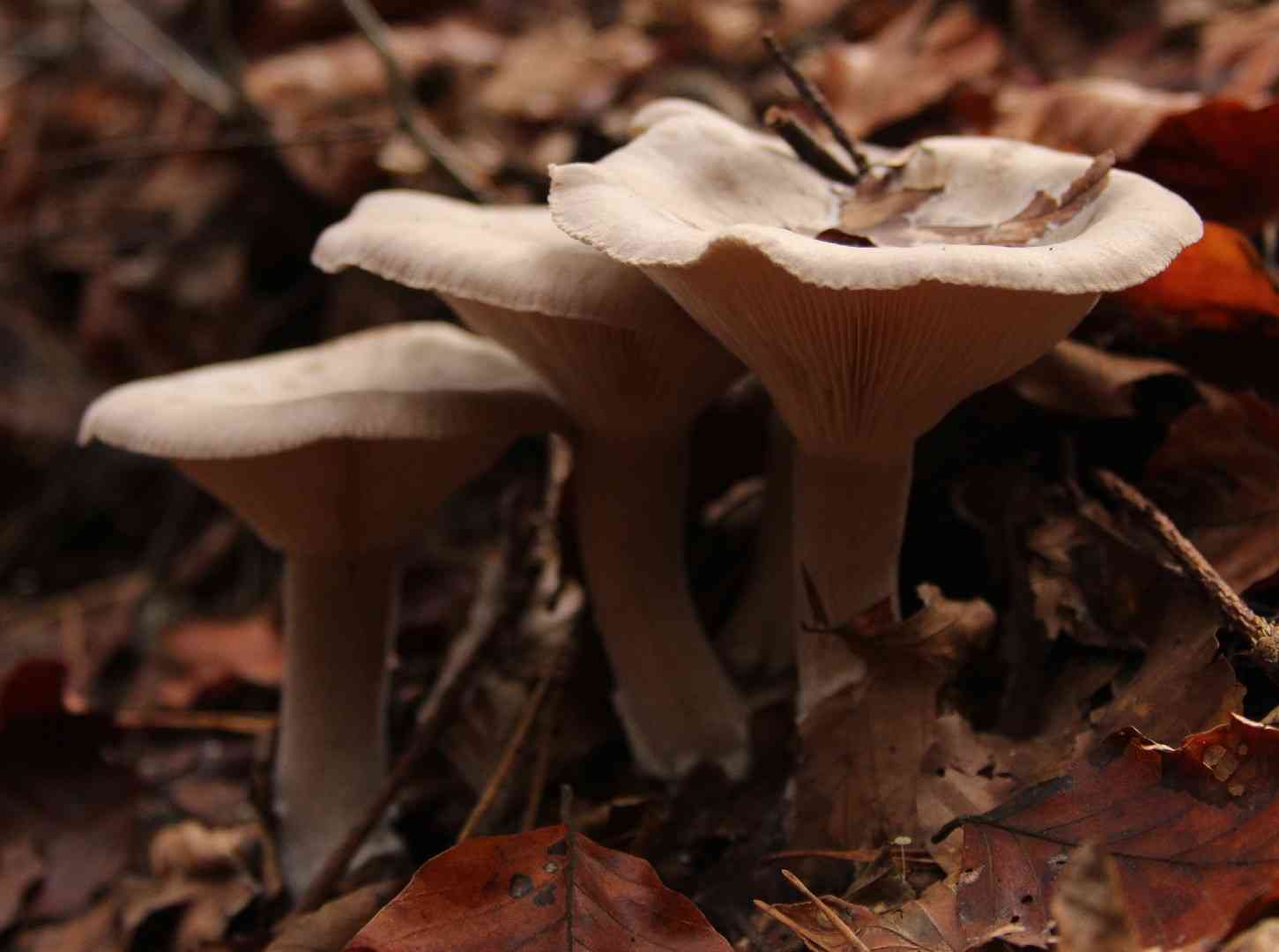
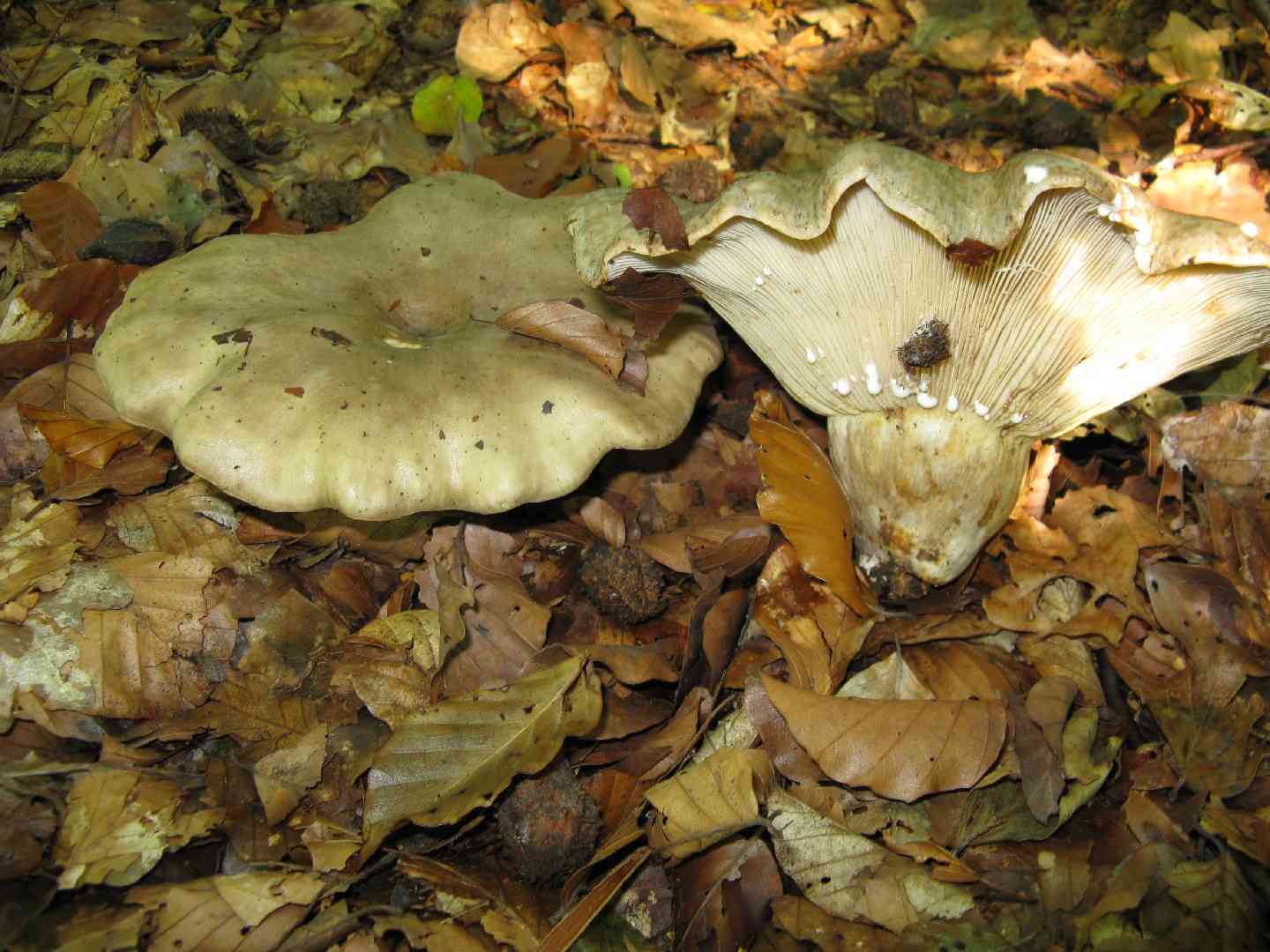
Cap 30 cm across; funnel-shaped; white to cream
Cap Shape
Convex, Flat, Depressed
Cap Surfaces
Fibrillose-scaly
Gills
Decurrent; moderately distant; white to brown
Gill Attachment
Attached
Stem
Stem 4 - 7 cm long, 2 - 4 cm thick; cylindrical; white to cream
Stem Shapes
Cylindrical
Flesh
Very tough and firm; white
Ring
Ringless
Spore Print Color
White
Odor
Mildly mushroomy but not distinctive.
Body Color
BrownYellowWhite
Flesh Bruises
The flesh or milk does not discolor when bruised or cut.
Growth Form
Scattered, Gregarious
Nutrient Gathering
Mycorrhizal
Substrate
On soil
You can find Fleecy milk-cap by these plants
Oaks, Spruces
Occurence Habitats
Deciduous Woodland, Mixed Woodland
Species Status
Widespread and common
Endangered Species
No

Scientific Classification of Fleecy milk-cap

ForwardPlant APP

AI mushroom expert in your pocket

Try for Free
Phylum
Club fungi
Class
Mushroom-forming fungi
Order
Russulales
Family
Russulaceae
Genus
Milk-caps
⚠️

Toxicity and Edibility of Fleecy milk-cap

ForwardPlant: Identify & Forage

Your Essential Guide to Edible vs. Toxic Mushrooms. Forage with Confidence!

Try for Free

Is Fleecy milk-cap Toxic?

The Woolly Milkcap mushroom, typically found in birch woods during the autumn season, is known to cause significant gastrointestinal upset upon ingestion, though it is not deadly. There's also a potential for it to impact sight, coordination, and internal organs. Its distinguishing feature is its chalky white appearance. Nevertheless, careful identification is essential to avoid confusing it with edible lookalikes.
Toxins type
Terpenoid
Type of poisoning
Gastrointestinal
Toxic Severity
Moderate toxicity
Incubation Period
0.5-4 hours
Poisoning Symptoms
Common symptoms include gastrointestinal distress, characterized by nausea, vomiting, cramps, and diarrhea. In more severe cases, poisoning can lead to issues beyond the digestive system, such as vision problems, movement disorders like tremors or ataxia, and potential damage to vital organs like the liver and kidneys.

